By mufid | Project Staff
Introduction
The Forest Farmer Community conducted its regular monthly community meeting on May 11, 2026. This meeting is part of an ongoing community-led initiative that has been consistently carried out since 2023 as a platform for strengthening collective organization, evaluating community programs, and discussing future development priorities.
The regular meetings serve as an important mechanism for participatory decision-making within the community. Discussions typically cover savings and loan activities, organizational development, evaluation of community programs, livelihood initiatives, and forest conservation efforts.
In May 2026, the meeting focused primarily on two strategic issues: preparations for the expansion of conservation areas and mitigation planning for the prolonged dry season projected to occur in 2026.
Preparation for Conservation Area Expansion
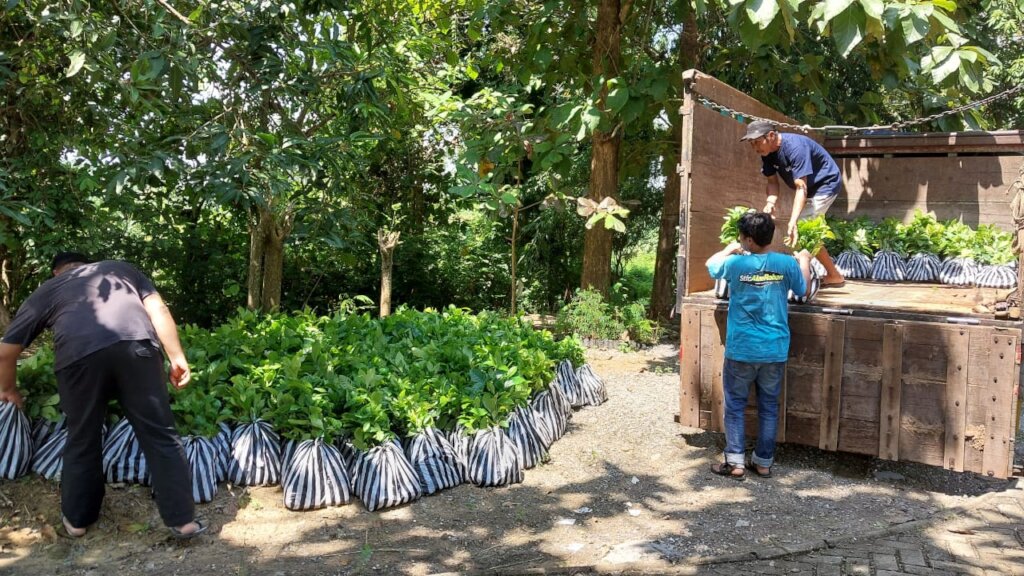
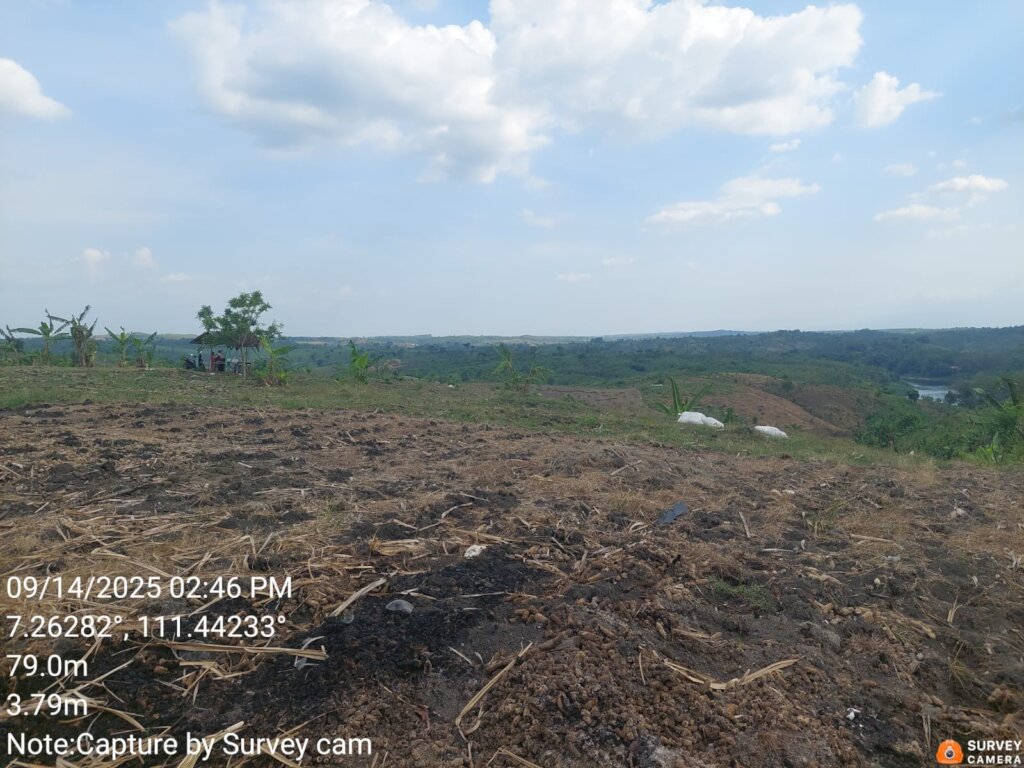
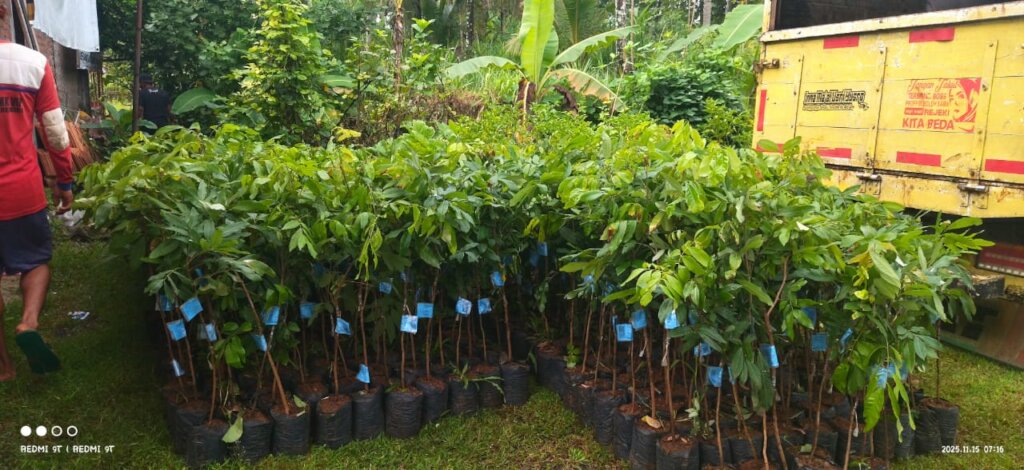
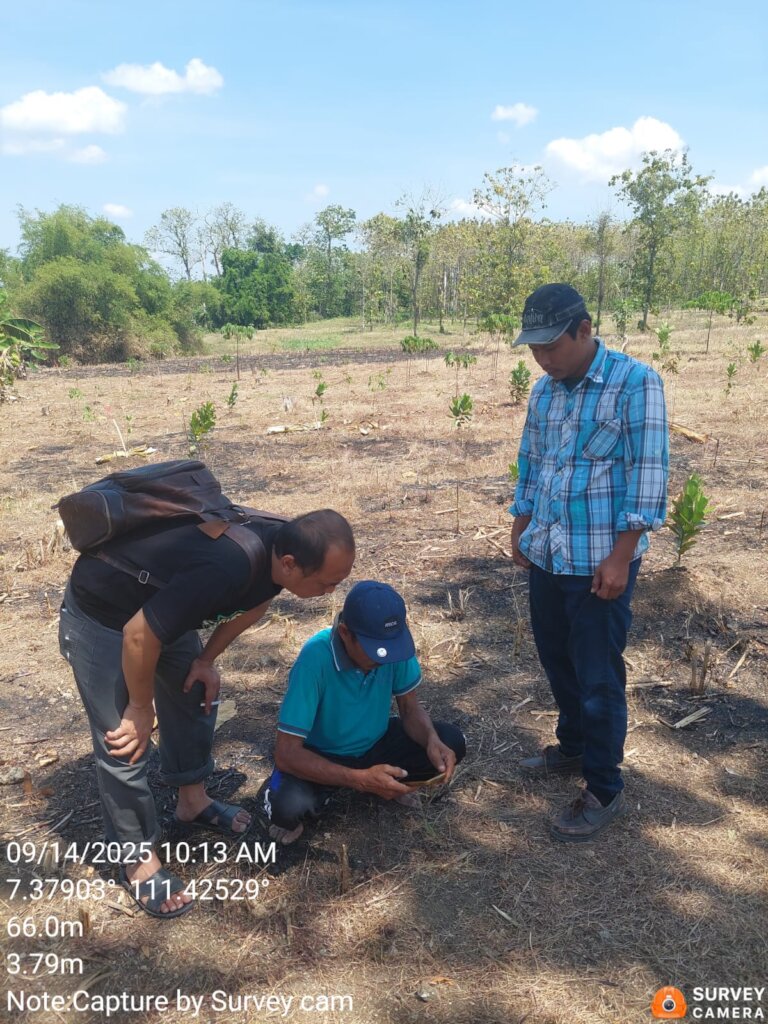
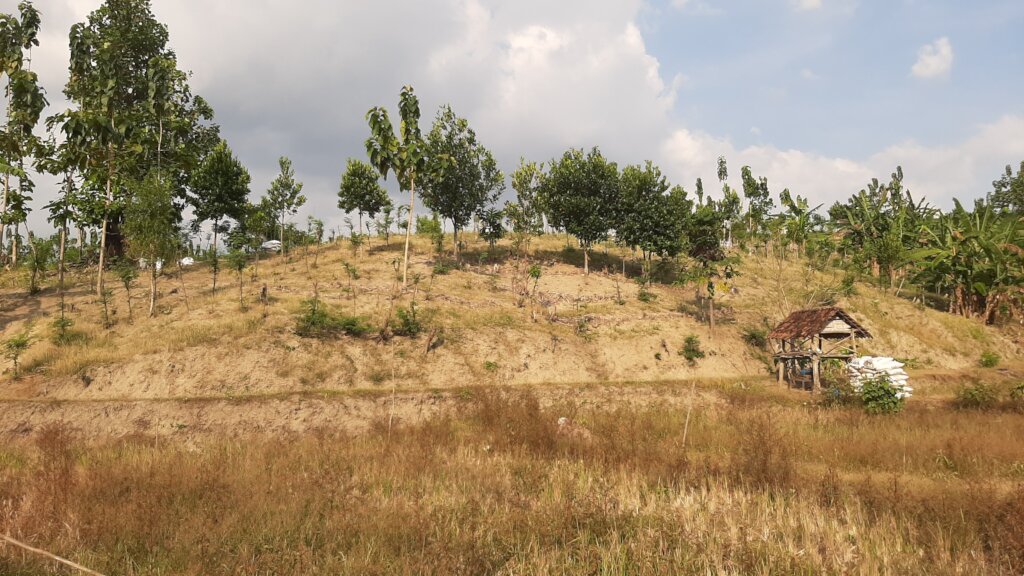
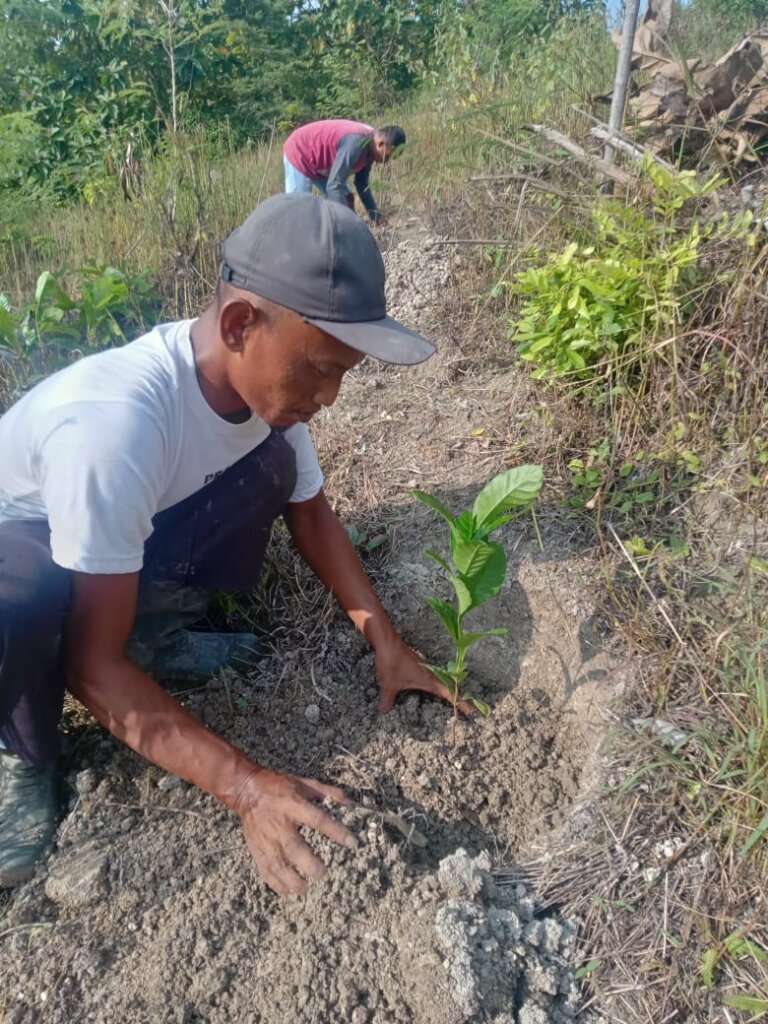
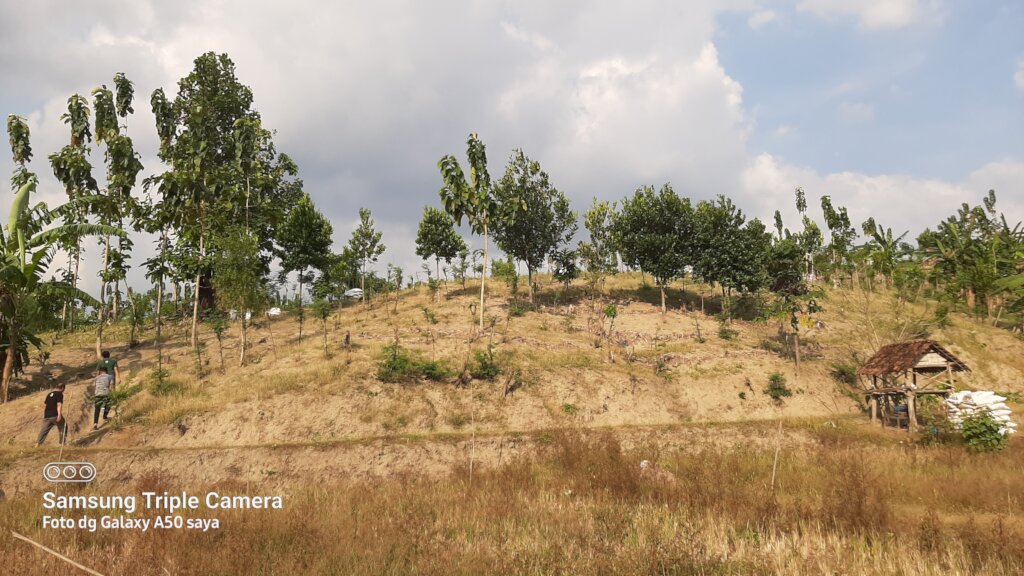
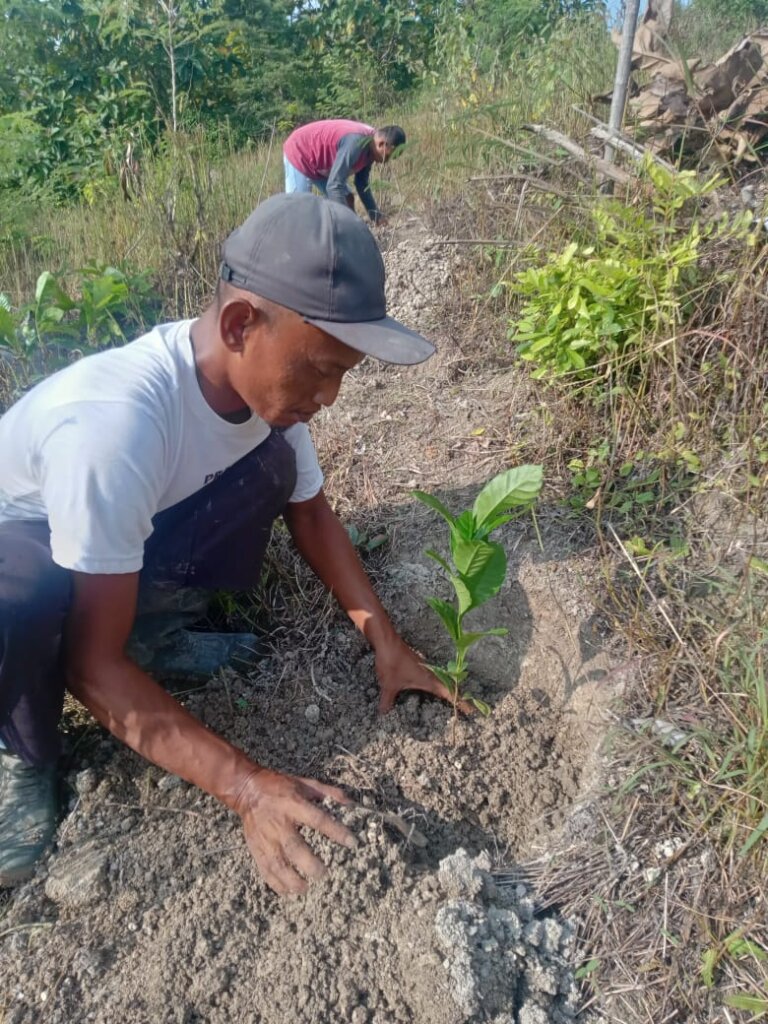
One of the main discussion points during the meeting was the preparation for expanding community-based conservation areas in Blora. Community members collectively mapped potential locations for future restoration and conservation development, which are planned for initial planting activities in early 2027.
The planned conservation zones will include:
The agroforestry approach is considered particularly important in areas that have experienced forest degradation due to long-term pressure from unsustainable land use and monoculture practices. Through this model, communities aim to gradually restore ecological functions while maintaining productive landscapes that support local economies.
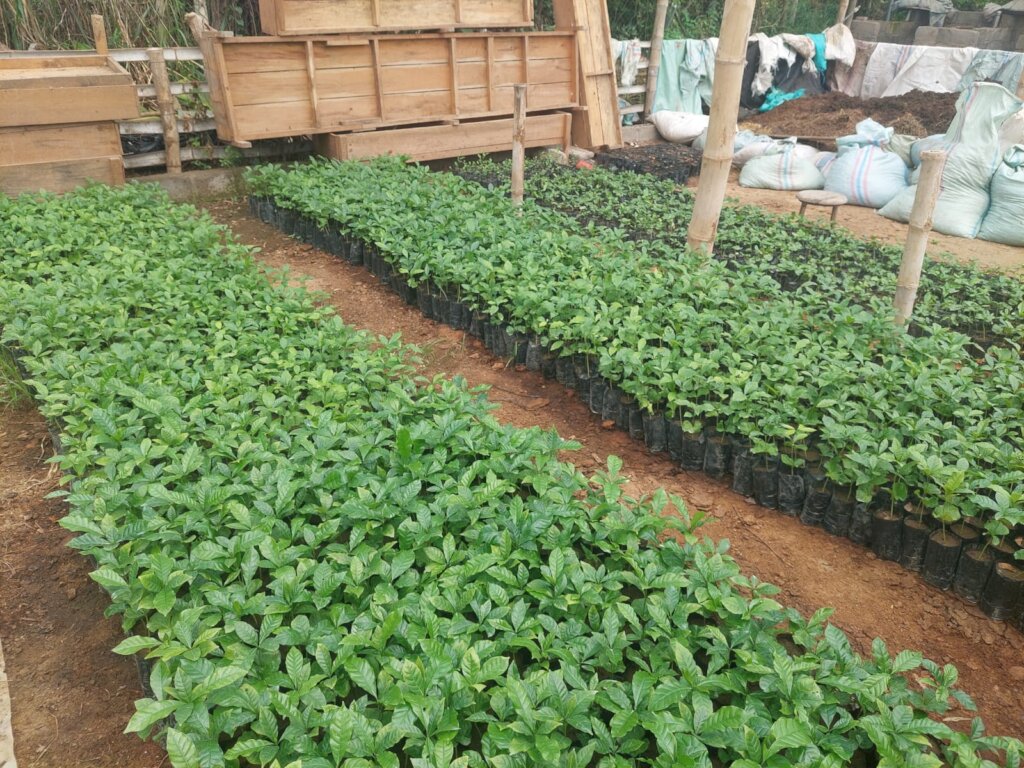
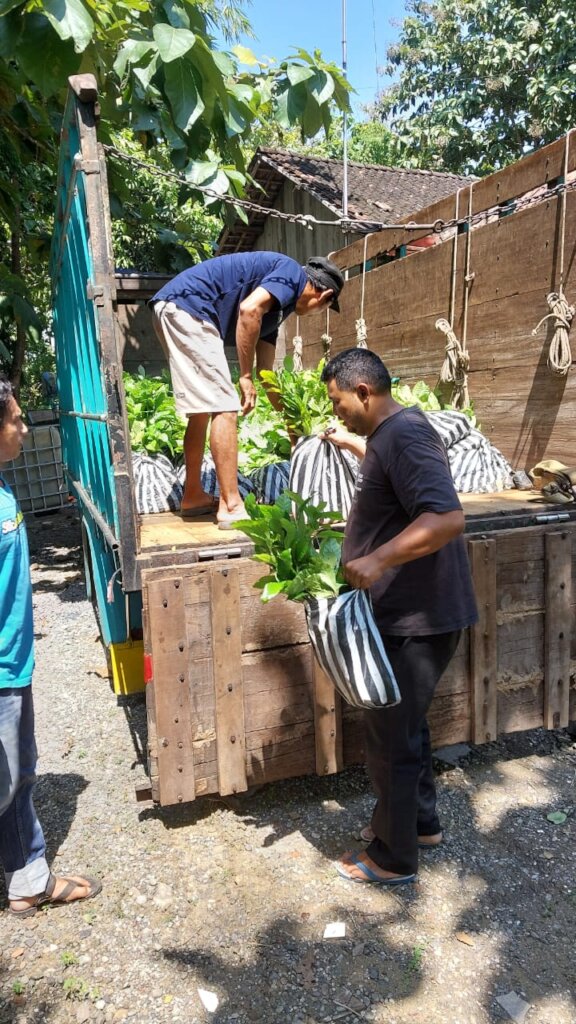
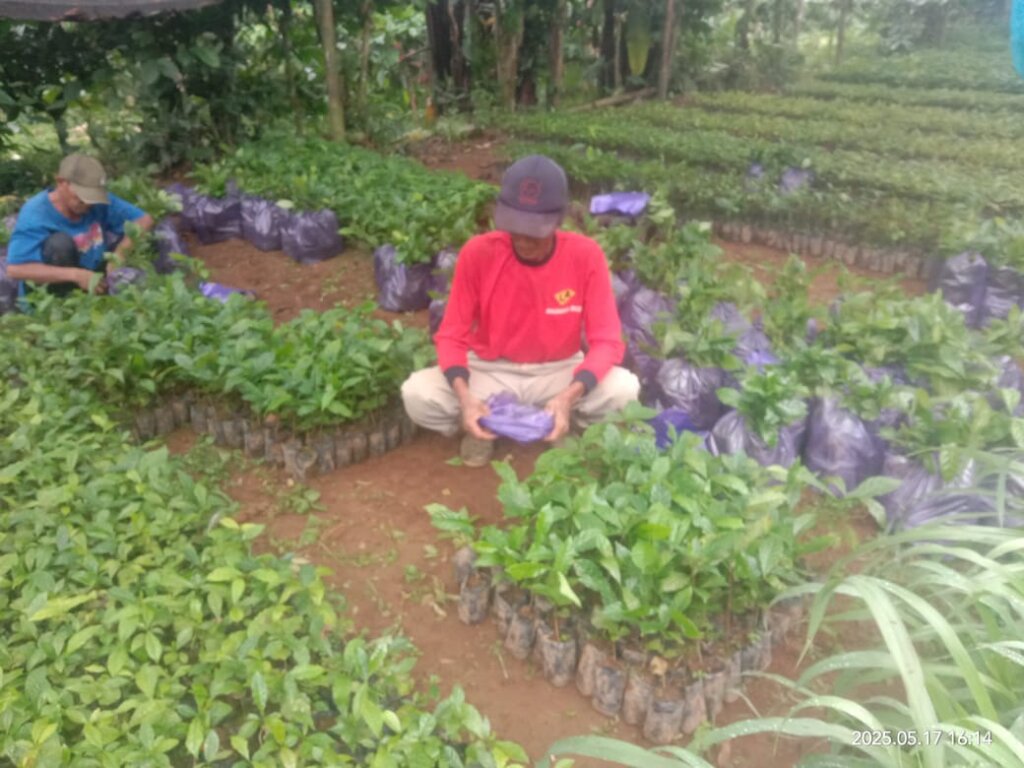
During the meeting, the community also conducted preliminary estimations regarding the number of seedlings, infrastructure, and resources required for the development of approximately 20 hectares of conservation and agroforestry areas planned for early 2027.
Anticipating the 2026 Dry Season
Another important topic discussed during the meeting was preparation for the longer and more severe dry season forecast for 2026. Community members discussed several mitigation strategies to ensure that conservation and planting activities can continue effectively despite climate-related challenges.
The discussions emphasized:
These discussions reflect the increasing awareness among communities regarding the importance of climate-adaptive conservation planning.
Strengthening Community Economic Empowerment
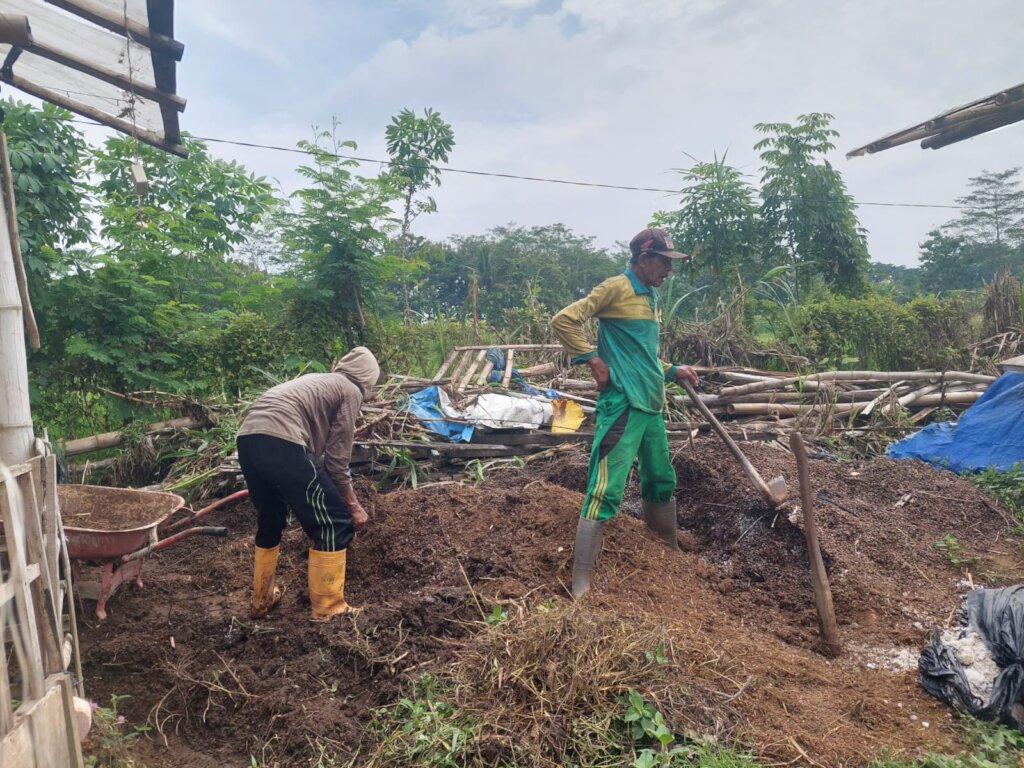
In addition to conservation planning, the community meeting also focused on strengthening local economic initiatives through the production of organic fertilizer derived from sheep manure.
The organic fertilizer initiative has become an important component of the community’s circular economy approach. Sheep manure is processed into high-quality organic fertilizer that can be used to support agroforestry and agricultural activities while also generating additional income for community members.
Currently, the community is capable of producing approximately:
3 tons of organic fertilizer per month
This initiative not only creates economic value, but also:
The integration of livestock management, organic fertilizer production, and agroforestry demonstrates how economic empowerment and forest conservation can reinforce one another.
Conclusion
The regular community meeting highlights the important role of collective organization in supporting long-term conservation and sustainable rural development. Through participatory planning, climate adaptation discussions, and economic empowerment initiatives, the Forest Farmer Community continues to strengthen its role as an active steward of forest landscapes in Blora.
The meeting also demonstrates that successful conservation requires more than tree planting alone. It requires strong communities, adaptive planning, and sustainable economic systems that allow people and forests to thrive together.
By Mufid | Project Staff
By Nur Abdullah | Project Staff
Project reports on GlobalGiving are posted directly to globalgiving.org by Project Leaders as they are completed, generally every 3-4 months. To protect the integrity of these documents, GlobalGiving does not alter them; therefore you may find some language or formatting issues.
If you donate to this project or have donated to this project, you can receive an email when this project posts a report. You can also subscribe for reports without donating.



Support this important cause by creating a personalized fundraising page.
Start a Fundraiser