By Mufid | Project Staff
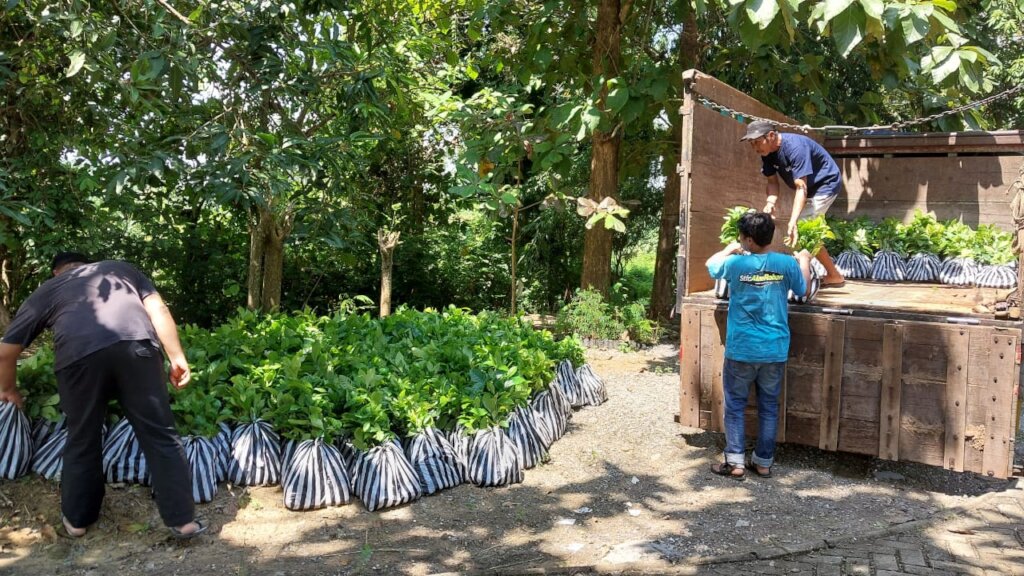
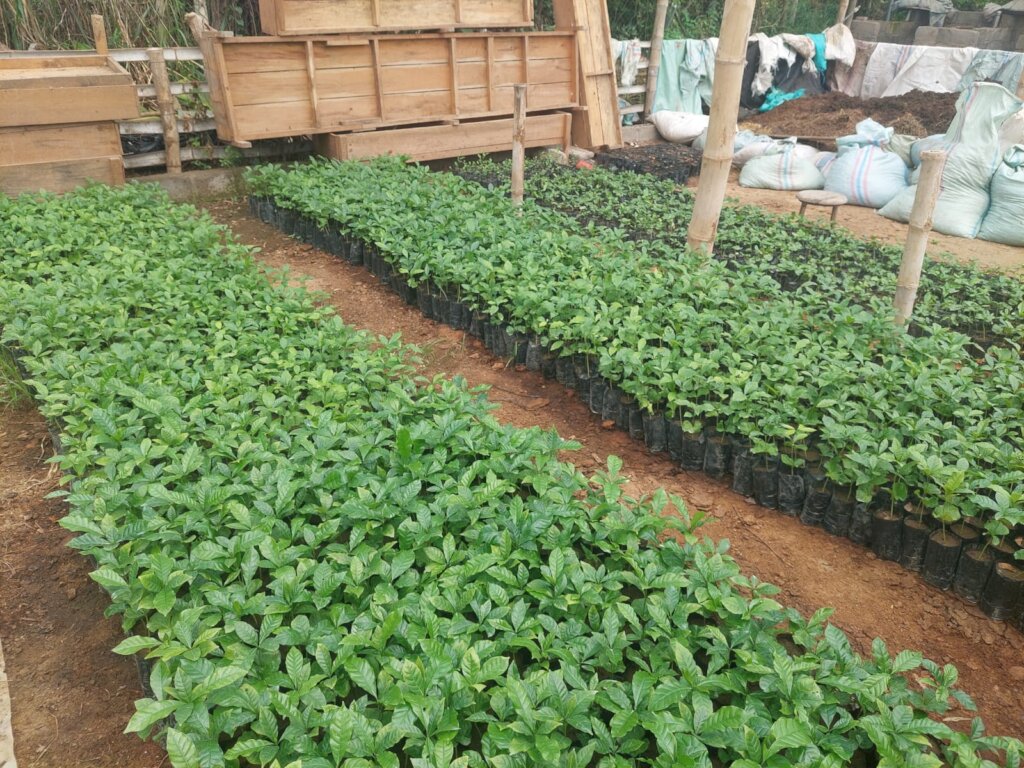
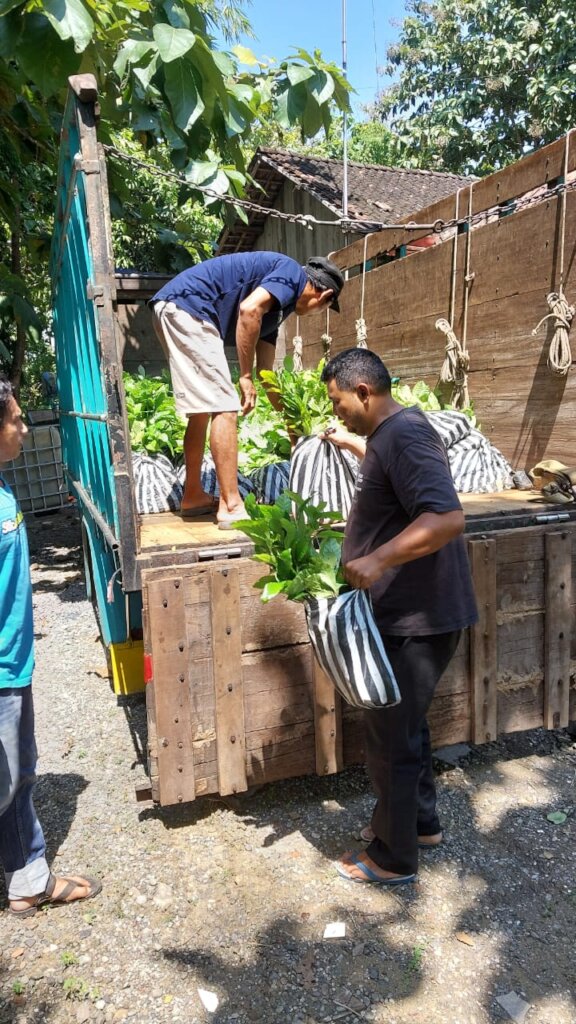
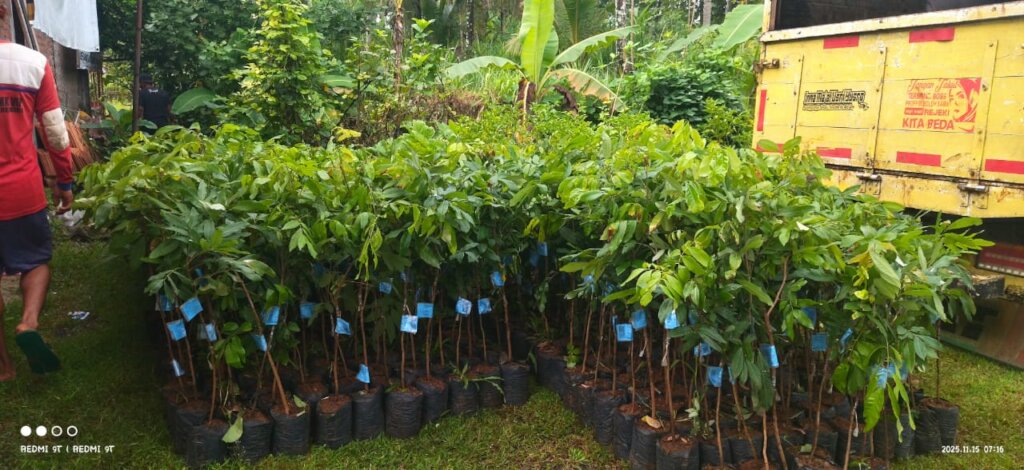
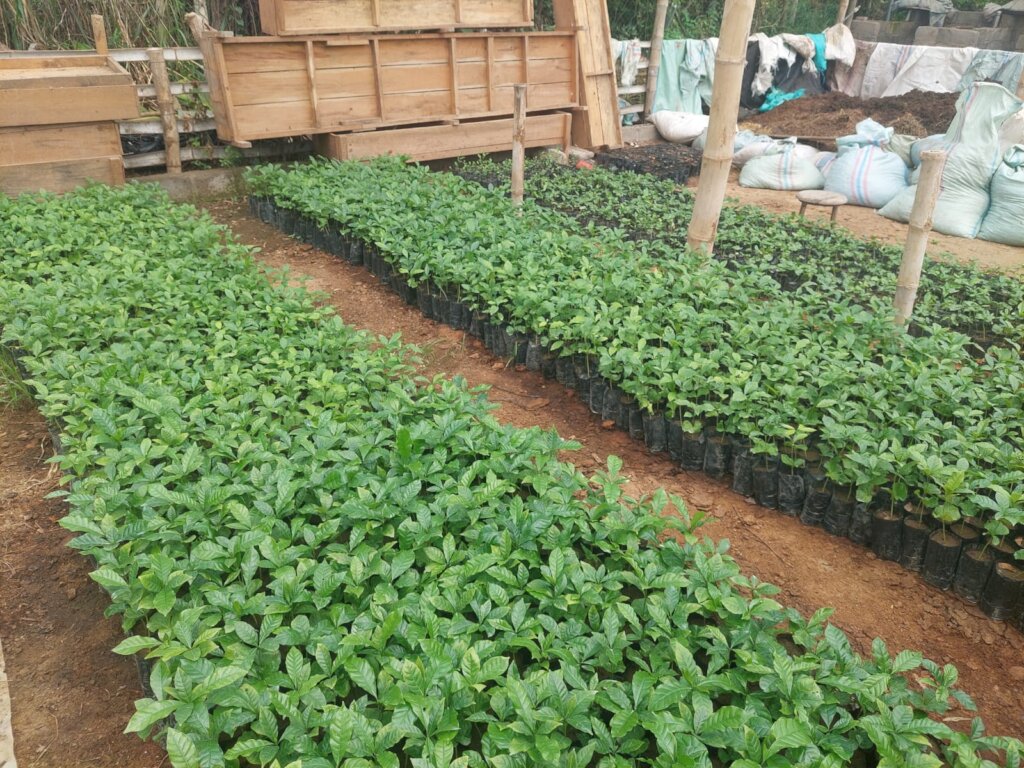
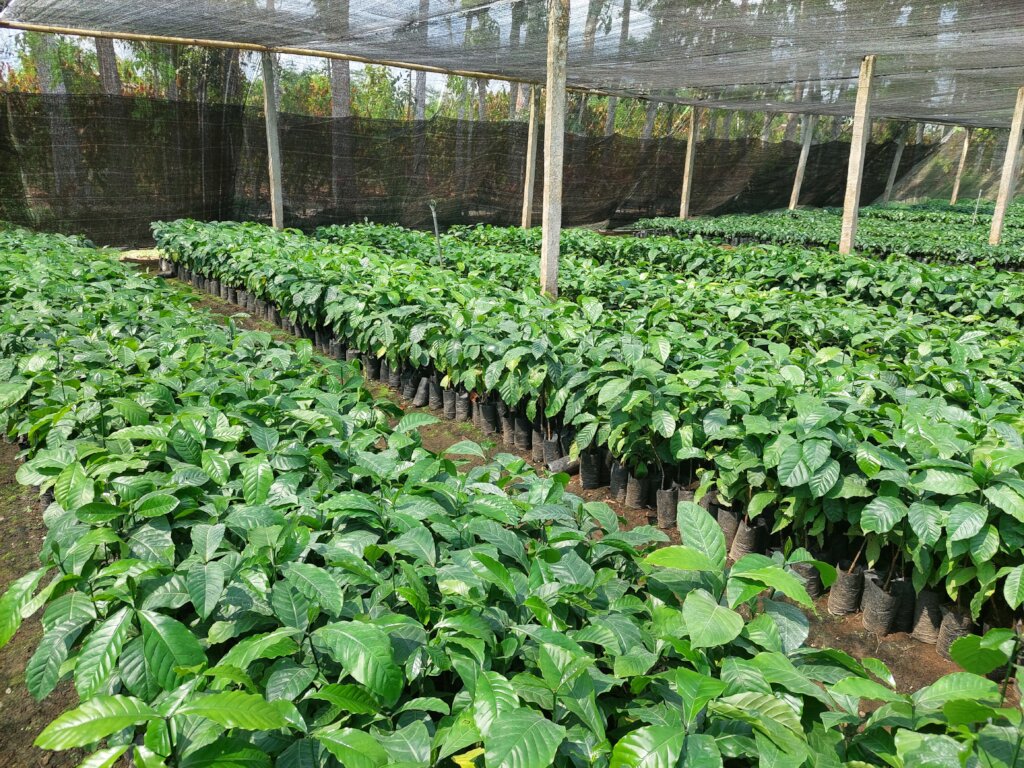
To respond to the urgent need for expanding conservation areas and ensuring the timely availability of high-quality seedlings for the 2026 planting season, Yayasan INFEST has launched a dedicated micro project through GlobalGiving. This initiative serves as a rapid and flexible funding mechanism to accelerate early-stage restoration efforts, particularly in situations where delays in seedling procurement could significantly impact planting success. Through this platform, we aim to mobilize wider public support while strengthening collaboration with local communities as key actors in forest conservation.
The link to microproject: https://www.globalgiving.org/microprojects/seedlingsforforesconservation/
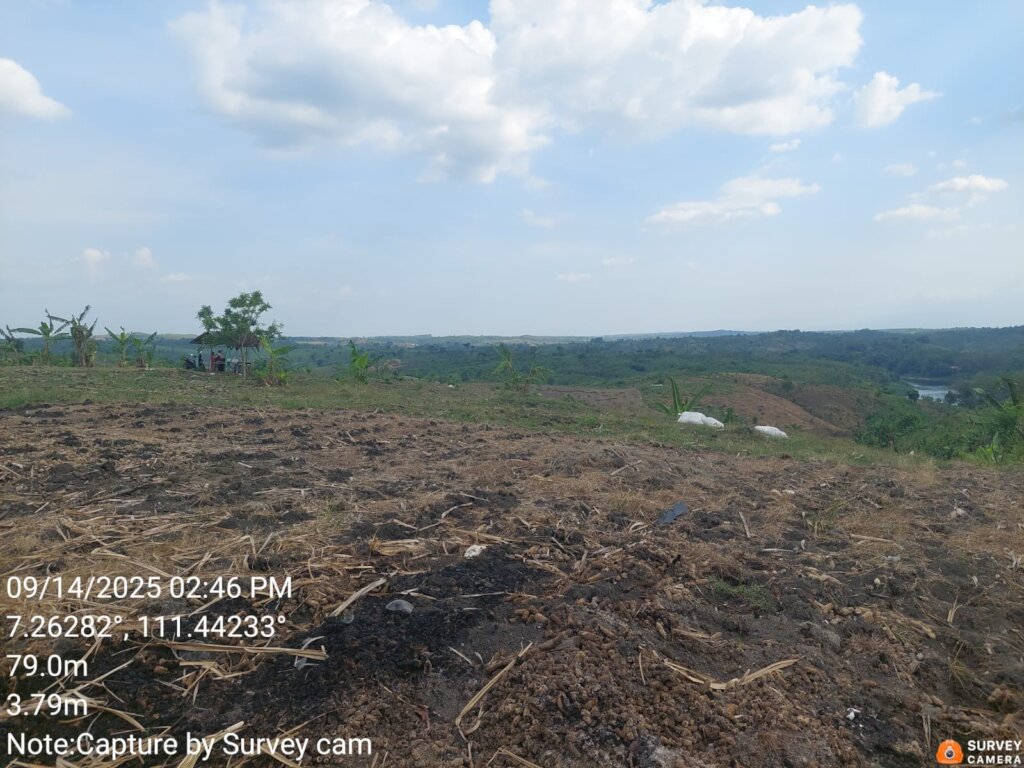
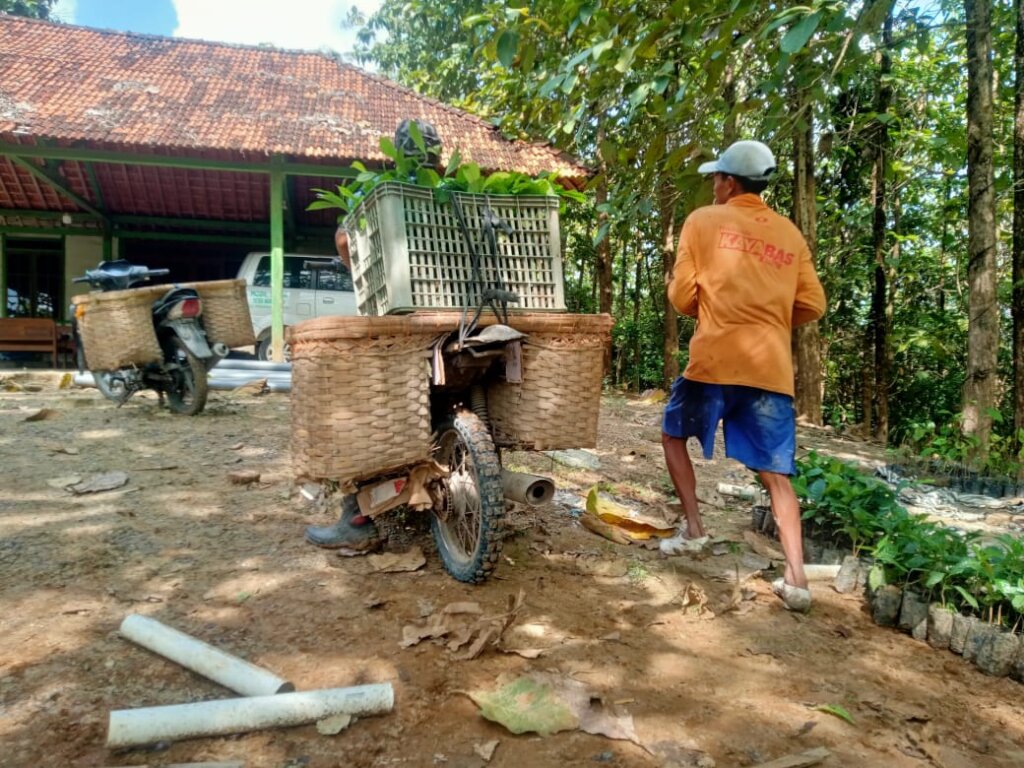
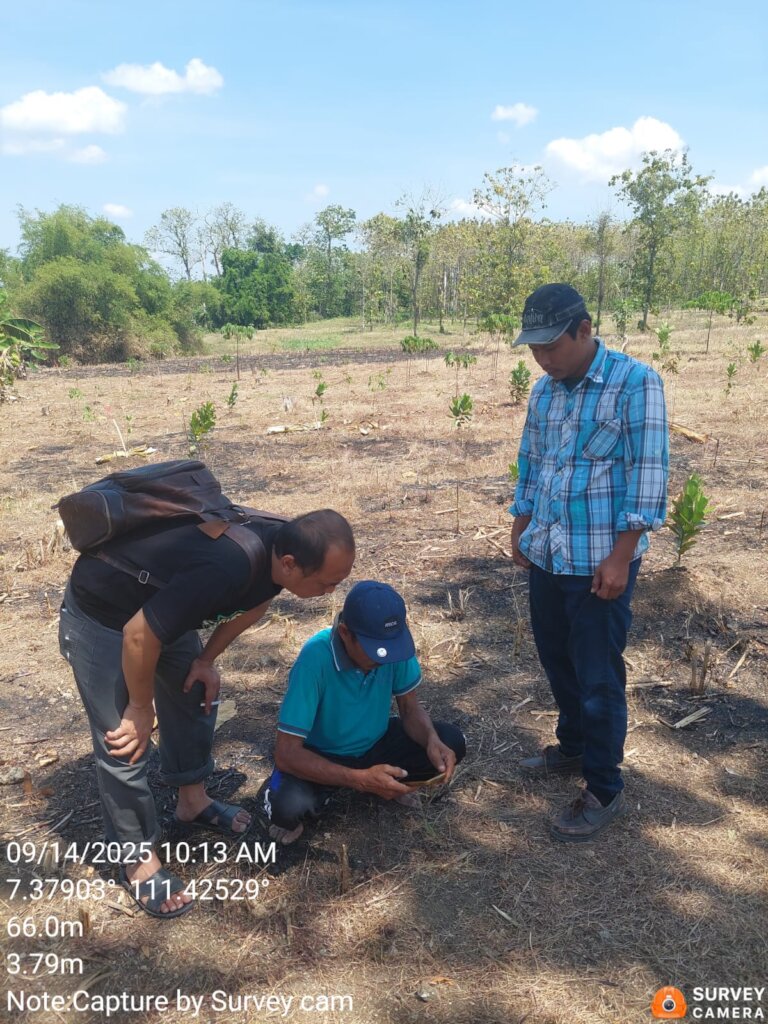
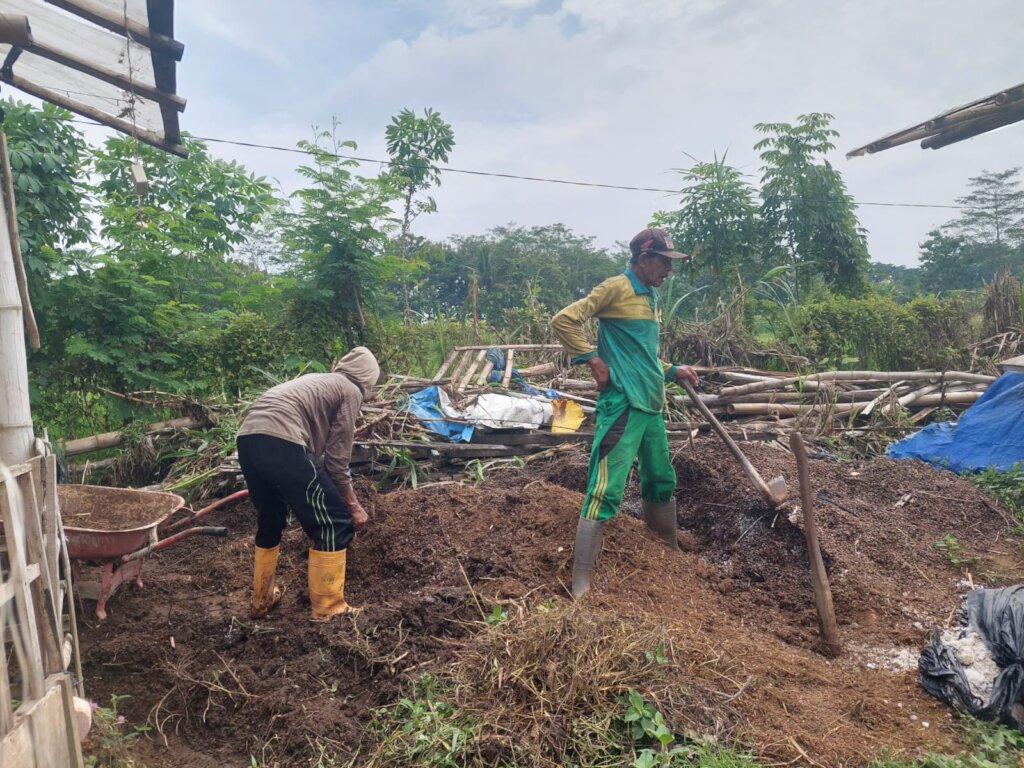
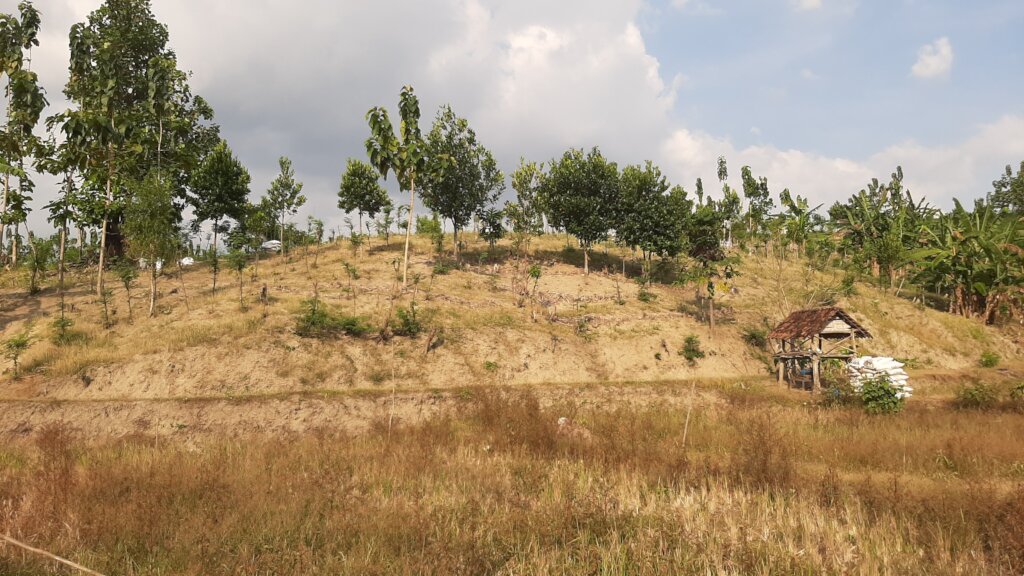
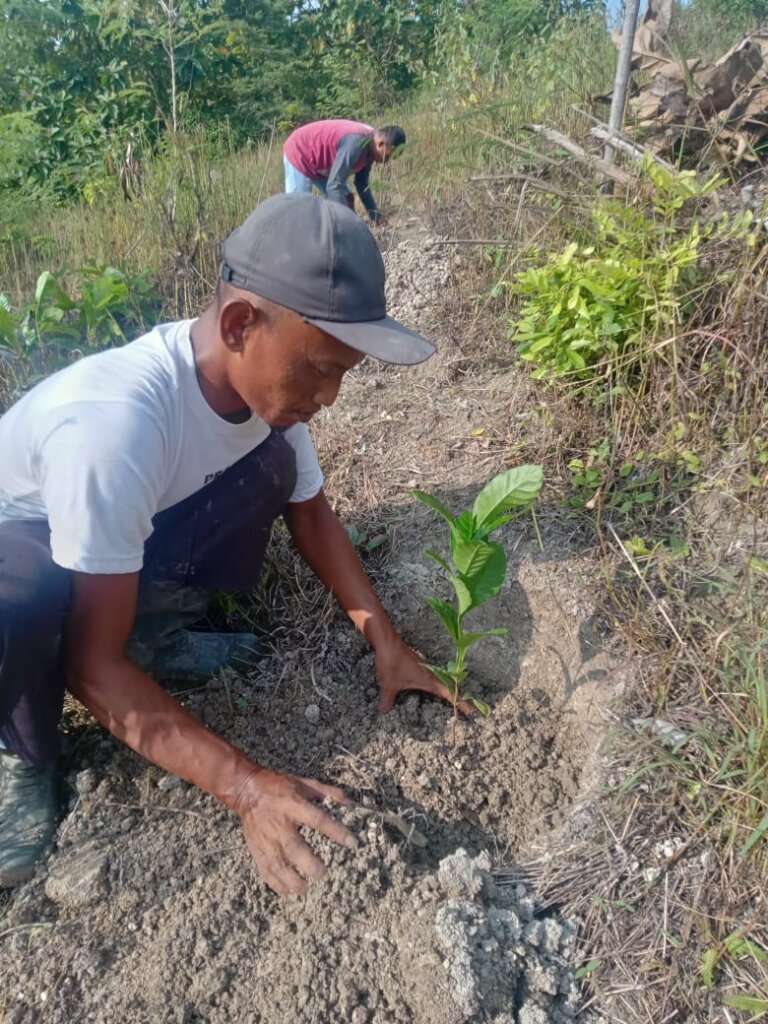
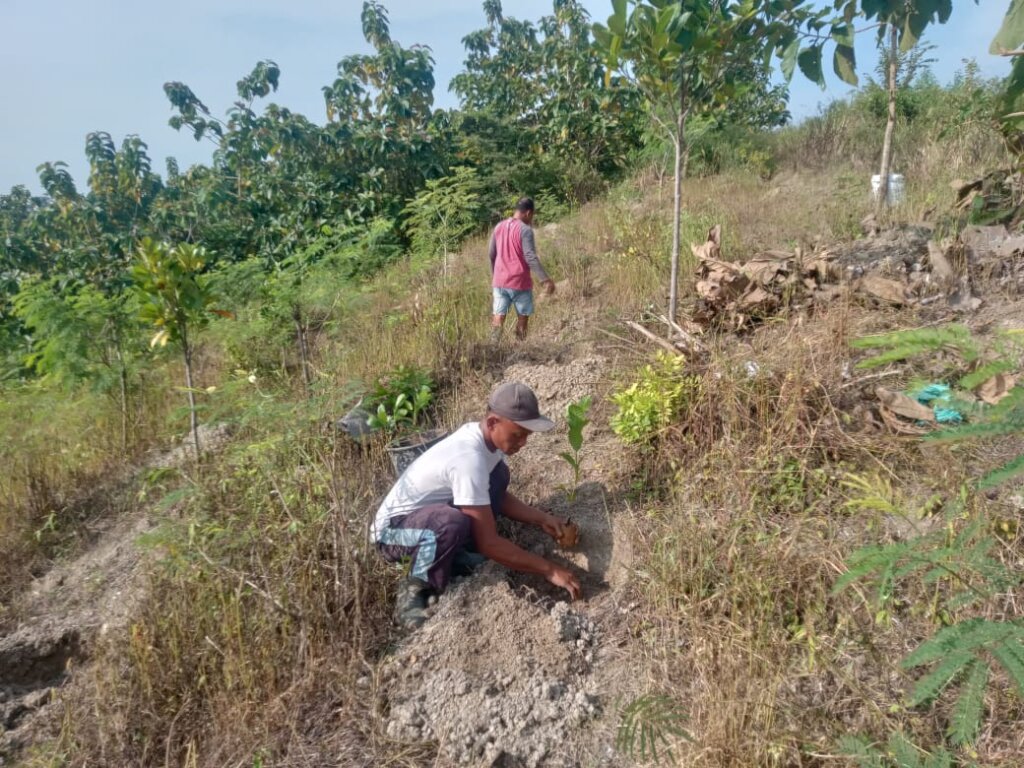
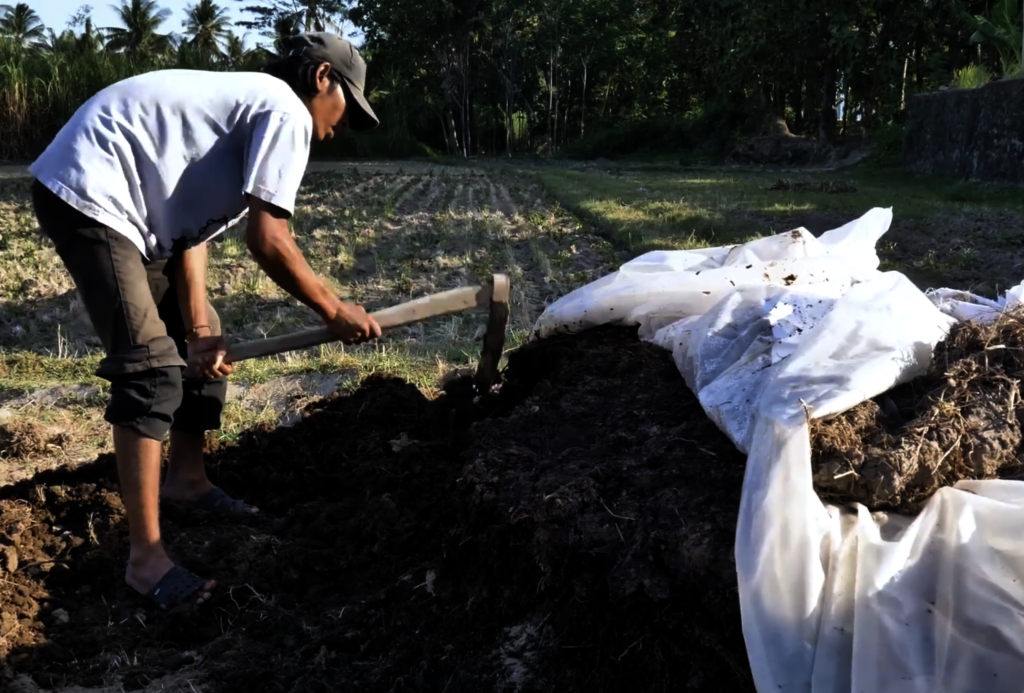
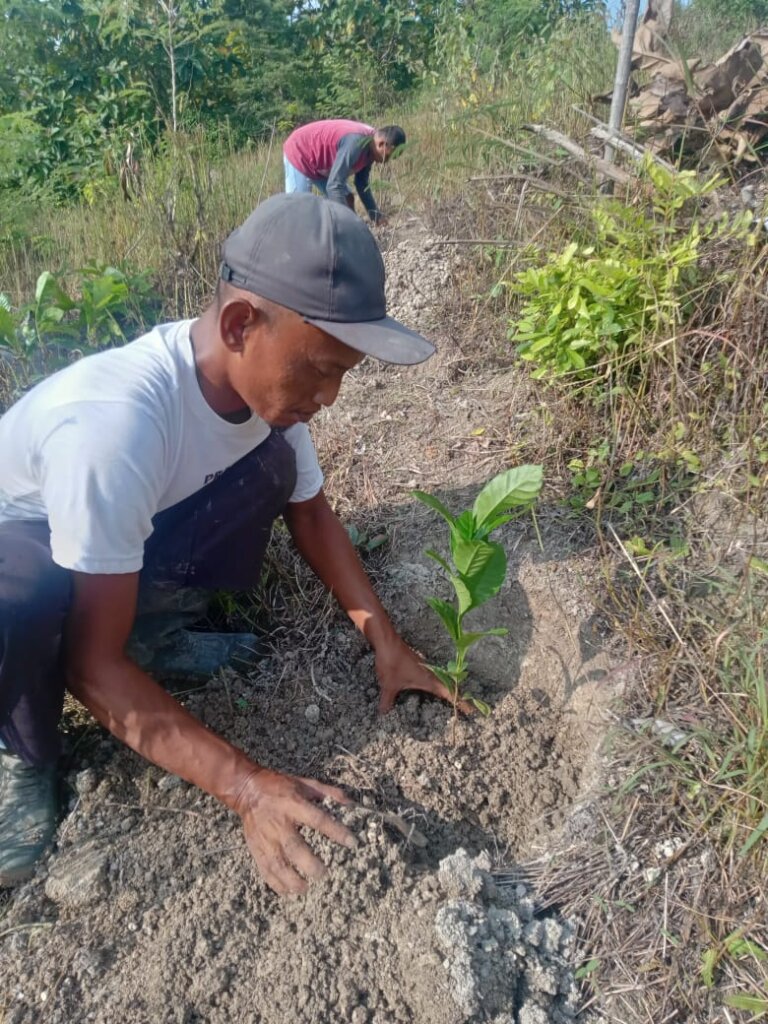
The project is designed to develop 25-hectare agroforestry demonstration plot (demplot) as a learning and replication model for surrounding communities. This approach emphasizes that conservation and livelihoods must go hand in hand. Seedlings will be distributed to local farmers, who will be directly involved in land preparation, planting, and maintenance. Beyond ecological restoration—such as improving soil structure, enhancing water retention, and increasing biodiversity—the project also creates green jobs and supports local income generation through sustainable land use practices.
The primary focus of this micro project is the development of an agroforestry model in Bantul, Yogyakarta, where forest-edge communities face increasing environmental and economic pressures. The 25-hectare demplot will integrate timber species, fruit crops, and short-term agricultural commodities within a multi-layered agroforestry system. This model will serve as a practical example for farmers, demonstrating how production and conservation can coexist. By providing both immediate and long-term economic benefits, the initiative aims to reduce dependence on monoculture systems and gradually decrease pressure on surrounding forest areas.
Focus Area: Bantul, Yogyakarta
The micro project focuses on developing an agroforestry model in Bantul, integrating timber trees, fruit crops, and short-term agricultural commodities. This model serves as a practical pathway for:
We invite you to be part of this effort. By supporting this micro project, you contribute directly to seedling production, conservation area restoration, and the development of a scalable agroforestry model. Each contribution helps build a more resilient landscape—where forests are protected, communities are empowered, and sustainable development becomes achievable.
By Nur Abdullah | Project Staff
By Nur Abdullah | Project Staff
Project reports on GlobalGiving are posted directly to globalgiving.org by Project Leaders as they are completed, generally every 3-4 months. To protect the integrity of these documents, GlobalGiving does not alter them; therefore you may find some language or formatting issues.
If you donate to this project or have donated to this project, you can receive an email when this project posts a report. You can also subscribe for reports without donating.



Support this important cause by creating a personalized fundraising page.
Start a Fundraiser