By Nur Abdullah | Project Staff
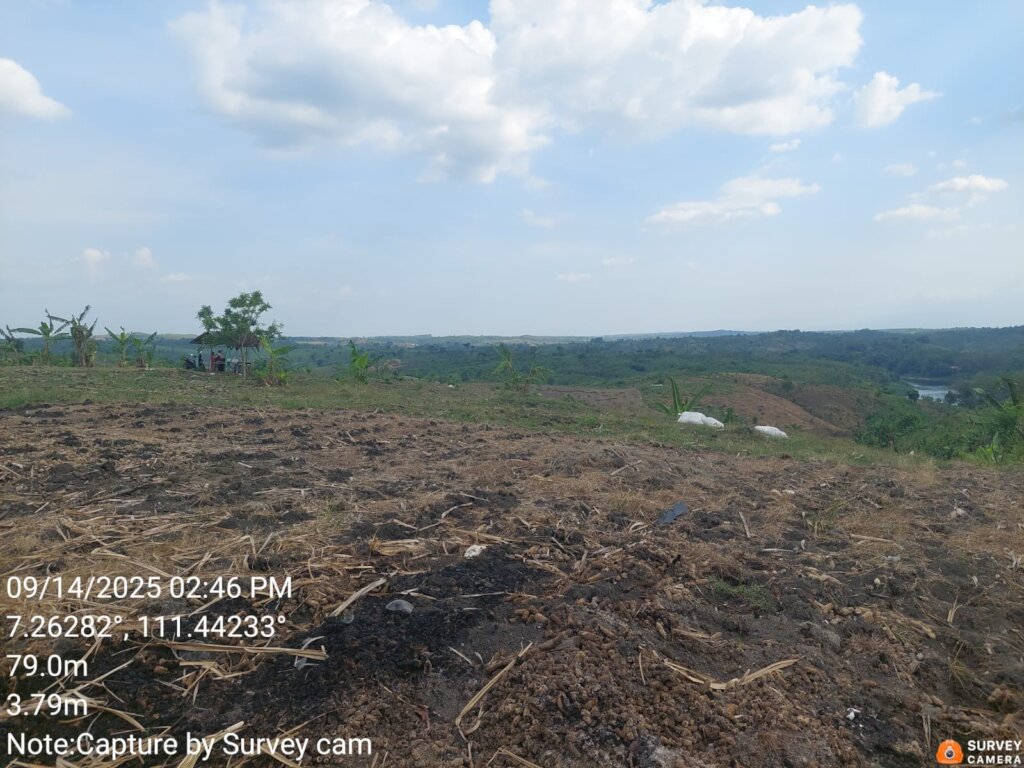
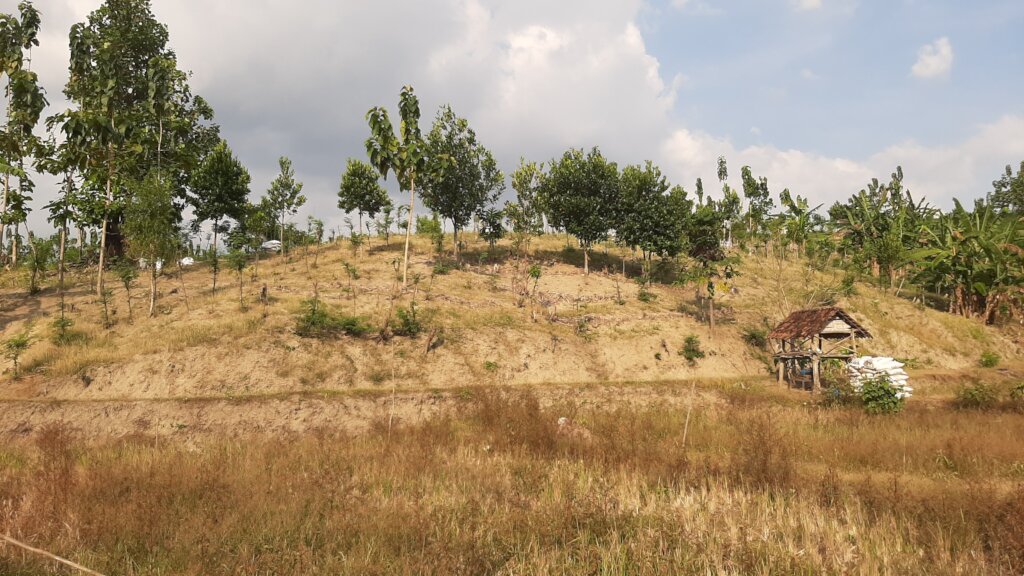
Across many forest landscapes in Java, increasing pressure on land has driven the expansion of seasonal monoculture farming, such as corn and other short-cycle crops. While these systems provide quick returns, they often come at a high ecological cost. Over time, monoculture cultivation can reduce soil fertility, increase erosion, accelerate land degradation, and diminish tree cover.
When forest areas are dominated by seasonal crops without protective tree layers, the risks of landslides, flooding, and drought intensify. This cycle not only damages ecosystem functions but also makes farmers more vulnerable to market price volatility and climate uncertainty.
Agroforestry as a Sustainable Alternative
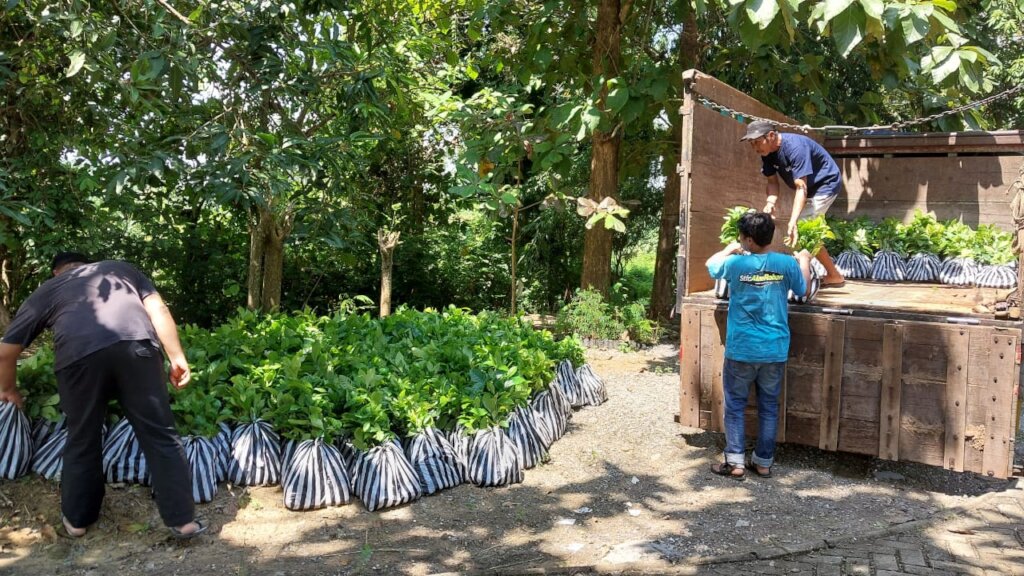
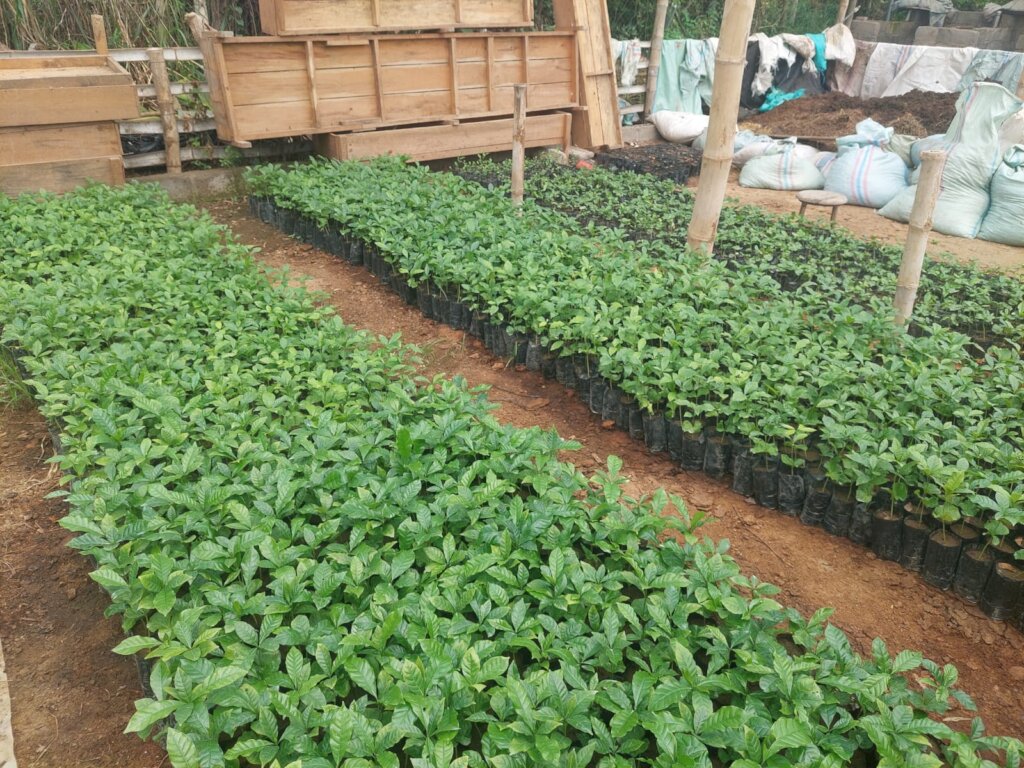
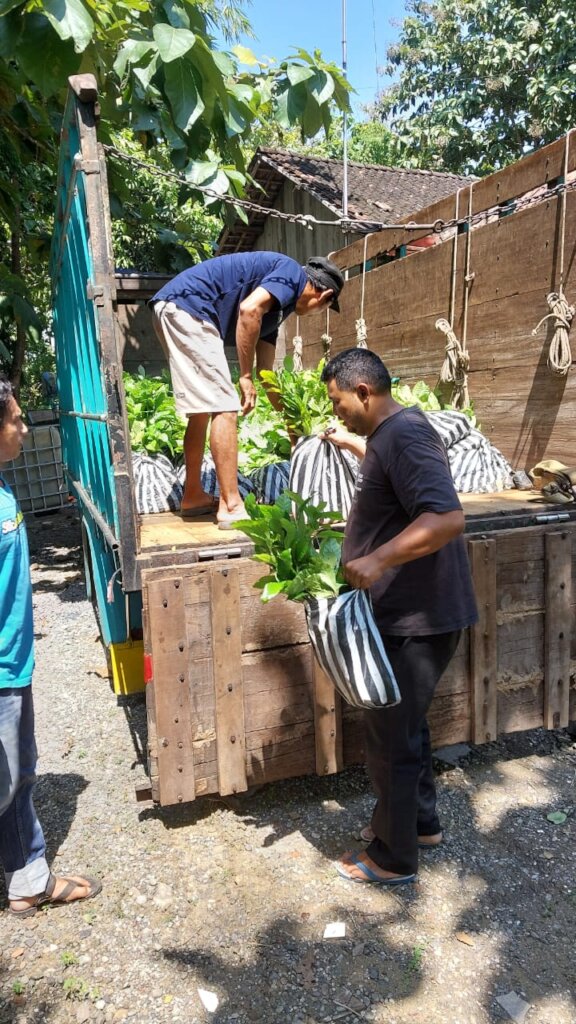
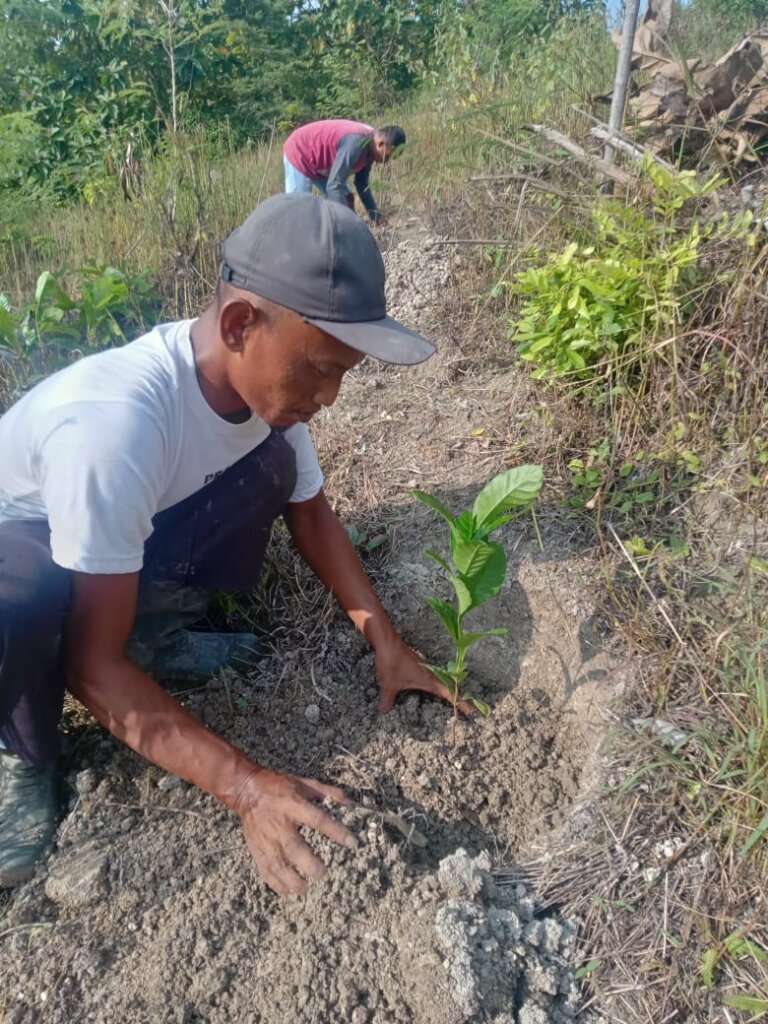
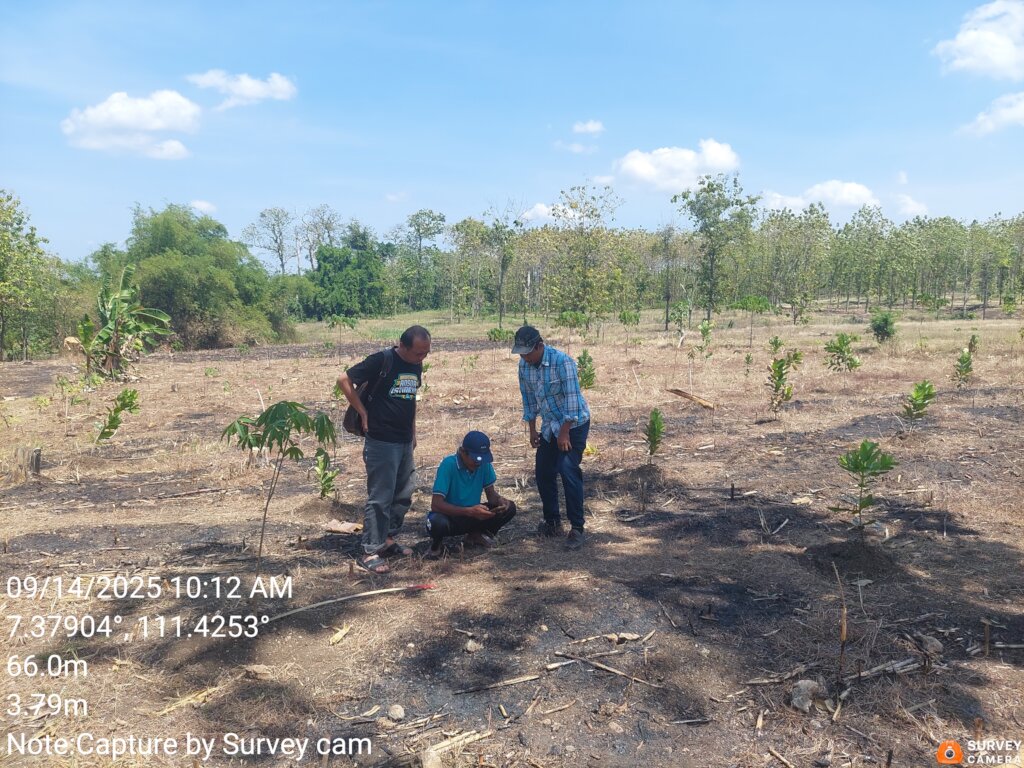
Agroforestry offers a strategic and long-term solution to counter the expansion of seasonal monoculture systems in forest areas. By integrating forestry trees, productive crops (such as coffee or spices), and even community livestock within a single land-use system, agroforestry creates landscapes that are both ecologically stable and economically resilient.
Key advantages of agroforestry over seasonal monoculture include:
Maintaining tree cover and preventing land degradation
Improving water absorption and reducing soil erosion
Enhancing soil structure and long-term fertility
Diversifying income sources across short-, medium-, and long-term cycles
Strengthening resilience to climate change
Rather than pursuing short-term gains that may undermine sustainability, agroforestry promotes layered and regenerative productivity.
Transforming Landscapes and Livelihoods
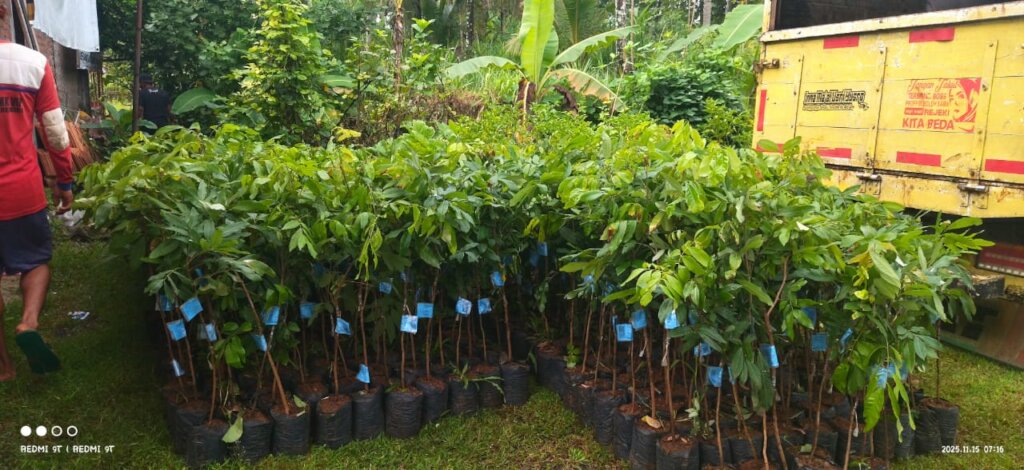
Through agroforestry, land previously used for seasonal monoculture can transition into multi-layered production systems that resemble natural forest ecosystems. Coffee can be grown under shade trees, spices and fruit crops provide additional value, and conservation species protect ecological functions.
Importantly, agroforestry also reduces economic pressures that drive forest encroachment. When farmers have stable and diversified income streams, the need to expand cultivation into forest areas declines.
Countering seasonal monoculture does not mean rejecting productivity.
It means building production systems that are both profitable and sustainable.
Through agroforestry, forests remain standing, soils remain fertile, and communities remain resilient.
Project reports on GlobalGiving are posted directly to globalgiving.org by Project Leaders as they are completed, generally every 3-4 months. To protect the integrity of these documents, GlobalGiving does not alter them; therefore you may find some language or formatting issues.
If you donate to this project or have donated to this project, you can receive an email when this project posts a report. You can also subscribe for reports without donating.



Support this important cause by creating a personalized fundraising page.
Start a Fundraiser