By mufid | Project Staff
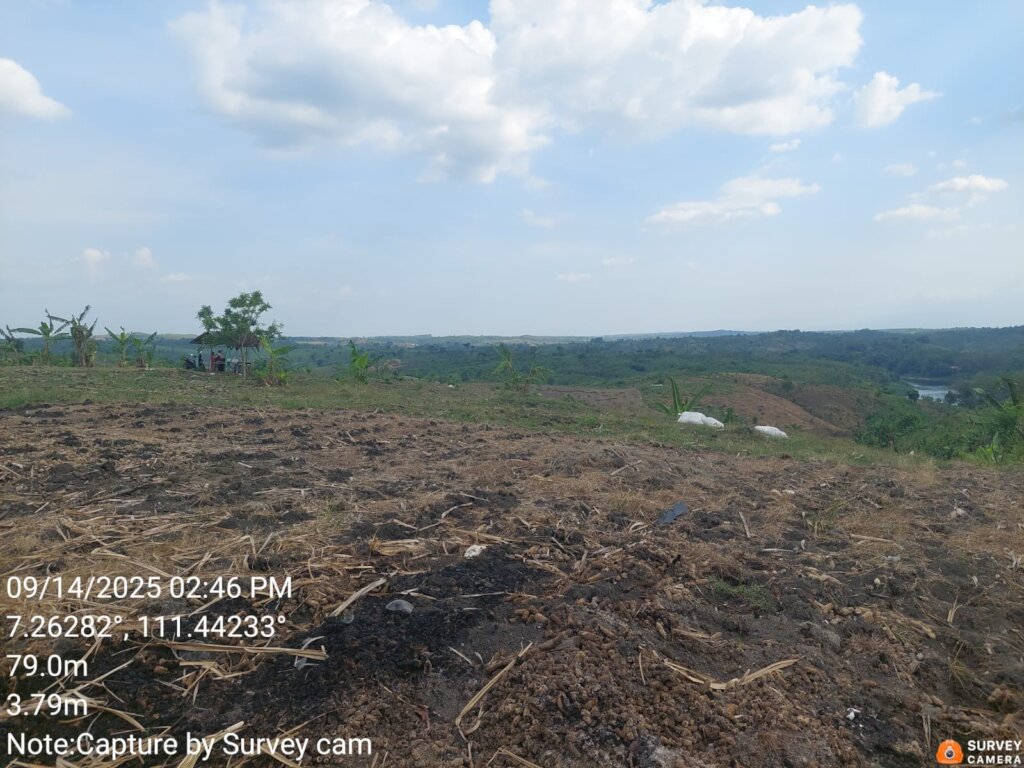
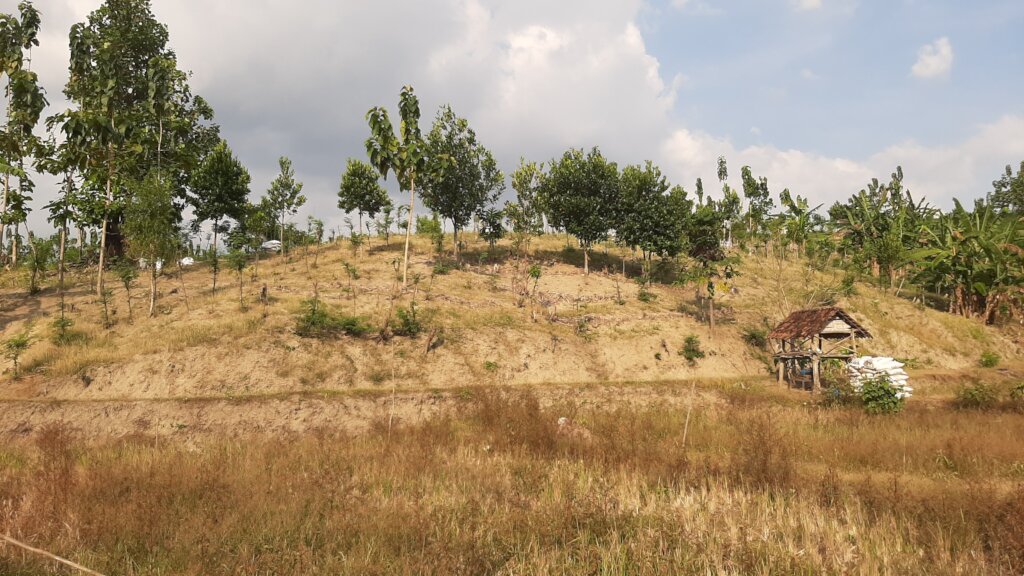
Java is one of the most densely populated islands in the world, and its forest landscapes face significant pressure from agricultural expansion, land degradation, and growing economic demands. Unlike regions that still retain large areas of primary forest, much of Java’s forest land overlaps with production zones and community farming activities. In this context, agroforestry offers a practical and adaptive solution to restore ecological functions while strengthening rural livelihoods.
Why Agroforestry in Java?
Conservation strategies that ignore local economic realities are often difficult to sustain. Forest-edge communities depend on land-based income, and without viable alternatives, pressure on forest areas can intensify.
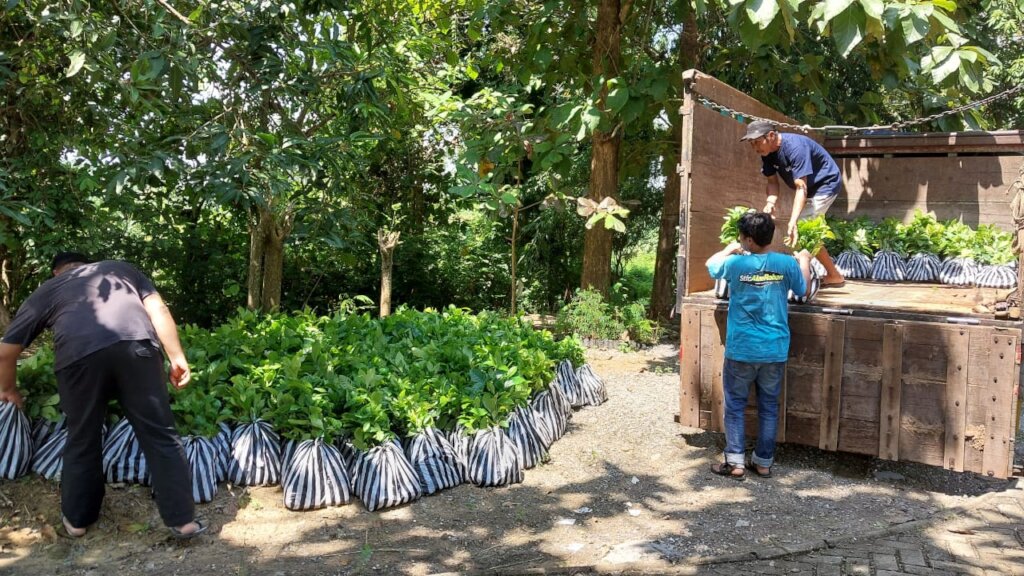
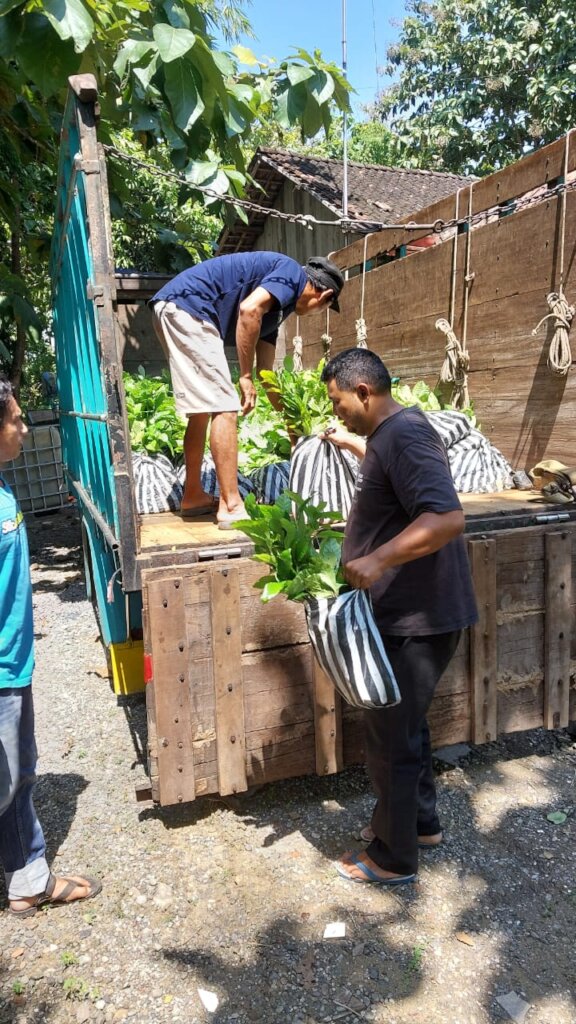
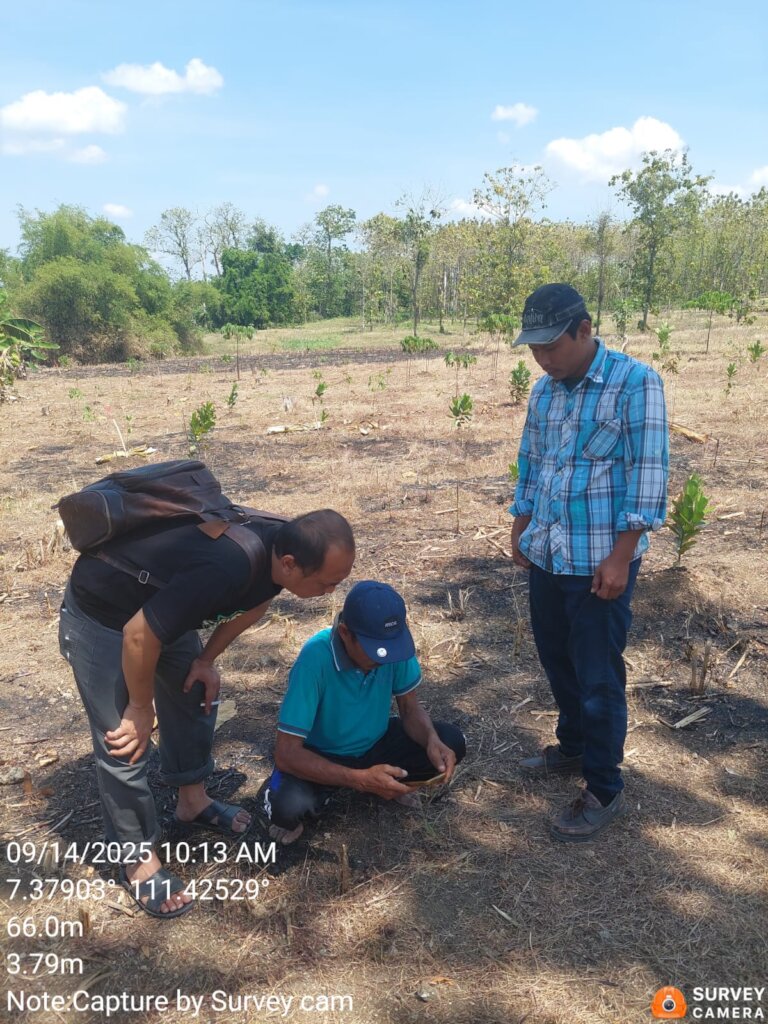
Agroforestry provides a balanced approach by integrating forestry trees, agricultural crops such as coffee and spices, and community livestock systems within a single landscape. The multi-layered planting structure mimics natural forest ecosystems, helping to improve soil fertility, increase water retention, reduce erosion, and lower landslide risks—common challenges in Java’s terrain.
Development Model
Agroforestry development in Java can include:
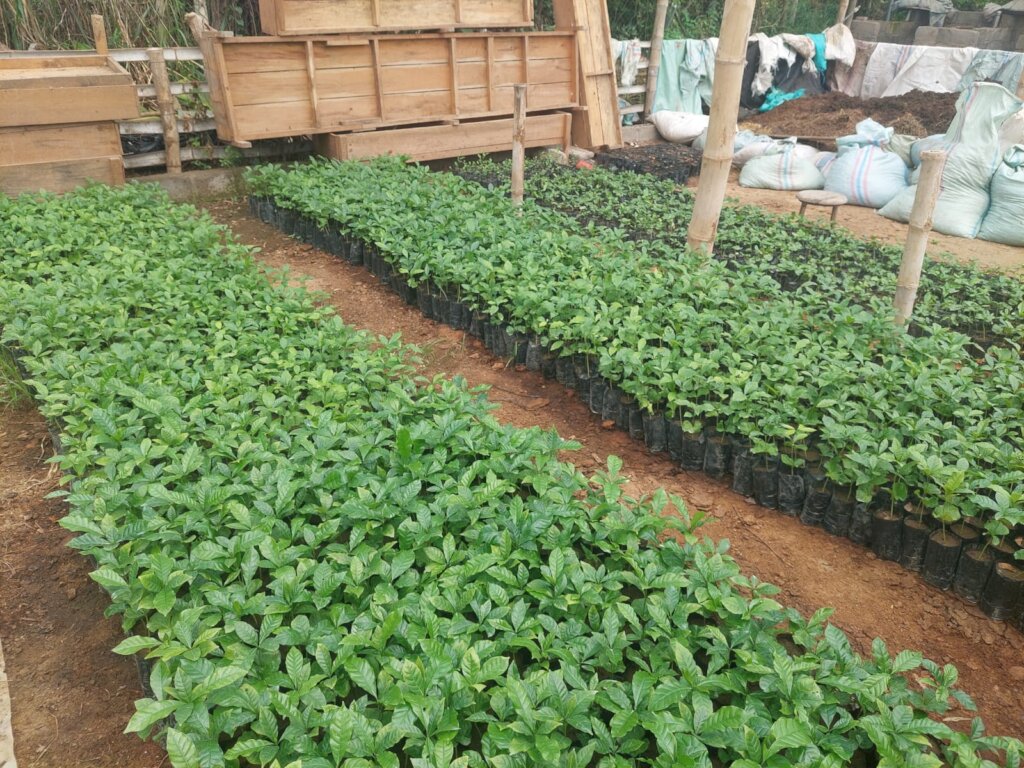
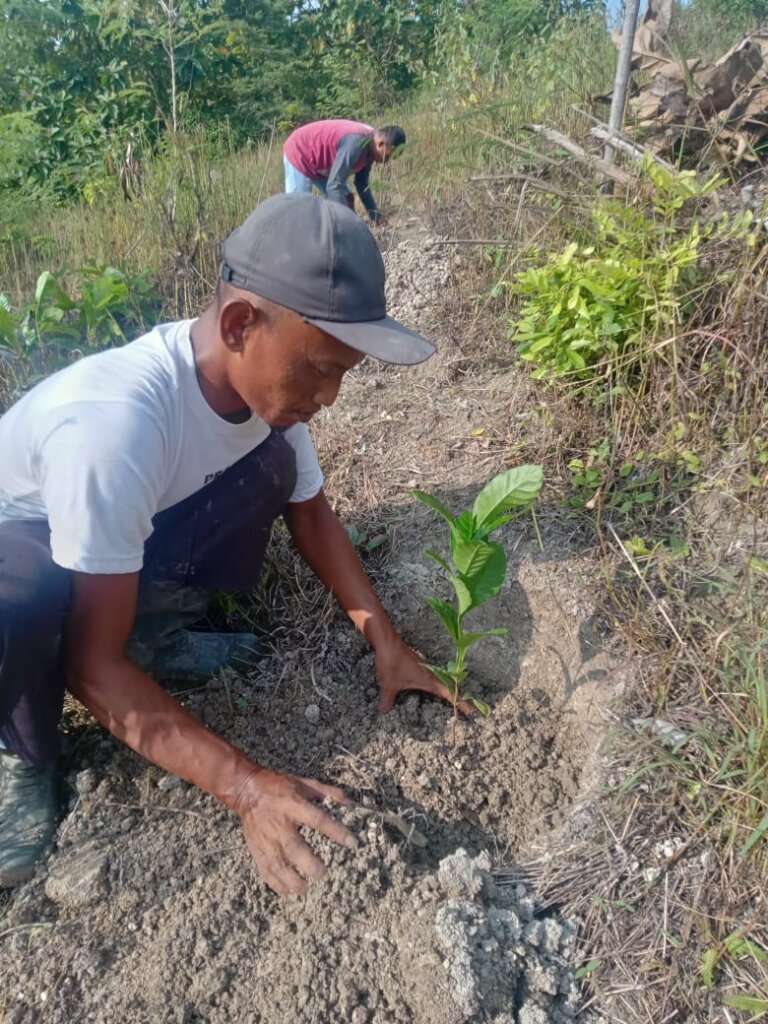
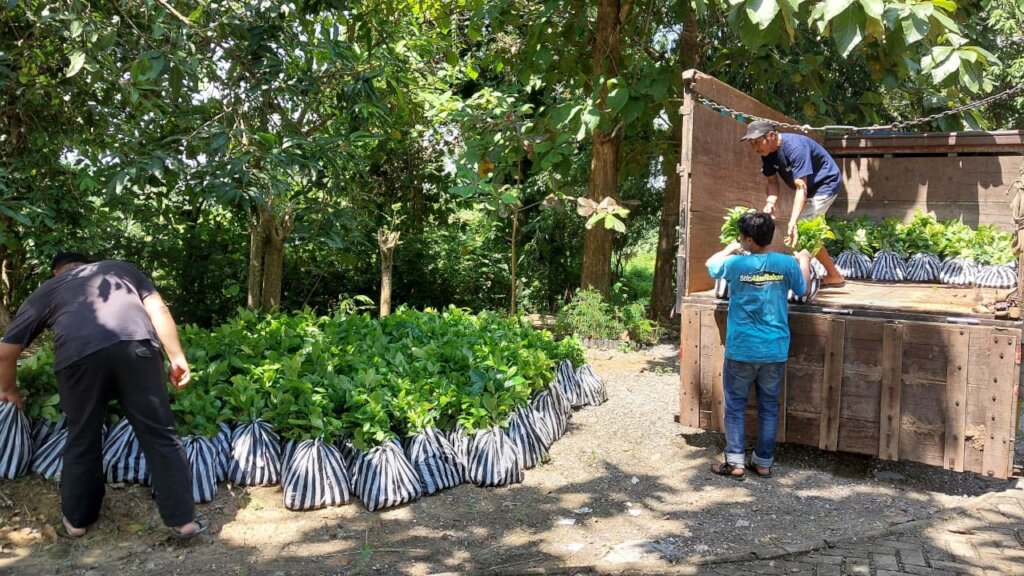
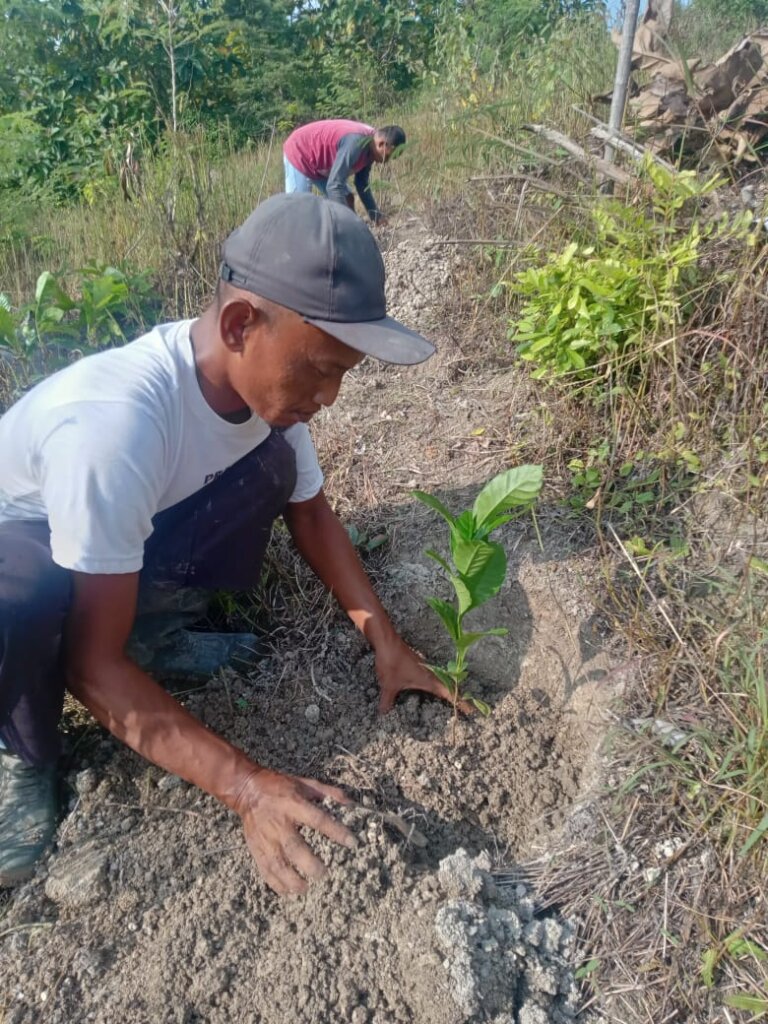
Agrisilviculture systems, such as Liberica coffee grown under shade trees
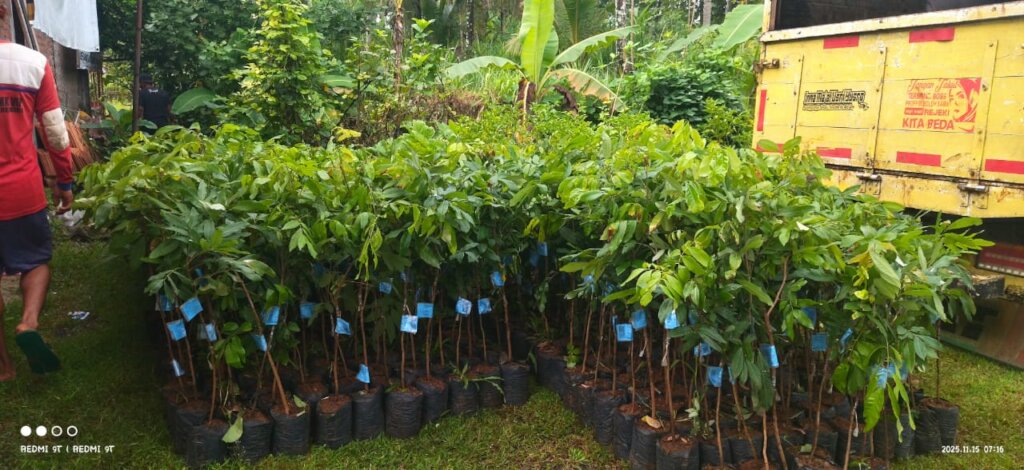
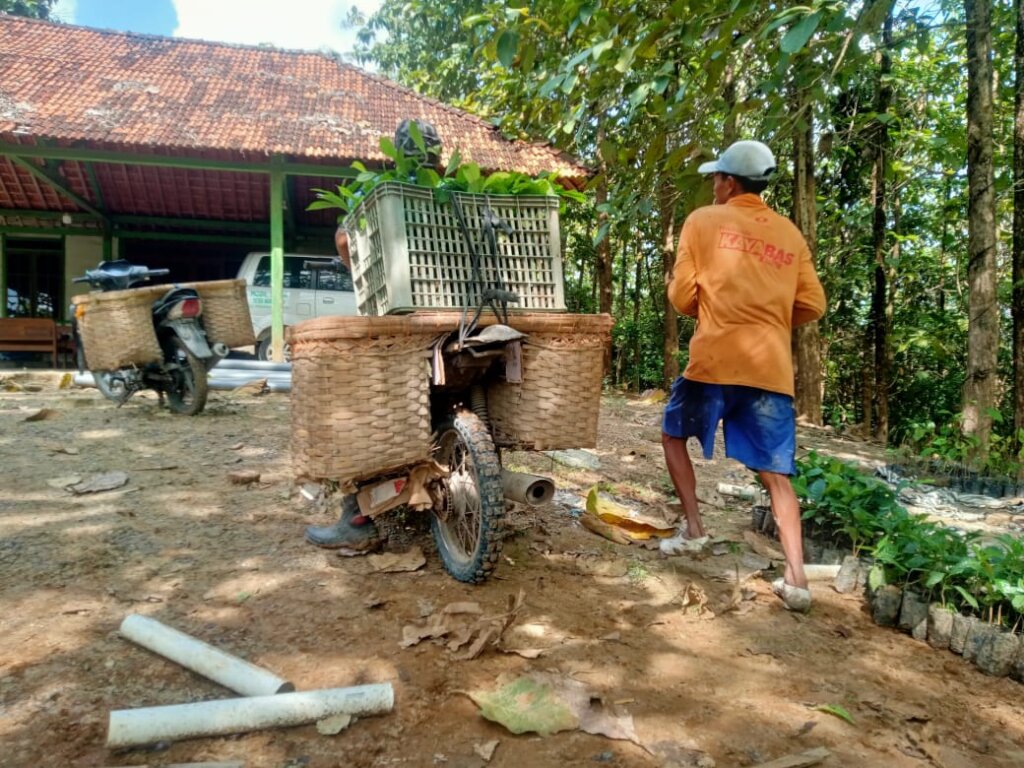
Planting of Multi-Purpose Tree Species (MPTS), including fruit and timber trees with economic value
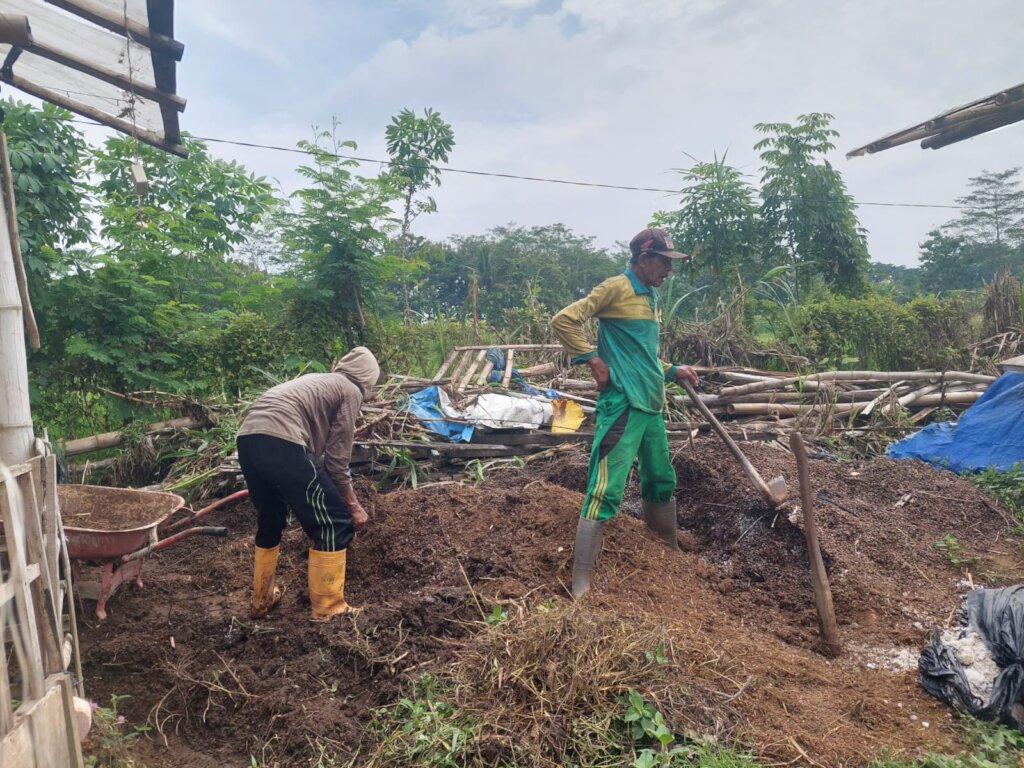
Integration of sheep farming to strengthen household income and produce organic fertilizer
Establishment of dedicated conservation zones separate from productive agroforestry areas
This spatial and functional balance ensures that economic production and ecosystem protection coexist sustainably.
Long-Term Impact
By building agroforestry systems, Java’s forest landscapes can recover ecologically while communities become more economically resilient. Farmers benefit from diversified income streams, reduced production costs through organic fertilizer use, and improved land productivity. At the same time, increased tree cover enhances biodiversity, carbon sequestration, and watershed protection.
Agroforestry transforms communities from passive forest users into active landscape stewards. When livelihoods depend on sustainable land management, forest protection becomes a shared responsibility rather than an external obligation.
Building agroforestry for Java’s forests means building a greener, more resilient, and more equitable future.
Project reports on GlobalGiving are posted directly to globalgiving.org by Project Leaders as they are completed, generally every 3-4 months. To protect the integrity of these documents, GlobalGiving does not alter them; therefore you may find some language or formatting issues.
If you donate to this project or have donated to this project, you can receive an email when this project posts a report. You can also subscribe for reports without donating.



Support this important cause by creating a personalized fundraising page.
Start a Fundraiser