By muf | Project Facilitator
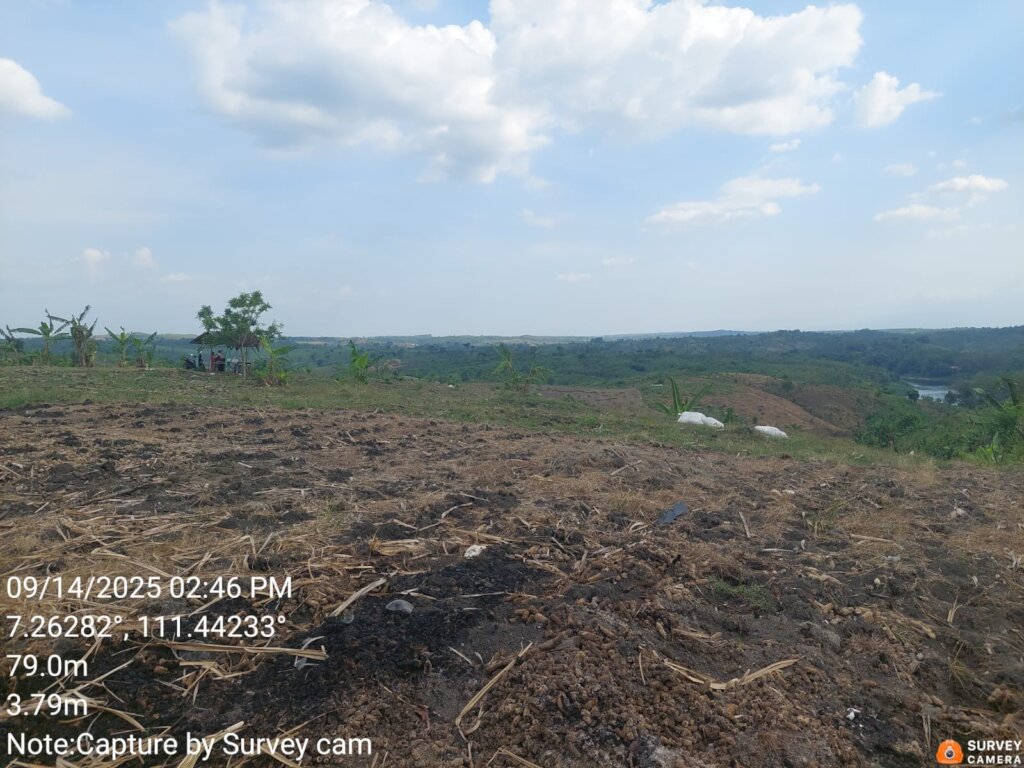
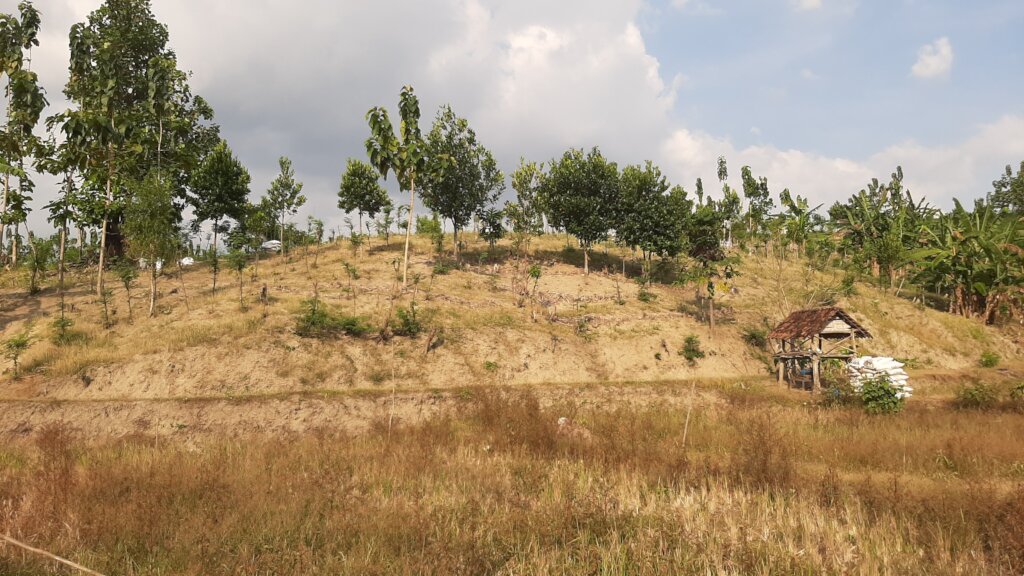
Java’s forests are under immense pressure from land degradation, seasonal monoculture expansion, and economic vulnerability in forest-edge villages. In response, nature-based solutions are being implemented in Blora (Central Java) and Ngawi (East Java)—grounded not only in ecological restoration, but in community empowerment.
These initiatives recognize that forest recovery must be rooted in sustainable livelihoods.
1 Liberica Coffee Agroforestry
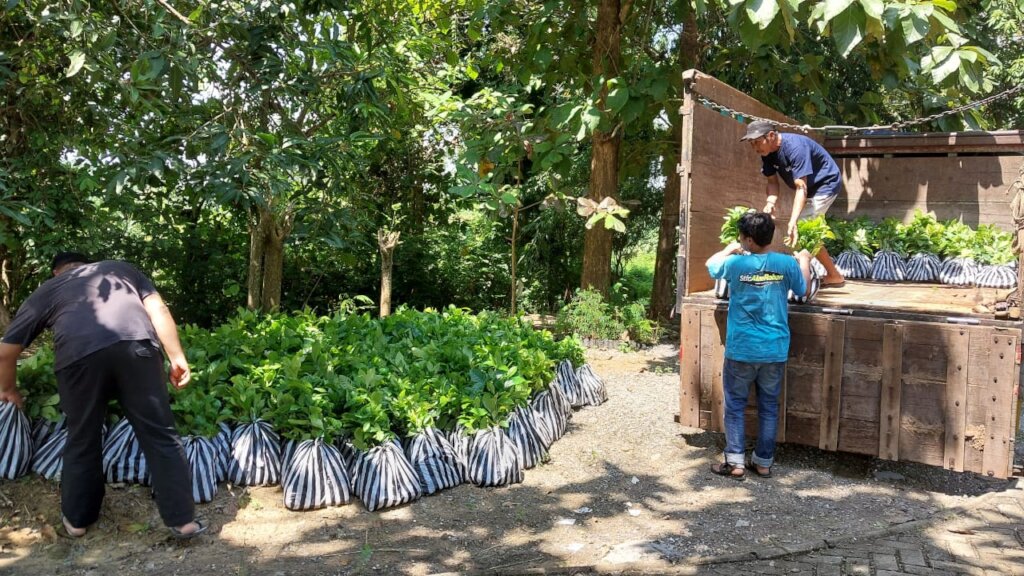
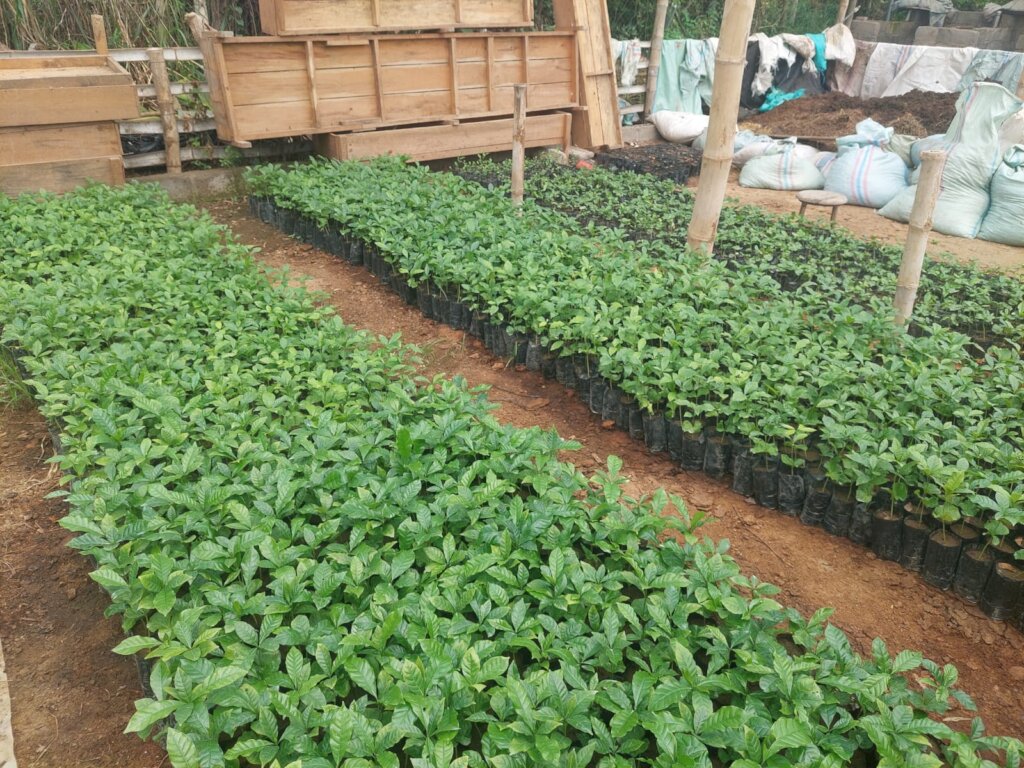
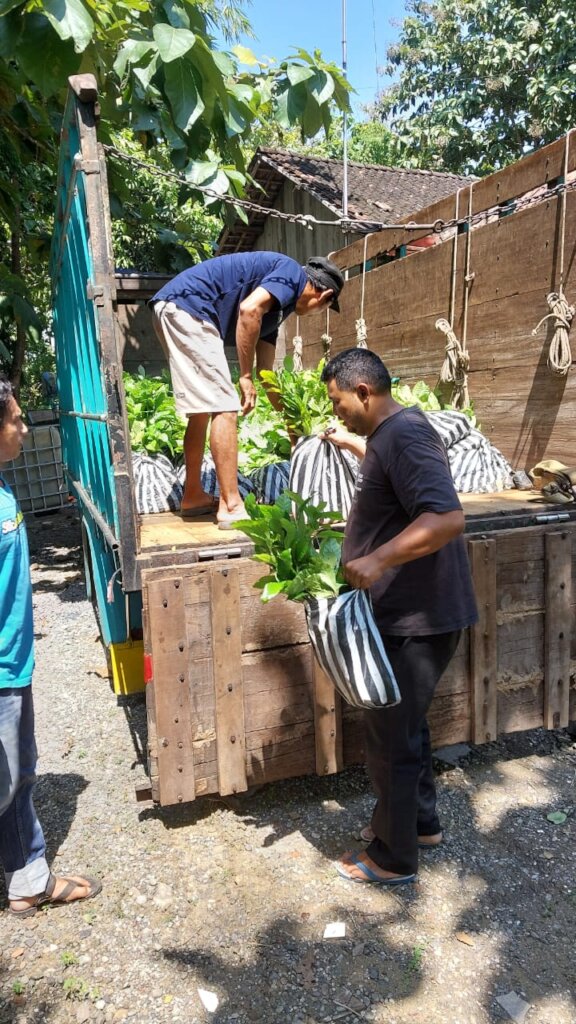
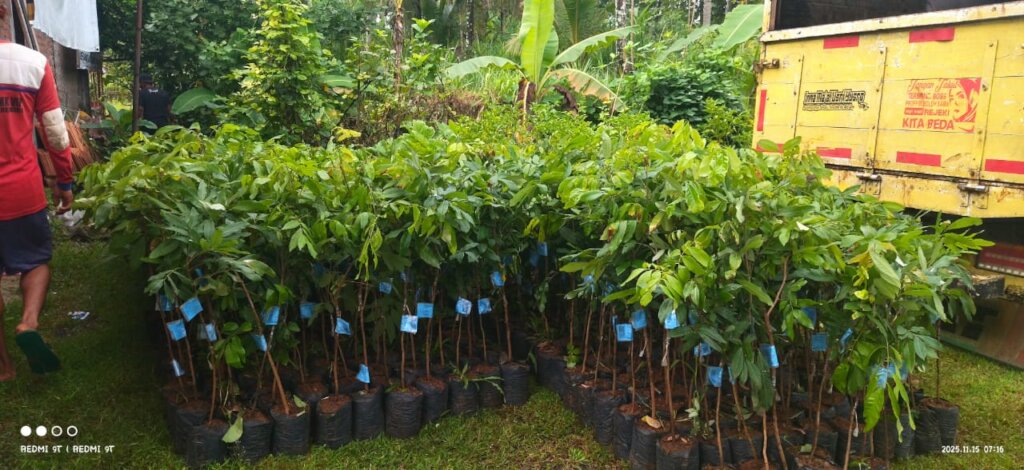
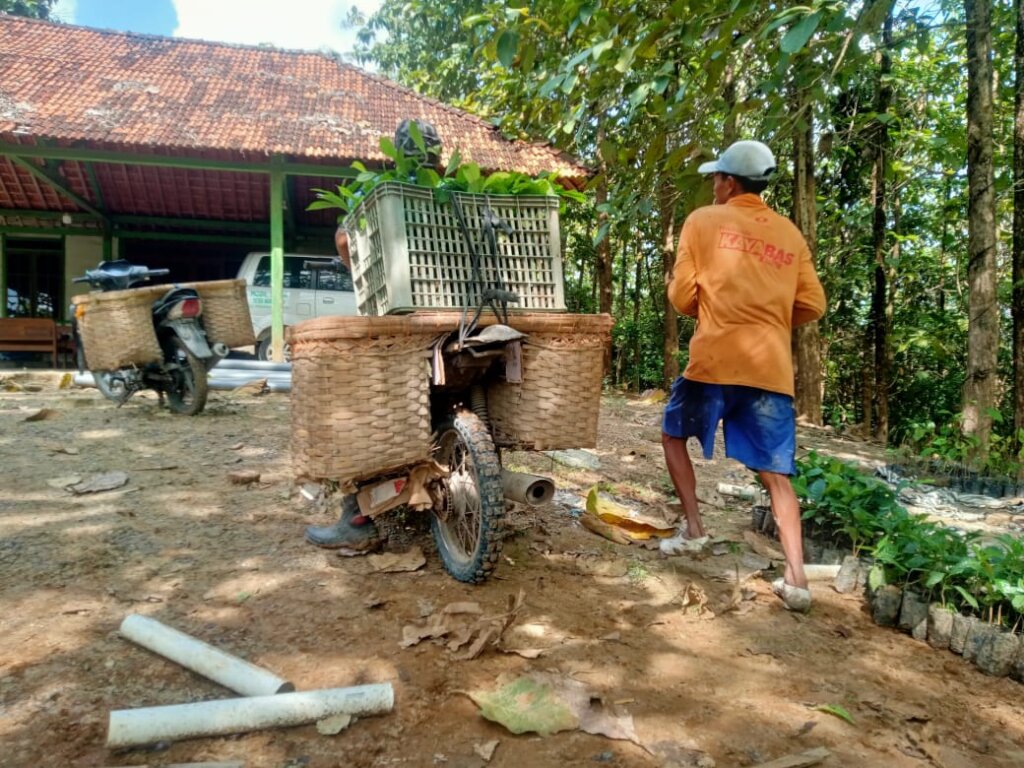
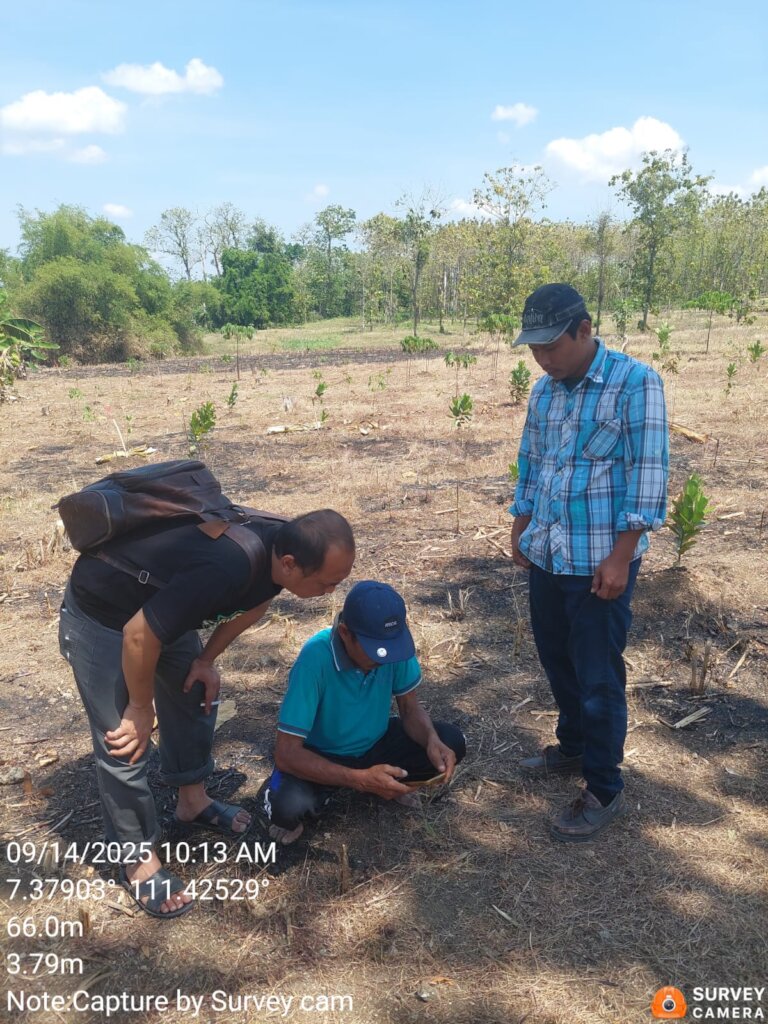
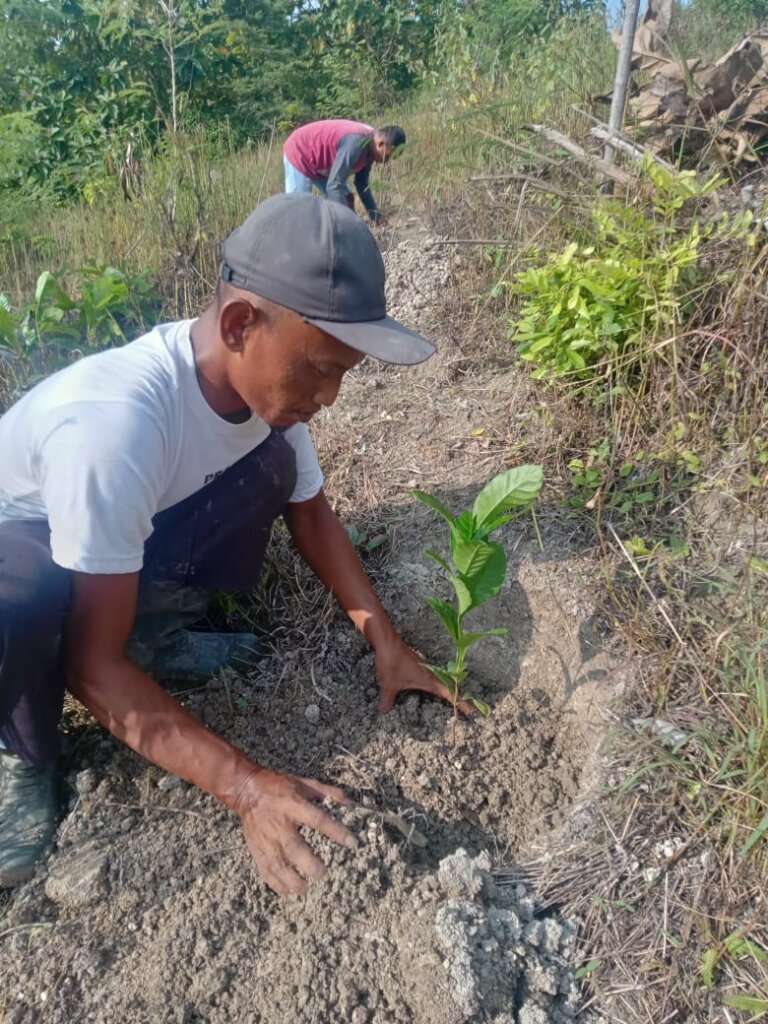
In both Blora and Ngawi, degraded and vulnerable lands are being transitioned into Liberica coffee agroforestry systems. Coffee is planted under protective shade trees and integrated with Multi-Purpose Tree Species (MPTS) such as fruit and timber trees.
This approach:
Restores tree cover on cultivated land
Reduces soil erosion and surface runoff
Improves water infiltration and soil structure
Enhances climate resilience
Provides diversified income for farmers
Instead of clearing land for seasonal monoculture crops, farmers now cultivate layered systems that resemble natural forest ecosystems.
2 Circular Livestock Integration
Each target village group received 80 sheep as part of an economic strengthening strategy. Livestock integration plays a key role in the circular conservation model:
Sheep provide stable supplementary income
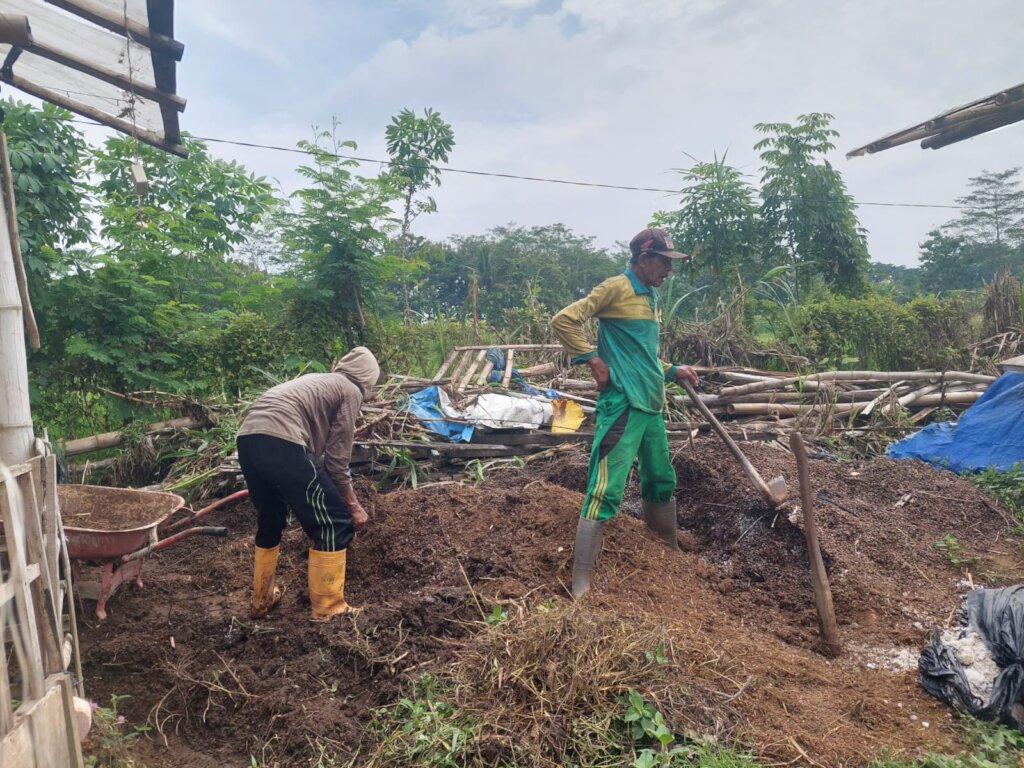
Manure is processed into organic fertilizer
Organic fertilizer improves agroforestry productivity
Reduced chemical inputs lower environmental impact
By strengthening local economic resilience, communities face less pressure to expand agricultural activities into forest areas.
3 Dedicated Conservation Zones
Beyond productive agroforestry areas, separate non-agroforestry conservation zones are being established. These areas focus on:
Biodiversity protection
Watershed conservation
Natural forest regeneration
This spatial planning ensures a balanced landscape—where production and protection coexist.
4 Participatory Governance and Institutional Strengthening
The conservation model is reinforced through participatory village planning and institutional strengthening, implemented in collaboration with the Faculty of Social and Political Sciences, Universitas Gadjah Mada.
Communities are supported in:
Mapping village authority and forest governance roles
Conducting asset and welfare assessments
Integrating conservation into village-level policies
This ensures that forest protection is embedded within local governance systems, not imposed externally.
Transforming Crisis into Regeneration
The initiatives in Blora and Ngawi demonstrate that nature-based solutions are not limited to tree planting. They represent integrated landscape transformation—combining ecological restoration, economic resilience, and community leadership.
From degraded land to living forests, these districts are building a scalable model for forest recovery in Java—where conservation is sustained because communities have both the capacity and the incentive to protect their landscapes.
Restore ecosystems.
Strengthen livelihoods.
Secure Java’s forest future.
By Nur Abdullah | Project Staff
By mufid | Project Staff
Project reports on GlobalGiving are posted directly to globalgiving.org by Project Leaders as they are completed, generally every 3-4 months. To protect the integrity of these documents, GlobalGiving does not alter them; therefore you may find some language or formatting issues.
If you donate to this project or have donated to this project, you can receive an email when this project posts a report. You can also subscribe for reports without donating.



Support this important cause by creating a personalized fundraising page.
Start a Fundraiser