By munir | Project Staff
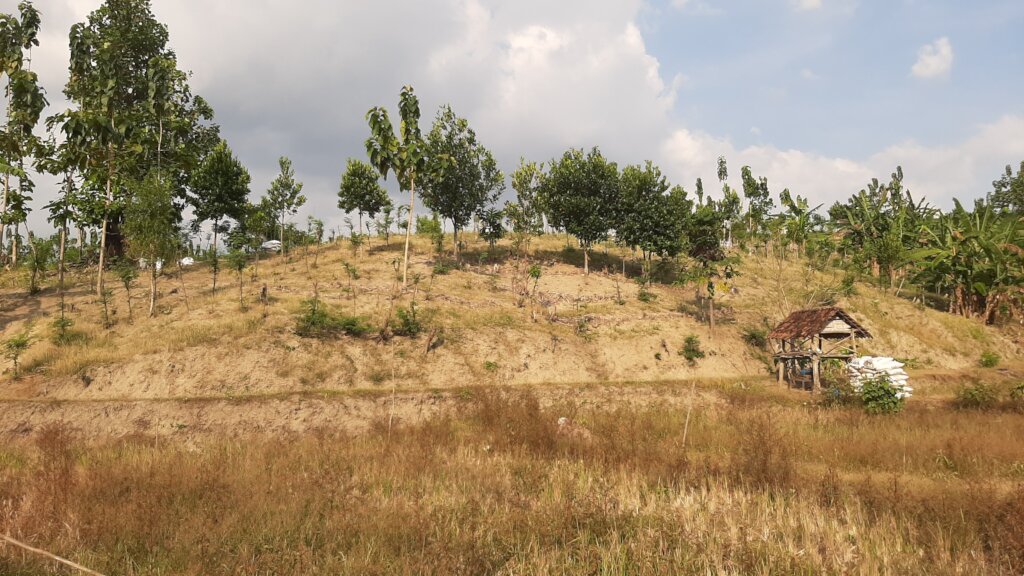
Indonesia’s forests are among the richest ecosystems in the world—yet many have been degraded by unsustainable land use, economic pressure, and limited livelihood alternatives. When forests decline, communities suffer. Water sources diminish, soil fertility weakens, and household incomes become unstable. Forest loss is not only an environmental crisis—it is a social and economic one.
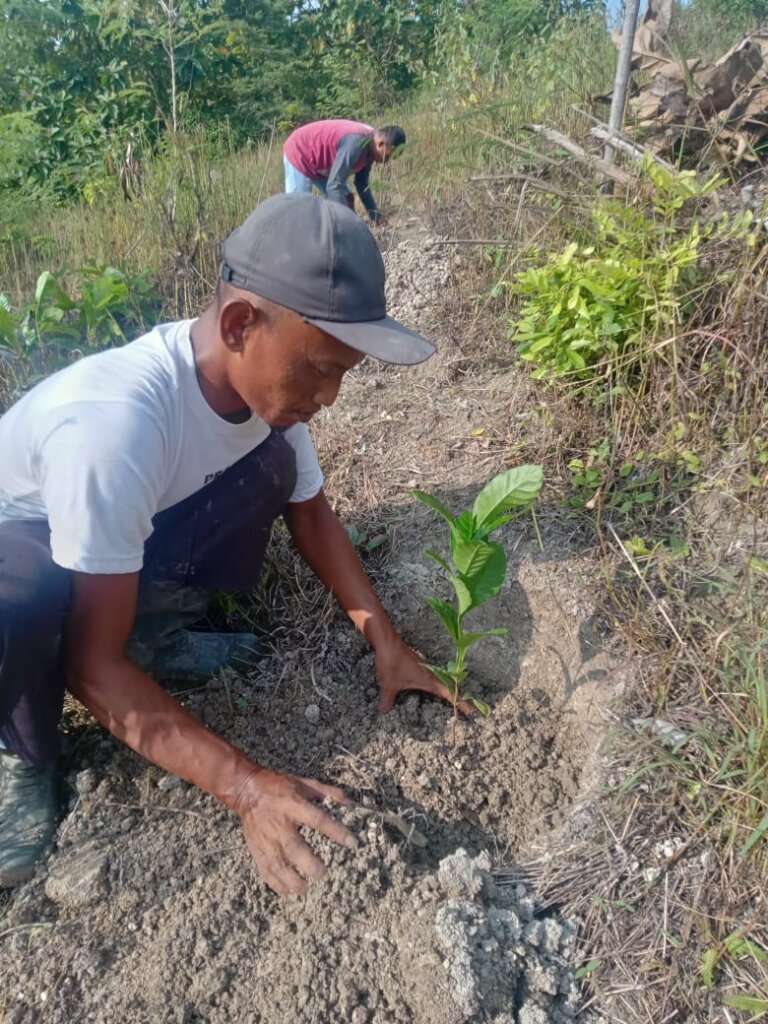
Restoring Indonesia’s forests therefore requires more than planting trees. It requires empowering the people who live closest to the land.
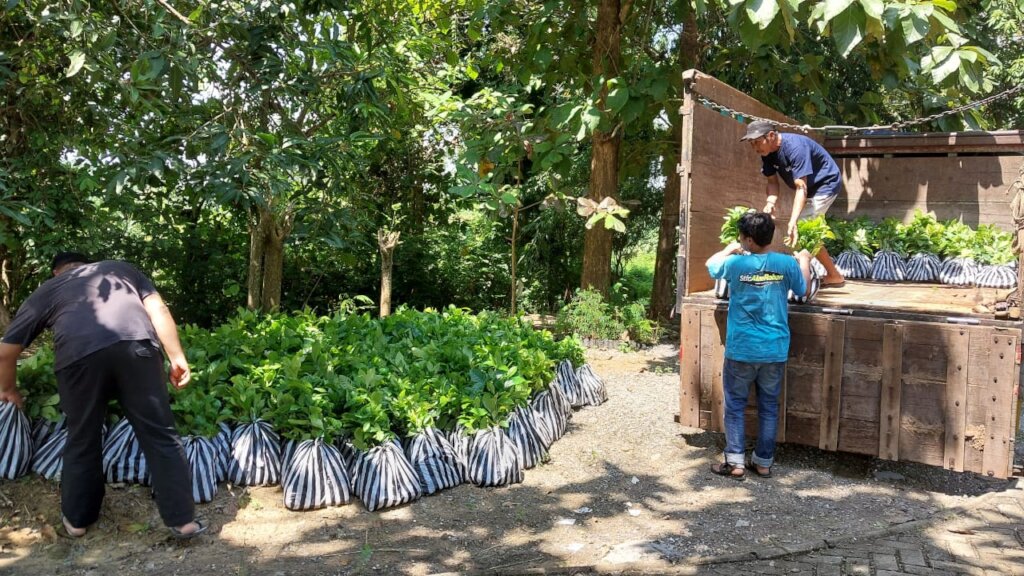
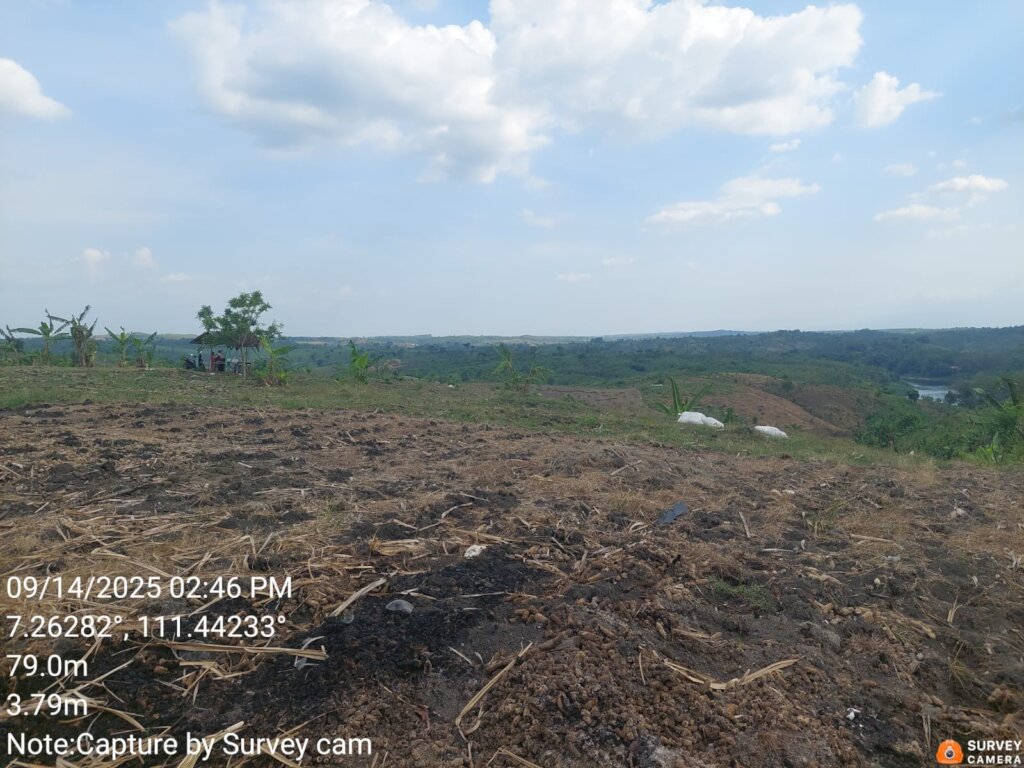
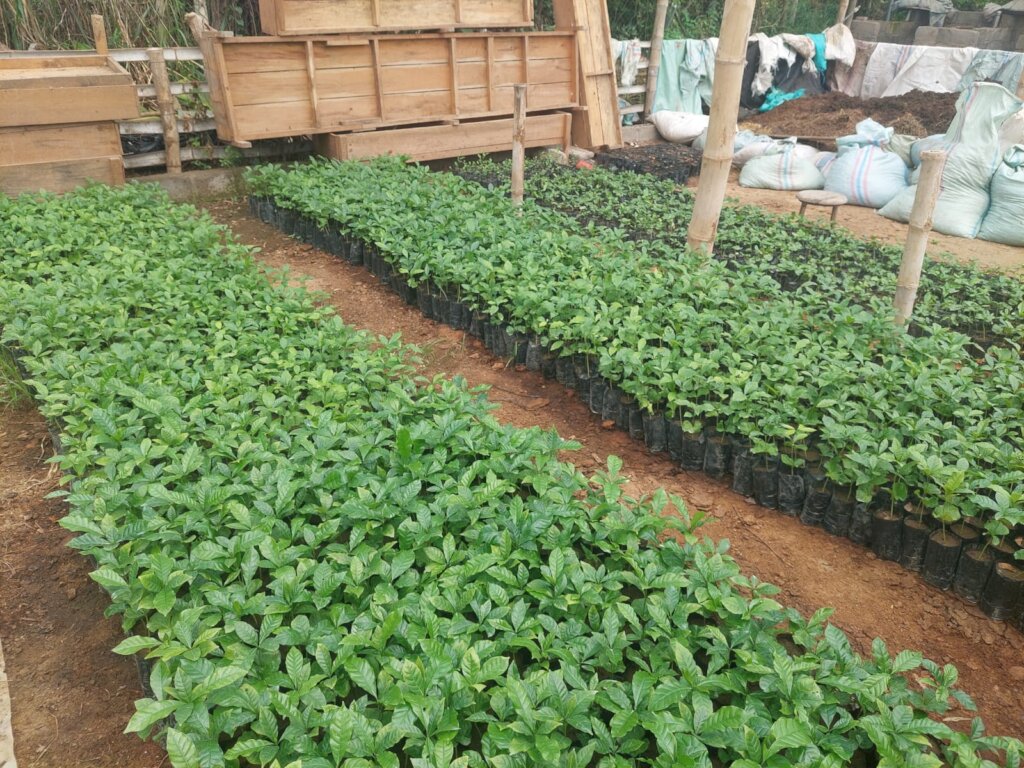
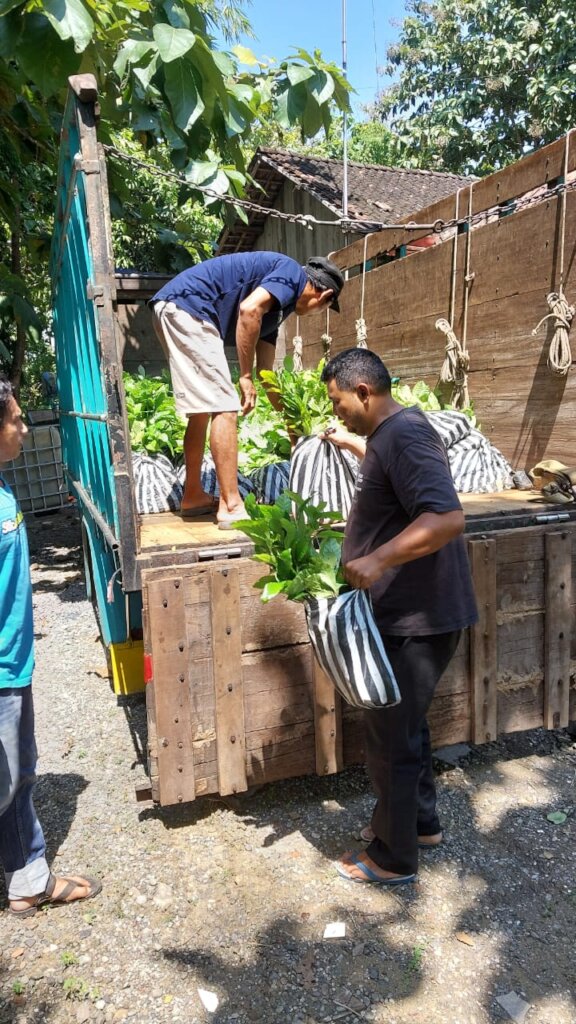
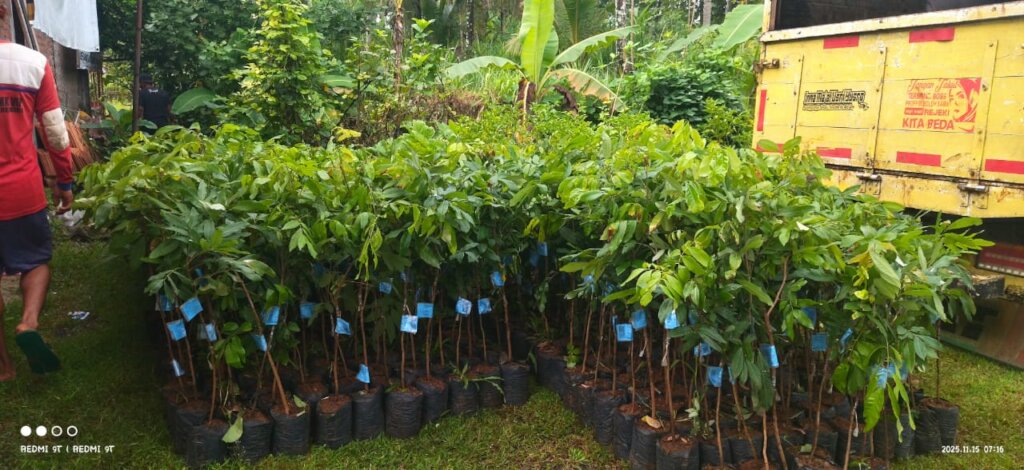
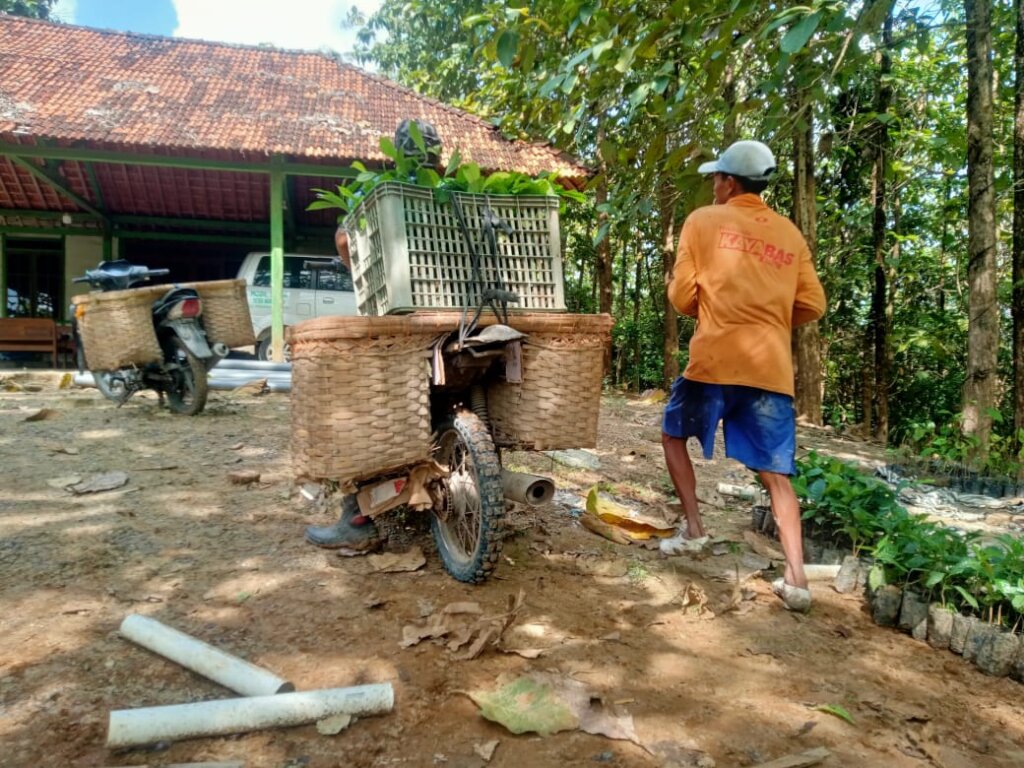
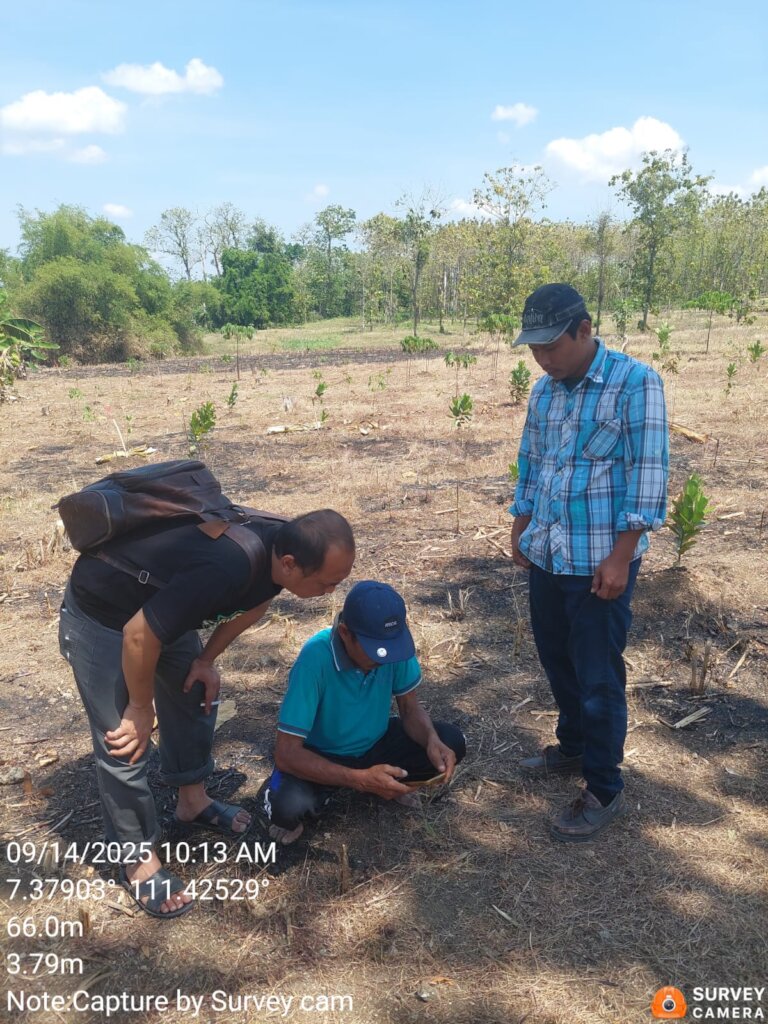
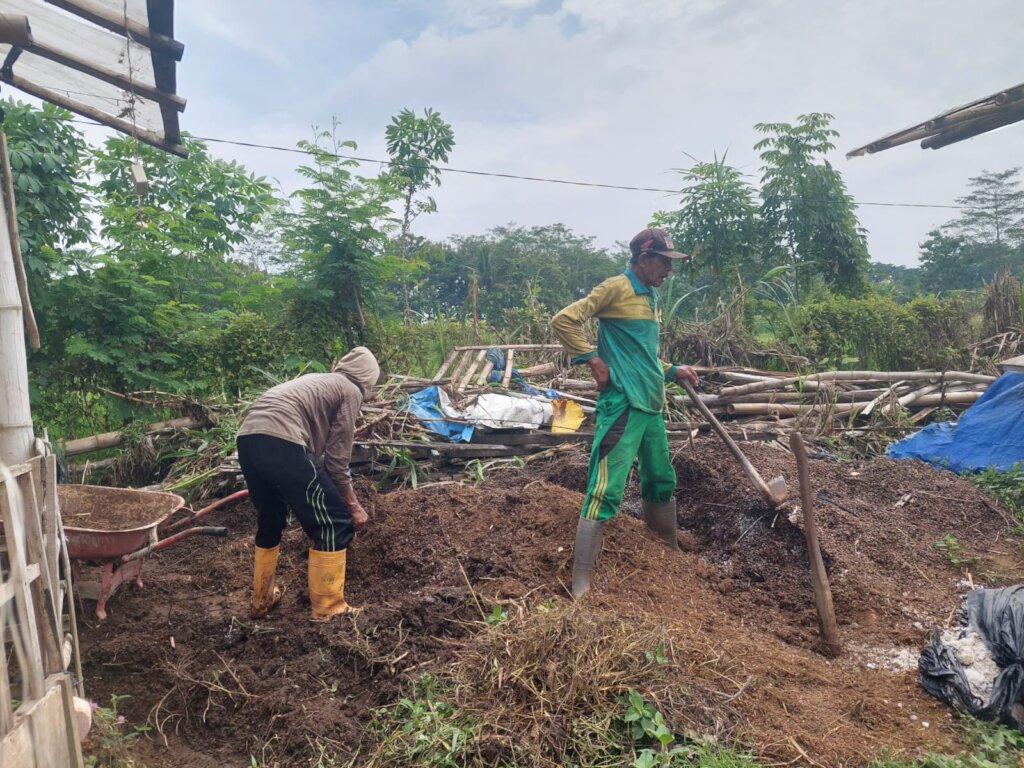
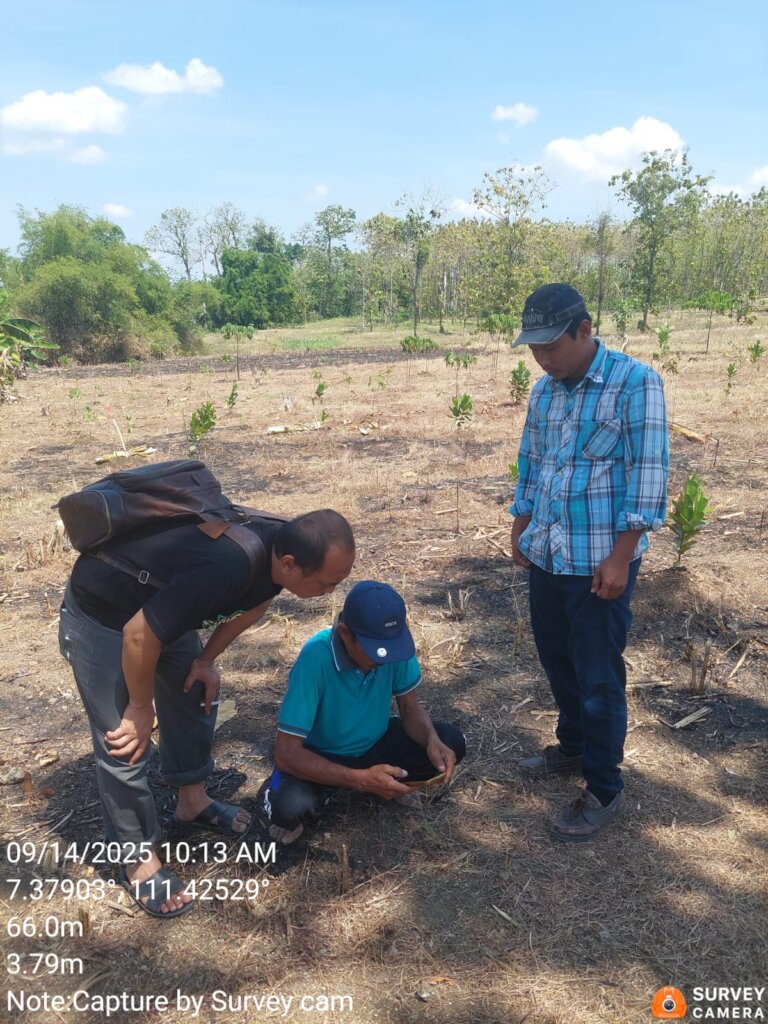
Through community-based agroforestry, livestock integration, and participatory village planning, local farmers are transforming degraded landscapes into productive and resilient systems. Coffee and spice crops grow under protective tree cover. Sheep farming strengthens household income while producing organic fertilizer to enrich forest-based agriculture. Dedicated conservation areas are established alongside productive land, ensuring ecological protection and economic opportunity move forward together.
This integrated approach reduces pressure on natural forests while building long-term rural resilience. Communities are not positioned as beneficiaries—they are leaders and stewards of sustainable forest governance.
When forests are restored, ecosystems recover.
When people are empowered, conservation lasts.
Join us in restoring Indonesia’s forests and empowering its people.
Project reports on GlobalGiving are posted directly to globalgiving.org by Project Leaders as they are completed, generally every 3-4 months. To protect the integrity of these documents, GlobalGiving does not alter them; therefore you may find some language or formatting issues.
If you donate to this project or have donated to this project, you can receive an email when this project posts a report. You can also subscribe for reports without donating.



Support this important cause by creating a personalized fundraising page.
Start a Fundraiser