By Khayat | Project Staff
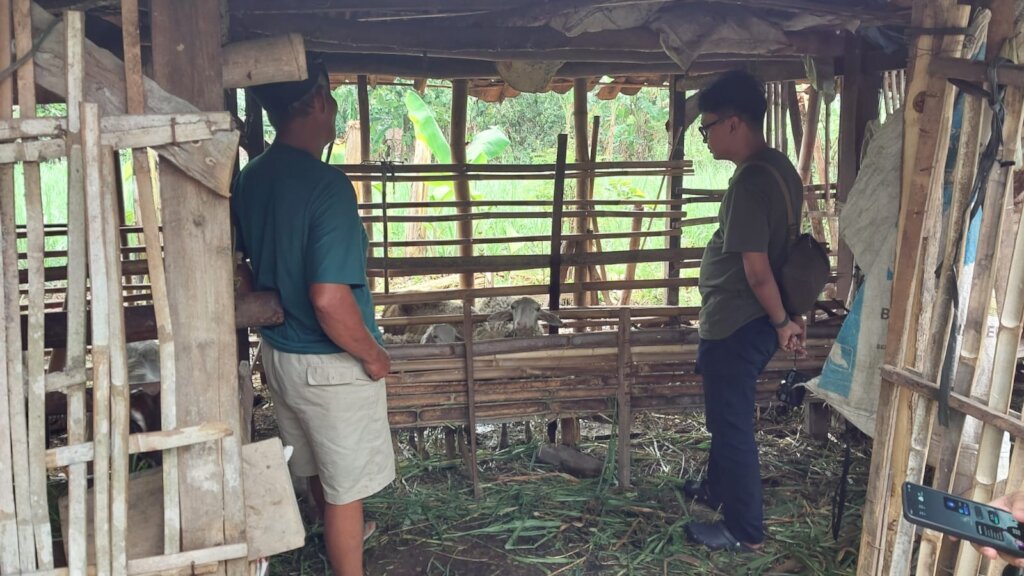
In many forest conservation initiatives, economic vulnerability remains one of the biggest challenges. When rural households lack stable income sources, pressure on forest resources increases. Sustainable conservation therefore requires not only ecological restoration but also resilient local economies. One effective strategy is integrating community livestock systems into a circular economy model that supports forest conservation.
Circular Economy in Forest Landscapes
A circular economy seeks to minimize waste and maximize resource efficiency. In forest-adjacent villages, integrating livestock—such as sheep—into agroforestry systems creates a mutually reinforcing cycle:
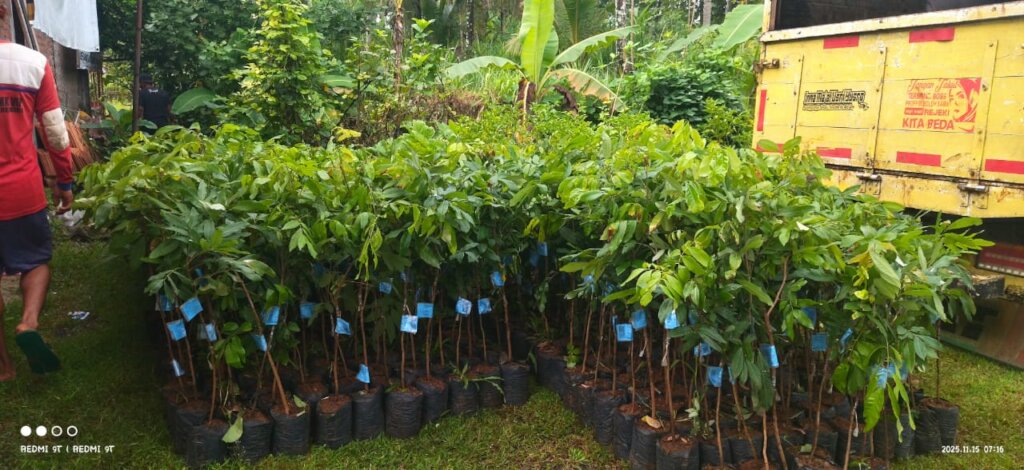
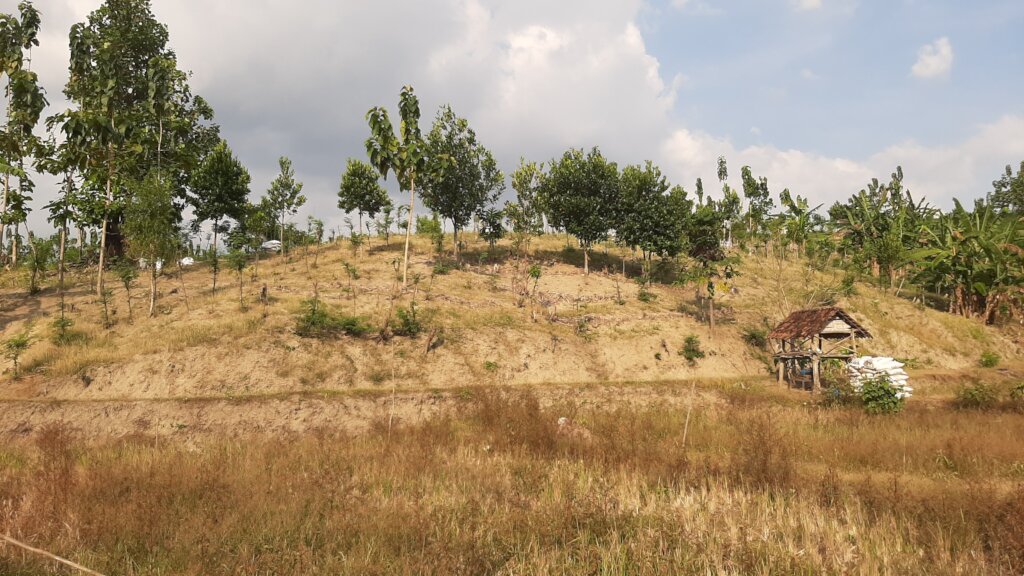
Forest and agroforestry systems provide natural feed sources
Livestock generate additional household income
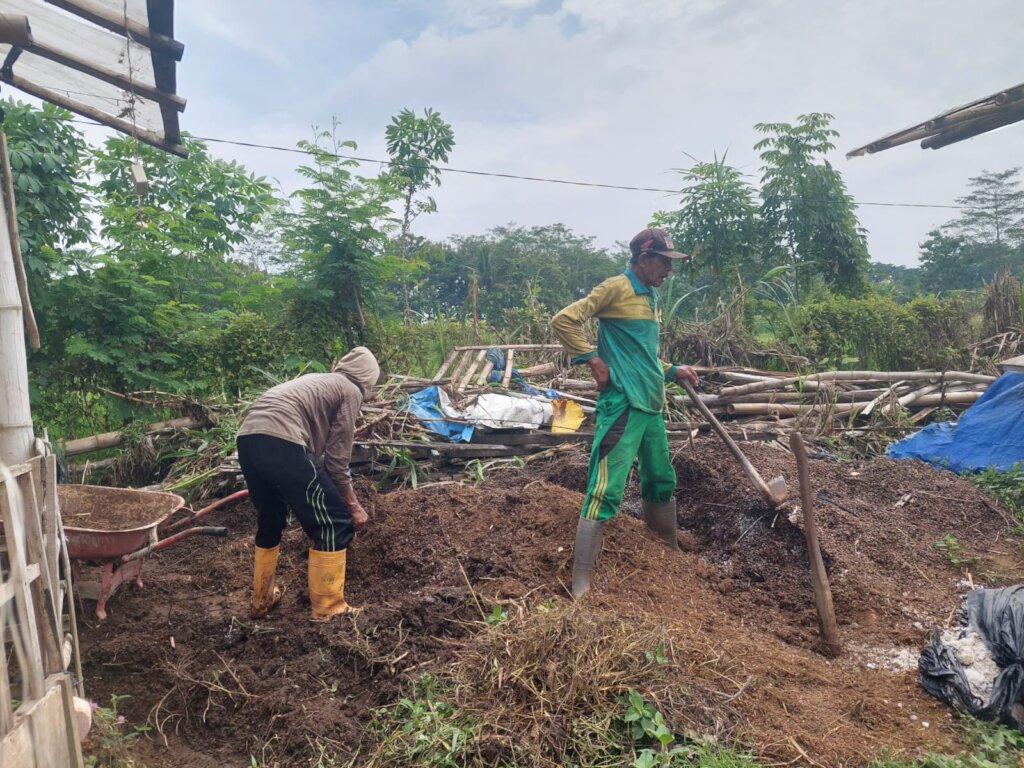
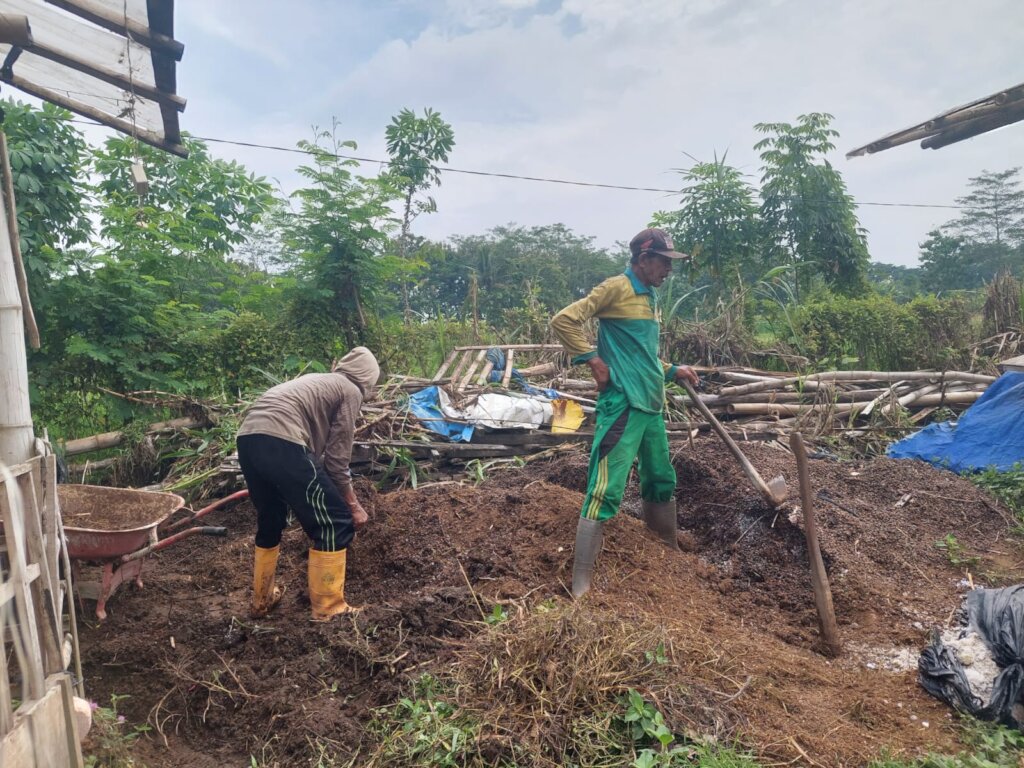
Manure is processed into organic fertilizer
Organic fertilizer enriches agroforestry soils
Soil fertility and productivity improve
Pressure on forest expansion decreases
This closed-loop system strengthens both ecological and economic resilience.
The Role of Livestock in Supporting Conservation
1 Strengthening Household Economies
Livestock provide relatively stable supplementary income. With improved economic security, communities are less likely to expand cultivation into forest areas.
2 Organic Fertilizer Production
Animal manure becomes a valuable resource for producing organic fertilizer. This enhances soil health, reduces reliance on chemical inputs, lowers production costs, and supports long-term land sustainability.
3 Efficient Use of Local Resources
Forest-edge villages often have access to undergrowth vegetation and agricultural residues that can serve as livestock feed—without damaging forest cover. This improves resource efficiency within the landscape.
4 Integration with Agroforestry Systems
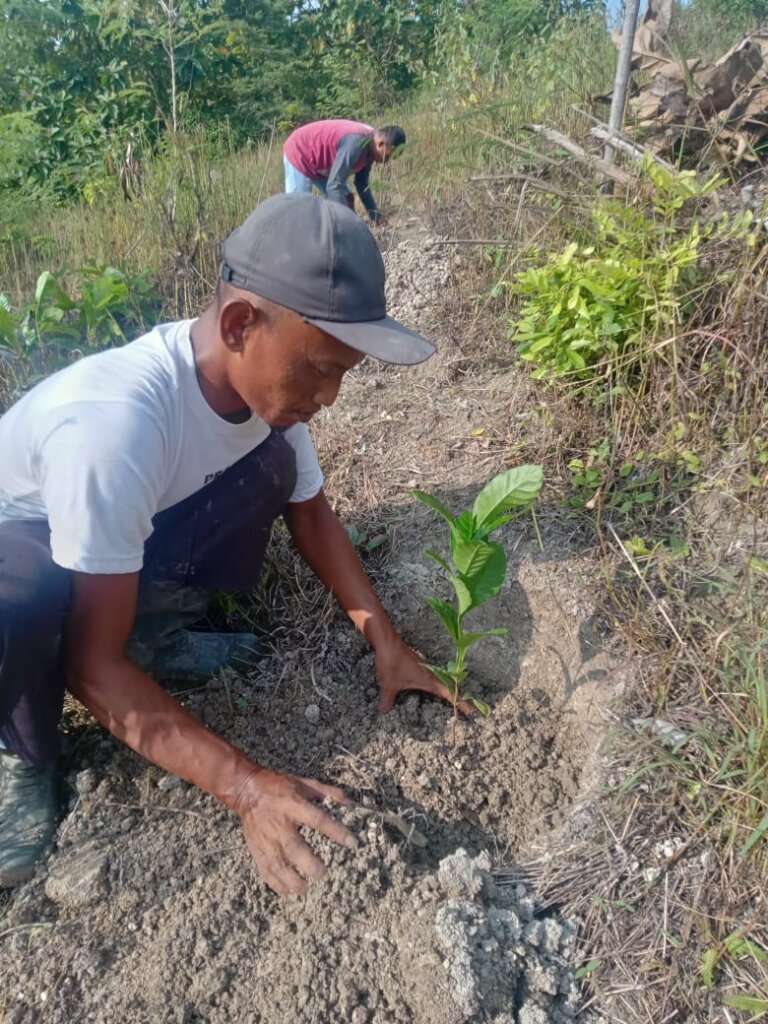
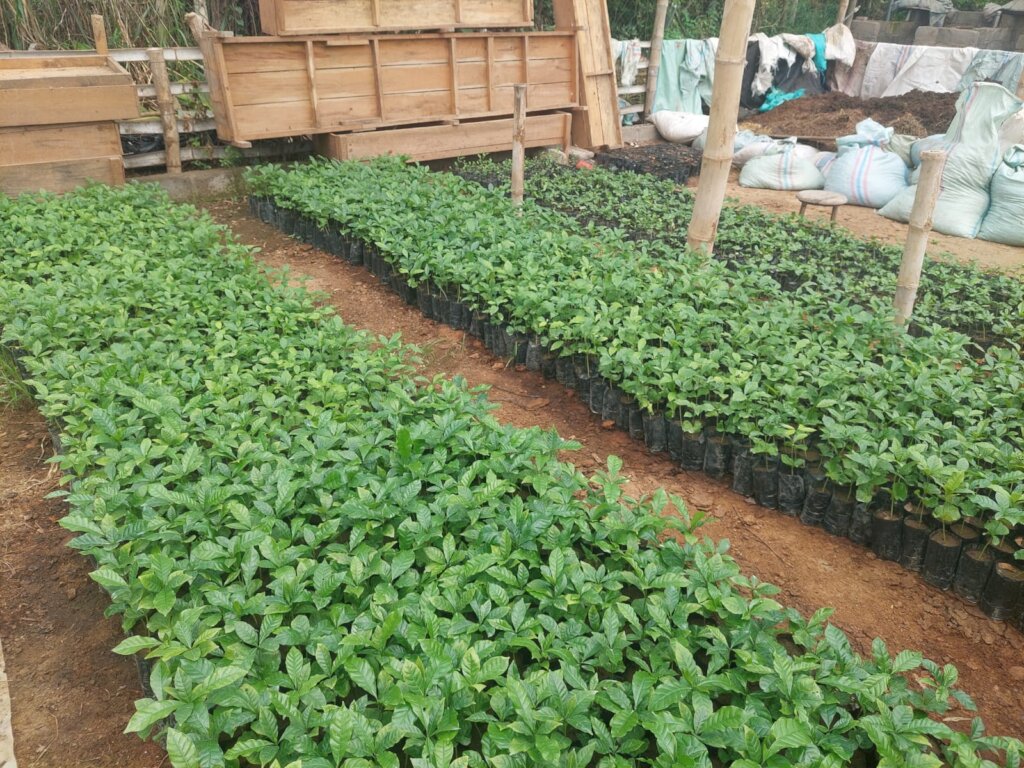
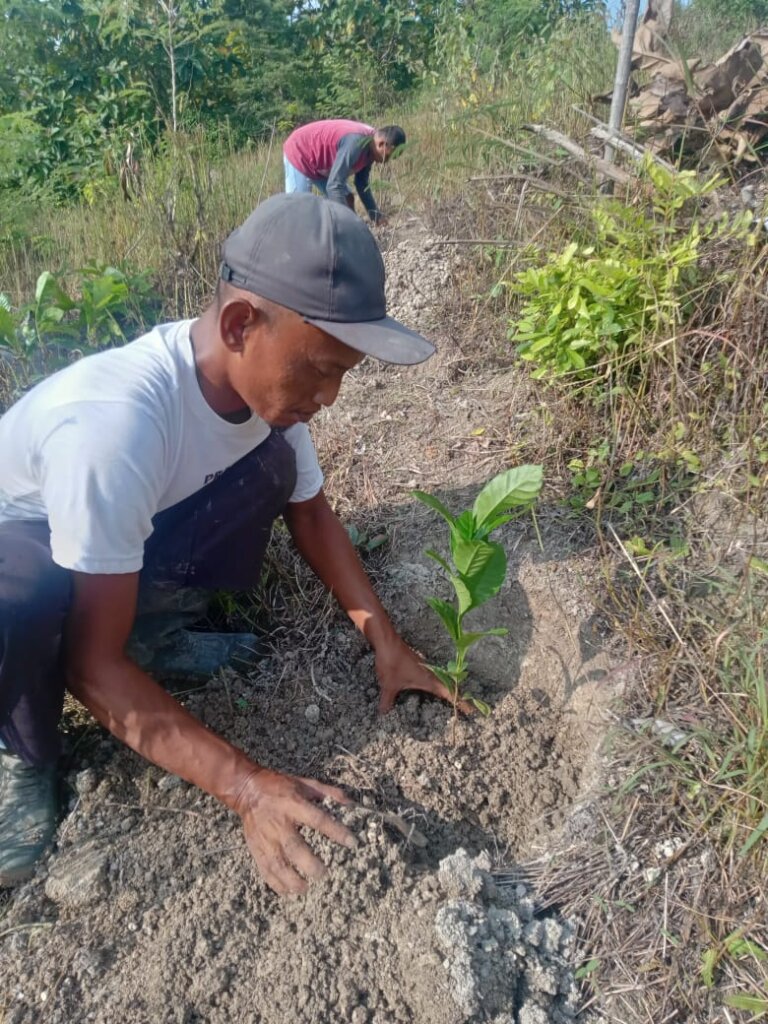
Livestock support coffee and other crops grown in agroforestry systems by improving soil fertility and overall land productivity. This integration creates a more efficient and regenerative production model.
Long-Term Impact
By integrating livestock into conservation strategies, forest-edge communities can build:
Stronger economic resilience
Reduced agricultural production costs
Improved soil quality
Lower pressure on forest areas
Within a circular economy framework, livestock are not merely an additional activity—they are a key component of an integrated landscape strategy.
Conservation is not only about protecting trees.
It is also about building economic systems that allow forests to remain standing.
When ecology and economy move in balance, sustainability becomes achievable.
By Nur Abdullah | Project Staff
By mufid | Project Staff
Project reports on GlobalGiving are posted directly to globalgiving.org by Project Leaders as they are completed, generally every 3-4 months. To protect the integrity of these documents, GlobalGiving does not alter them; therefore you may find some language or formatting issues.
If you donate to this project or have donated to this project, you can receive an email when this project posts a report. You can also subscribe for reports without donating.



Support this important cause by creating a personalized fundraising page.
Start a Fundraiser