By Khayat | Project Staff
Indonesia is home to one of the largest tropical forest areas in the world. Yet these forests face continuous pressure from land conversion, monoculture expansion, and economic demands in rural areas. In this context, agroforestry is critically important because it addresses ecological and socio-economic challenges simultaneously.
1 Responding to Deforestation and Land Degradation
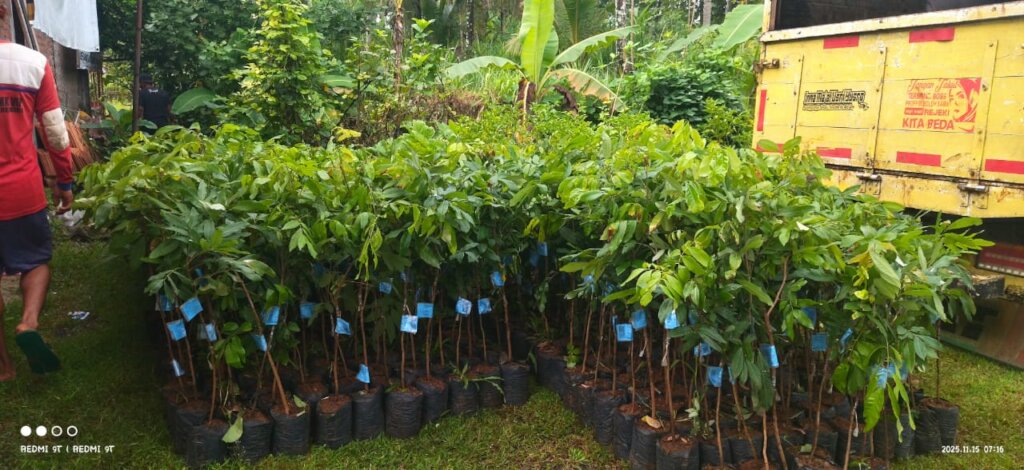
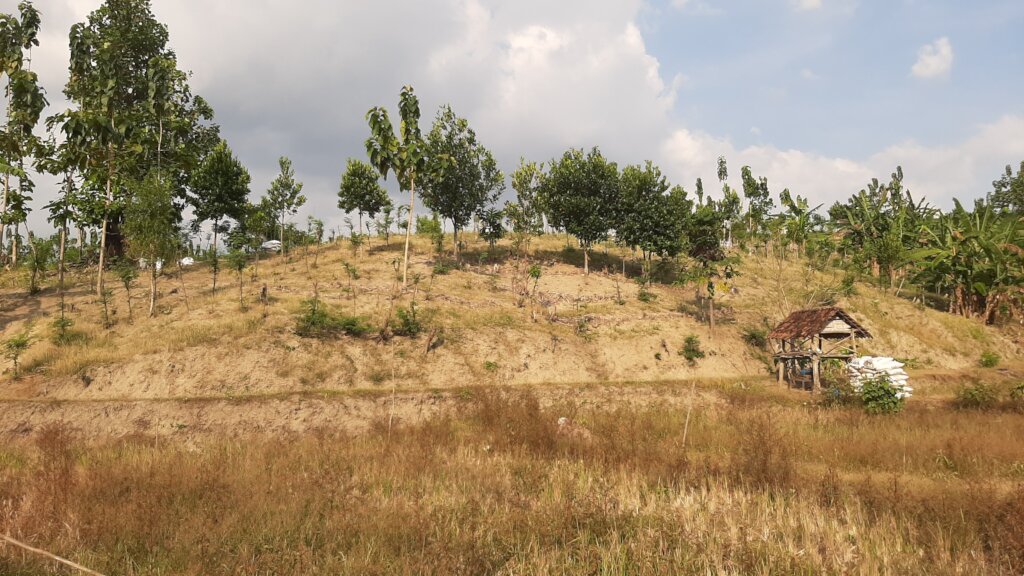
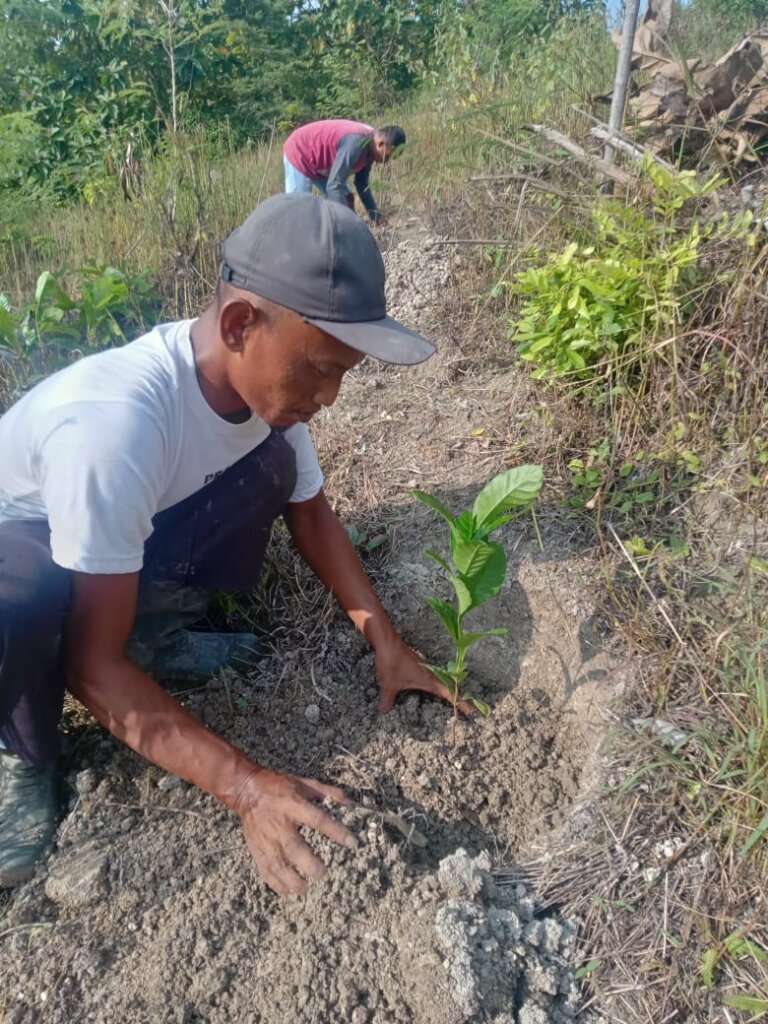
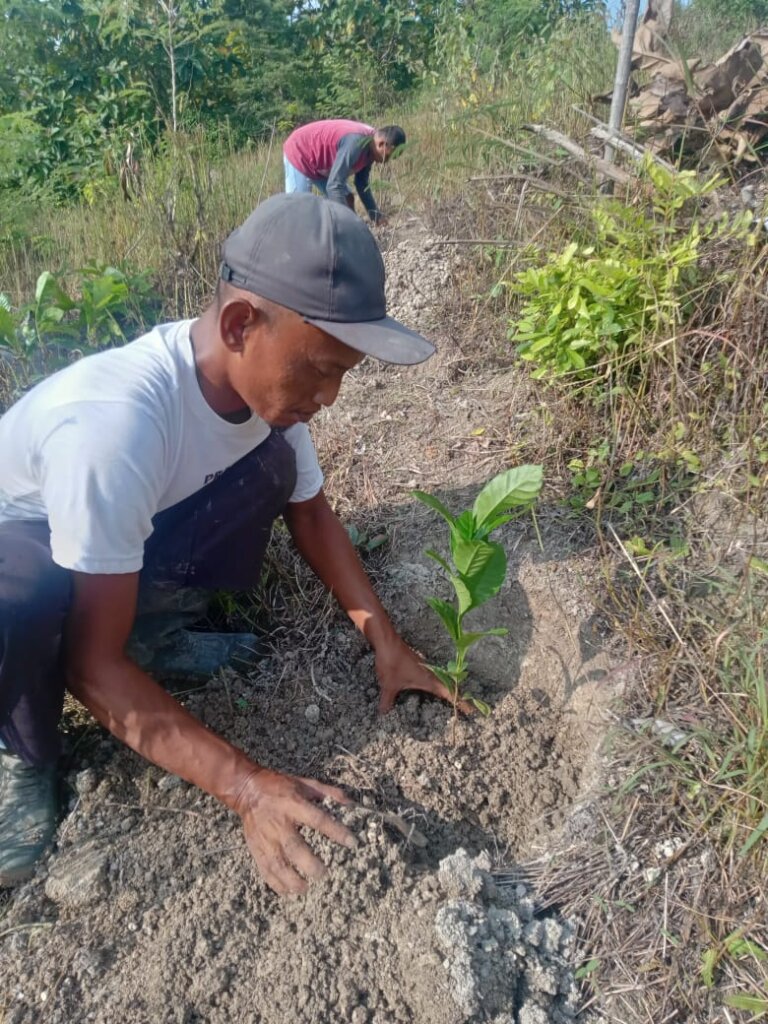
Agroforestry integrates forestry trees with agricultural crops within the same land system. Its multi-layered planting structure mimics natural forest ecosystems, helping to:
Increase tree cover
Reduce soil erosion
Improve soil fertility
Enhance water retention
Sequester carbon and support climate mitigation
In a country highly vulnerable to floods, landslides, and droughts, agroforestry strengthens landscape resilience.
2 Reducing Pressure on Natural Forests
Many forest-adjacent communities depend on land-based livelihoods. When agricultural income is low or unstable, pressure to expand into forest areas increases. Agroforestry offers a productive alternative by combining coffee, cocoa, spices, fruit trees, and timber species. This allows farmers to increase income without clearing additional forest land.
3 Strengthening Farmers’ Economic Resilience
Mixed cropping systems diversify income sources. If one commodity fails or prices decline, farmers still have alternative products to rely on. This is particularly important in the face of market volatility and climate uncertainty.
4 Supporting Sustainable Development Goals
Agroforestry aligns with Indonesia’s sustainable development agenda, contributing to poverty reduction, food security, climate action, and biodiversity conservation. It bridges conservation objectives with rural livelihood improvement, ensuring that development is regenerative rather than extractive.
5 Relevant for Social Forestry and Local Governance
Within Indonesia’s social forestry framework and village-based forest governance, agroforestry provides a practical model for integrating production and conservation functions. With strong institutional support, communities can become active and responsible landscape managers.
Project reports on GlobalGiving are posted directly to globalgiving.org by Project Leaders as they are completed, generally every 3-4 months. To protect the integrity of these documents, GlobalGiving does not alter them; therefore you may find some language or formatting issues.
If you donate to this project or have donated to this project, you can receive an email when this project posts a report. You can also subscribe for reports without donating.



Support this important cause by creating a personalized fundraising page.
Start a Fundraiser