By Khayat | Project Staff
Indonesia possesses one of the largest and most biodiverse tropical forest areas in the world. At the same time, it faces significant challenges from deforestation, land degradation, and economic vulnerability in forest-adjacent villages. In this context, agroforestry is critically important because it bridges conservation objectives with rural livelihood needs.
1 Addressing Deforestation and Land Degradation
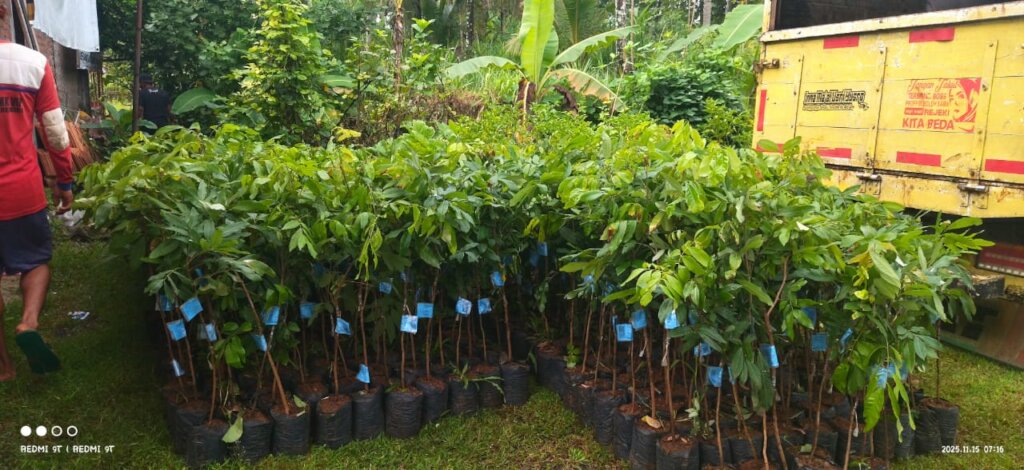
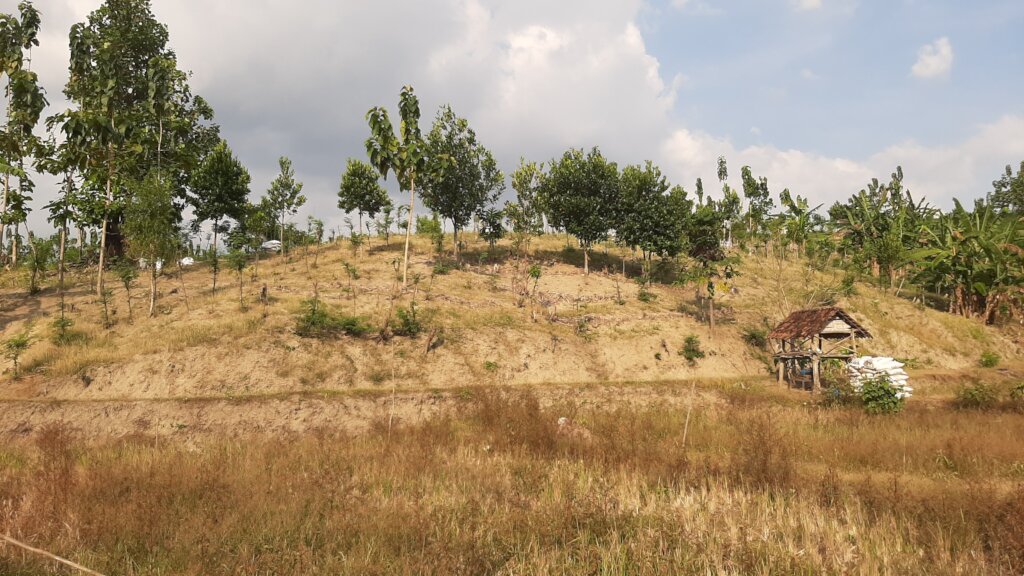
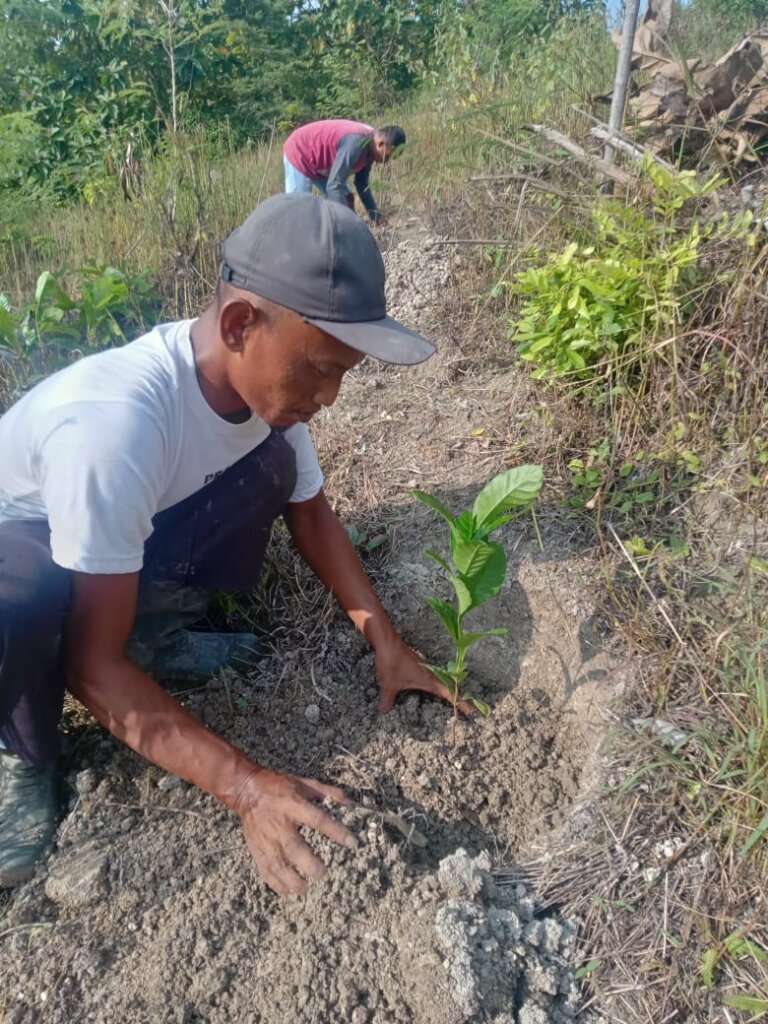
Land conversion and monoculture farming practices have reduced soil fertility and increased erosion, flooding, and drought risks. Agroforestry—integrating trees with agricultural crops—helps restore ecological functions by increasing tree cover, improving soil structure, and enhancing water absorption. Its multi-layered structure mimics natural forest ecosystems, making landscapes more resilient to climate change.
2 Reducing Pressure on Natural Forests
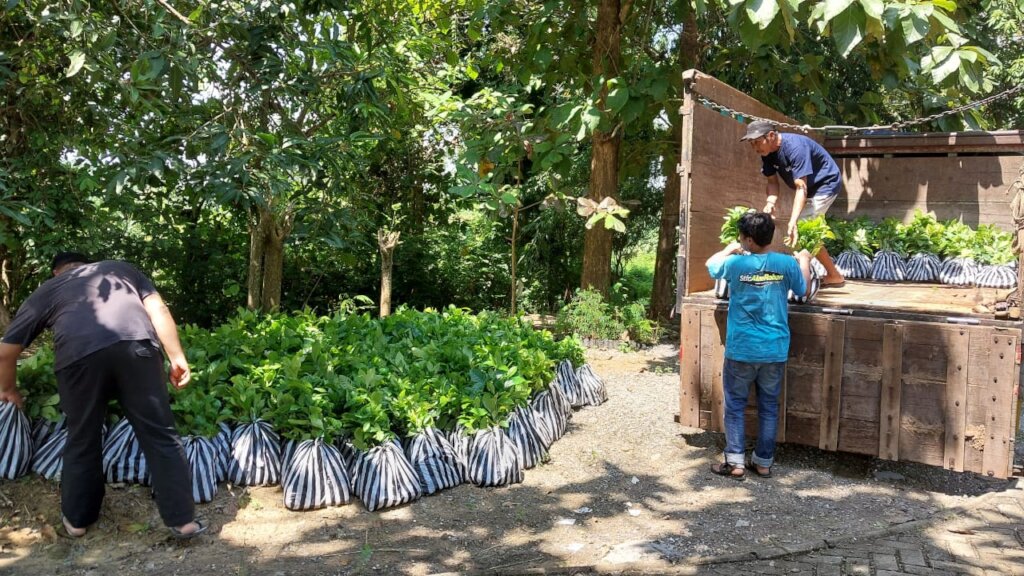
Many rural communities rely heavily on land-based livelihoods. When income is unstable, pressure to expand into forest areas increases. Agroforestry provides productive alternatives by combining crops such as coffee, cocoa, spices, fruit trees, and timber species. This allows farmers to increase income without clearing additional forest land.
3 Strengthening Farmers’ Economic Resilience
Agroforestry promotes income diversification. If one commodity fails or market prices decline, farmers still have other sources of revenue. This reduces economic risk and improves stability in the face of climate variability and market volatility.
4 Supporting Social Forestry and Sustainable Development
Indonesia has promoted social forestry schemes that grant communities greater roles in forest management. Agroforestry offers a practical model for integrating production and conservation within community-based governance frameworks. It aligns with national goals related to poverty reduction, food security, climate action, and biodiversity conservation.
5 A Climate Solution That Is Socially Inclusive
Agroforestry is not only a technical solution—it is a social one. It empowers smallholder farmers to become stewards of sustainable landscapes rather than drivers of degradation. By creating economic incentives for maintaining tree cover, conservation becomes a shared and sustainable responsibility.
In essence, agroforestry is important in Indonesia because it connects forests with livelihoods.
It enables conservation and prosperity to grow together—creating greener landscapes and more resilient rural communities.
By Khayat | Project Staff
By Umam Hadinata | Project Staff
Project reports on GlobalGiving are posted directly to globalgiving.org by Project Leaders as they are completed, generally every 3-4 months. To protect the integrity of these documents, GlobalGiving does not alter them; therefore you may find some language or formatting issues.
If you donate to this project or have donated to this project, you can receive an email when this project posts a report. You can also subscribe for reports without donating.



Support this important cause by creating a personalized fundraising page.
Start a Fundraiser