By Khayat | Project Staff
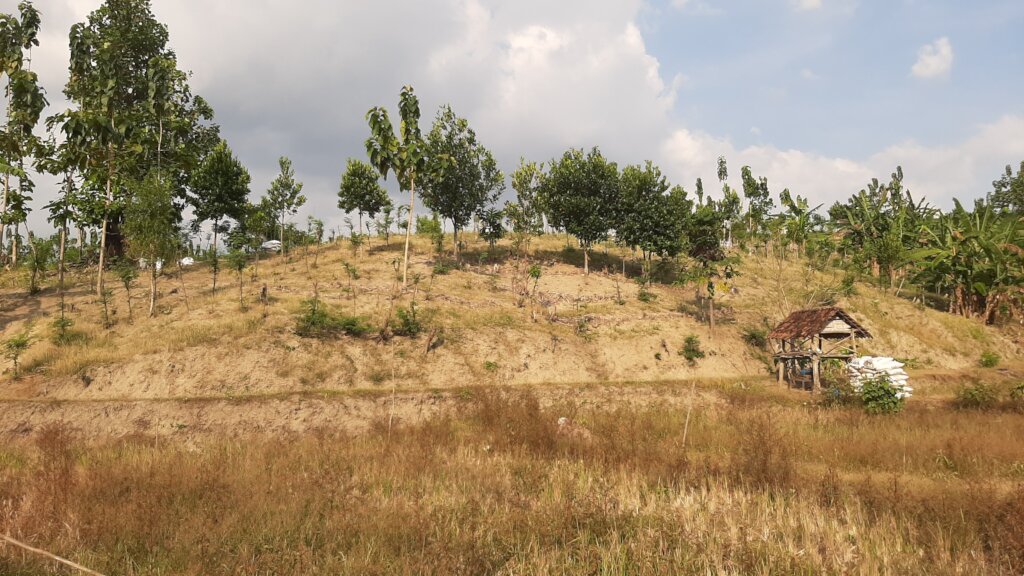
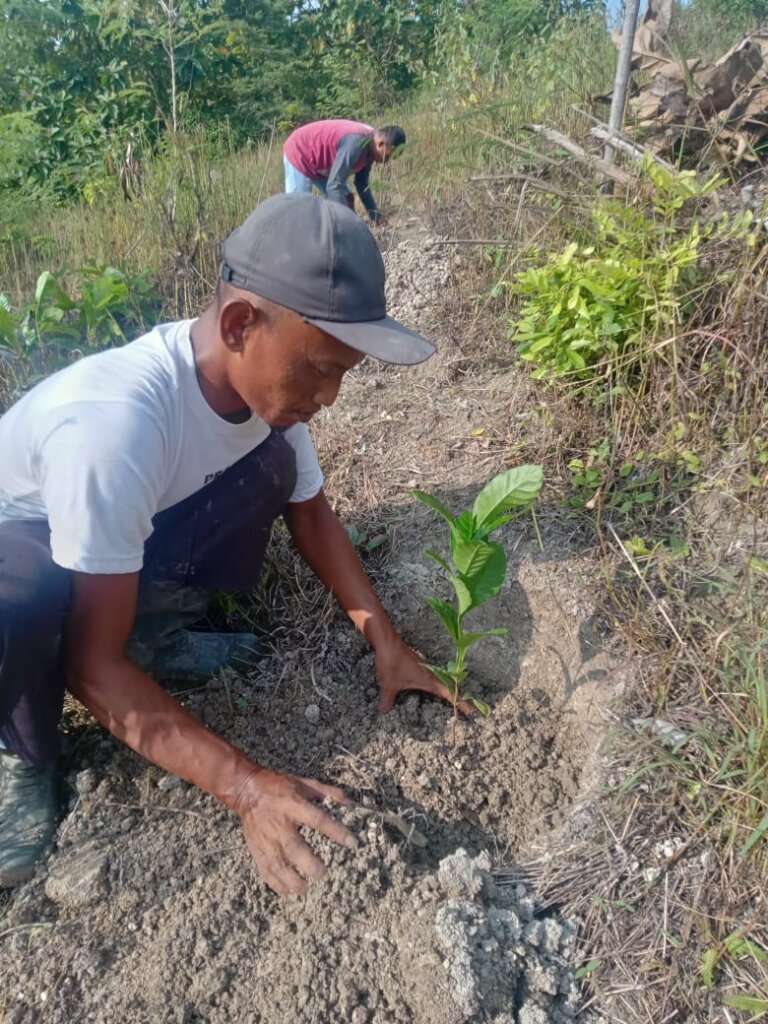
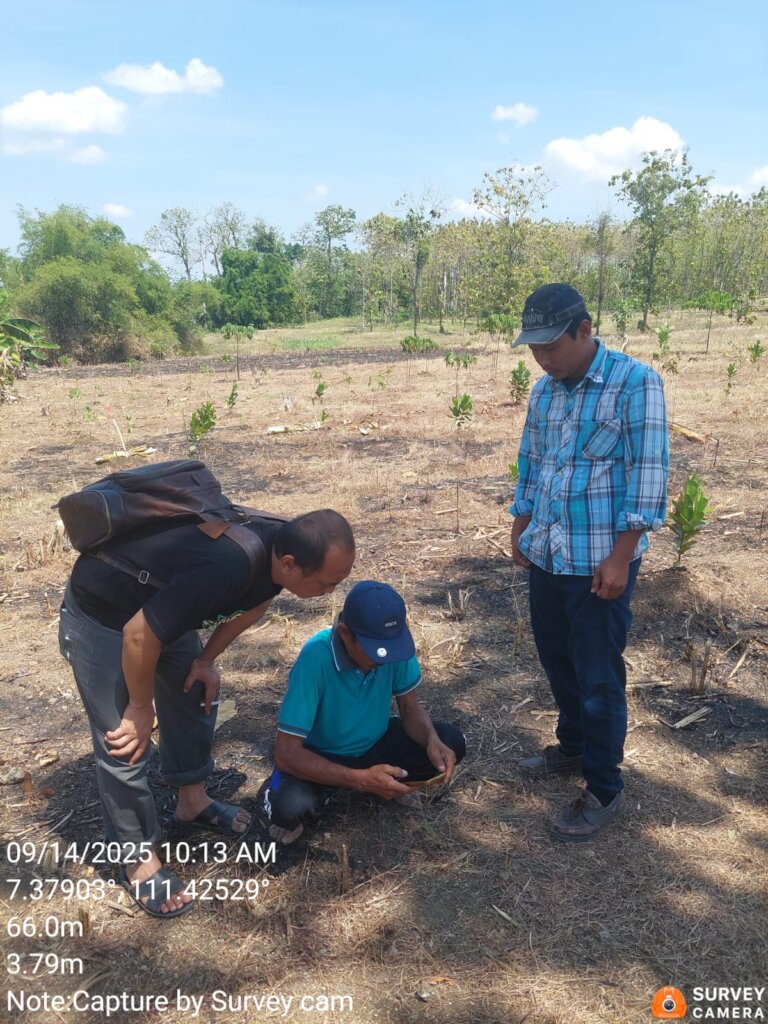
Yayasan INFEST, in collaboration with the Faculty of Social and Political Sciences, Universitas Gadjah Mada, conducted a monitoring and evaluation (M&E) visit on 16 February 2026 in two target villages for forest reforestation: Pitu (Ngawi, East Java) and Mendenrejo (Blora, Central Java).
Both villages are new intervention areas that began receiving support in 2025. Unlike Ngrawoh—assisted since 2022 and now showing significant progress in forest conservation and agroforestry development—Pitu and Mendenrejo remain in the early stages of program implementation. Current efforts focus on strengthening social structures, building farmer group institutions, and consolidating a shared vision for community-based conservation.
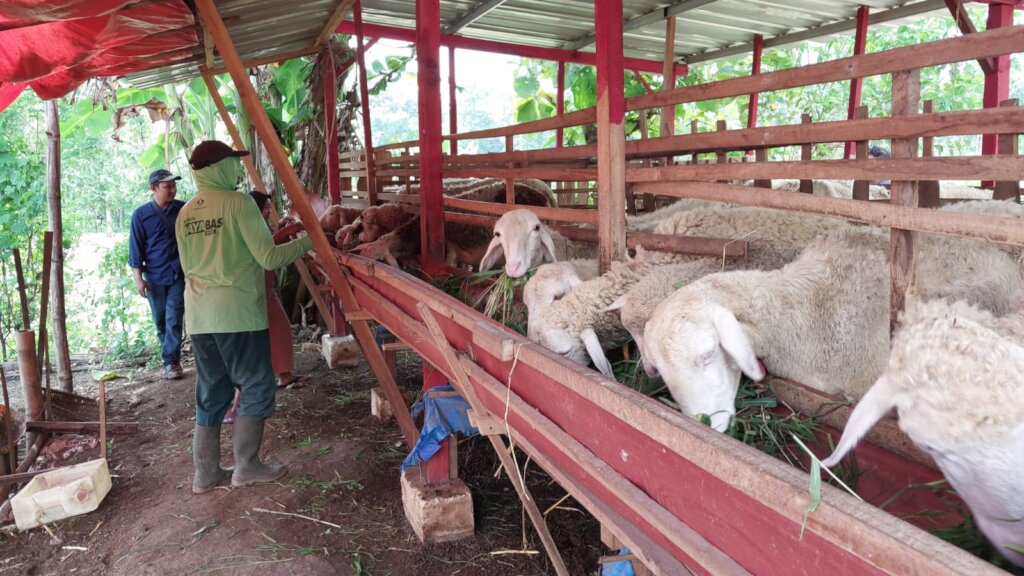
Sheep Grants as an Initial Economic Strengthening Strategy
As part of a circular economy approach, each village group received 80 sheep as an economic strengthening incentive. The program is designed to:
Increase household income through livestock management
Reduce economic pressure that often leads to forest exploitation
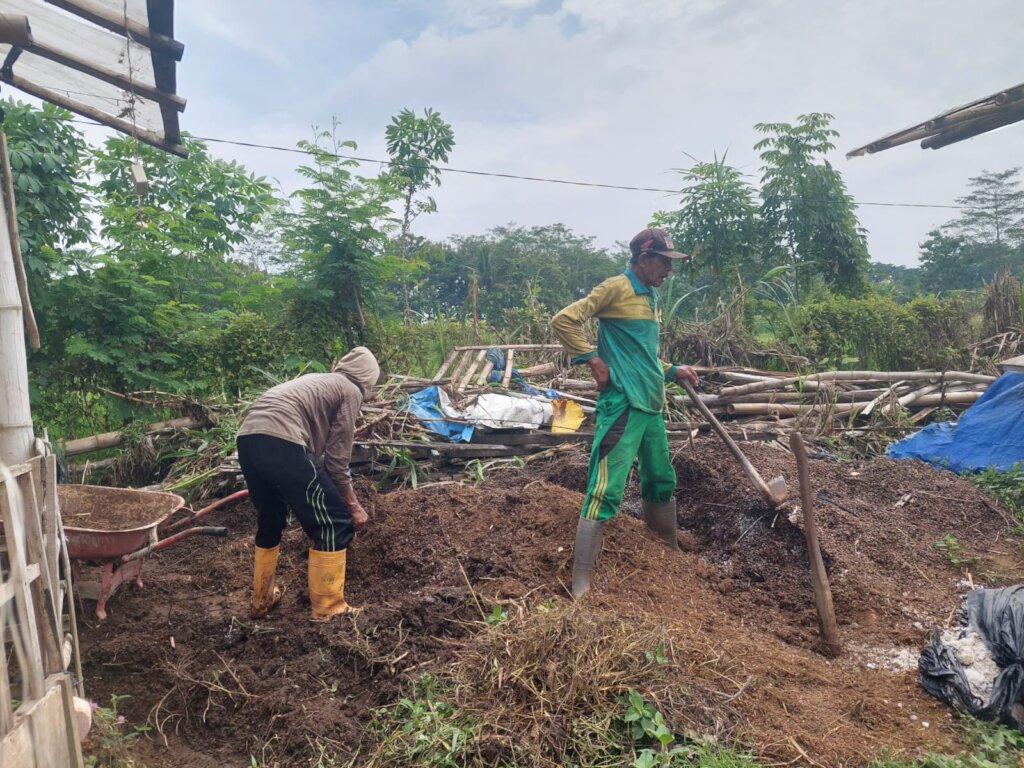
Support agroforestry systems through organic fertilizer derived from sheep manure
This integrated approach ensures that conservation objectives are aligned with tangible economic benefits for local communities.
Landscape Context and Conservation Targets
Together, Pitu and Mendenrejo manage forest landscapes covering approximately 2,000 hectares. Over time, these areas are expected to be gradually developed into:
Strengthened conservation zones
Productive agroforestry areas focused on coffee and spice crops
Integrated landscapes that balance production and ecological protection
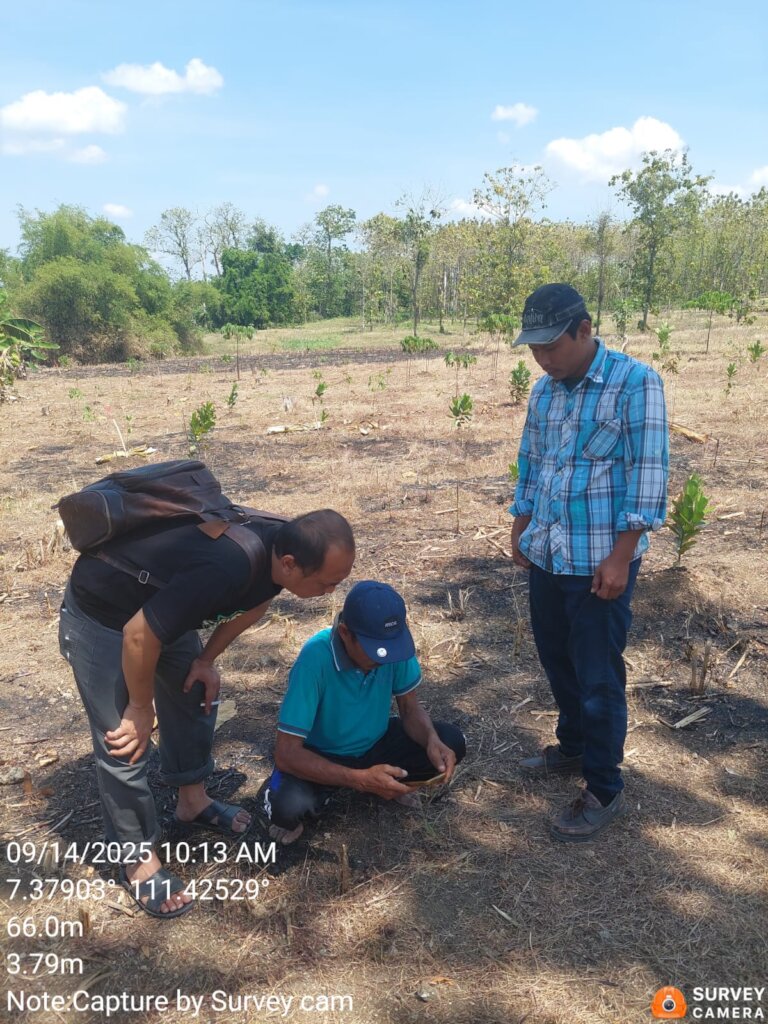
The monitoring visit aimed to assess whether livestock management is being implemented sustainably, whether group governance mechanisms are functioning effectively, and whether early economic benefits are visible without increasing pressure on forest resources.
Monitoring Focus Areas
The M&E activities covered:
Livestock health, distribution, and reproduction systems
Group management structures and benefit-sharing mechanisms
Integration potential between organic fertilizer production and agroforestry development
Institutional readiness to support long-term forest conservation initiatives
This monitoring effort ensures that the sheep grant program serves not merely as short-term economic assistance, but as a strategic foundation for long-term landscape transformation.
Through a phased approach—economic strengthening, institutional development, and ecological restoration—Pitu and Mendenrejo are expected to follow the path of Ngrawoh in building resilient, community-led forest conservation models.
By Nur Abdullah | Project Staff
By munir | Project Staff
Project reports on GlobalGiving are posted directly to globalgiving.org by Project Leaders as they are completed, generally every 3-4 months. To protect the integrity of these documents, GlobalGiving does not alter them; therefore you may find some language or formatting issues.
If you donate to this project or have donated to this project, you can receive an email when this project posts a report. You can also subscribe for reports without donating.



Support this important cause by creating a personalized fundraising page.
Start a Fundraiser