By Khayat | Project Staff
Climate action becomes meaningful when it is rooted in the lives of the people who depend directly on the land. In Ngrawoh Village, Kradenan Sub-district, Blora Regency, Central Java, forests are not abstract environmental assets—they are sources of water, income, and identity for rural families. Yet increasing ecological pressure and limited economic alternatives have made forest governance more complex and urgent.
In response, Yayasan INFEST, in collaboration with the Faculty of Social and Political Sciences, Universitas Gadjah Mada, conducted a Village Appreciative Planning Training on 17 October 2025 to strengthen participatory forest governance at the village level. The training brought together 30 participants from the village government and local community members, creating a shared space to design evidence-based policies that integrate community empowerment, economic development, and forest conservation.
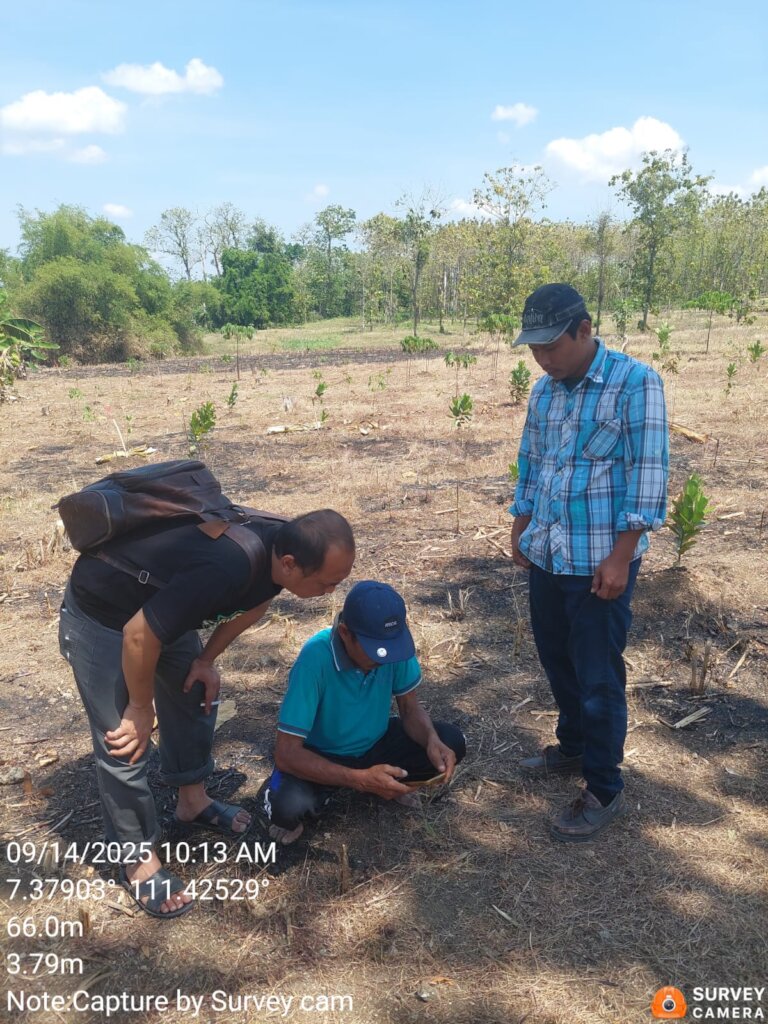
Rather than imposing external solutions, the process emphasized strengthening village capacity. Participants were trained to develop three core planning instruments: mapping village authority related to forest governance, assessing community welfare conditions, and identifying local assets and potentials for sustainable forest-area management. These tools will guide future village policies, supported by field surveys and data validation, ensuring that conservation strategies are grounded in real community needs and legally recognized governance structures.
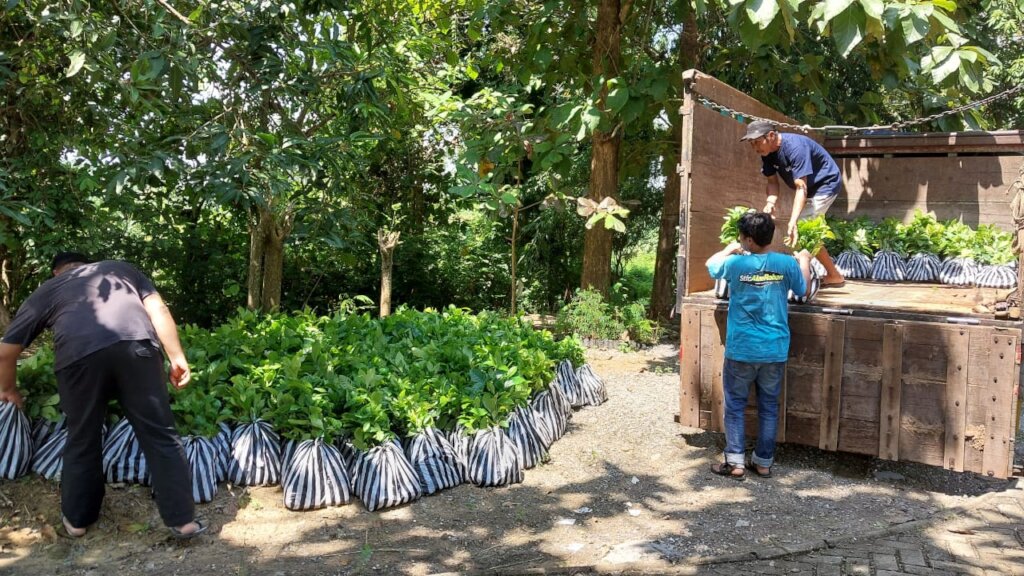
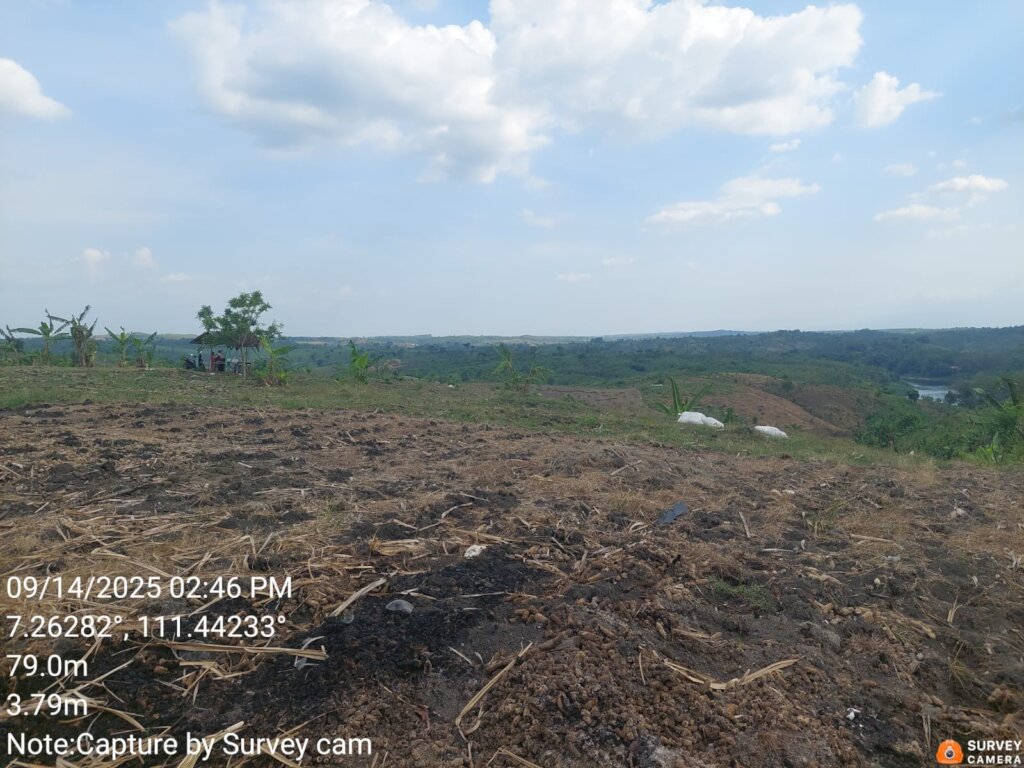
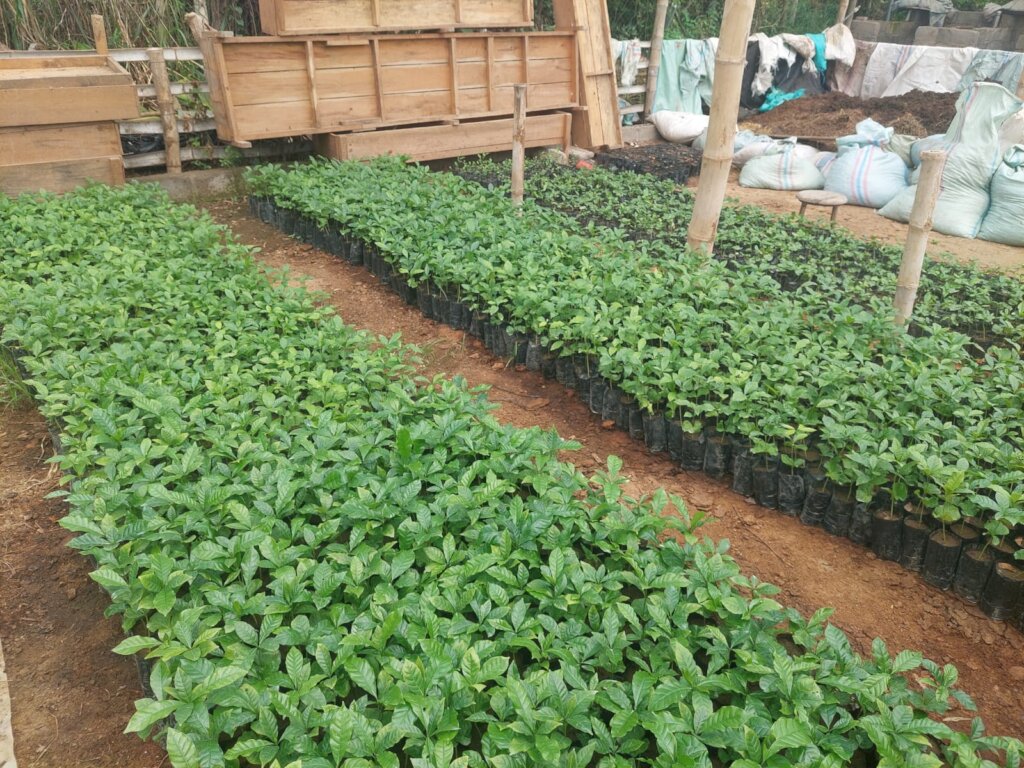
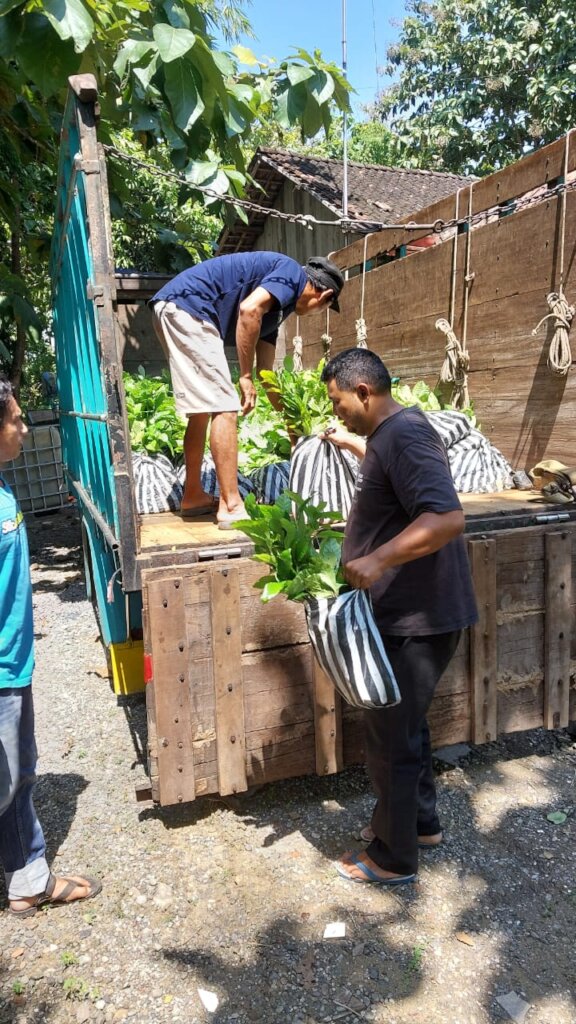
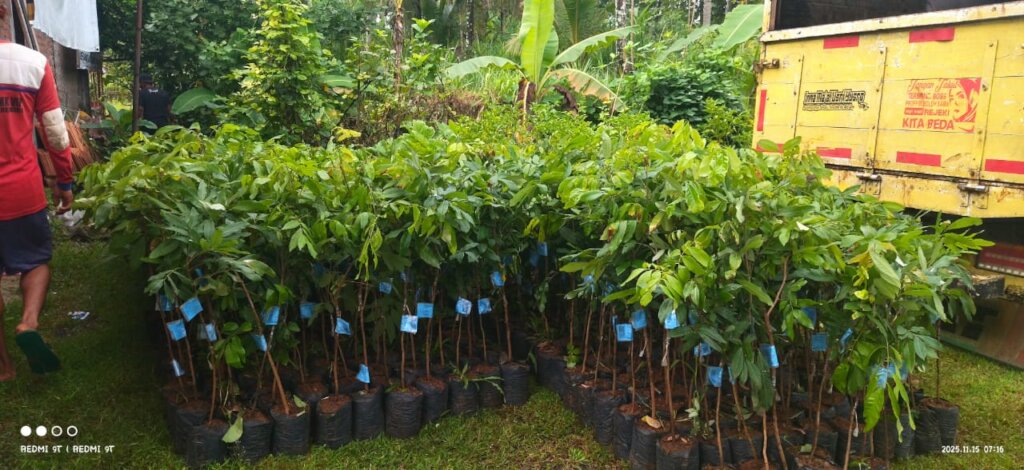
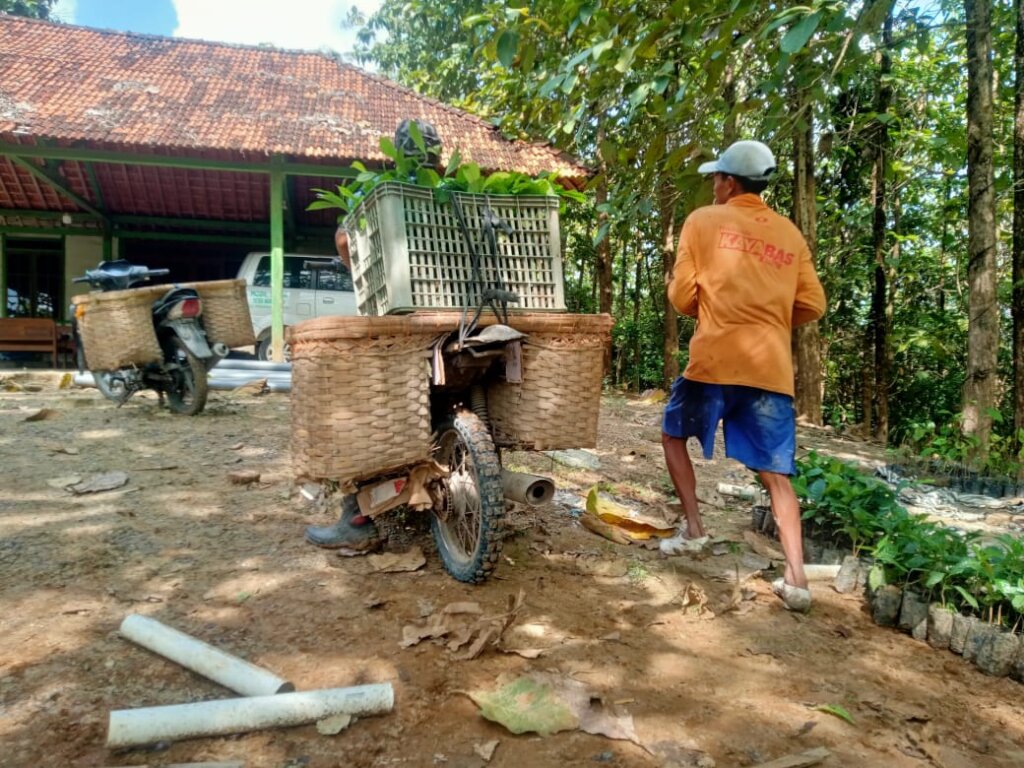
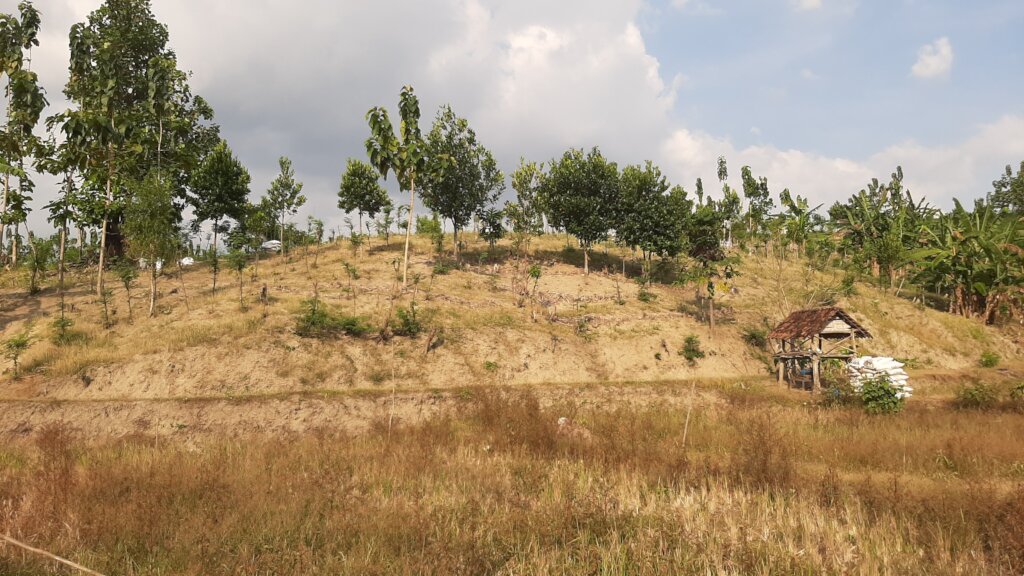
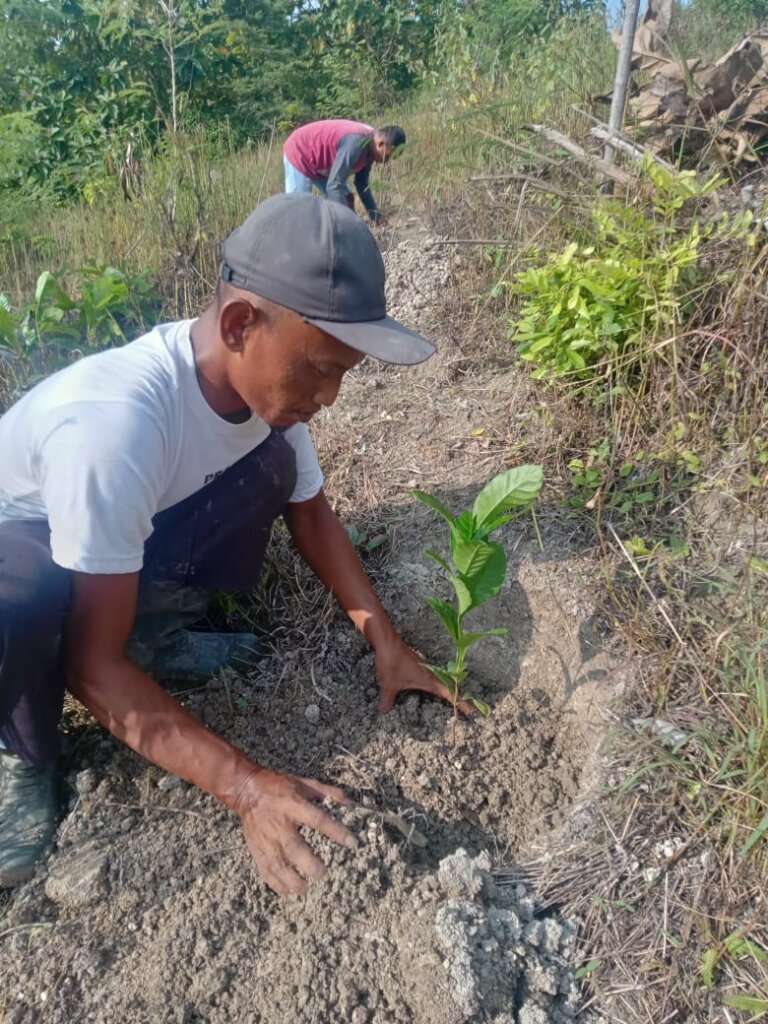
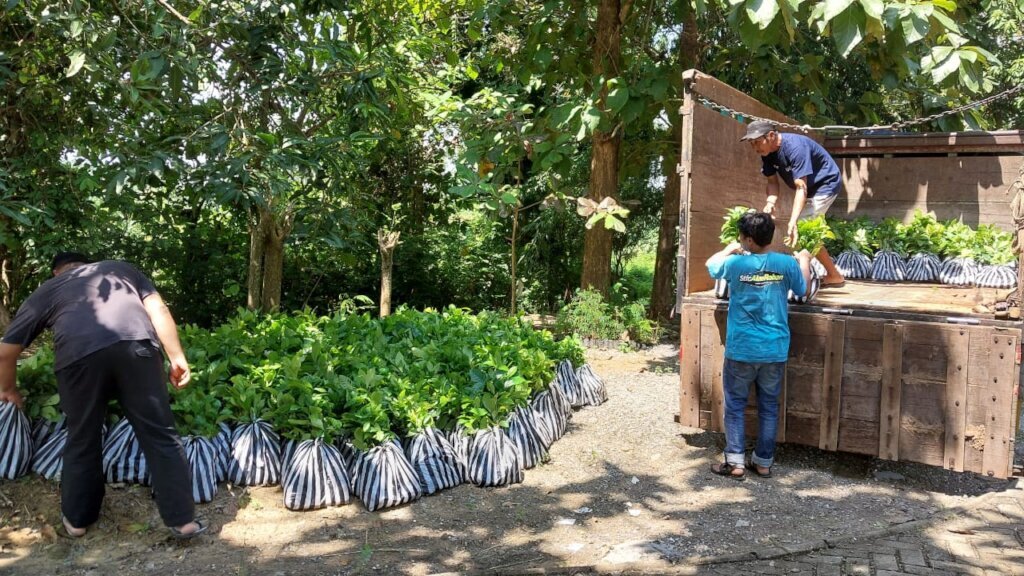
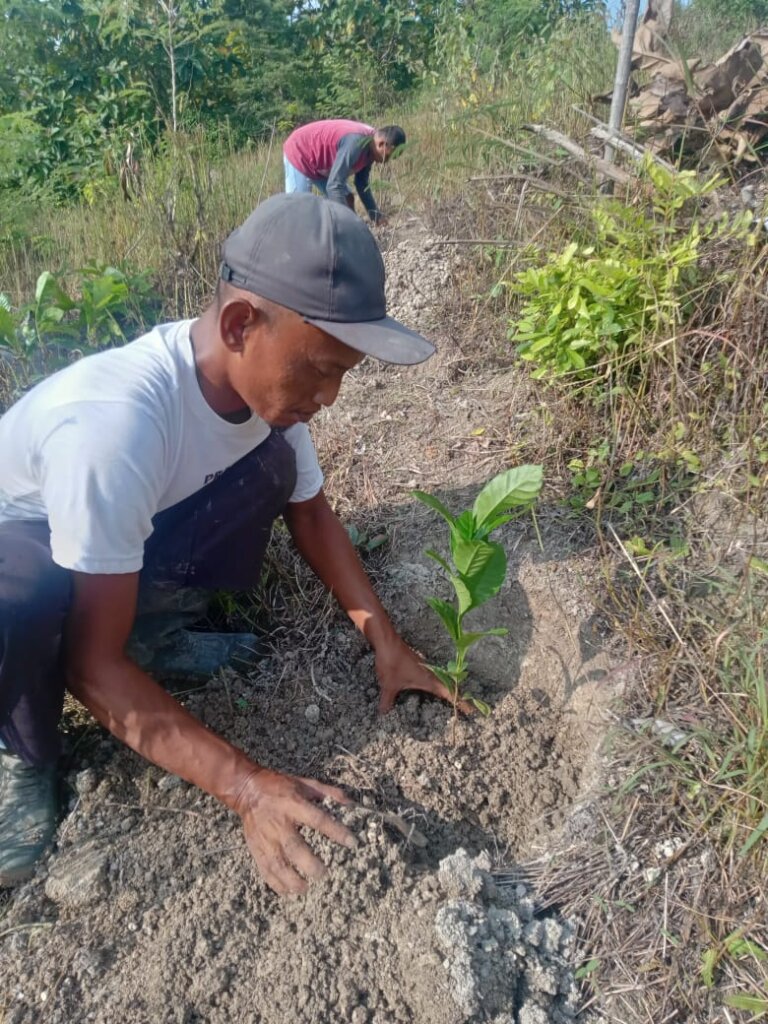
Beyond planning, the collaboration introduced an agroforestry–agrosilvopastoral approach in Kradenan District. This integrated system combines agriculture, tree planting, and livestock management within the same landscape. In Ngrawoh Village, the initiative focuses on coffee-based agroforestry, where coffee is cultivated alongside timber trees, fruit species, and conservation-oriented plants. This diversified planting system improves soil health, strengthens climate resilience, protects watersheds, and provides long-term income opportunities for farmers.
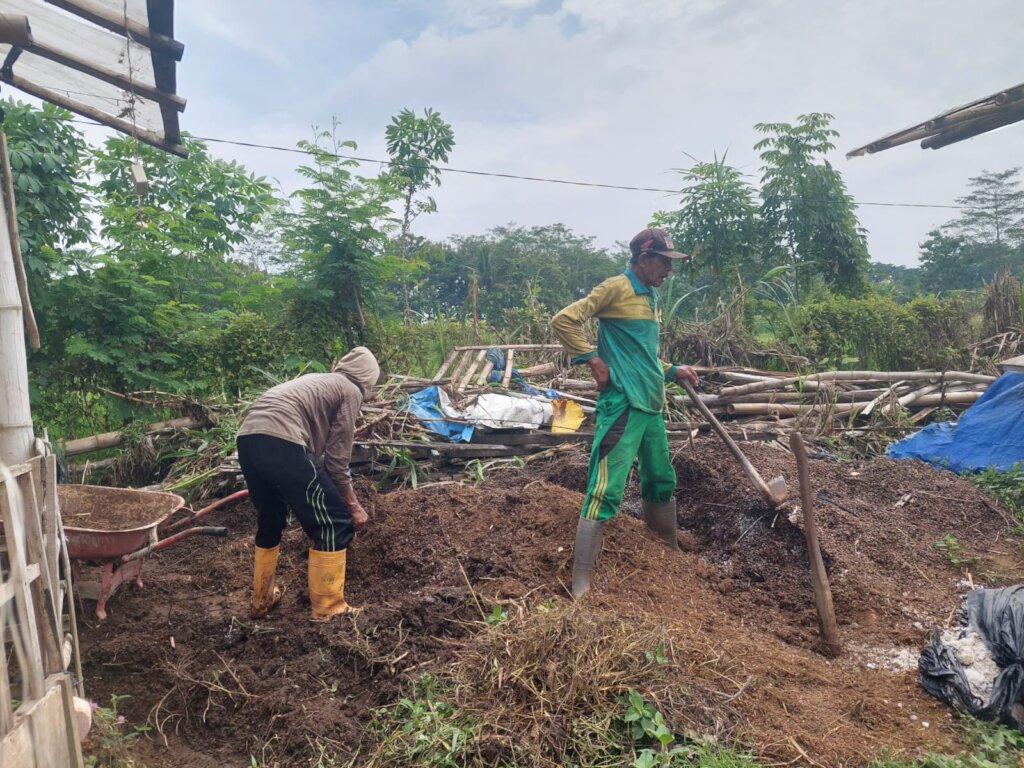
The response from the community has been encouraging. Farmers are increasingly adopting mixed-cropping systems and recognizing that agroforestry offers more than short-term gains. Through continuous facilitation and hands-on practice, communities are redefining their relationship with forest landscapes—not as extractive spaces, but as productive ecosystems that can sustain both livelihoods and biodiversity.
Looking ahead, the Blora experience demonstrates that climate action does not begin with large-scale declarations; it begins in villages. By integrating ecological restoration with economic empowerment, Ngrawoh Village is becoming a local model for sustainable forest governance in Java—where communities are not passive recipients of aid, but active agents of restoration.
This is climate action rooted in community.
Project reports on GlobalGiving are posted directly to globalgiving.org by Project Leaders as they are completed, generally every 3-4 months. To protect the integrity of these documents, GlobalGiving does not alter them; therefore you may find some language or formatting issues.
If you donate to this project or have donated to this project, you can receive an email when this project posts a report. You can also subscribe for reports without donating.



Support this important cause by creating a personalized fundraising page.
Start a Fundraiser