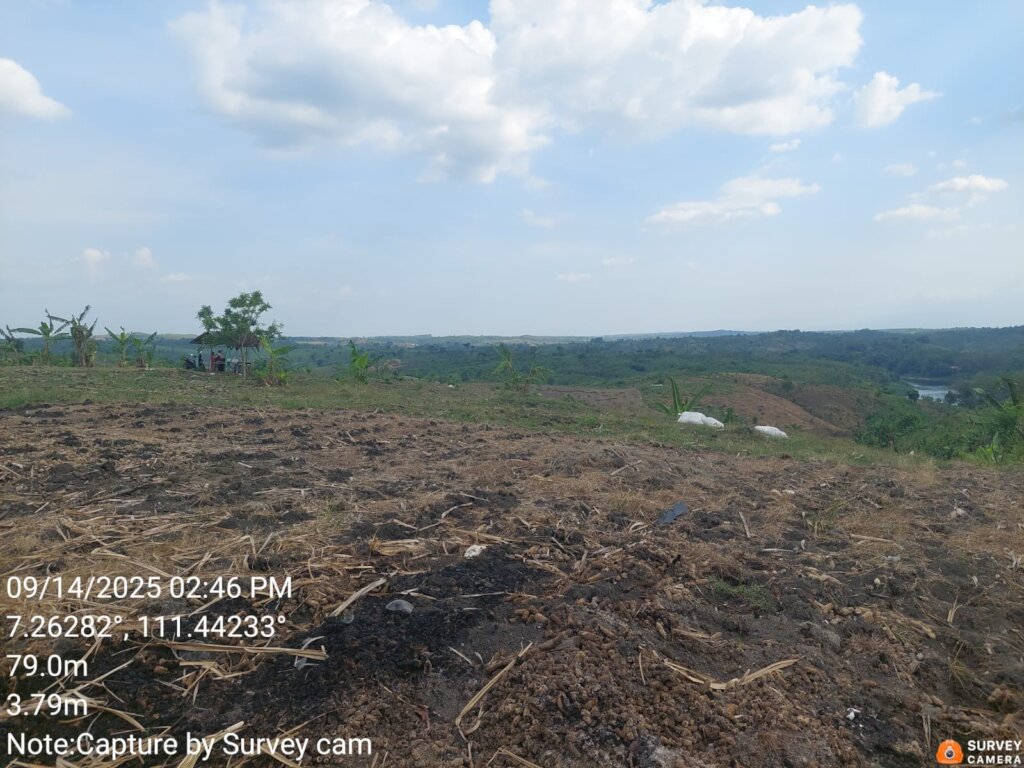
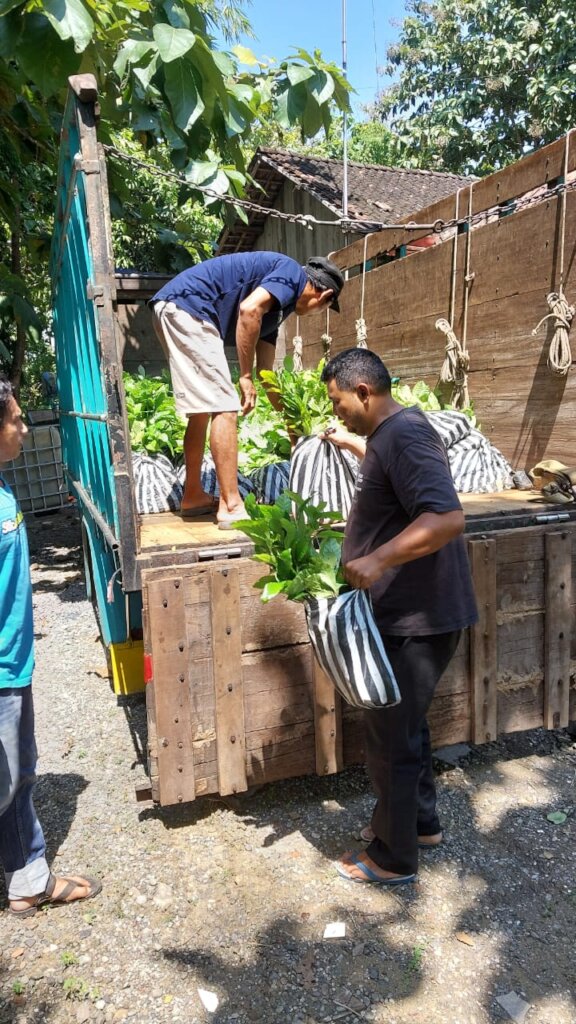
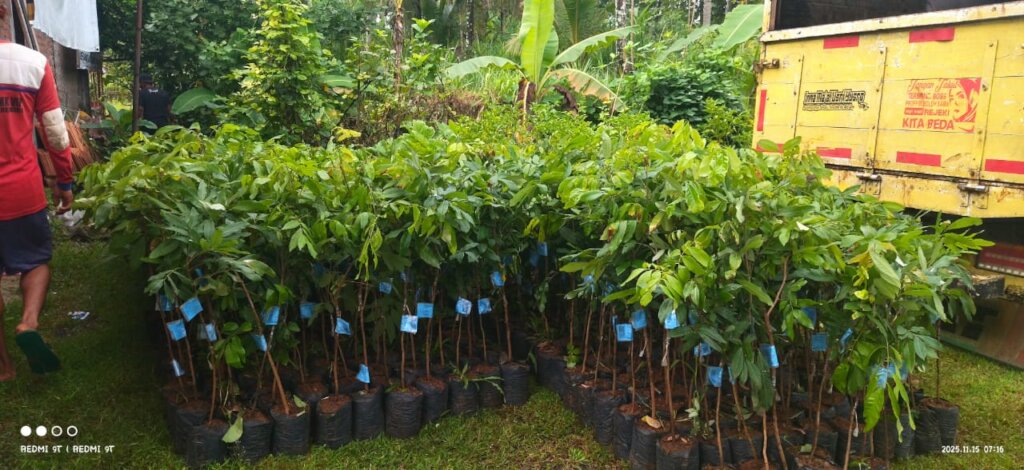
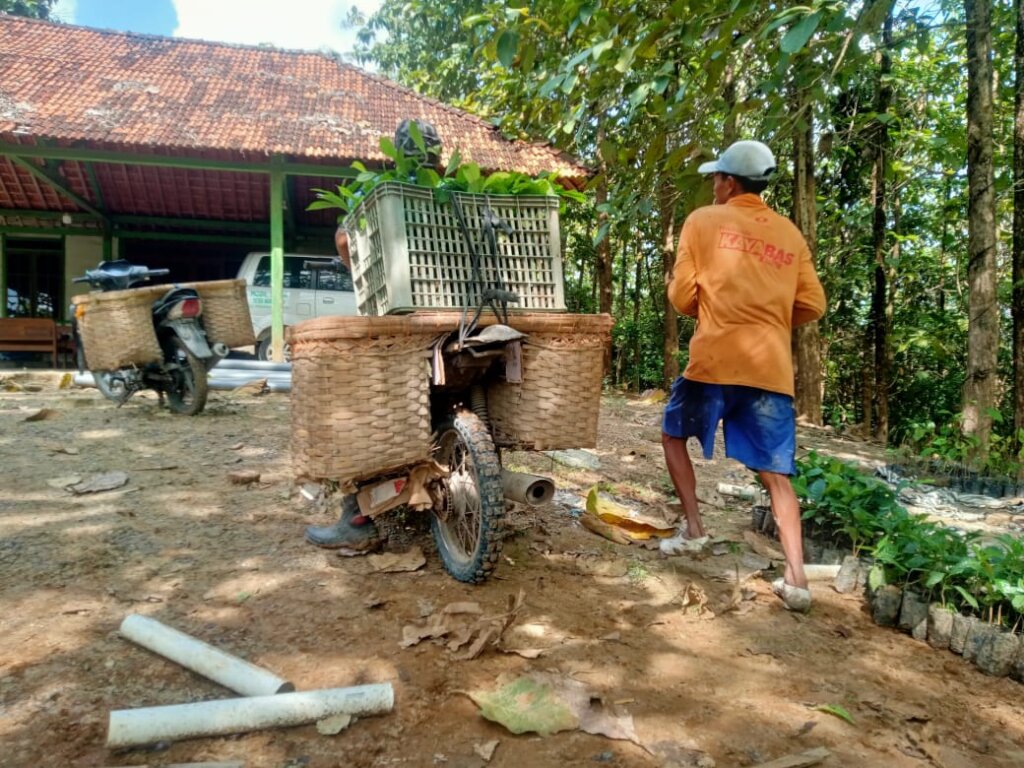
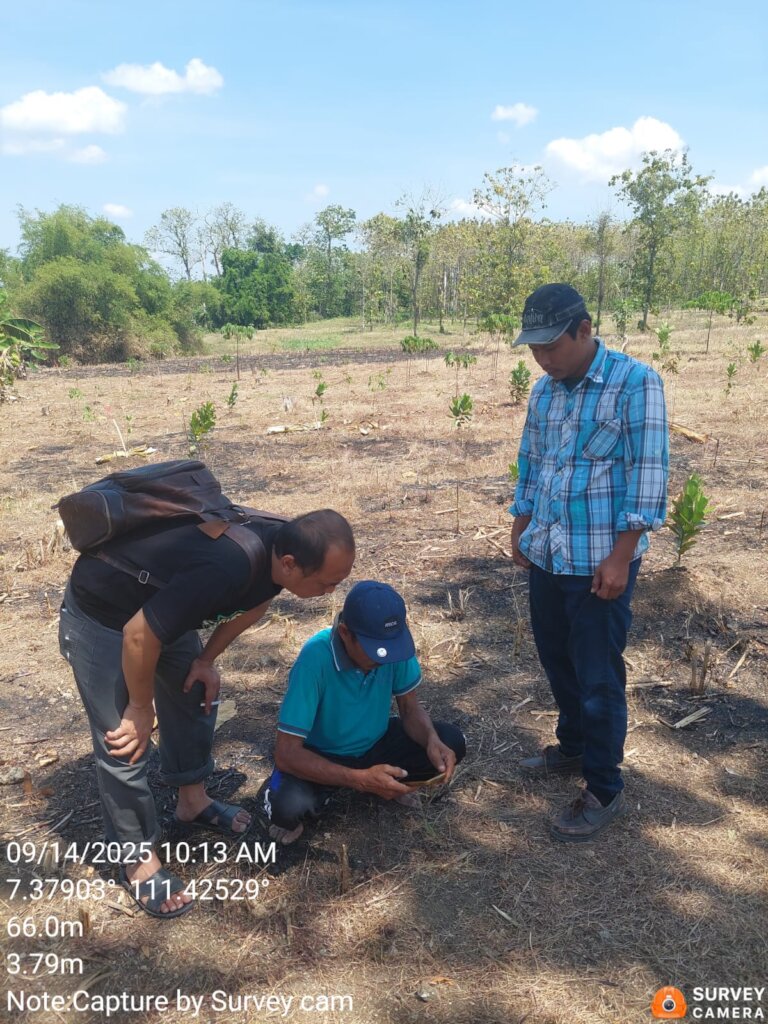
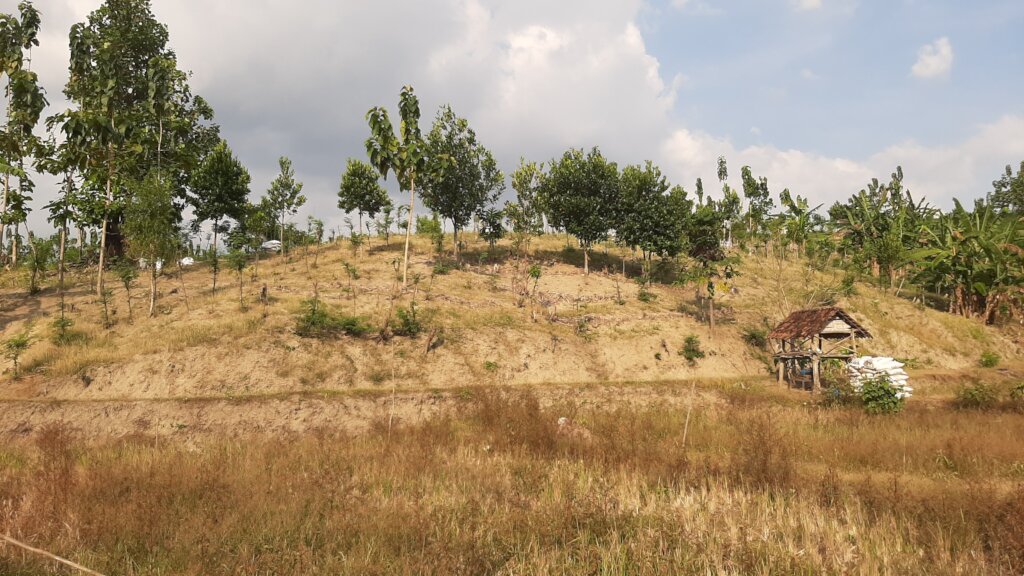
In rural landscapes like in Blora, Central Java, resilience begins with the land. Years of ecological pressure, declining soil fertility, and limited economic opportunities have left many farming families vulnerable to climate shocks and unstable incomes. Yet within these challenges lies an opportunity: restoring forests while strengthening livelihoods.
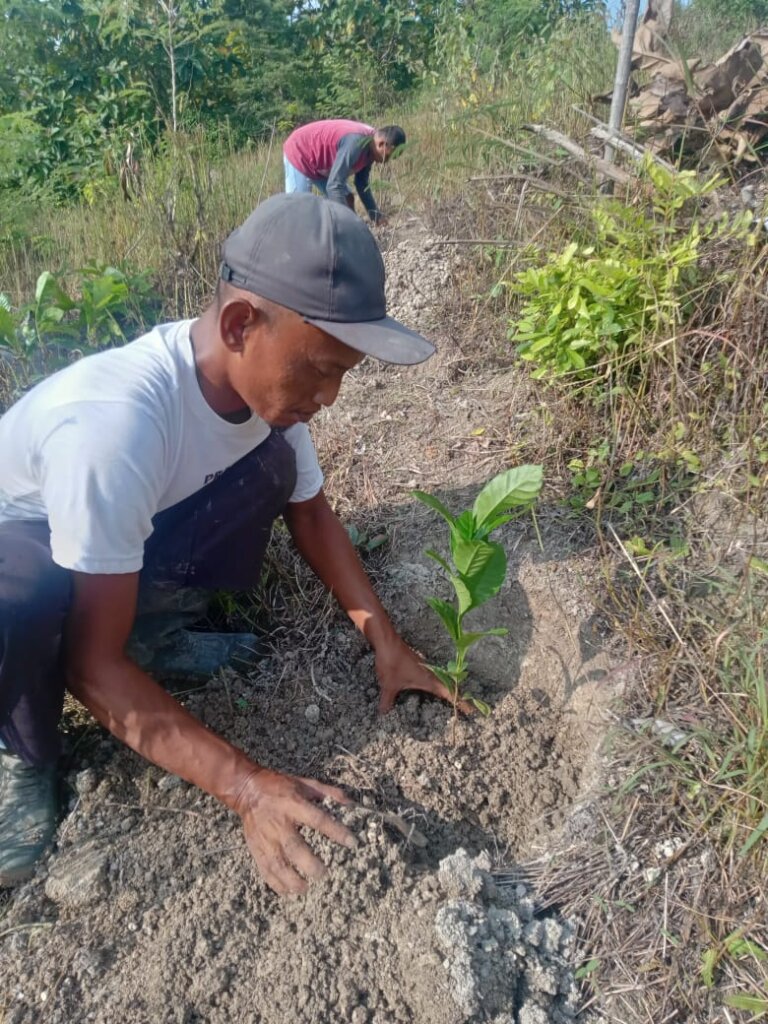
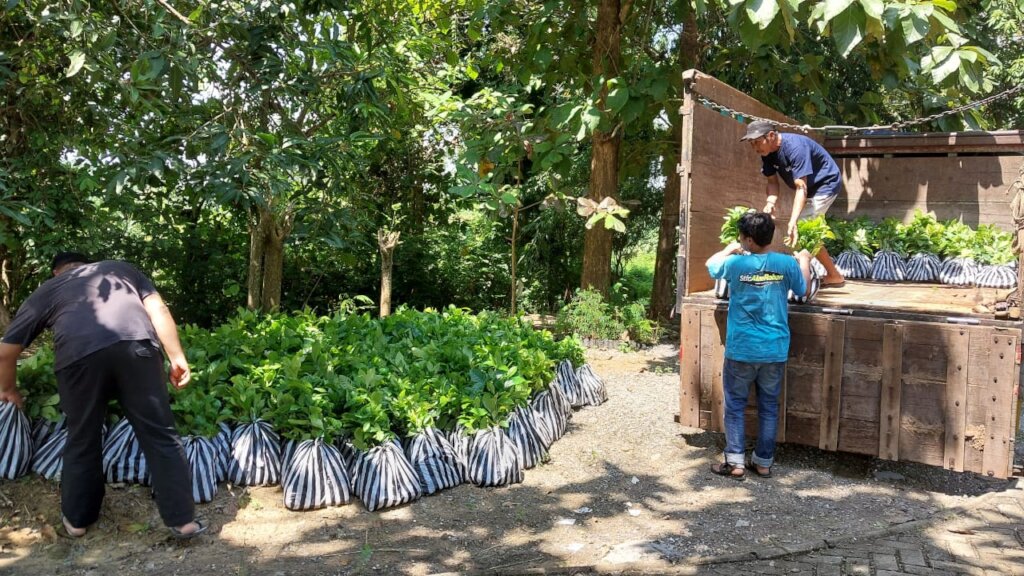
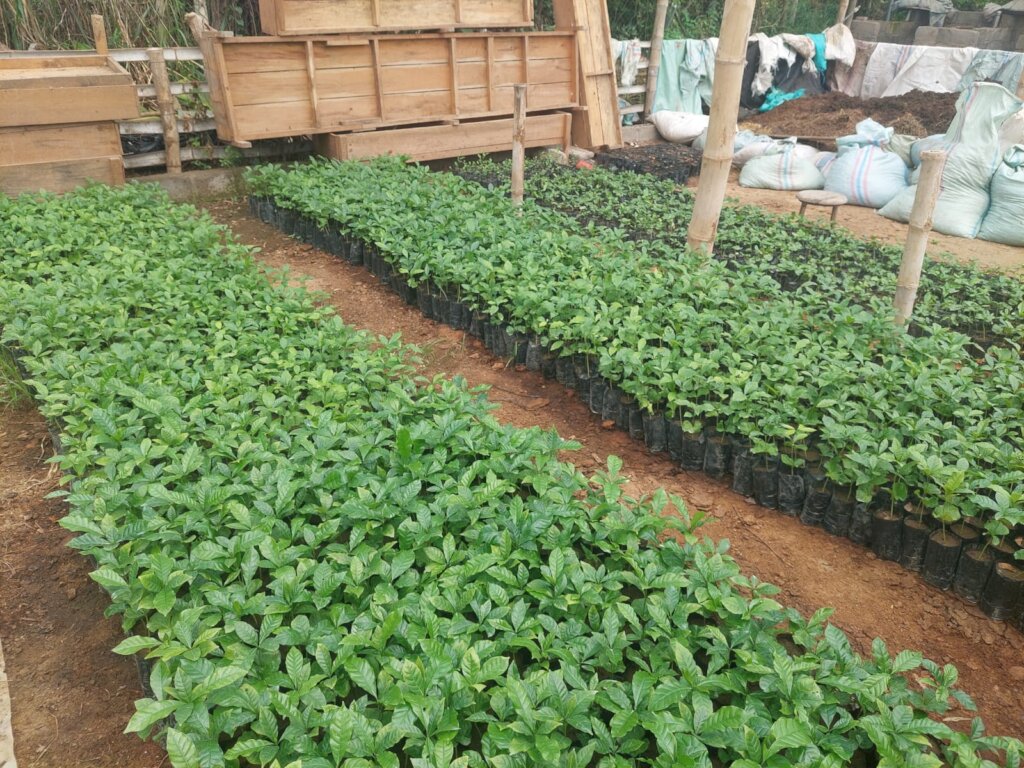
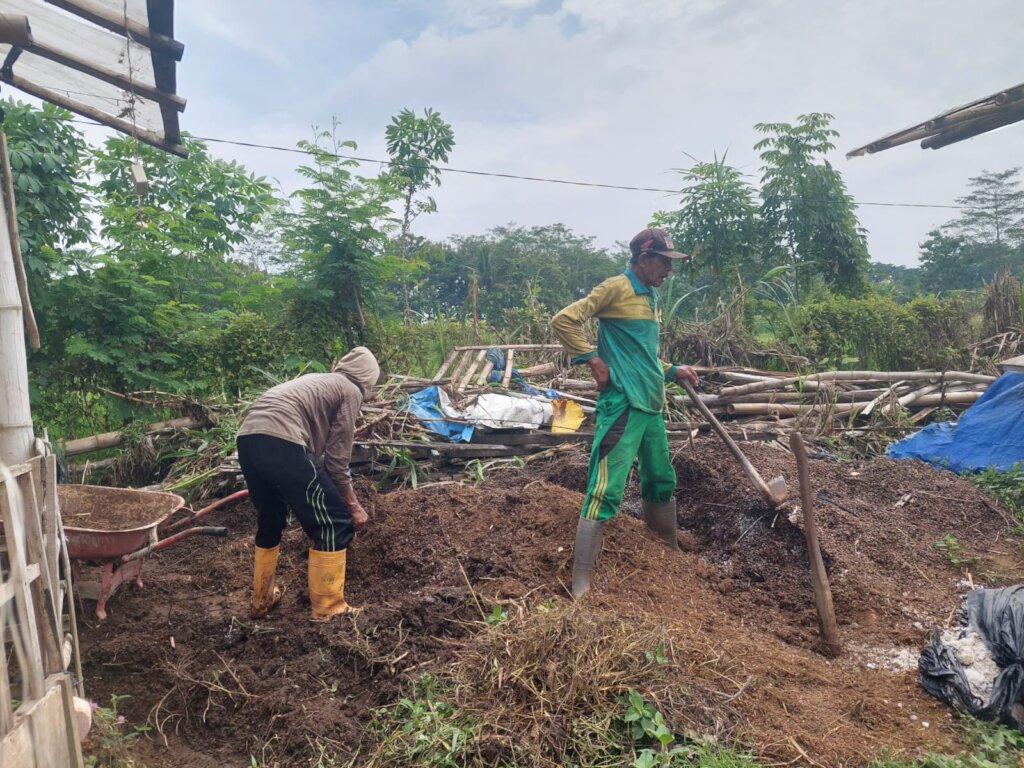
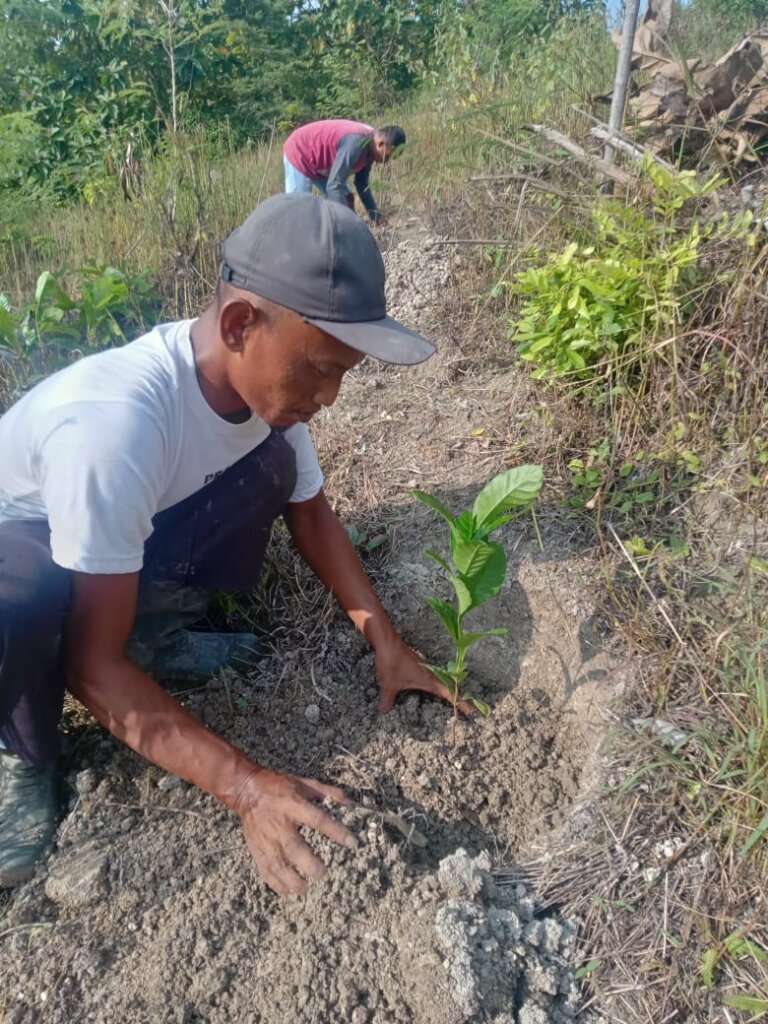
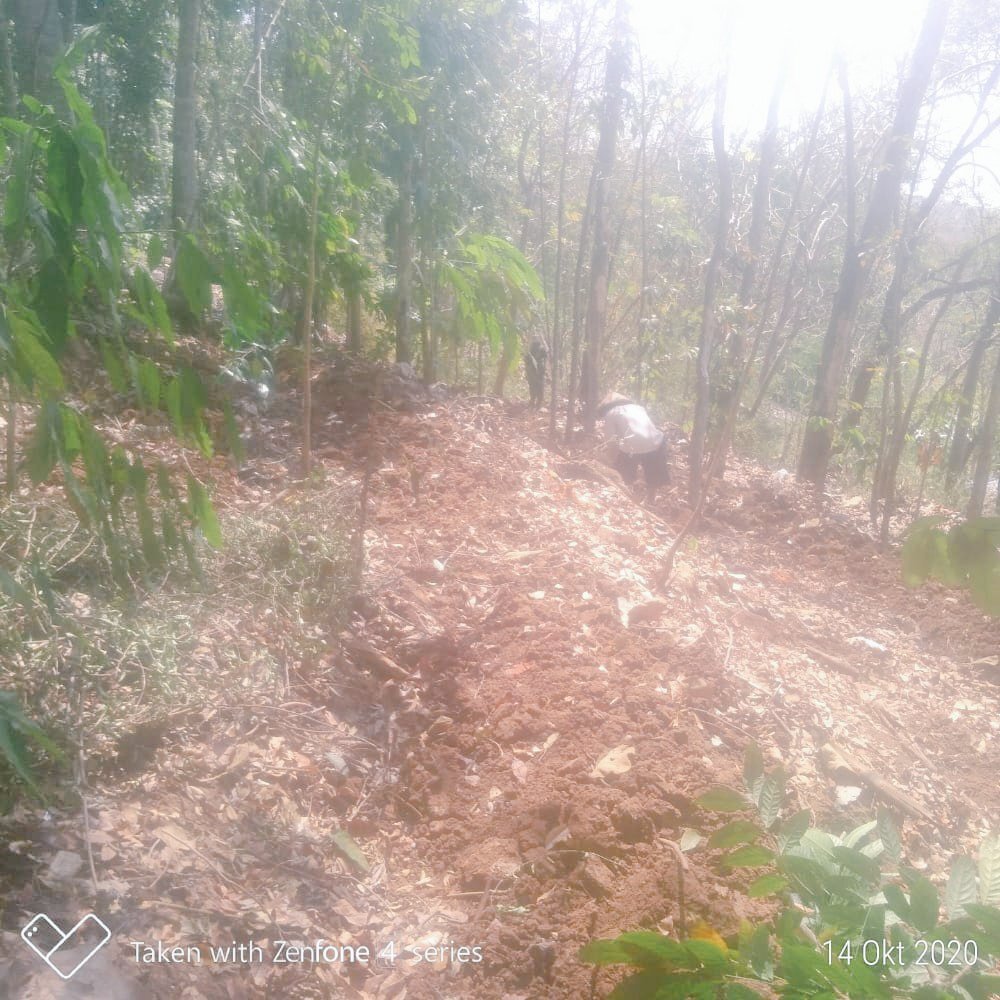
Through collaboration between Yayasan INFEST and communities are building practical pathways toward sustainable land management. Tree planting is not treated as a symbolic activity, but as part of an integrated agroforestry and agrosilvopastoral system that combines coffee cultivation, timber and fruit trees, and livestock in one productive landscape.
This approach improves soil structure, protects water sources, enhances carbon absorption, and diversifies farmer income. By planting trees alongside crops, farmers reduce climate risks while creating long-term economic stability. At the same time, participatory village planning ensures that forest conservation is embedded within local governance structures, strengthening institutional resilience as well as ecological health.
Resilience is not built overnight. It grows season by season—through stronger roots, healthier soils, empowered farmers, and communities that see forests as partners in their future. Each tree planted is a step toward landscapes that can withstand climate uncertainty while sustaining rural prosperity.
Planting trees is the beginning. Building resilience is the lasting impact.