By Nur Abdullah | Project Staff
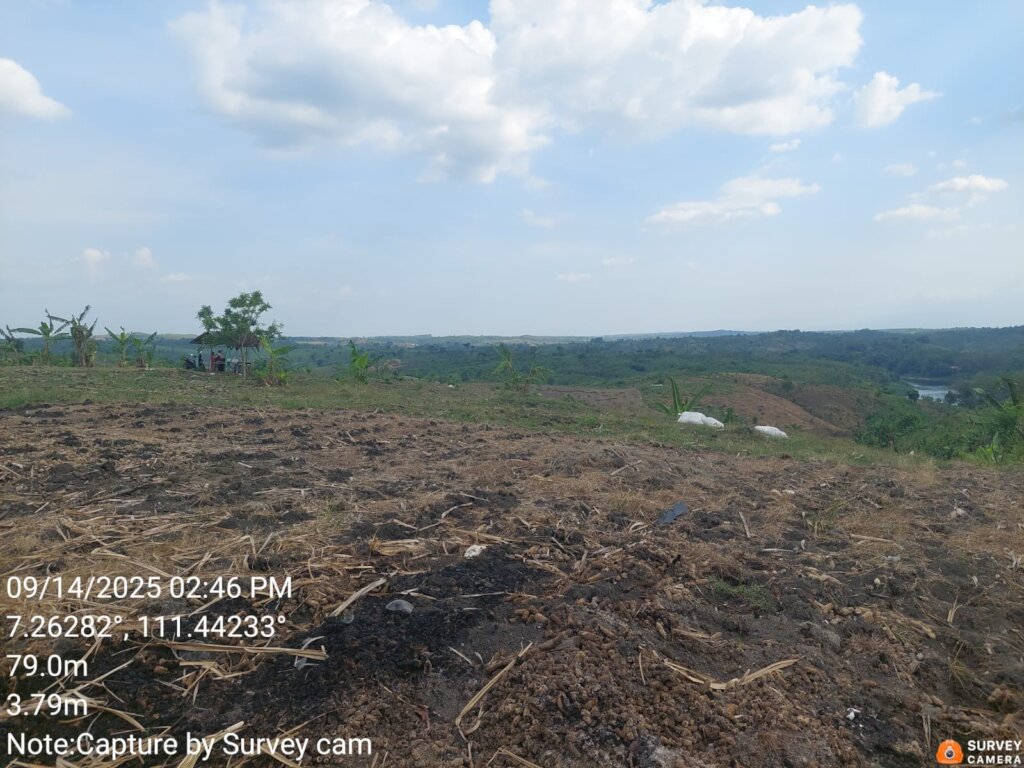
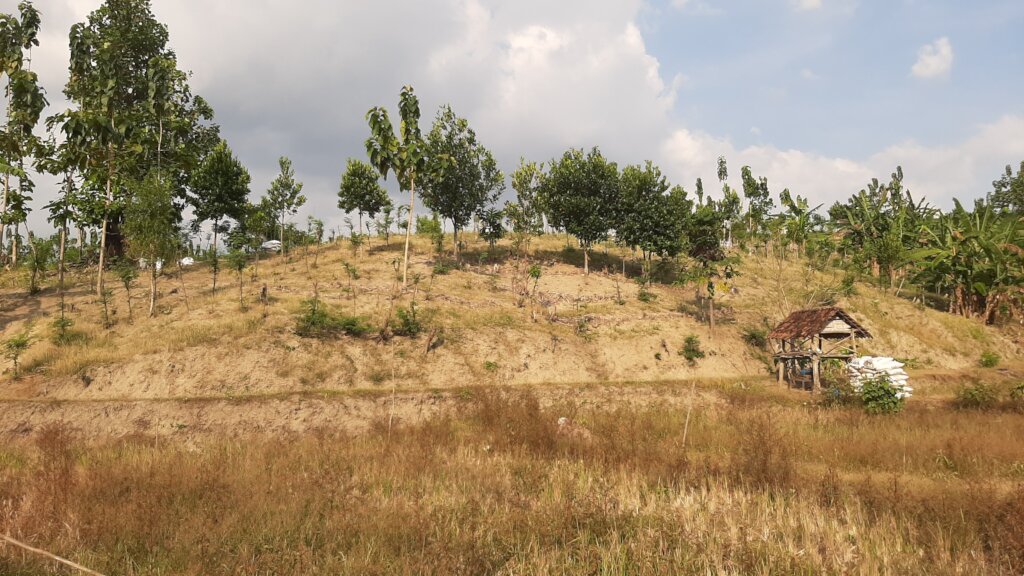
Climate change is often discussed at global summits—but its impacts are felt most deeply in rural villages. In forest-edge communities in Blora, Central Java, unpredictable rainfall, declining soil fertility, and shrinking forest cover directly affect farmers’ incomes, water security, and household stability. For these communities, climate action is not an abstract agenda; it is a daily necessity.
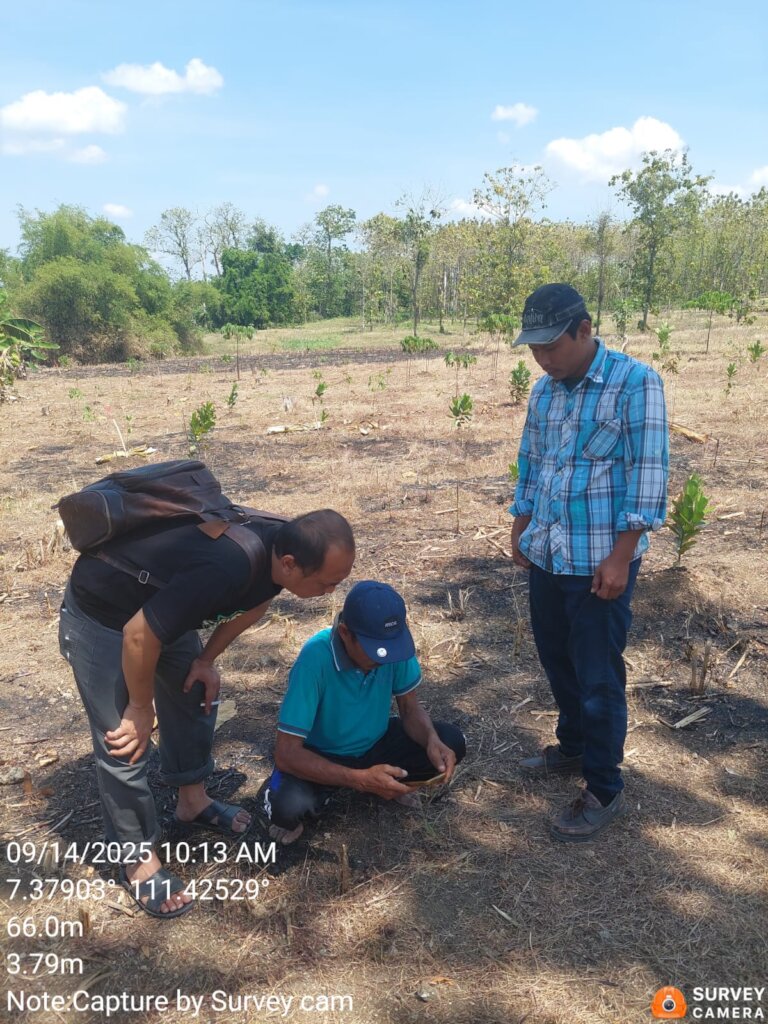
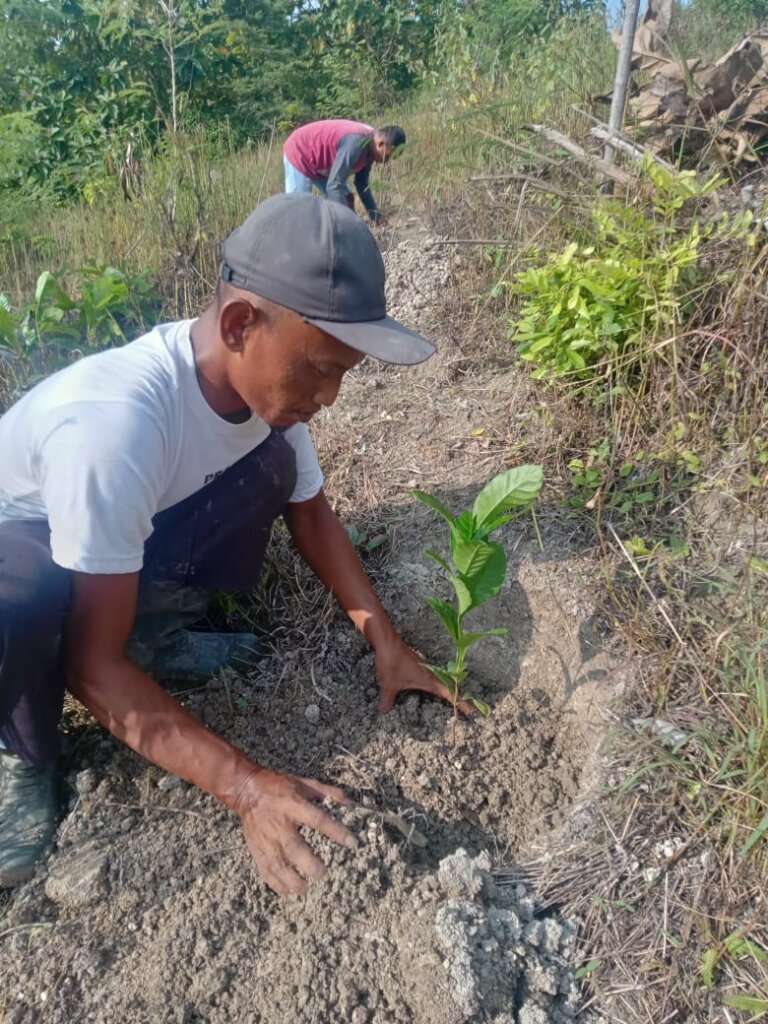
Recognizing this reality, Yayasan INFEST, in collaboration with the local communities, advances a community-centered approach to restoration and resilience. Rather than imposing external solutions, the initiative strengthens local capacity to manage forest landscapes sustainably through participatory planning, agroforestry development, and integrated livelihood strategies.
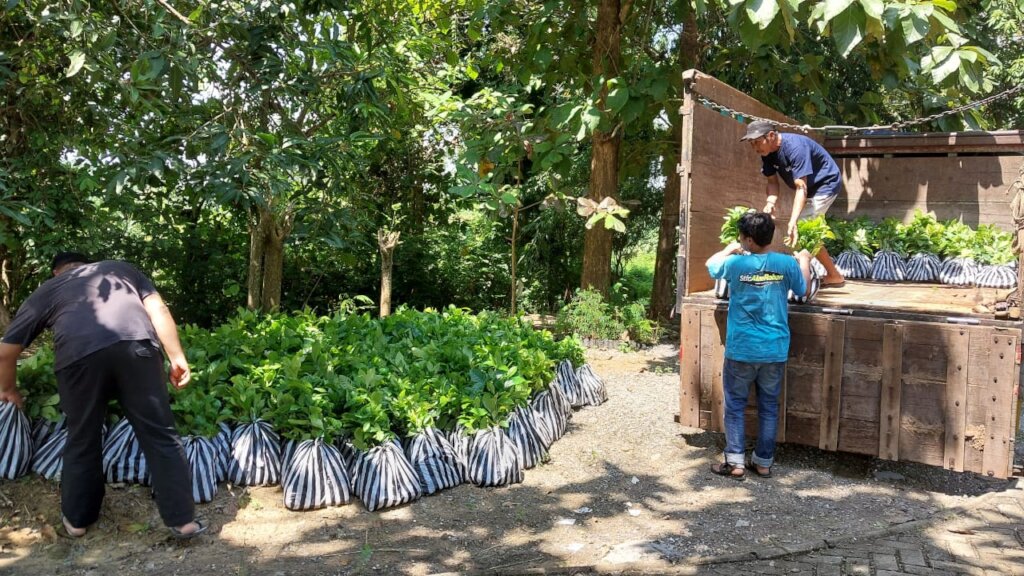
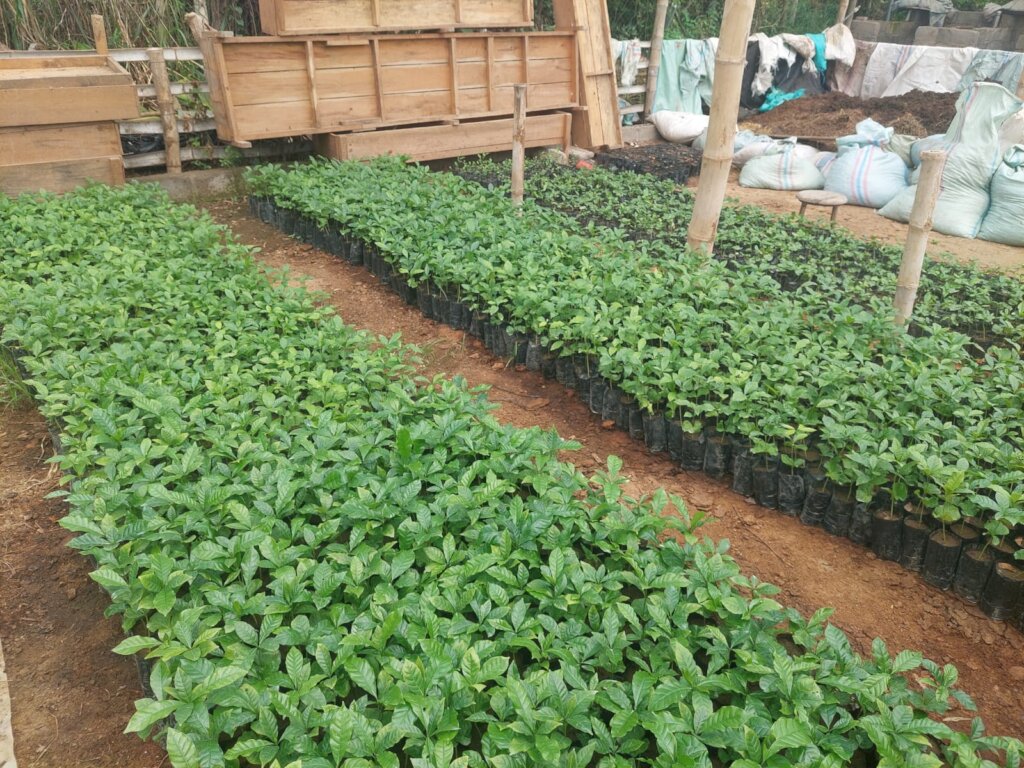
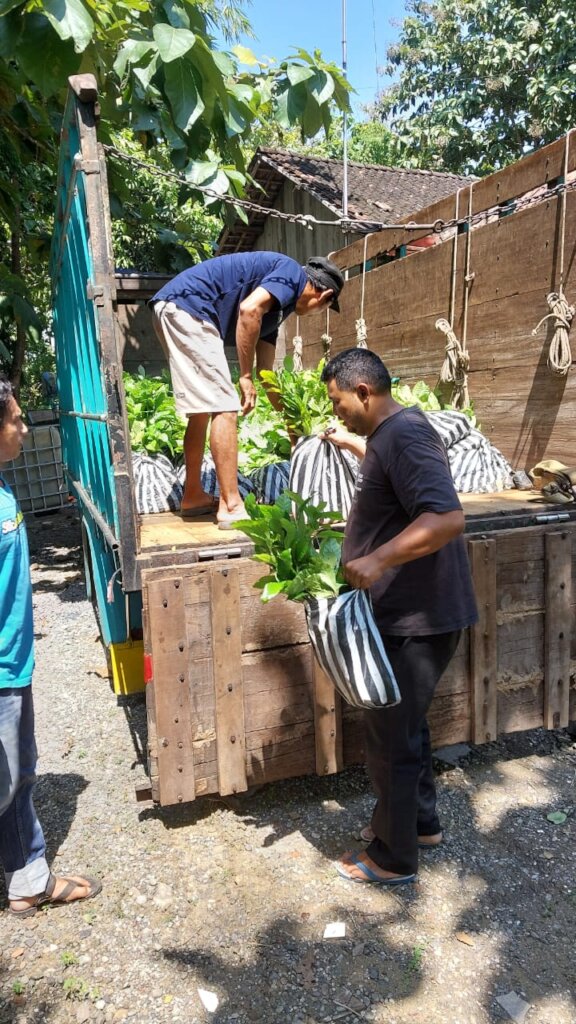
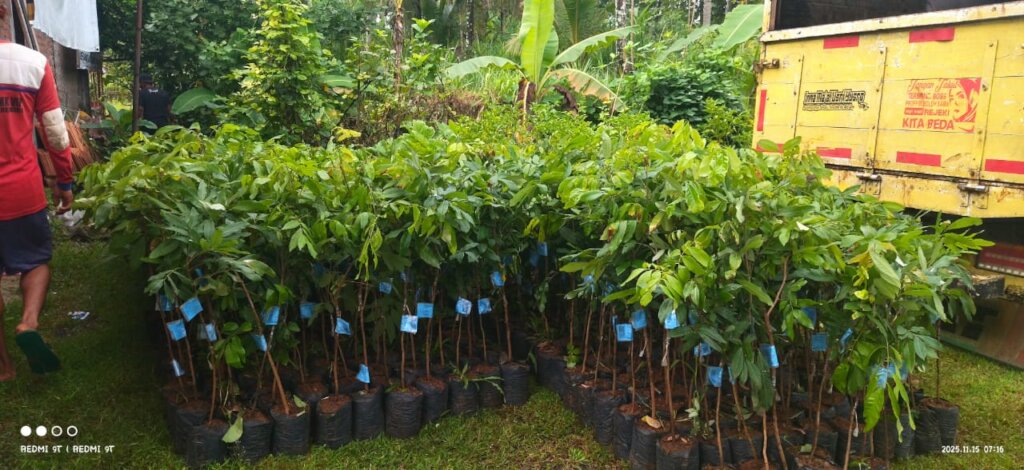
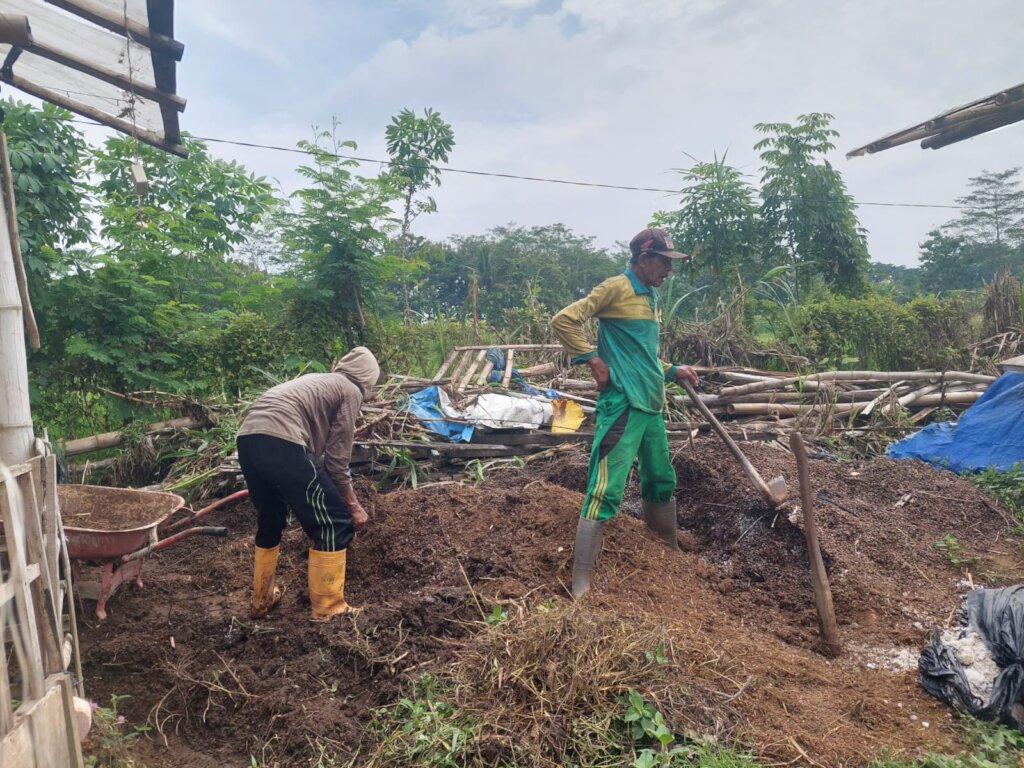
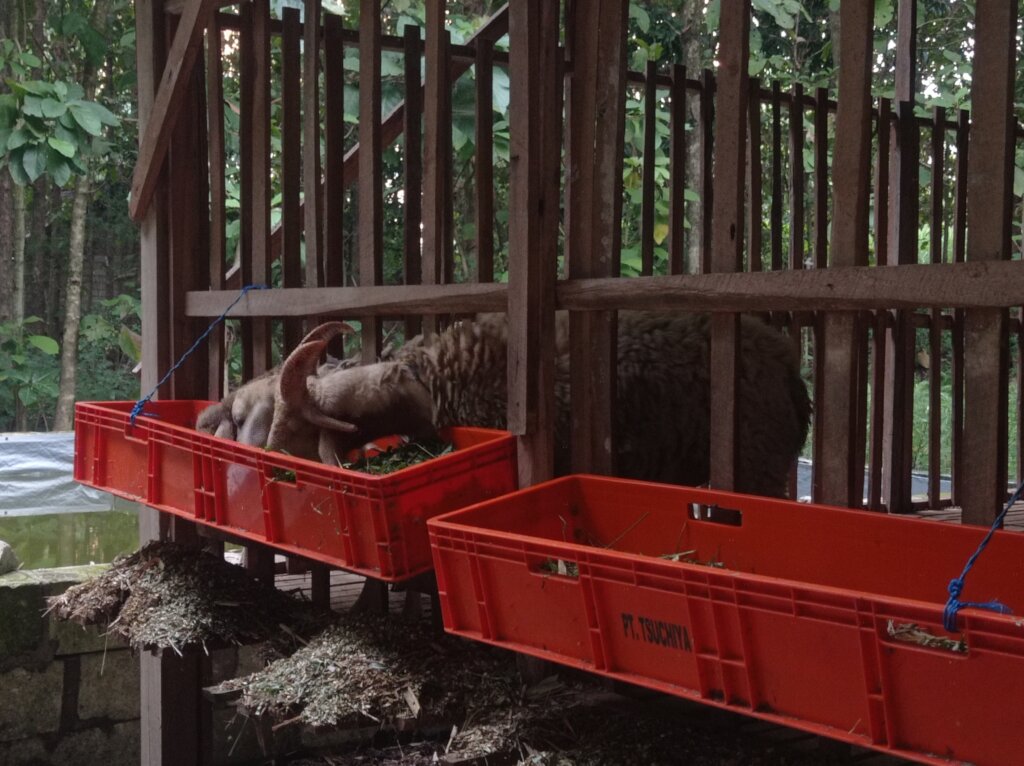
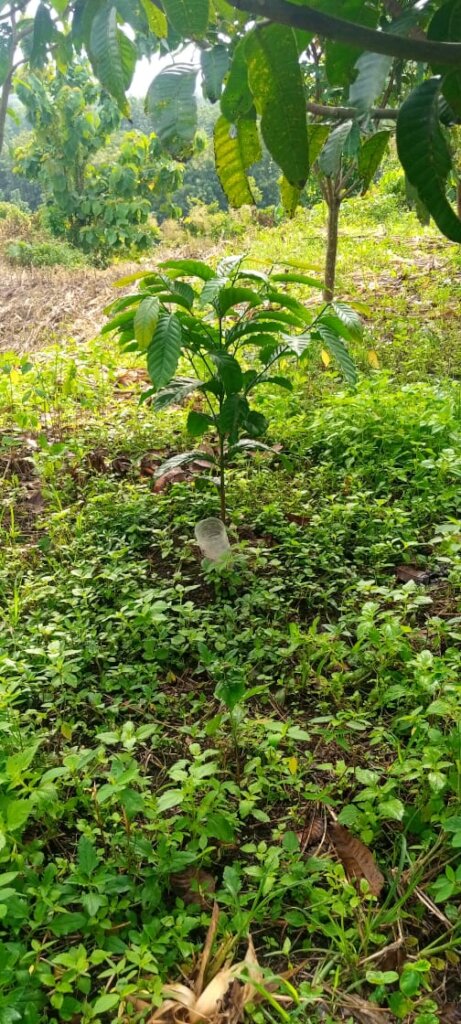
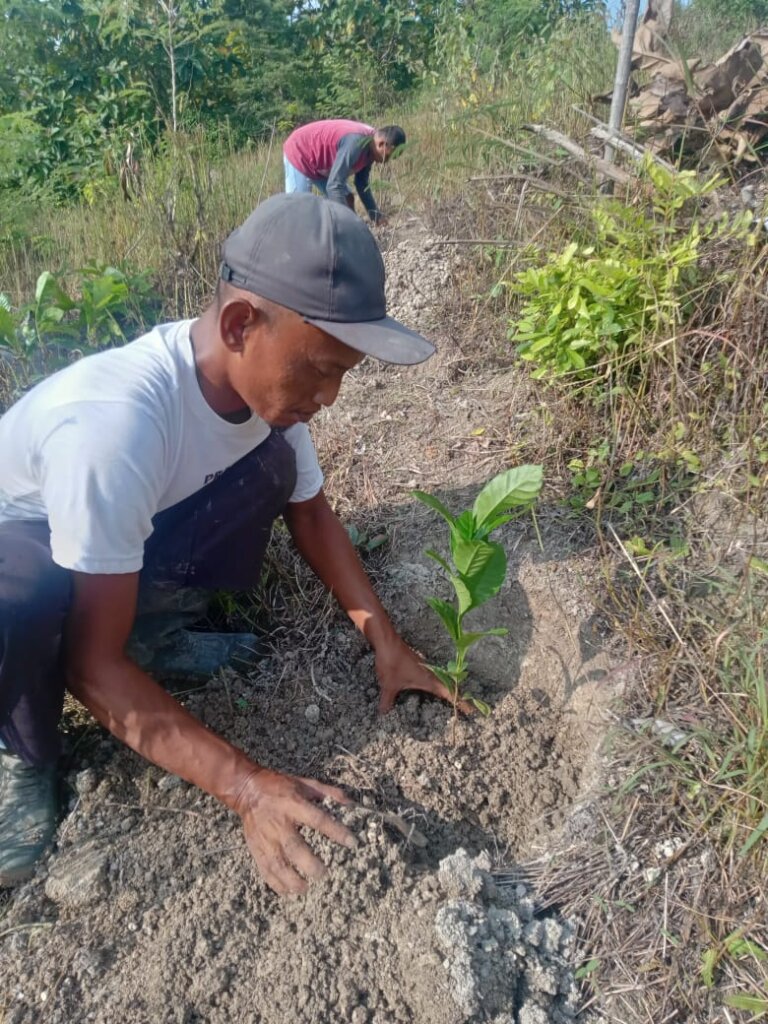
At the landscape level, coffee-based agroforestry systems are introduced, combining productive crops with timber trees, fruit species, and endemic forest plants. In parallel, designated conservation zones are rehabilitated to protect water sources and biodiversity. Livestock-based programs generate organic fertilizer, creating circular agricultural systems that improve soil health while reducing chemical dependence.
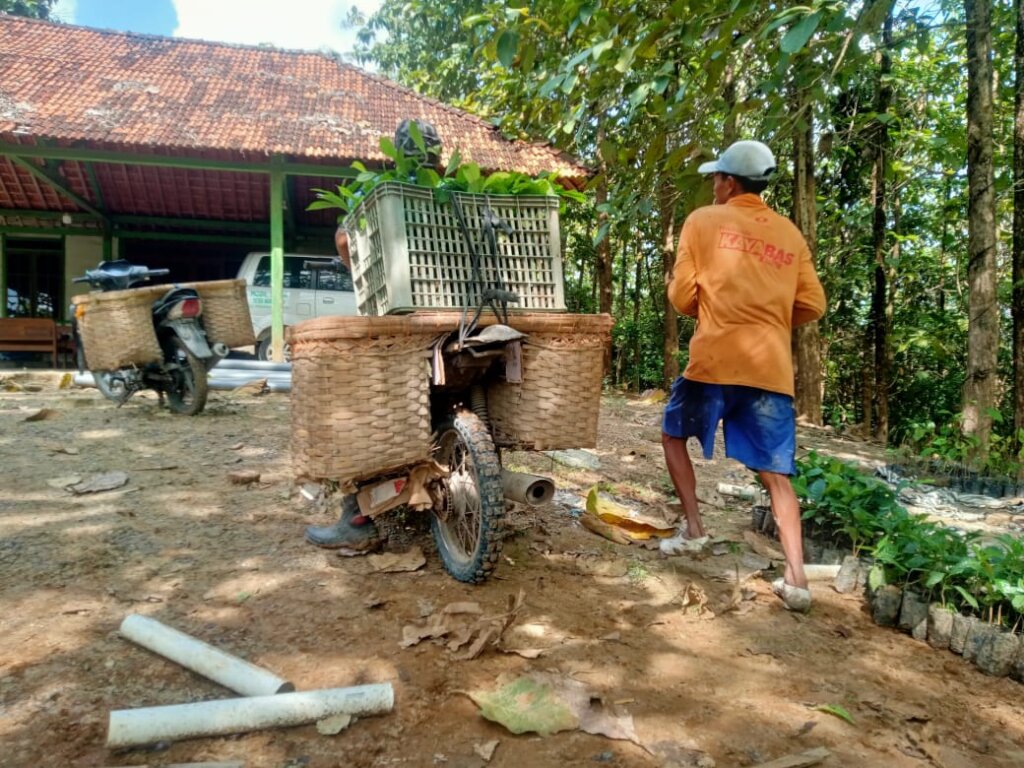
Importantly, climate action here is inseparable from economic empowerment. Farmers receive training, seedlings, and institutional support to build diversified income streams. Women’s groups are supported in developing creative industries, expanding household resilience beyond land-based income alone.
This integrated model transforms communities from passive victims of environmental degradation into active agents of restoration. Forest recovery strengthens livelihoods; stronger livelihoods reduce pressure on forests. Through collective action, transparent governance, and sustainable production systems, rural communities demonstrate that meaningful climate solutions begin locally.
Climate action, when rooted in community, becomes lasting. It grows through stronger institutions, healthier ecosystems, and families empowered to protect the landscapes that sustain their future.
Project reports on GlobalGiving are posted directly to globalgiving.org by Project Leaders as they are completed, generally every 3-4 months. To protect the integrity of these documents, GlobalGiving does not alter them; therefore you may find some language or formatting issues.
If you donate to this project or have donated to this project, you can receive an email when this project posts a report. You can also subscribe for reports without donating.



Support this important cause by creating a personalized fundraising page.
Start a Fundraiser