By Misbachul Munir | Project Staff
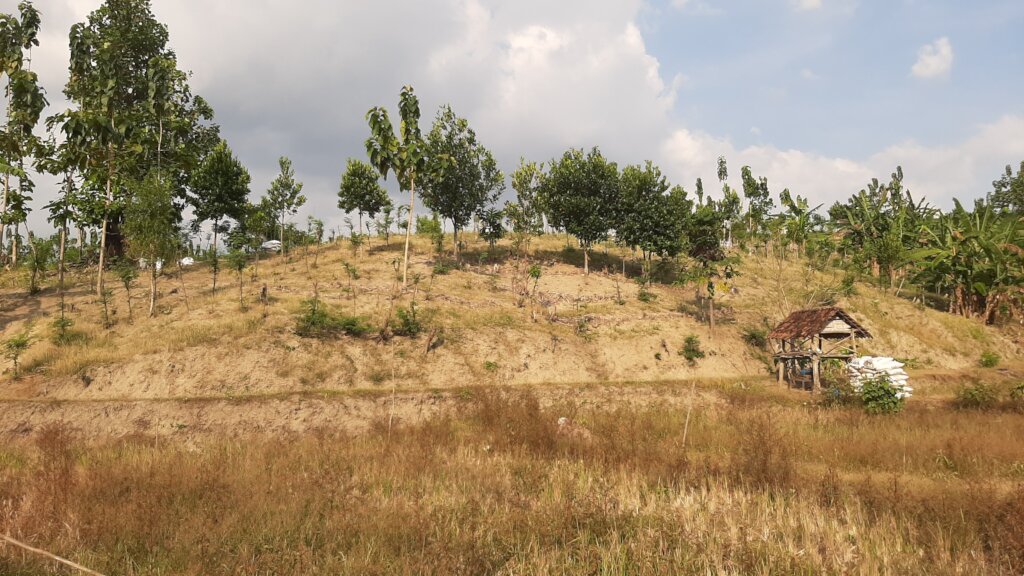
In many forest-adjacent villages, including those in Blora, Central Java, communities face two interconnected challenges: environmental degradation and economic vulnerability. Pressure on forest areas often does not stem from deliberate destruction, but from limited livelihood options. When agricultural productivity declines and income opportunities are scarce, forests become the last safety net for survival.
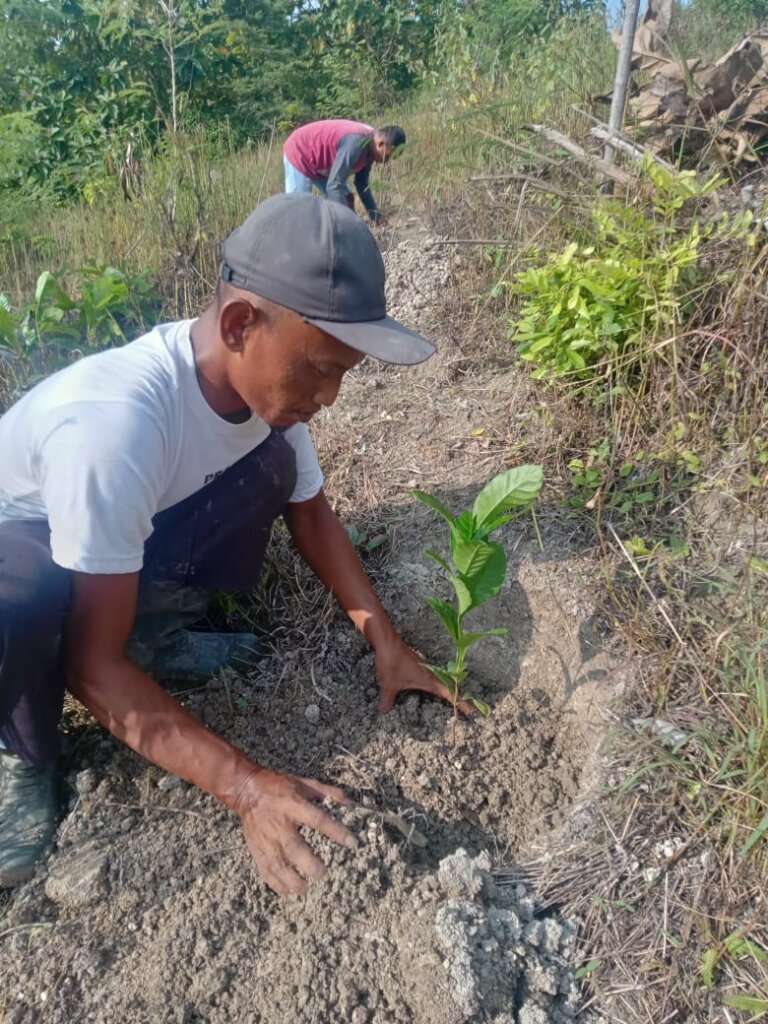
In this context, agroforestry emerges as a highly relevant and strategic solution. It is not merely a farming technique, but an integrated landscape approach that combines ecological restoration, productive land use, and community empowerment.
Ecological Crisis and Rural Economic Challenges
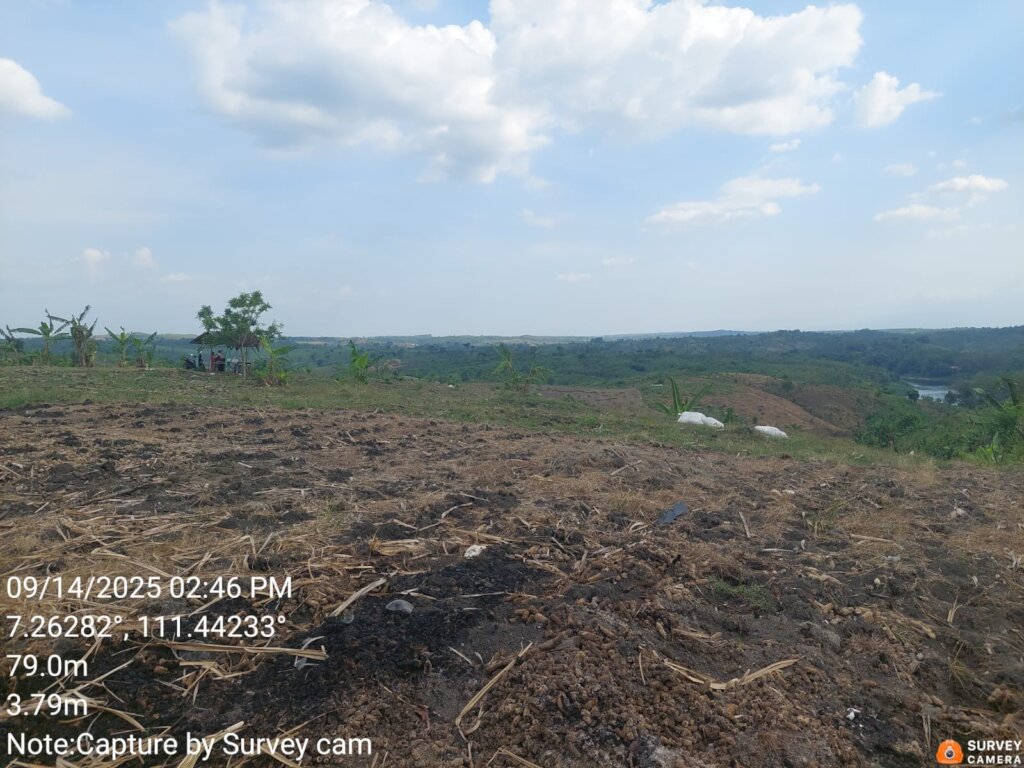
For years, monoculture farming systems and excessive chemical inputs have reduced soil fertility, weakened water absorption capacity, and increased erosion risks. At the same time, farmers who depend on a single commodity are highly vulnerable to price fluctuations and climate variability.
This combination of degraded land and unstable income creates a cycle of vulnerability. When harvests decline, communities may resort to unsustainable forest utilization practices. Without viable economic alternatives, conservation efforts are difficult to sustain.
Agroforestry as an Integrated Solution
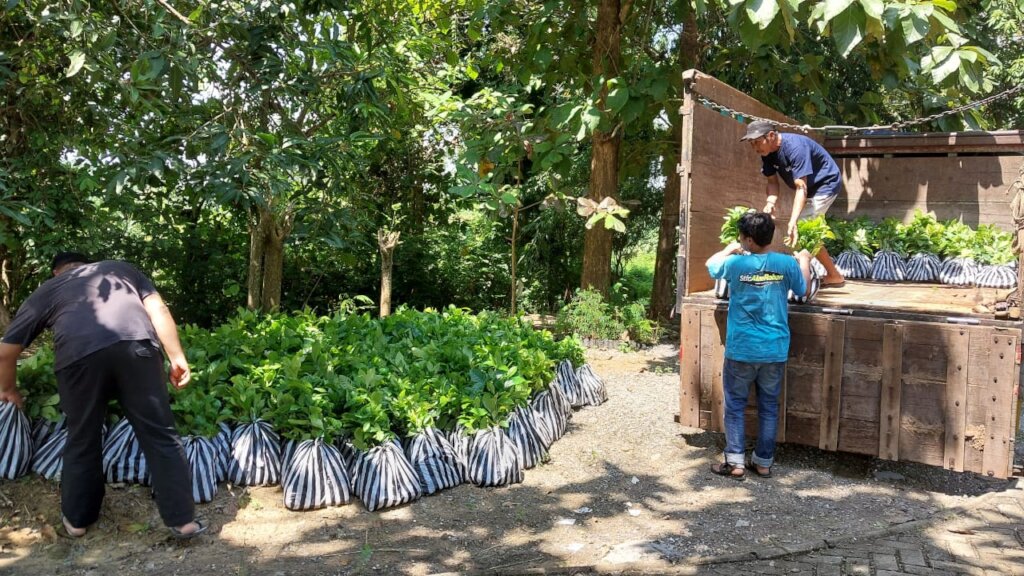
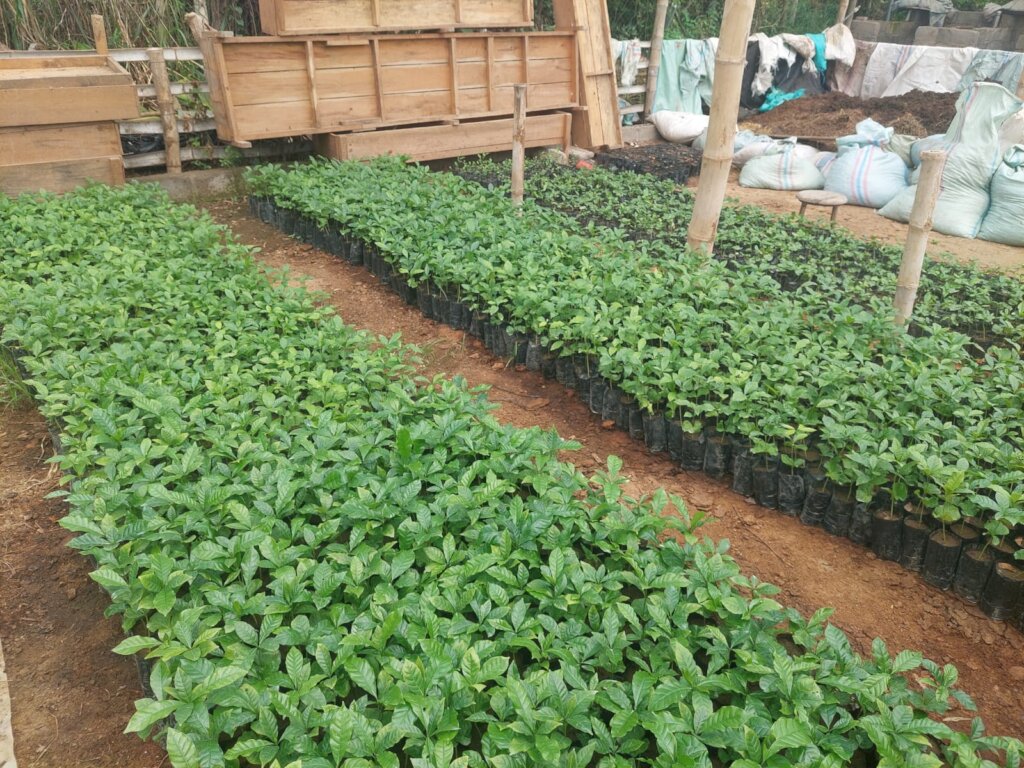
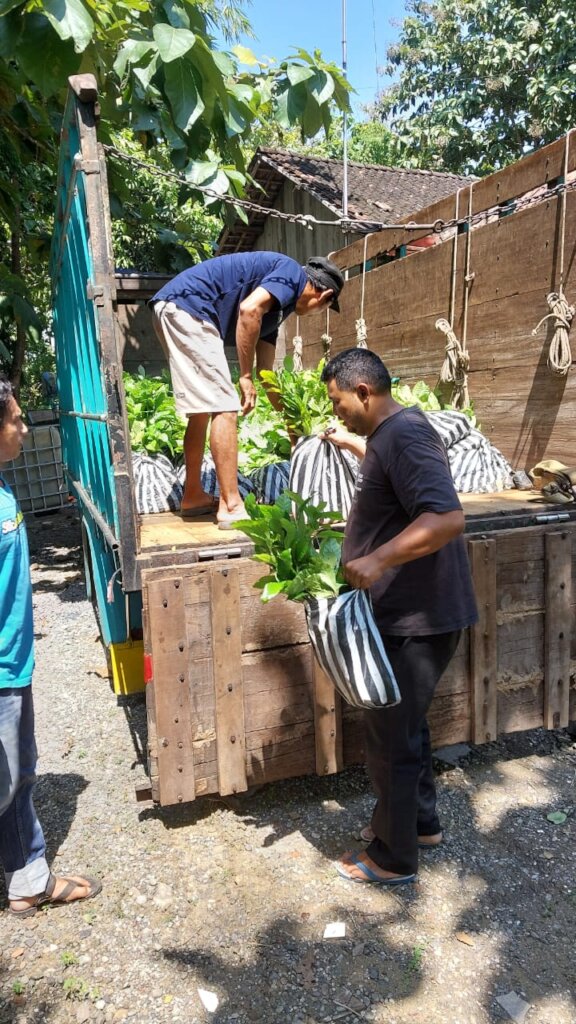
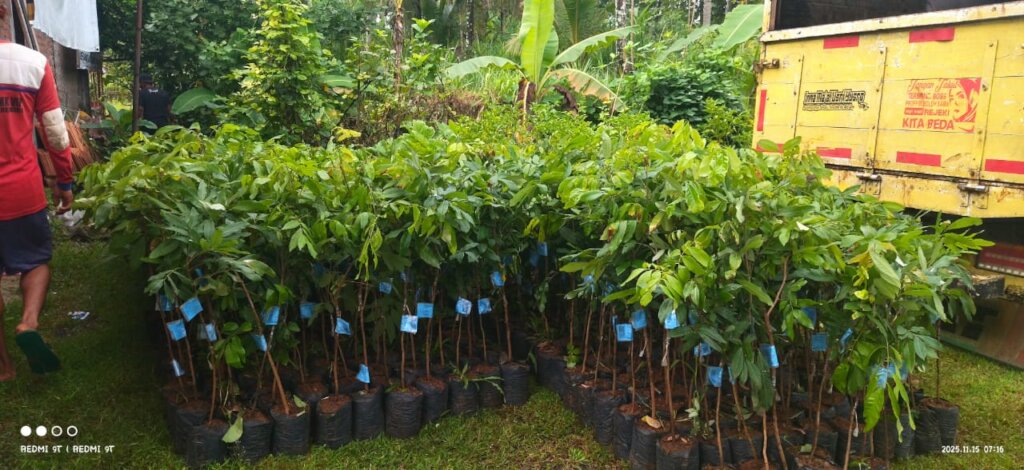
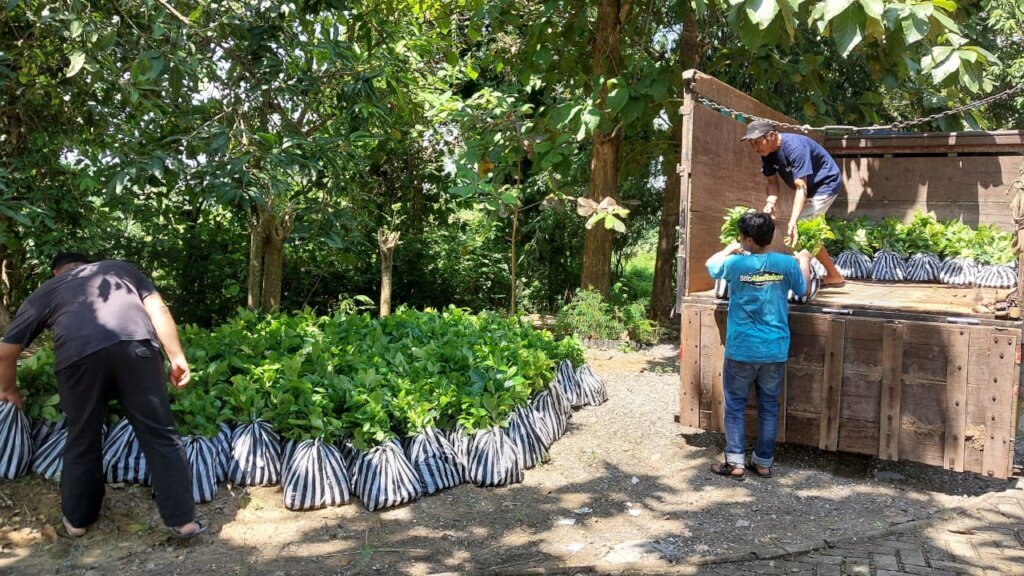
Agroforestry addresses both environmental and economic challenges simultaneously. The system integrates productive crops—such as coffee, fruit trees, and timber—with conservation species and endemic forest plants within a single land management model. Its multi-layered planting structure mimics natural forest ecosystems, generating both ecological and economic benefits.
Ecologically, agroforestry:
Economically, agroforestry:
Through this model, trees become productive assets rather than obstacles to farming.
Institutional and Governance Relevance
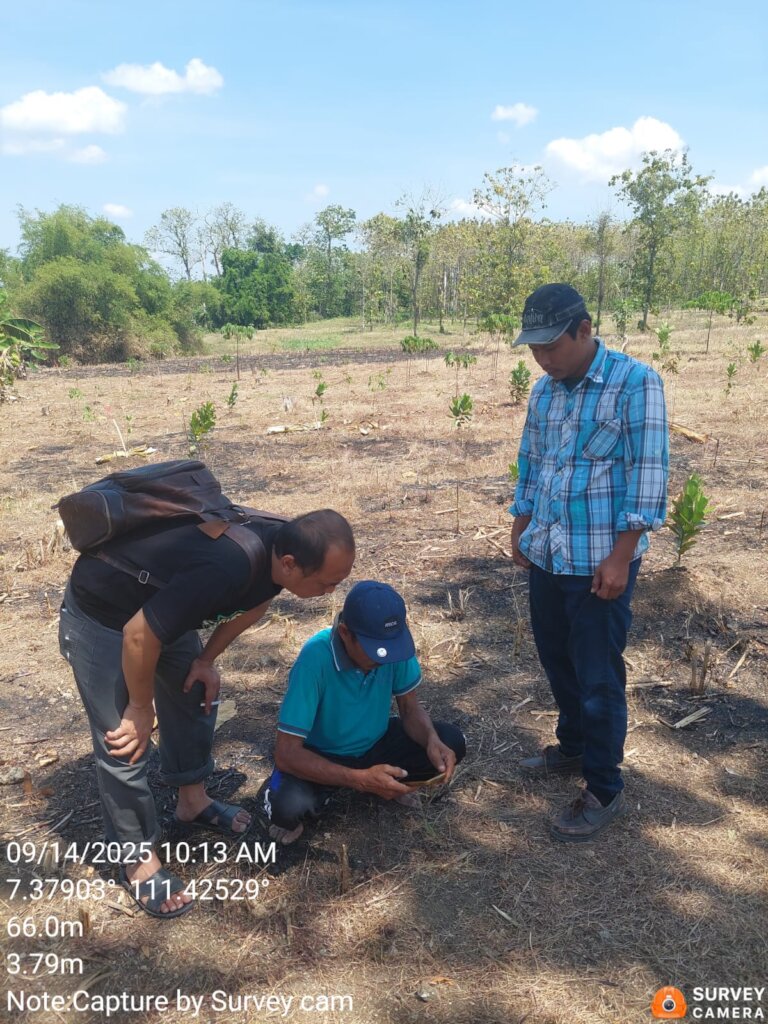
Agroforestry is also relevant within village governance systems. Through collaboration between Yayasan INFEST and the local communities, agroforestry development is strengthened by participatory village planning, asset mapping, and data-driven policy formulation.
Rather than being a purely technical intervention, agroforestry is embedded within village-level policies, farmer group institutions, and community-based economic strategies. This institutional integration is critical for long-term sustainability.
Reducing Pressure on Forest Areas
One of agroforestry’s strongest contributions is its ability to reduce pressure on natural forests. When farmers gain stable and diversified income from sustainably managed land, the incentive to expand into or exploit forest areas decreases.
In other words, agroforestry creates economic incentives for conservation. Forests are no longer seen solely as extractive resources, but as integral components of a productive and sustainable landscape.
Conclusion
Agroforestry is relevant because it connects ecological restoration with rural prosperity. It bridges conservation goals with livelihood needs. In contexts where poverty and environmental degradation are closely intertwined, integrated approaches such as agroforestry offer practical, locally grounded solutions.
Growing trees through agroforestry means growing resilience.
Protecting forests means protecting livelihoods.
When communities become the central actors in sustainable landscape management, sustainability moves beyond rhetoric—it becomes a lived practice rooted in rural life.
Project reports on GlobalGiving are posted directly to globalgiving.org by Project Leaders as they are completed, generally every 3-4 months. To protect the integrity of these documents, GlobalGiving does not alter them; therefore you may find some language or formatting issues.
If you donate to this project or have donated to this project, you can receive an email when this project posts a report. You can also subscribe for reports without donating.



Support this important cause by creating a personalized fundraising page.
Start a Fundraiser