By Khayat | Project Staff
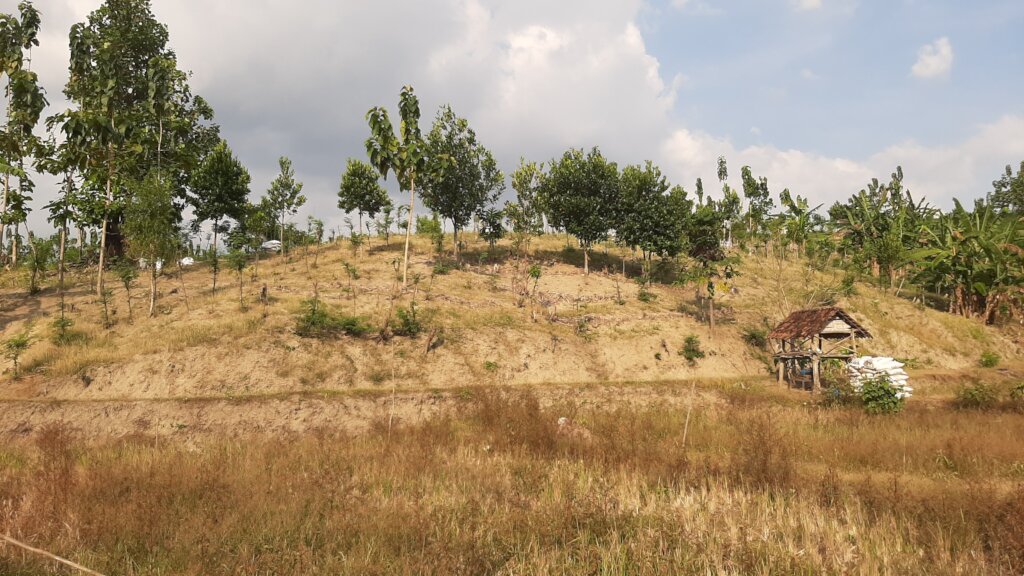
In forest-adjacent villages such as Ngrawoh in Blora, economic empowerment and environmental sustainability are being strengthened through a circular economy approach that integrates agroforestry and community livestock farming. This model ensures that each component supports the other, creating a self-reinforcing and environmentally responsible system.
In 2023, the Ngrawoh community received 80 sheep as an economic strengthening incentive through a grant from the Faculty of Social and Political Sciences, Universitas Gadjah Mada. Through organized group management and a structured breeding system, the livestock population has grown significantly to 235 sheep, now distributed among community members’ households.
The livestock initiative serves dual purposes. First, it strengthens household income through the sale and reproduction of sheep. Second, it plays a critical role in supporting sustainable agroforestry systems.
Feed, Fertility, and Forest Protection
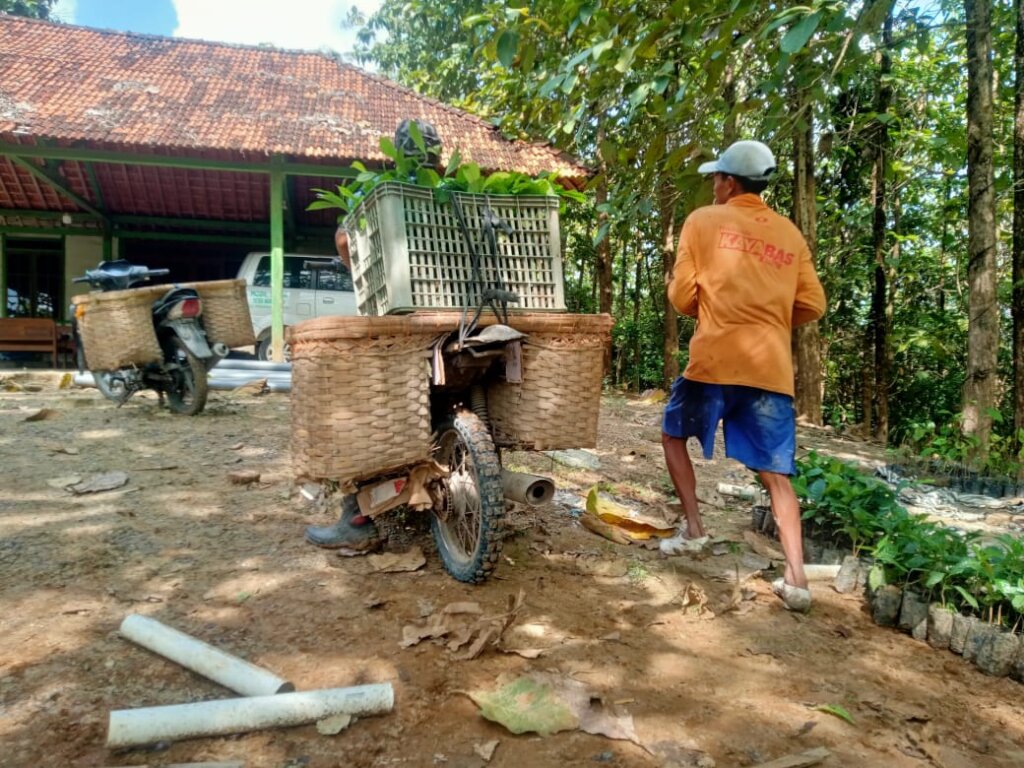
One of the key advantages of this model is the availability of natural livestock feed sourced responsibly from areas around the forest, such as grass and understory vegetation. This feed is collected in a controlled and non-destructive manner, ensuring that forest cover and ecosystem balance remain intact.
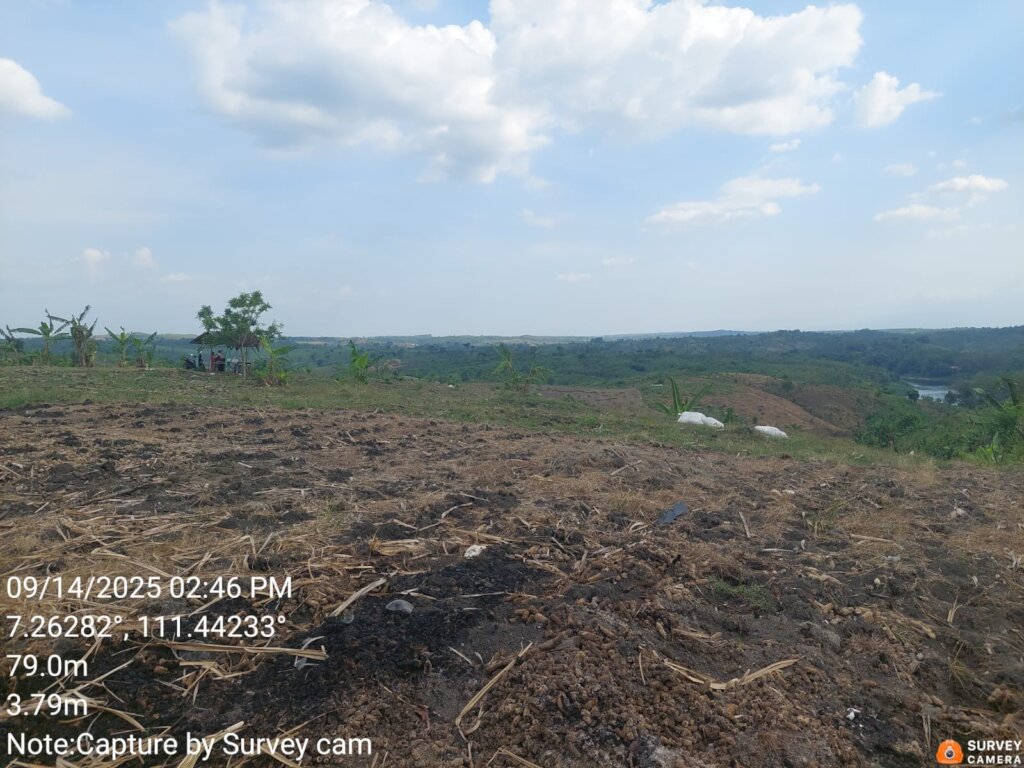
Because livestock provides an additional income stream, community members can improve their economic stability without expanding into or clearing forest areas. This reduces pressure on forest ecosystems and aligns livelihood improvement with conservation goals.
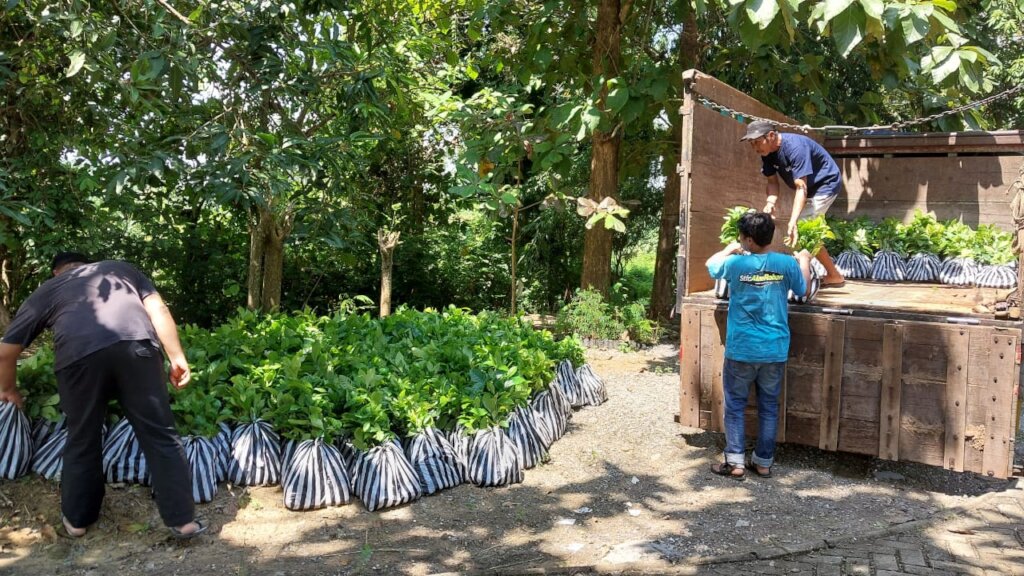
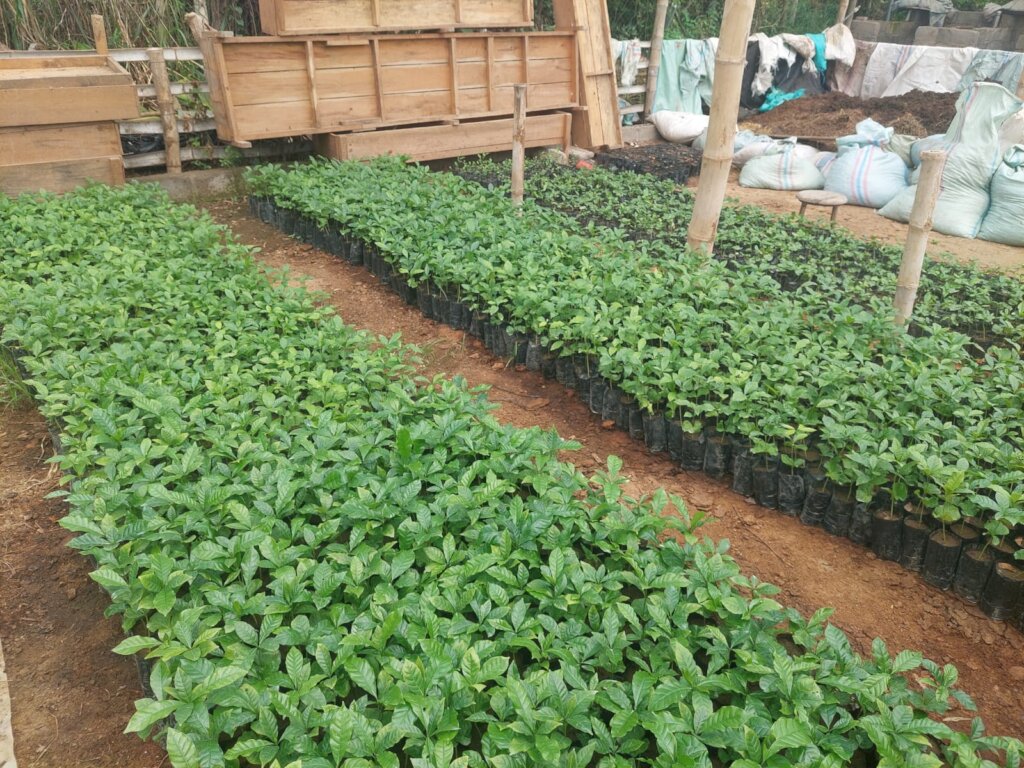
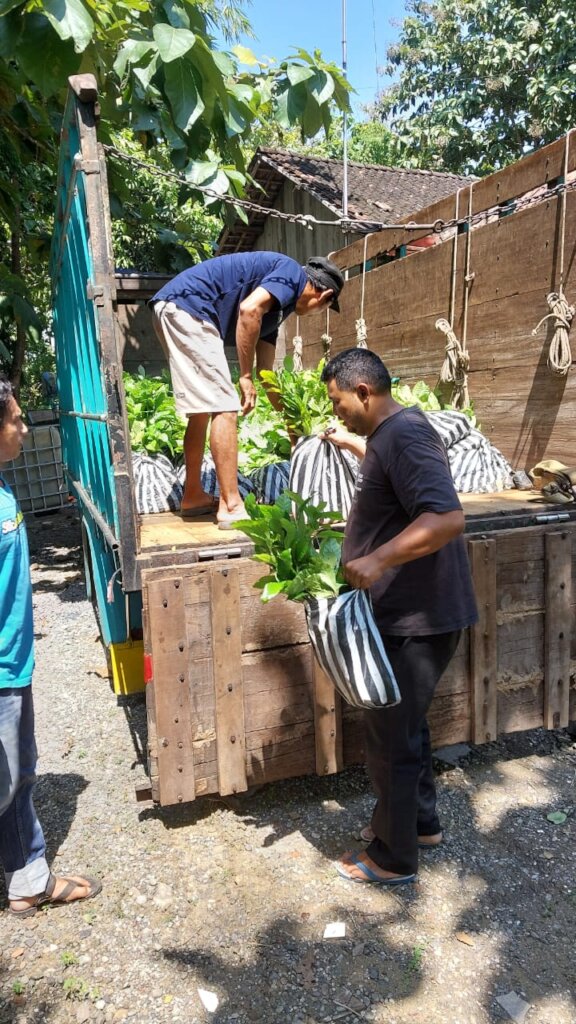
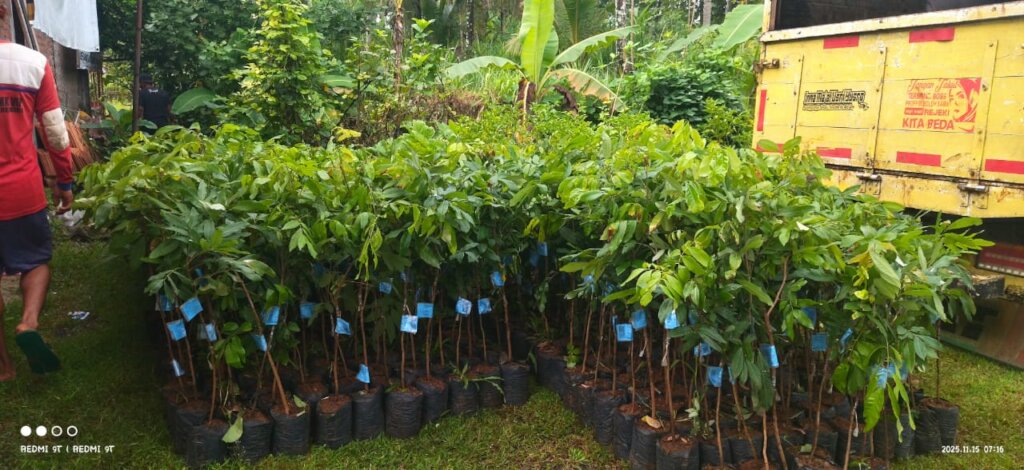
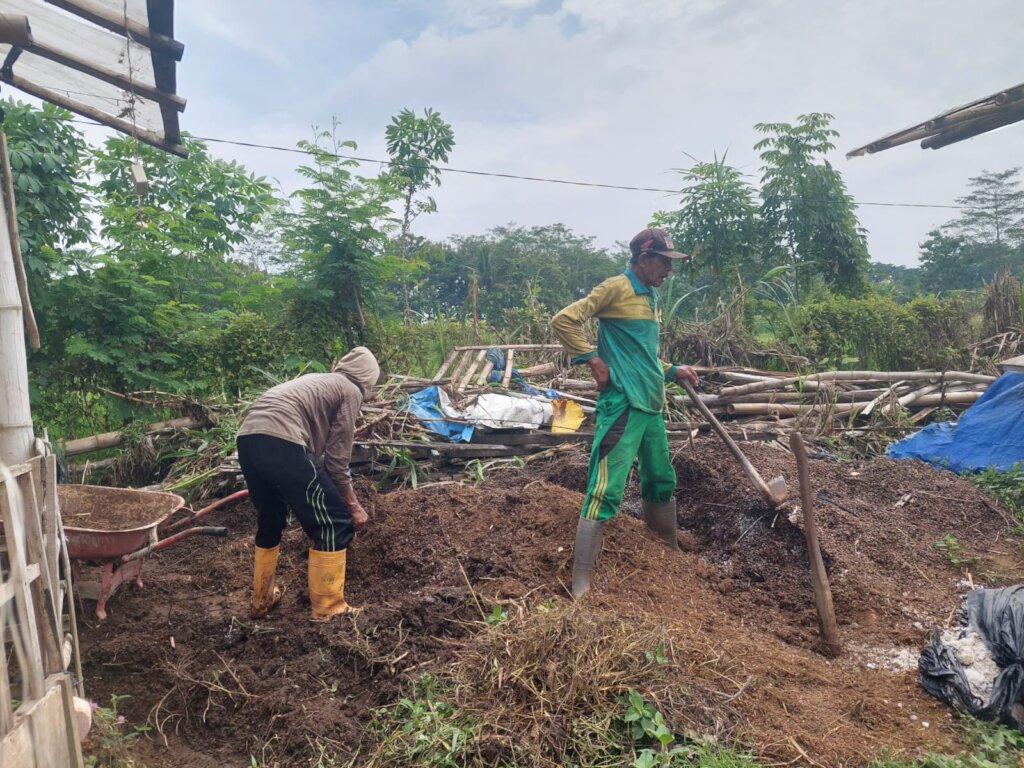
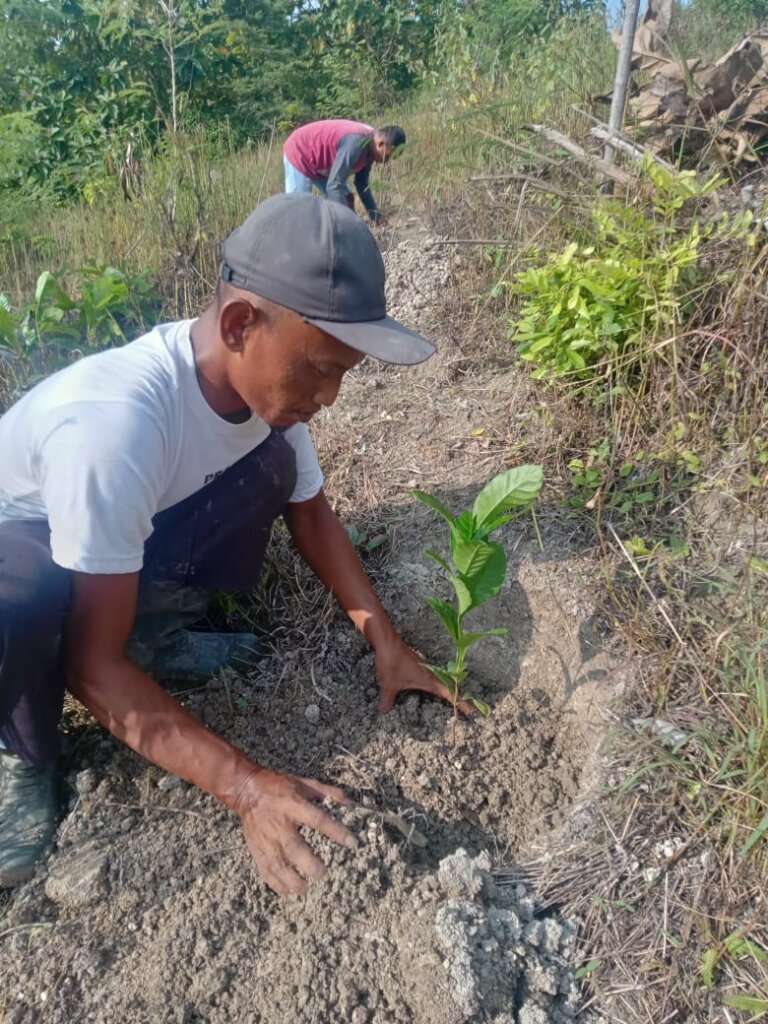
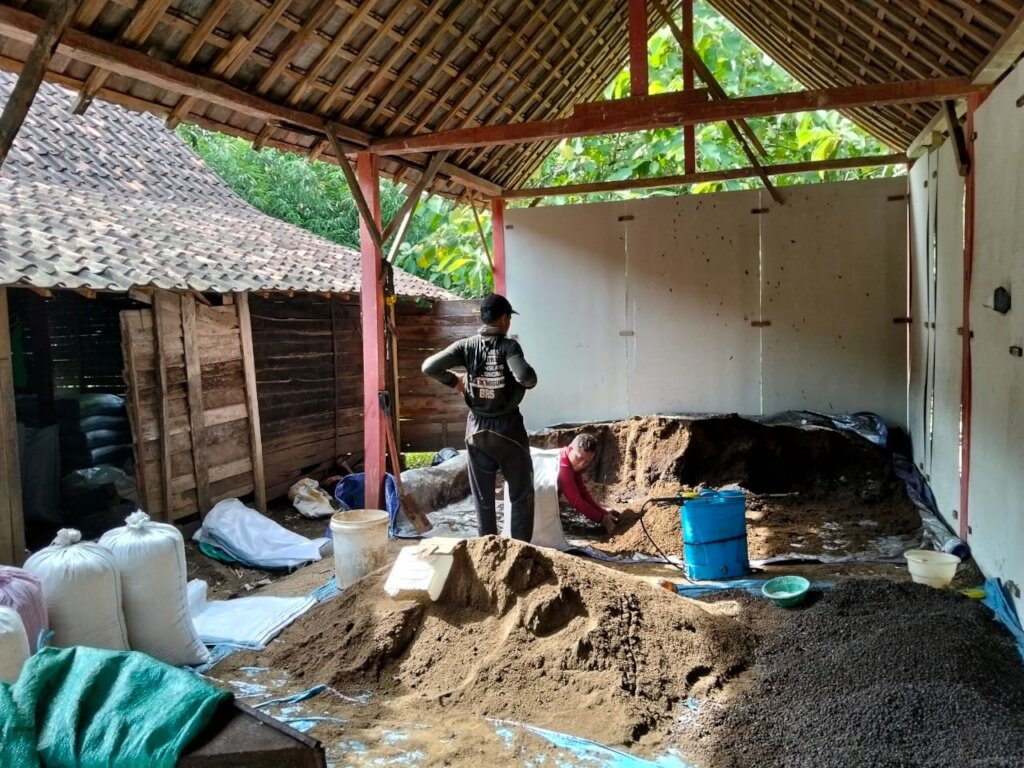
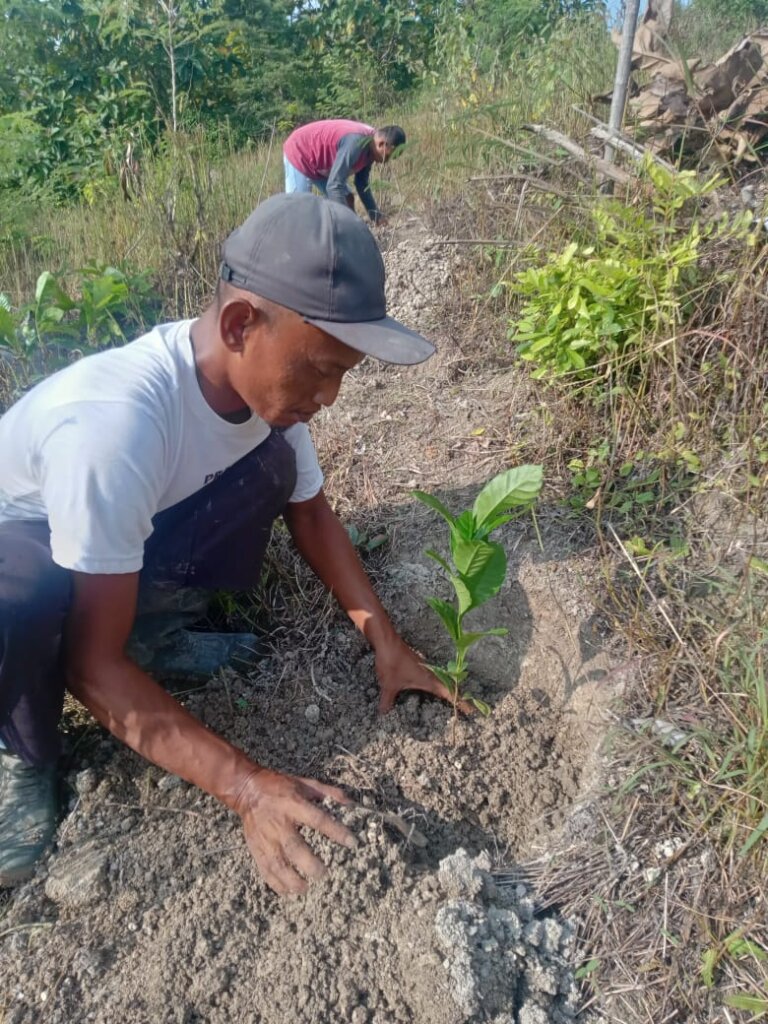
Sheep manure is processed into organic fertilizer, which is then applied to agroforestry systems—particularly coffee, spice crops, and conservation trees. The use of organic fertilizer:
Reduces dependence on chemical inputs
Lowers production costs for farmers
Improves soil structure and fertility
Enhances long-term ecosystem health
A Community-Based Circular System
This integrated system creates a mutually reinforcing cycle:
Forest landscapes provide natural feed →
Sheep produce organic fertilizer →
Organic fertilizer strengthens agroforestry systems →
Agroforestry generates diversified income →
Stable income reduces pressure on forests.
This is circular economy in practice at the village level. Nothing is wasted, and no component operates in isolation. Livestock, crops, and conservation are interconnected in a balanced landscape model that supports both ecological resilience and rural prosperity.
By building a circular economy rooted in community participation, forest villages like Ngrawoh demonstrate that sustainable land management and economic empowerment can grow together—ensuring long-term forest protection while improving livelihoods for local families.
Project reports on GlobalGiving are posted directly to globalgiving.org by Project Leaders as they are completed, generally every 3-4 months. To protect the integrity of these documents, GlobalGiving does not alter them; therefore you may find some language or formatting issues.
If you donate to this project or have donated to this project, you can receive an email when this project posts a report. You can also subscribe for reports without donating.



Support this important cause by creating a personalized fundraising page.
Start a Fundraiser