By Nur Abdullah | Project Staff
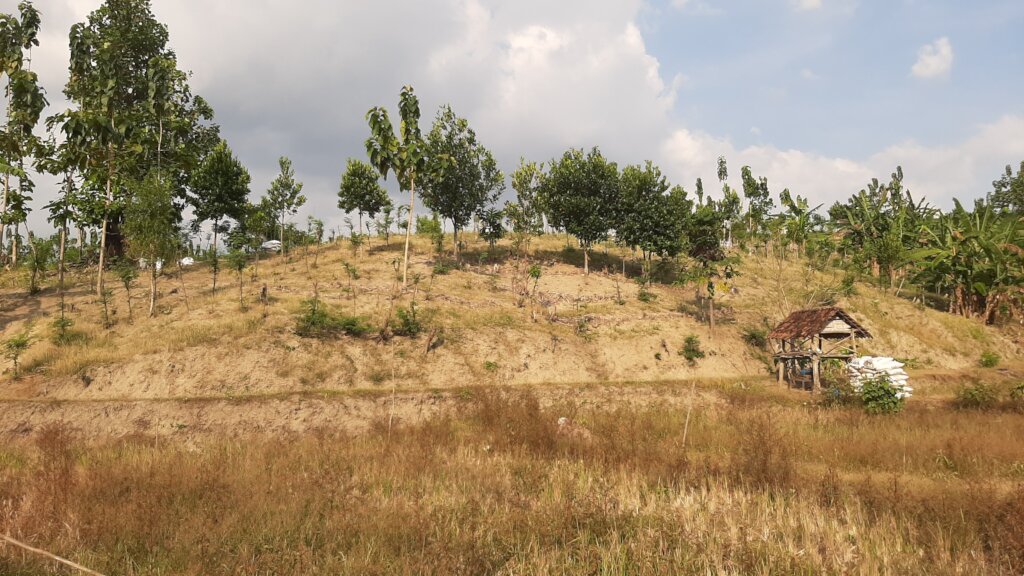
Java Island faces intense pressure on its forest landscapes due to high population density, agricultural expansion, and economic demands from forest-edge communities. In this context, coffee agroforestry offers a realistic and adaptive conservation strategy—combining economic productivity with ecological protection.
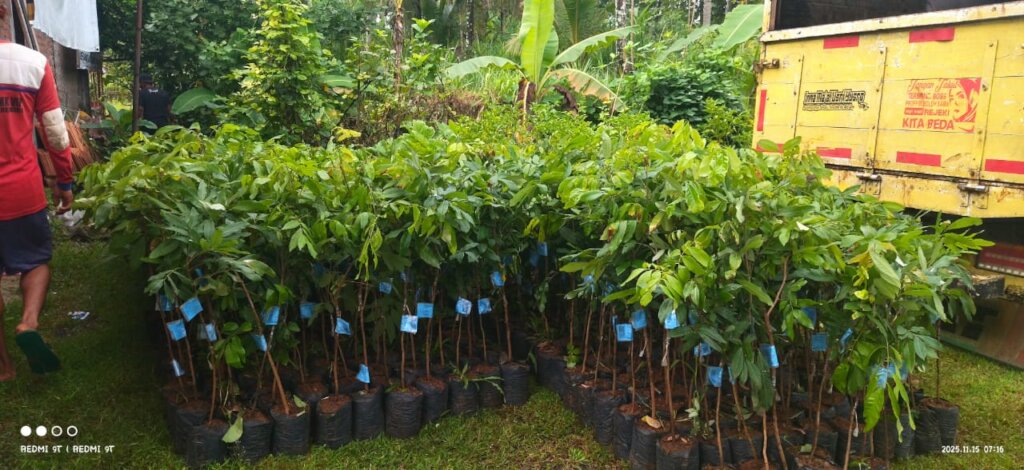
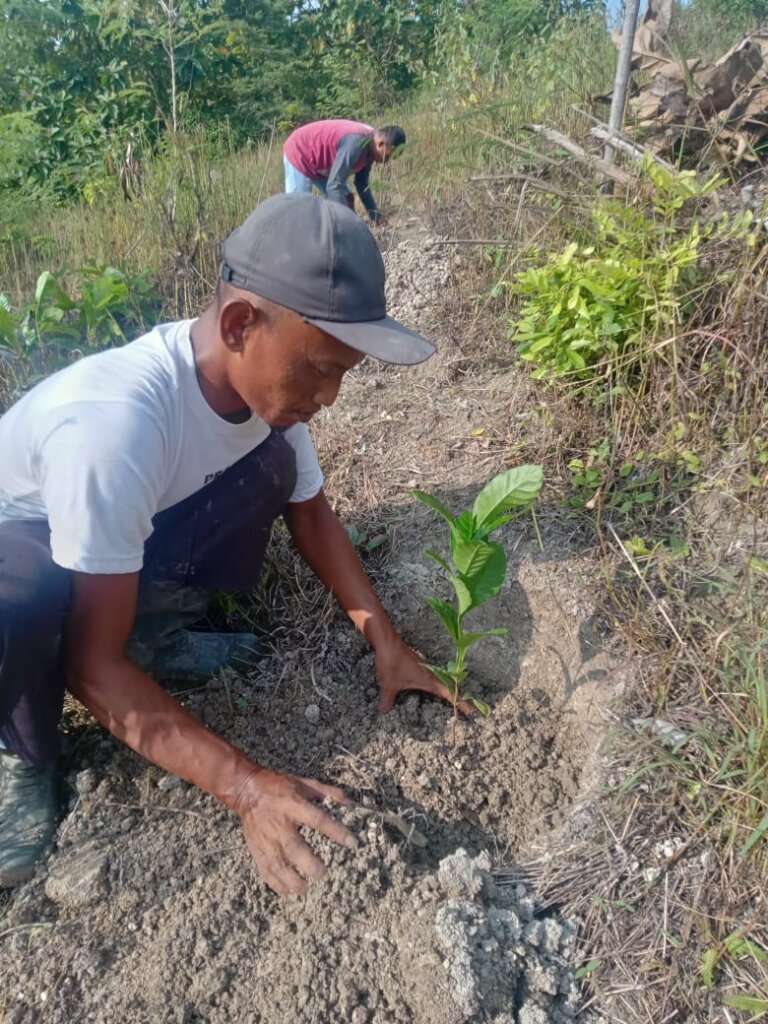
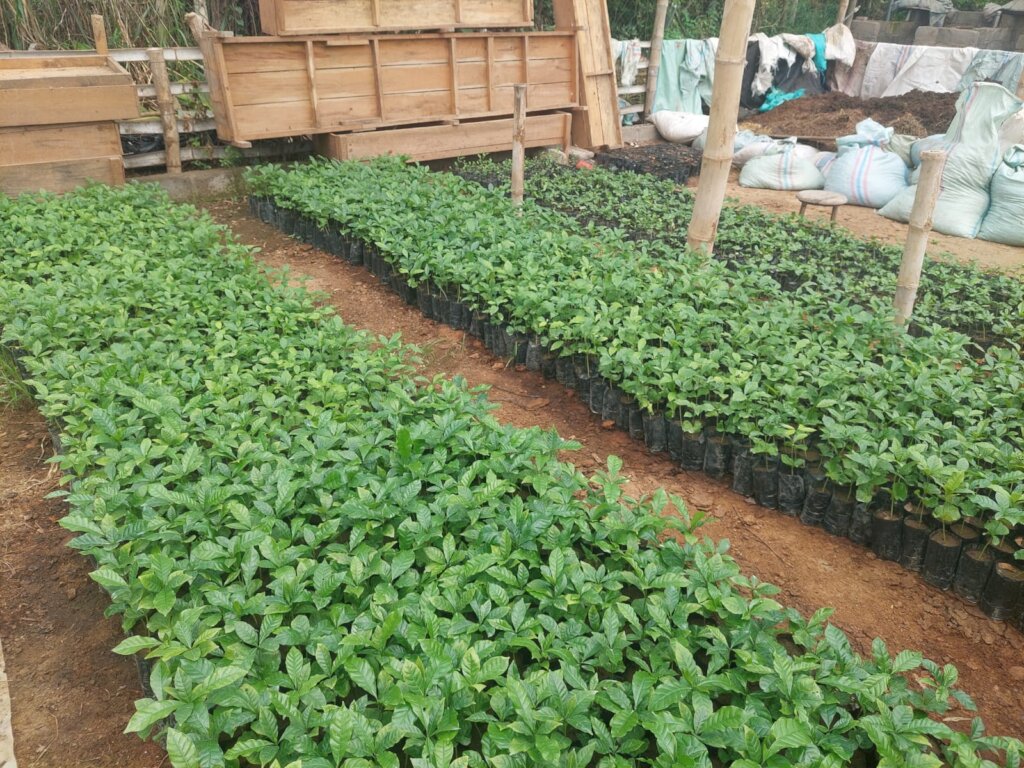
Within agroforestry systems, coffee serves as a high-value cultivated crop that simultaneously contributes to environmental conservation. Unlike open monoculture systems, coffee is grown under shade trees and integrated with forestry species or Multi-Purpose Tree Species (MPTS). This approach creates a production system that closely resembles natural forest structure, enhancing ecological stability and long-term sustainability.
Key Functions of Coffee in Agroforestry Systems
1 Soil and Water Conservation
Coffee roots help bind soil, strengthening slope stability—especially important in Java’s hilly landscapes that are vulnerable to erosion and landslides. Leaf litter from coffee plants and shade trees reduces the direct impact of rainfall, minimizing soil erosion and surface runoff. This layered system also enhances water infiltration, supporting groundwater recharge.
2 Income Diversification for Farmers
In agroforestry systems, coffee is combined with shade trees such as fruit or timber species. This creates multiple income streams, including:
Regular income from coffee harvests
Medium-term income from fruit production
Long-term income from timber
Such diversification reduces economic risk and dependence on a single commodity.
3 Ecosystem Stability and Microclimate Regulation
Shade trees create a stable microclimate with cooler temperatures and maintained humidity levels. These conditions improve coffee bean quality and reduce plant stress caused by excessive heat or drought. This function is particularly important in adapting to climate change in Java.
4 Natural Soil Fertility Enhancement
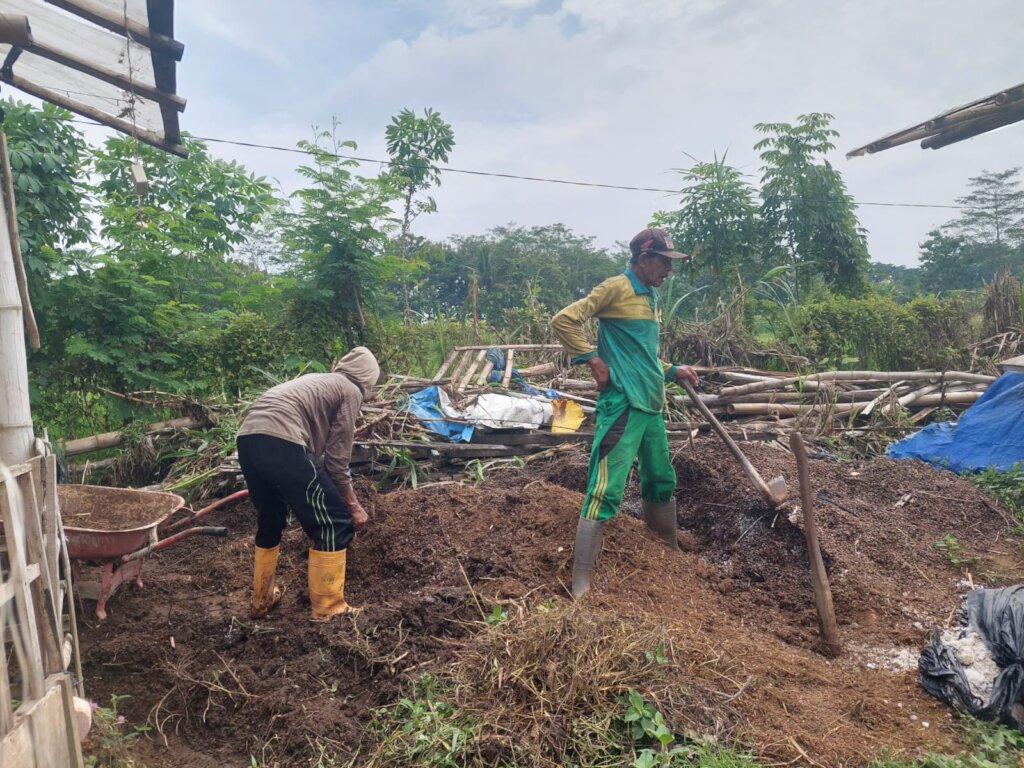
Fallen leaves and branches from shade trees form organic matter around coffee plants. As this litter decomposes, it becomes natural compost, improving soil structure and fertility while reducing the need for chemical fertilizers. This supports a more environmentally friendly and cost-efficient production system.
5 Biodiversity Enhancement
Coffee agroforestry systems provide more complex habitats compared to monoculture farming. Diverse tree and plant species create ecological niches for birds, pollinators, and other wildlife. These systems can function as ecological corridors, helping connect fragmented forest areas and approximating natural forest conditions.
Conservation with Economic Value
Coffee agroforestry demonstrates that conservation and economic development do not have to be in conflict. When properly designed, coffee cultivation can serve as a bridge between forest protection and livelihood strengthening.
Forest cover is maintained through sustained tree presence.
Farmers gain stable and quality income opportunities.
Ecosystems become more resilient to environmental pressures.
On densely populated Java Island—where production and conservation spaces often overlap—coffee agroforestry stands out as one of the most relevant and sustainable strategies to protect forests while supporting rural prosperity.
Project reports on GlobalGiving are posted directly to globalgiving.org by Project Leaders as they are completed, generally every 3-4 months. To protect the integrity of these documents, GlobalGiving does not alter them; therefore you may find some language or formatting issues.
If you donate to this project or have donated to this project, you can receive an email when this project posts a report. You can also subscribe for reports without donating.



Support this important cause by creating a personalized fundraising page.
Start a Fundraiser