By mufid | Project Staff
Forest-adjacent villages in Blora (Central Java) and Ngawi (East Java) face serious challenges, including land degradation, declining soil fertility, and economic pressures that encourage short-term seasonal monoculture farming. Dependence on single-commodity systems creates unstable incomes and increases the risk of agricultural expansion into forest areas.
At the same time, these regions manage extensive forest landscapes that play a critical ecological role in protecting watersheds, preventing erosion, and sequestering carbon. Without an approach that integrates both conservation and economic opportunity, long-term forest protection remains difficult to achieve.
Project Objectives
This project aims to:
The core strategy is community-based conservation through agroforestry and circular economy systems.
Key Project Components
1 Agroforestry Development
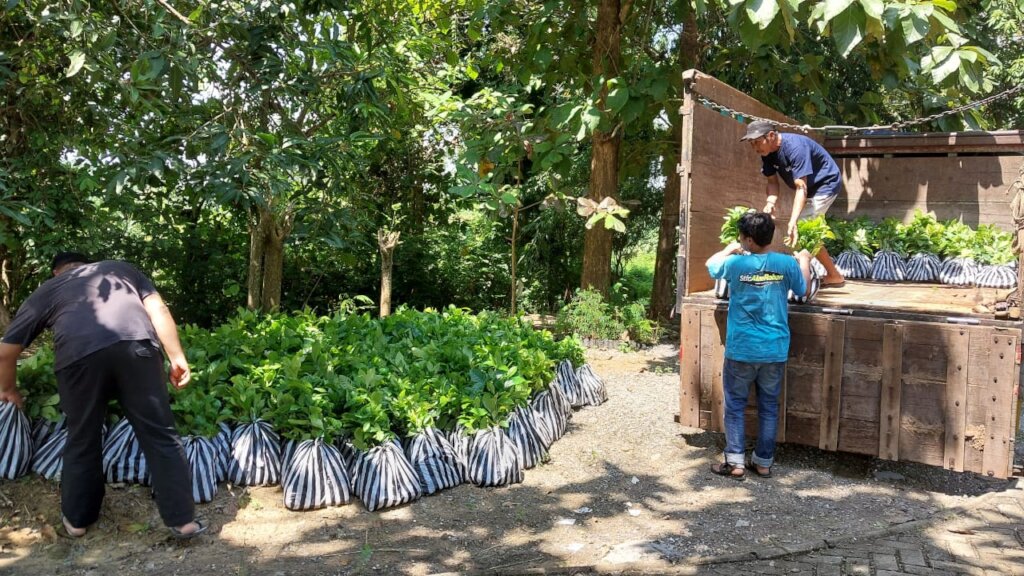
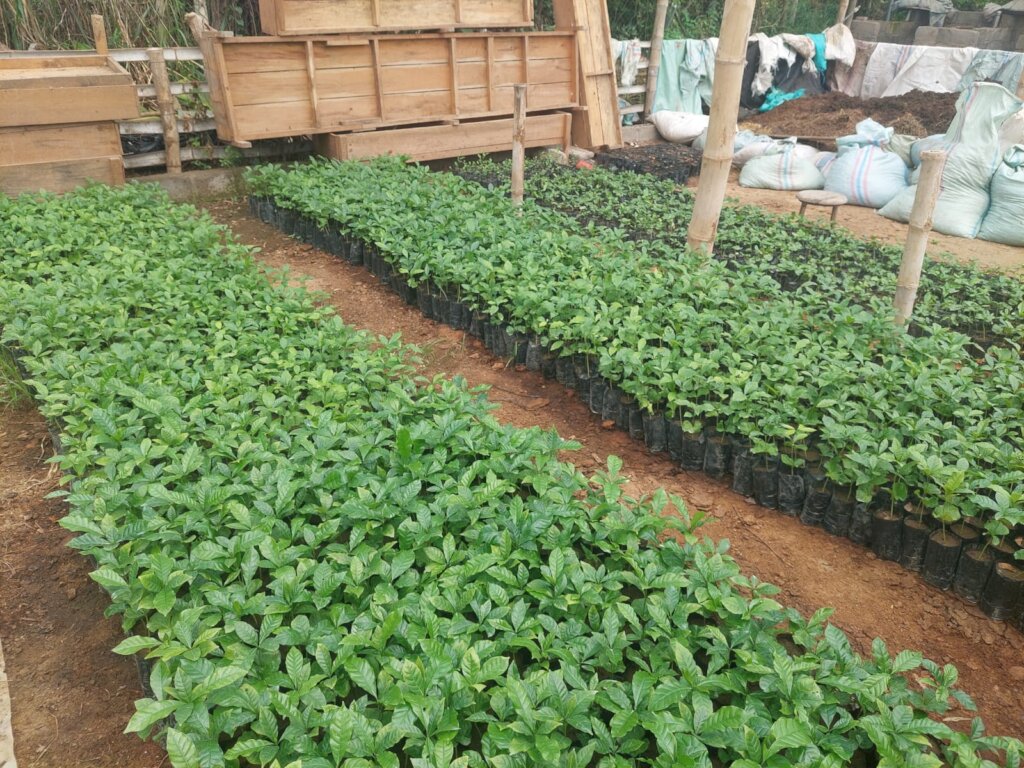
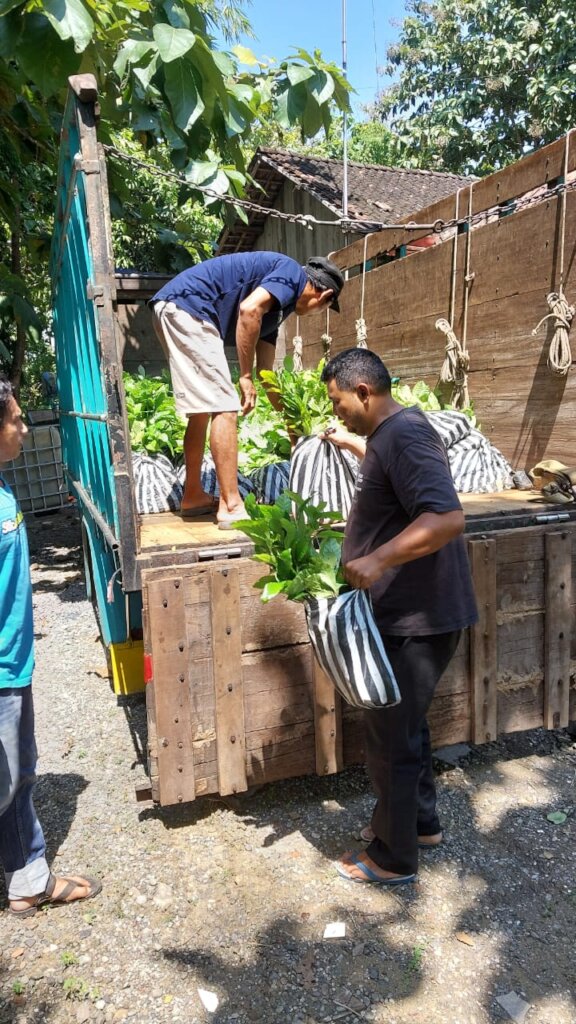
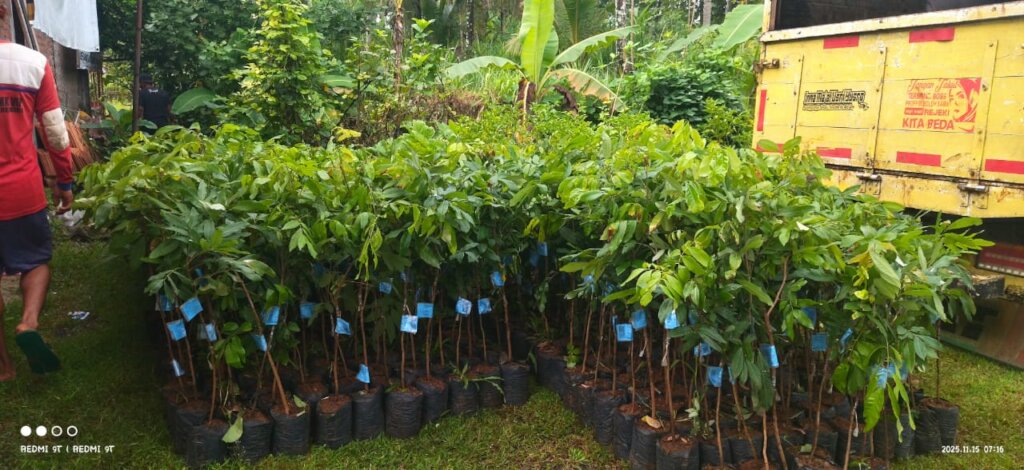
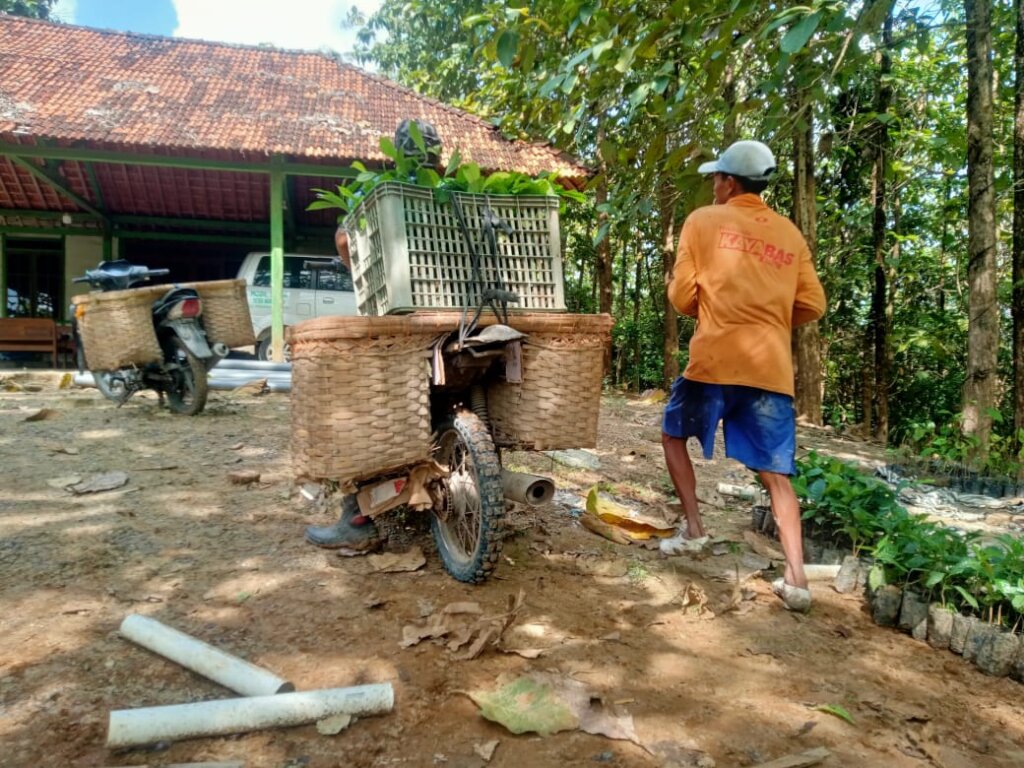
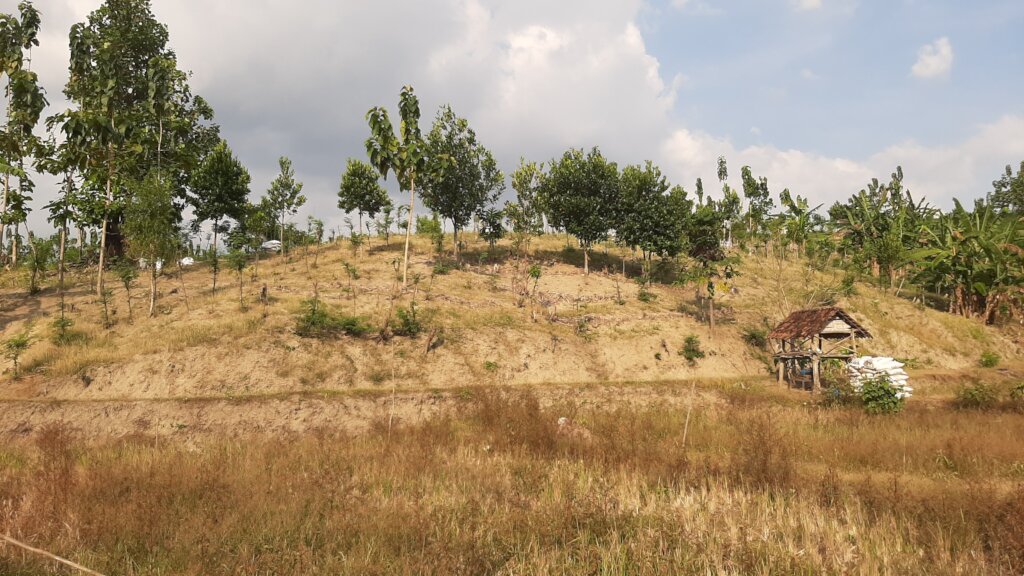
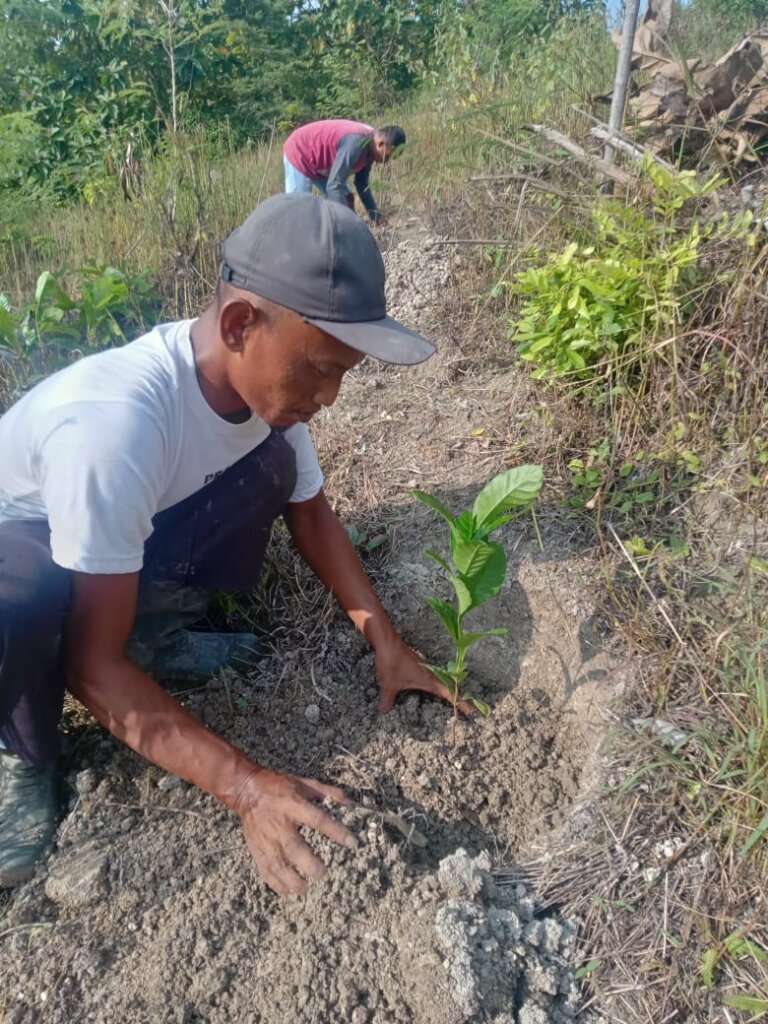
Liberica coffee is cultivated under shade trees and forestry species (Multi-Purpose Tree Species / MPTS). This system maintains tree cover while generating stable income for farmers.
2 Integration of Community Sheep Farming
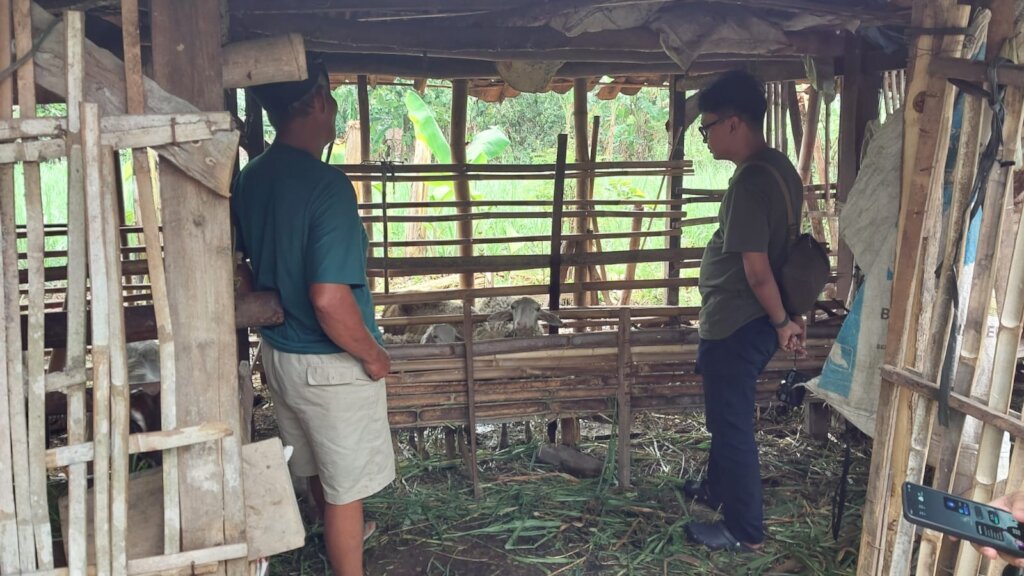
Each village group received 80 sheep as an economic strengthening incentive. Livestock populations are gradually increasing through organized breeding systems.
Sheep farming contributes to:
3 Demonstration Plots and Gradual Expansion
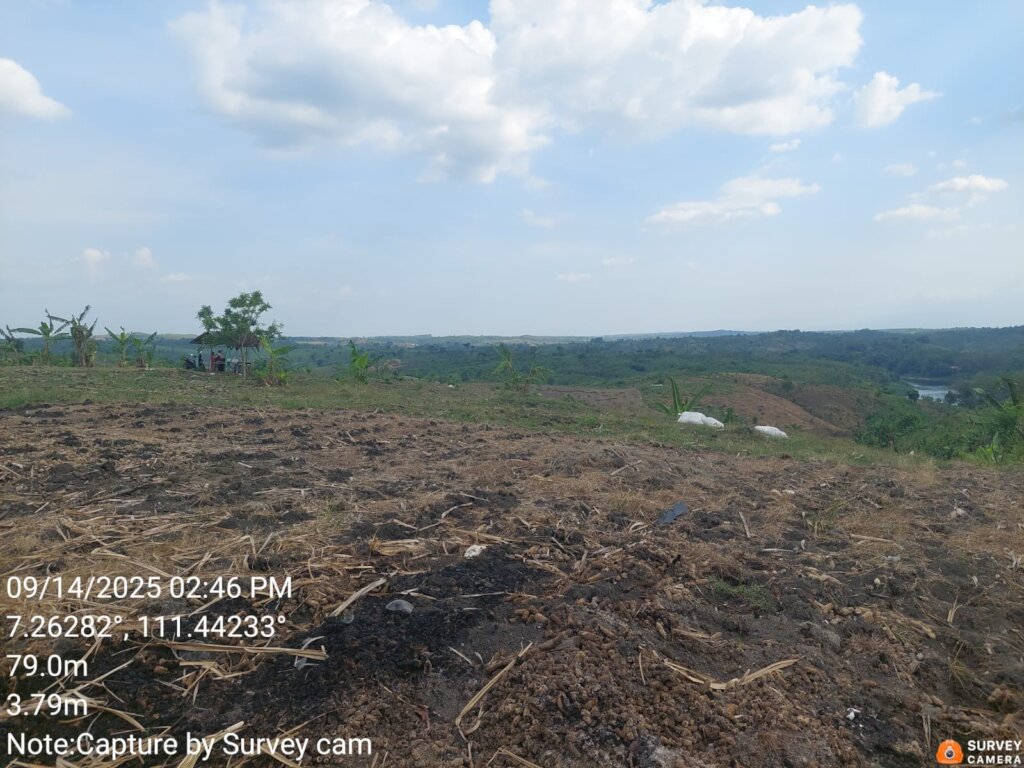
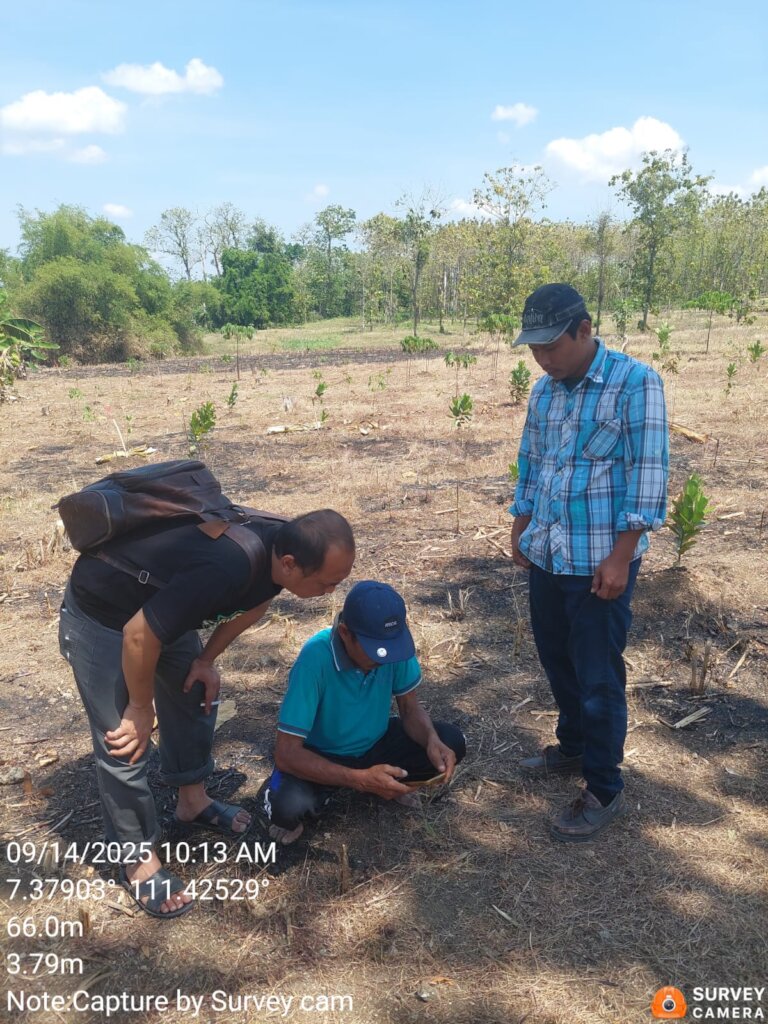
Agroforestry demonstration plots have been established and are planned for gradual expansion, allowing collective learning before scaling up to larger areas.
4 Dedicated Conservation Zones
In addition to productive agroforestry areas, separate non-agroforestry conservation zones are being prepared. These areas focus on biodiversity protection, watershed conservation, and natural forest regeneration. The long-term vision includes strengthening conservation across thousands of hectares of forest landscapes.
5 Institutional Strengthening and Participatory Planning
In collaboration with the Faculty of Social and Political Sciences, Universitas Gadjah Mada, participatory village planning, asset mapping, and community governance strengthening initiatives are conducted to embed conservation into local policy frameworks.
Integrated Landscape Approach
The project goes beyond tree planting by building interconnected systems:
Agroforestry increases income →
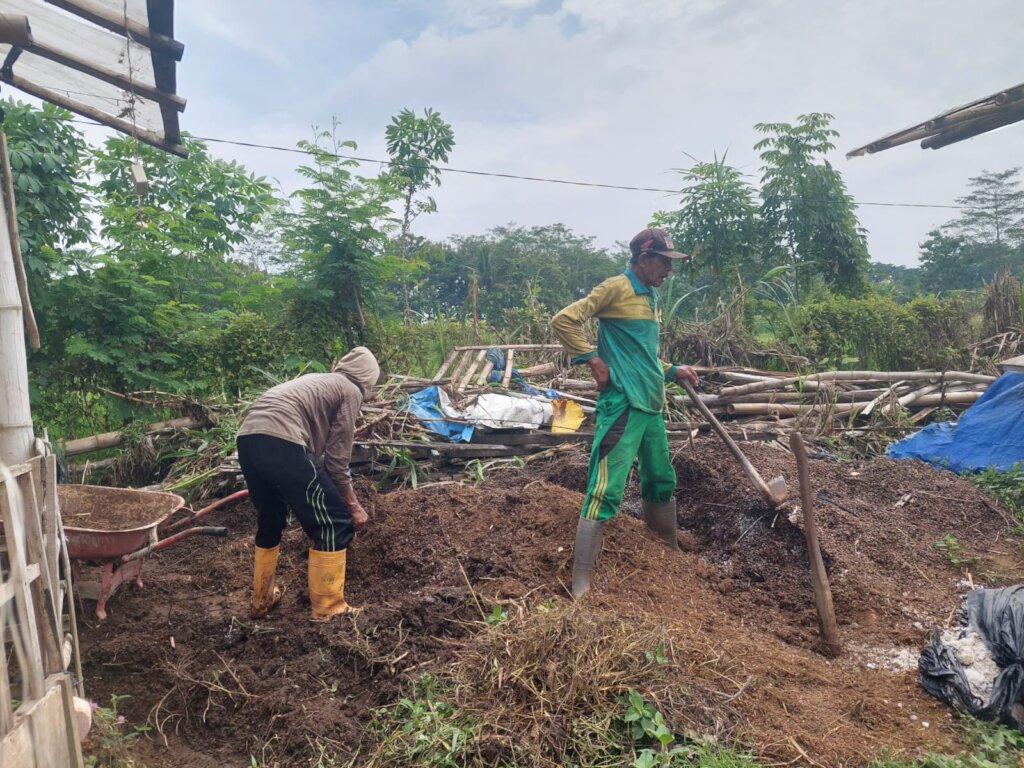
Livestock supports organic fertilizer production →
Production costs decrease →
Pressure on forests declines →
Conservation zones are strengthened →
Ecosystems recover.
Expected Impact
Core Principle
Community-based conservation is not merely a technical intervention—it is a socio-ecological strategy. When communities gain economic benefits from sustainable systems, they become the primary stewards of forest protection.
Forests are protected.
Livelihoods are strengthened.
Resilient futures are built.
Project reports on GlobalGiving are posted directly to globalgiving.org by Project Leaders as they are completed, generally every 3-4 months. To protect the integrity of these documents, GlobalGiving does not alter them; therefore you may find some language or formatting issues.
If you donate to this project or have donated to this project, you can receive an email when this project posts a report. You can also subscribe for reports without donating.



Support this important cause by creating a personalized fundraising page.
Start a Fundraiser