By Khayat | Project Staff
Across Indonesia’s forest-edge villages, the future of forests is deeply connected to the role of women. While conservation is often discussed in terms of policy, enforcement, or large-scale restoration, long-term sustainability frequently depends on everyday decisions made within households and community groups—spaces where women play a central role.
In this context, agroforestry becomes more than a land-use system. It becomes a platform for inclusive conservation.
Women at the Heart of Agroforestry
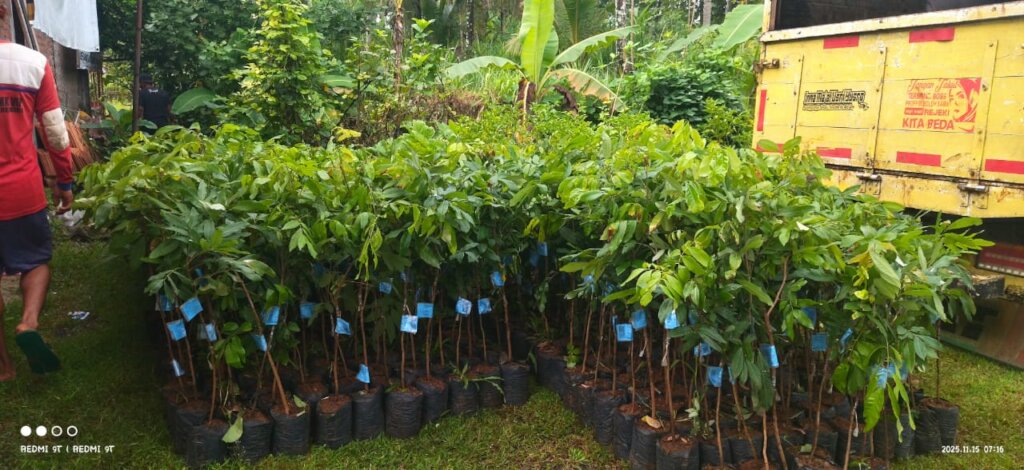
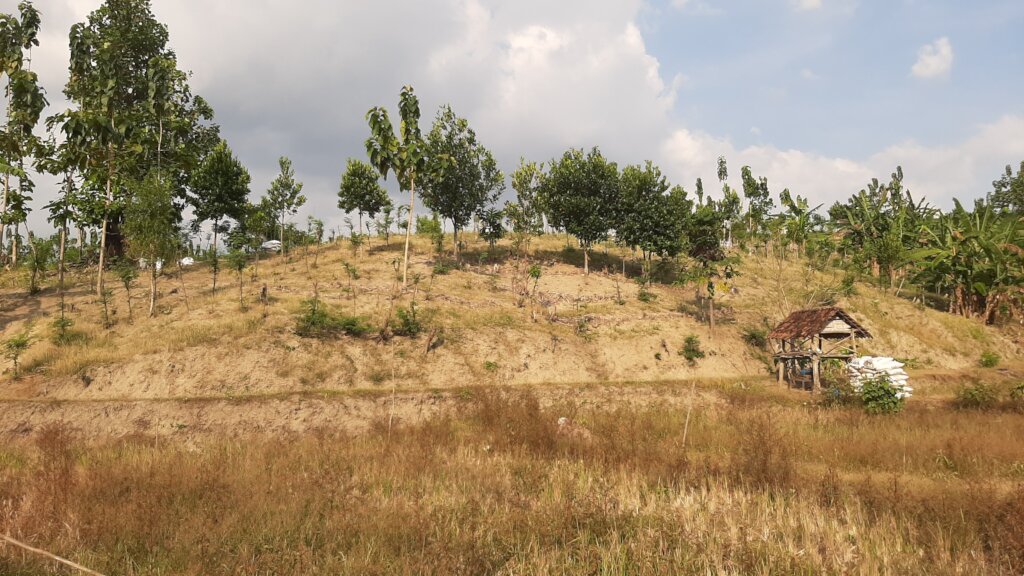
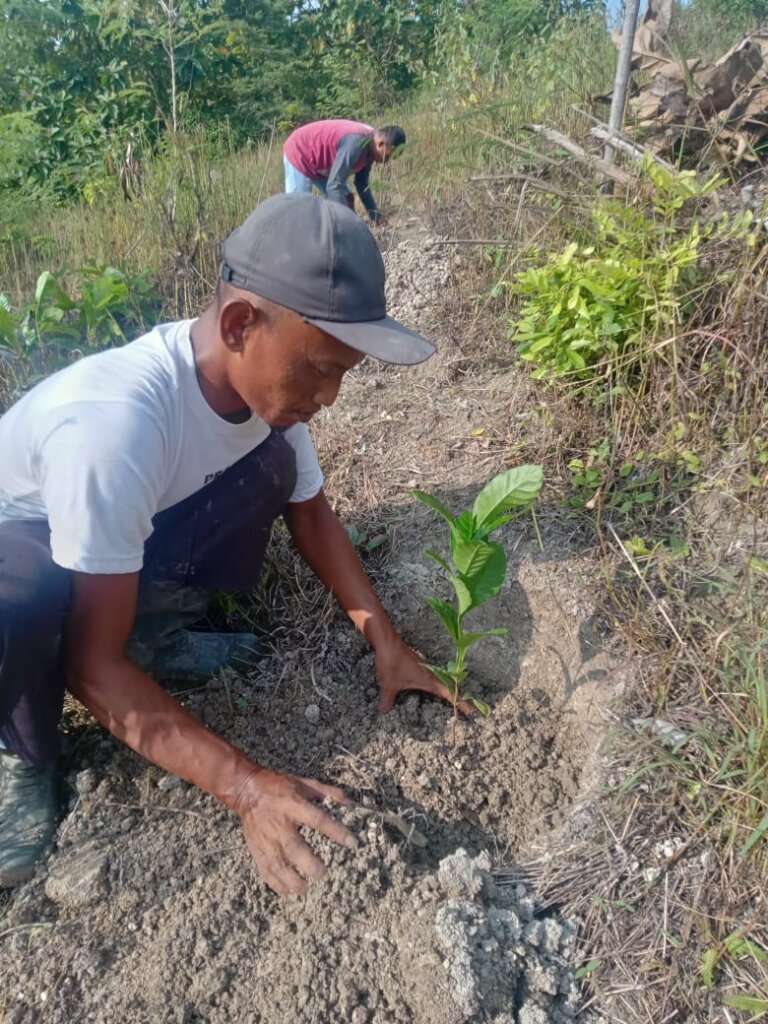
Agroforestry integrates trees, crops, and sometimes livestock within a single landscape. In many rural communities, women are actively involved in:
Maintaining coffee and shade trees
Managing home gardens and diversified crops
Processing agricultural and forest-based products
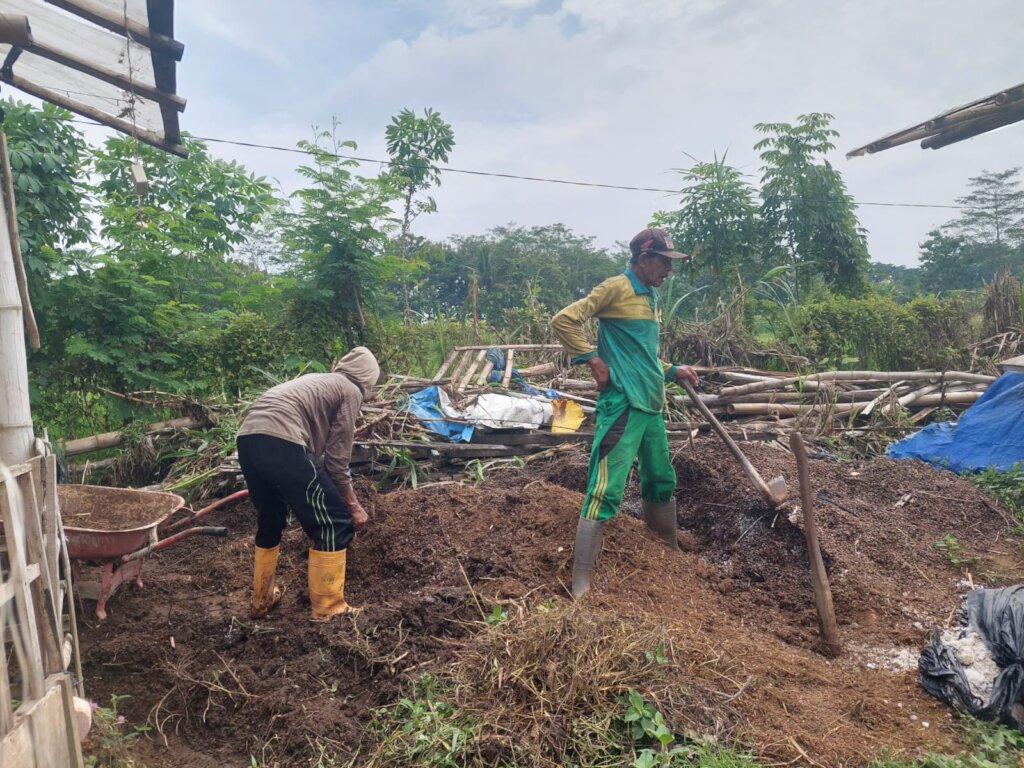
Producing organic fertilizer from livestock manure
Managing household finances and group savings
Their daily engagement with land and resources places them at the frontline of sustainable landscape management.
When agroforestry systems are introduced, women often become key actors in ensuring continuity—monitoring plant growth, maintaining soil fertility, and coordinating group-based production activities.
Conservation Must Be Inclusive
Forest conservation cannot succeed if half the community is excluded from participation. Women’s involvement strengthens:
Long-term commitment to tree-based systems
Household-level adoption of sustainable practices
Collective decision-making in farmer groups
Transparency and accountability in community initiatives
Inclusive conservation ensures that women have access to training, leadership roles, and participation in village-level planning processes. When women contribute to shaping conservation strategies, solutions become more grounded in local realities.
Lessons from Central and East Java
In several villages across Central and East Java, women’s groups have played a strategic role in supporting agroforestry development. They participate in coffee maintenance, organic fertilizer production, and small-scale value addition. In some cases, women serve as coordinators or financial managers within community groups, strengthening governance structures.
Their participation enhances the social fabric that underpins forest protection. When conservation is embedded in household economies and community networks, it becomes more resilient.
The Future of Forests Depends on Shared Stewardship
Indonesia’s forest future is not determined solely by national policy—it is shaped in villages, farms, and community meetings. Agroforestry offers a pathway where ecological restoration and economic empowerment move together. Women’s leadership ensures that this pathway remains inclusive, practical, and sustainable.
Healthy forests require strong communities.
Strong communities require empowered women.
When women lead in agroforestry, the future of Indonesia’s forests becomes more secure.
Project reports on GlobalGiving are posted directly to globalgiving.org by Project Leaders as they are completed, generally every 3-4 months. To protect the integrity of these documents, GlobalGiving does not alter them; therefore you may find some language or formatting issues.
If you donate to this project or have donated to this project, you can receive an email when this project posts a report. You can also subscribe for reports without donating.



Support this important cause by creating a personalized fundraising page.
Start a Fundraiser