By Misbachul Munir | Project Staff
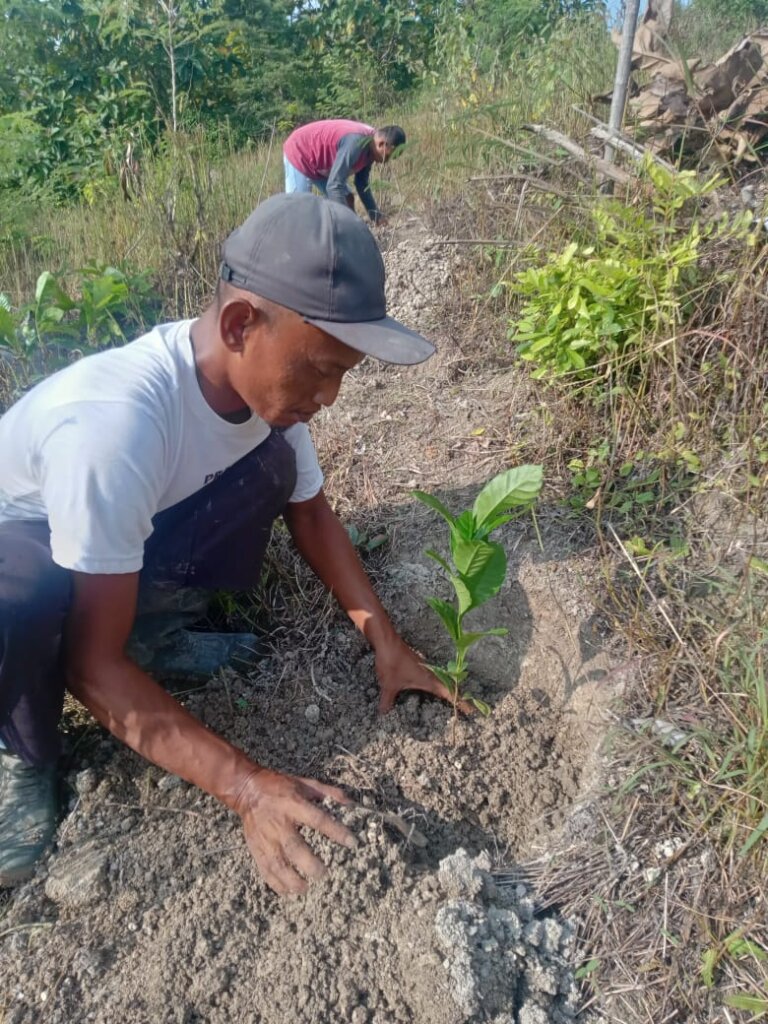
On 12 August 2025, a joint team from INFEST Foundation, Universitas Gadjah Mada (UGM), and Nusantara Organik conducted a learning and working visit to the Indonesian Coffee and Cocoa Research Institute (ICCRI) in Jember, East Java. The visit aimed to strengthen the team’s technical capacity in coffee and cocoa cultivation, which are being developed as key commodities within an agroforestry-based landscape restoration framework.
ICCRI was selected as a learning site due to its role as a national center for research, education, and practical application in coffee and cocoa development. During this visit, the team sought comprehensive knowledge of the entire value chain, from upstream cultivation to downstream processing.
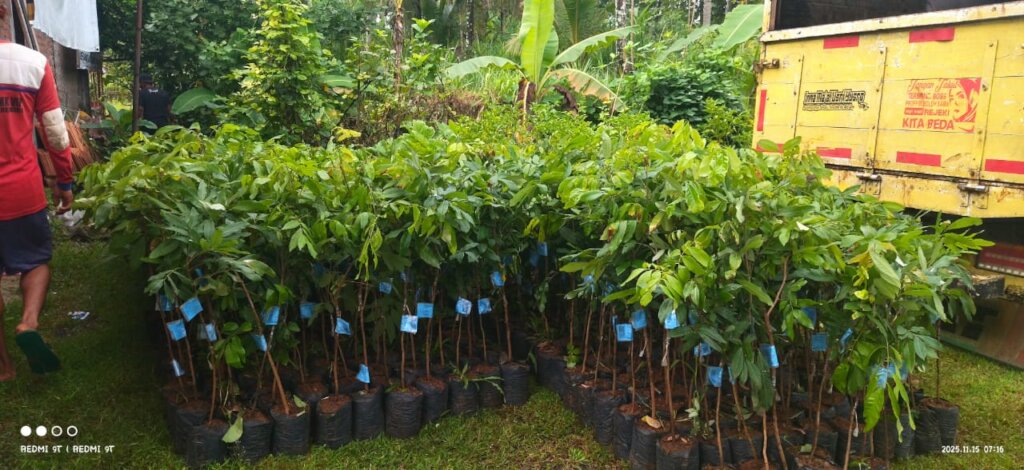
Coffee and Cocoa Nursery Management
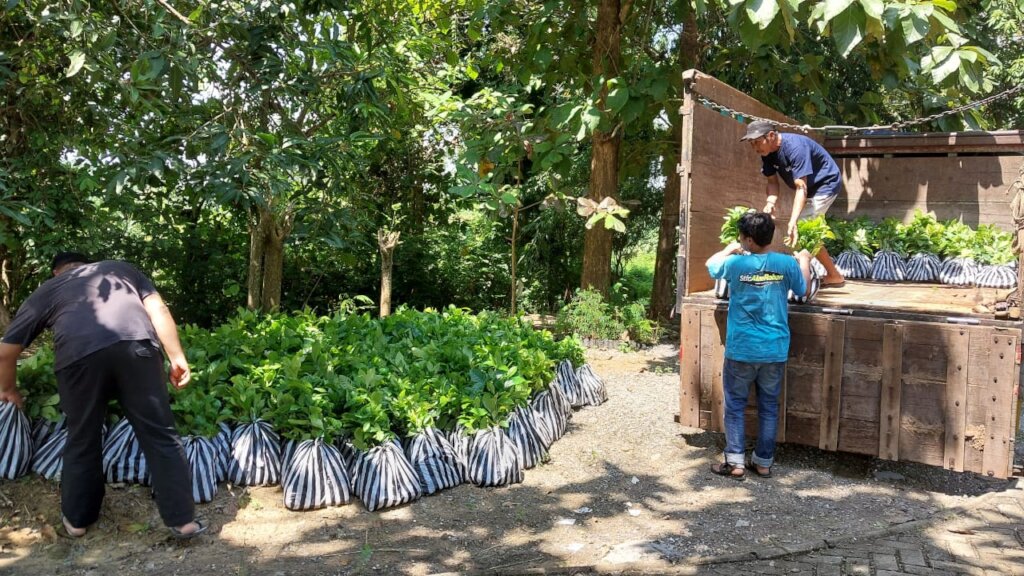
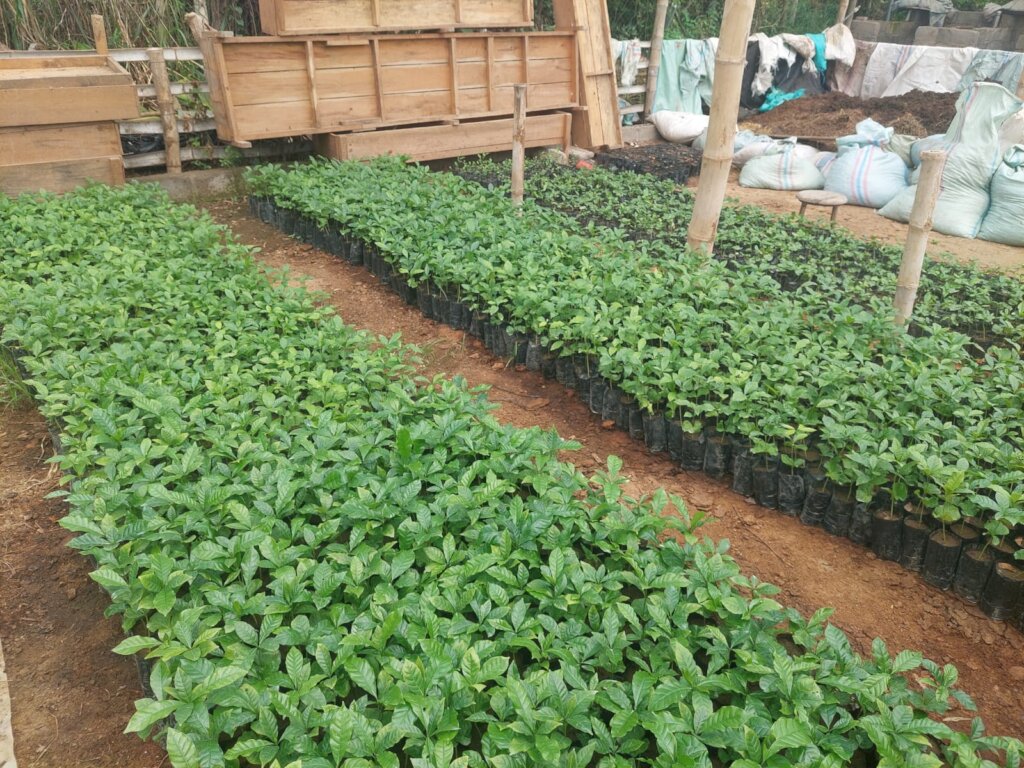
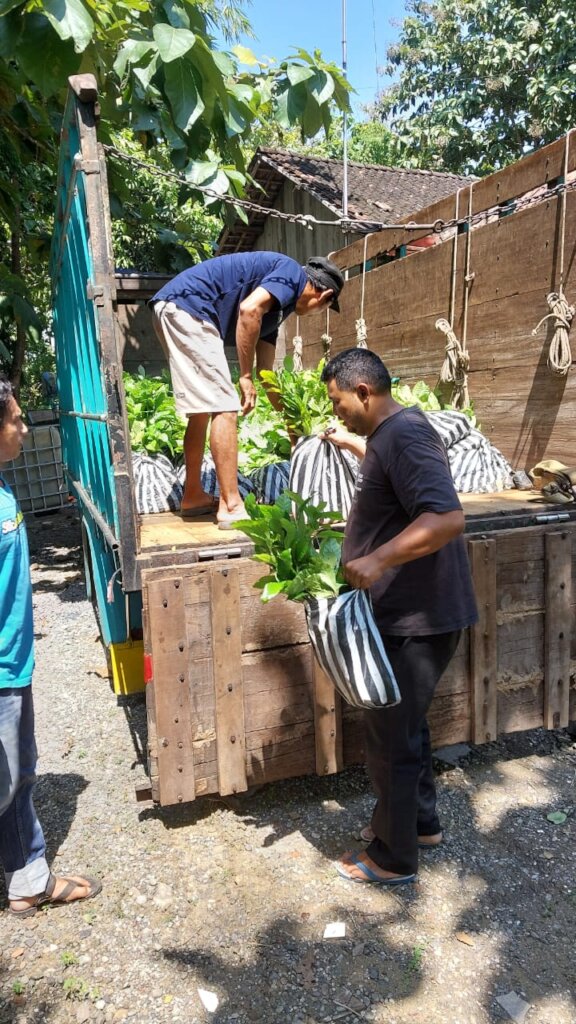
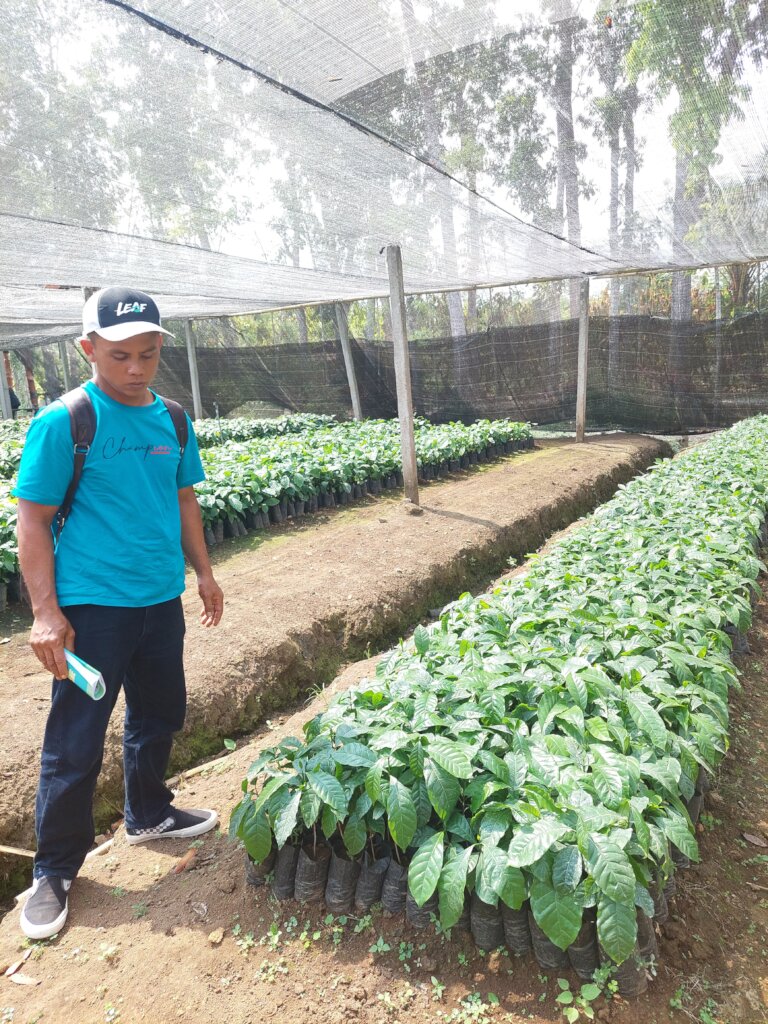
The first session focused on coffee and cocoa nursery practices. During this session, participants observed and learned critical techniques related to seed selection, seedling propagation, nursery management, and quality standards for planting materials. The ICCRI team explained the technologies and methods used to produce high-quality seedlings with improved productivity and pest and disease resistance.
This session was particularly relevant to agroforestry development, as seed quality plays a decisive role in the long-term success of cultivation, especially in forest-adjacent and rural landscapes with complex ecological conditions.
Post-Harvest Processing of Coffee and Cocoa
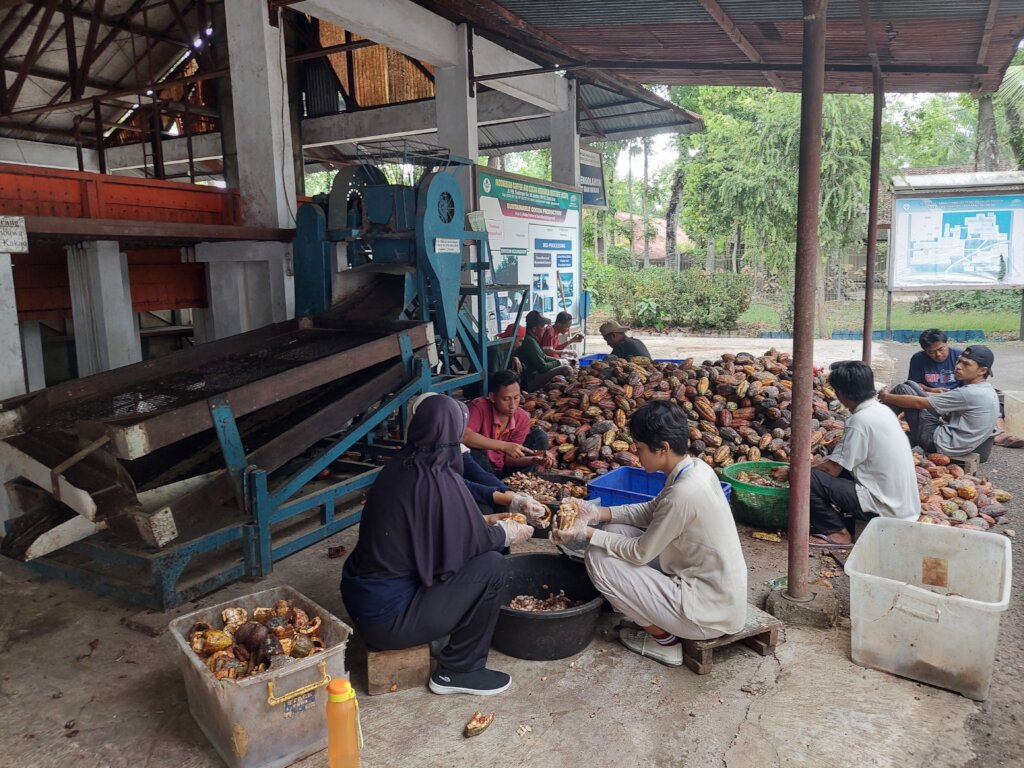
The second session continued with an in-depth observation of ICCRI-managed post-harvest processing facilities for coffee and cocoa. The team learned about processing stages, including harvesting, fermentation, drying, and further processing, that influence product quality and market value. Discussions also covered differences among processing methods and their impacts on flavor profiles and economic returns.
In addition to technical aspects, the session explored opportunities for developing value-added coffee and cocoa products and their potential integration into community-based enterprises within agroforestry systems.
Reflection and Relevance for Agroforestry Programs
Overall, the visit provided valuable insights into the complete coffee and cocoa value chain, from nursery management to post-harvest processing. The knowledge gained will inform the design and strengthening of agroforestry programs implemented by INFEST and its partners, particularly in promoting productive, sustainable, and economically viable cultivation practices.
The visit also reinforced the importance of technical capacity-building, research-based learning, and hands-on exposure to developing coffee and cocoa as strategic commodities for both environmental restoration and community livelihood improvement.
Conclusion
The learning visit to the Indonesian Coffee and Cocoa Research Institute represents a strategic step in strengthening agroforestry initiatives. Moving forward, lessons from this visit will be applied through technology adaptation, demonstration plots, and community facilitation to support coffee and cocoa development as sustainable livelihood options that contribute to forest restoration and local economic resilience.
Project reports on GlobalGiving are posted directly to globalgiving.org by Project Leaders as they are completed, generally every 3-4 months. To protect the integrity of these documents, GlobalGiving does not alter them; therefore you may find some language or formatting issues.
If you donate to this project or have donated to this project, you can receive an email when this project posts a report. You can also subscribe for reports without donating.



Support this important cause by creating a personalized fundraising page.
Start a Fundraiser