By Misbachul Munir | Project Staff
Java—the economic and demographic heart of Indonesia—now stands at a critical environmental crossroads. As development accelerates, the island’s forests continue to shrink, raising an urgent question: can the remaining green lungs of the world’s most populated island still be saved?
The Fading Green of Java
Java holds the troubling distinction of being the Indonesian island with the lowest forest cover. Today, forested land accounts for only around 10–12% of the island’s total area—far below the 30% minimum threshold mandated by national law to maintain ecological balance. This decline threatens not only biodiversity but also water security, soil stability, and the resilience of rural livelihoods.
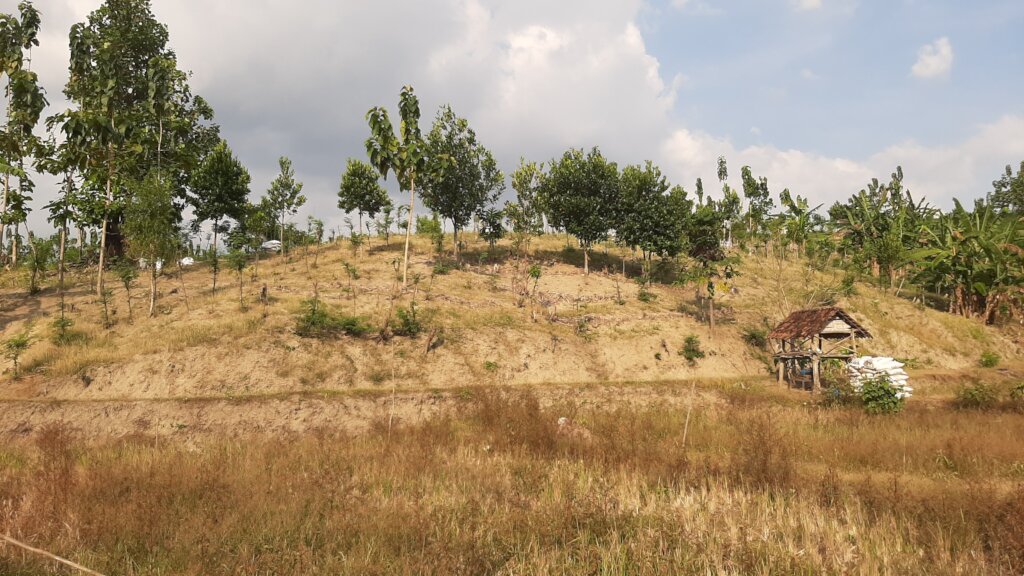
One of the most striking examples of this crisis can be found in Blora Regency. Historically known as the heartland of state-owned teak forests, Blora has experienced some of the highest rates of forest loss since 1999. These forests—classified as production forests and managed by Perhutani—have faced sustained pressure from illegal logging, weak governance during the post-reform era, and large-scale land-use conversion.
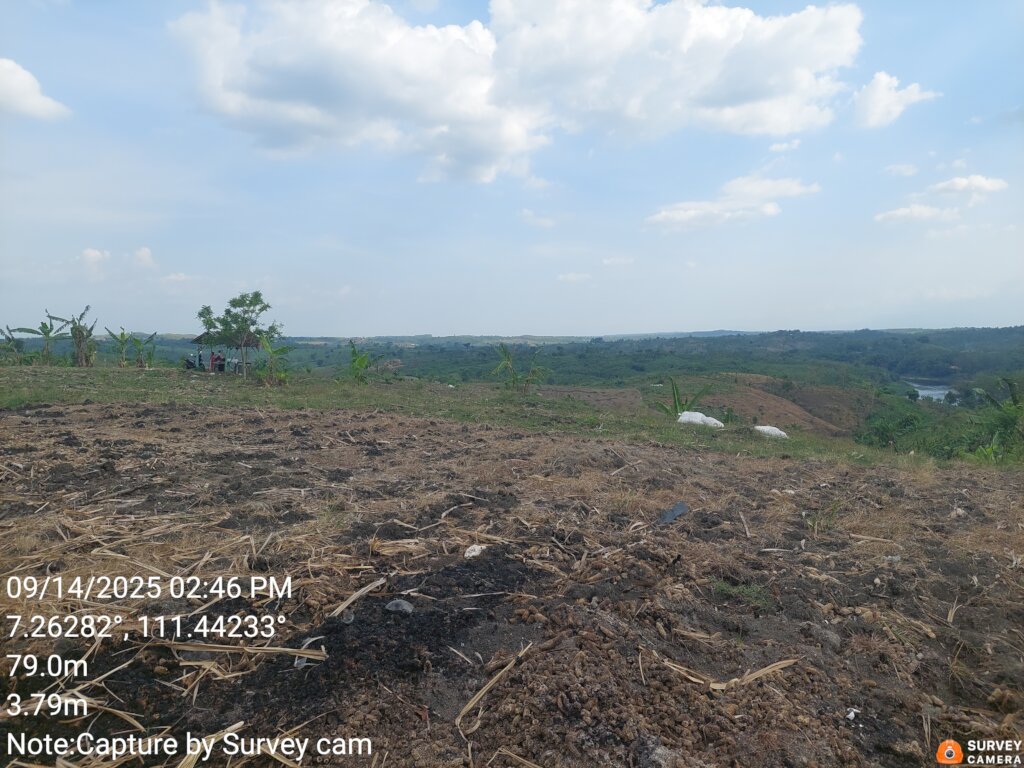
The consequences are severe. Tens of thousands of hectares in Blora are now classified as critical land, marked by hydrological dysfunction, erosion, and declining soil fertility. In many areas, the forest has lost its ecological capacity to regenerate on its own.
The Current State of Javanese Forests: Economy Versus Ecology
Across Java, and particularly in Blora, forest degradation is closely linked to the conversion of forest land into unsustainable agricultural systems. Seasonal monocultures have replaced former teak stands—most notably sugarcane and corn—that offer short-term returns but undermine long-term ecological stability.
Two intertwined forces drive this transformation. First, economic incentives play a powerful role. High and relatively stable market demand for corn and sugarcane encourages rapid land clearing and prioritizes immediate income over sustainability.
Second, rural poverty remains a structural challenge. Communities living along forest margins often lack secure land tenure and alternative livelihoods. For many households, clearing forest land is not a choice driven by greed, but a strategy for survival in the absence of viable economic options.
Restoring the Forests of Blora: A Path Forward
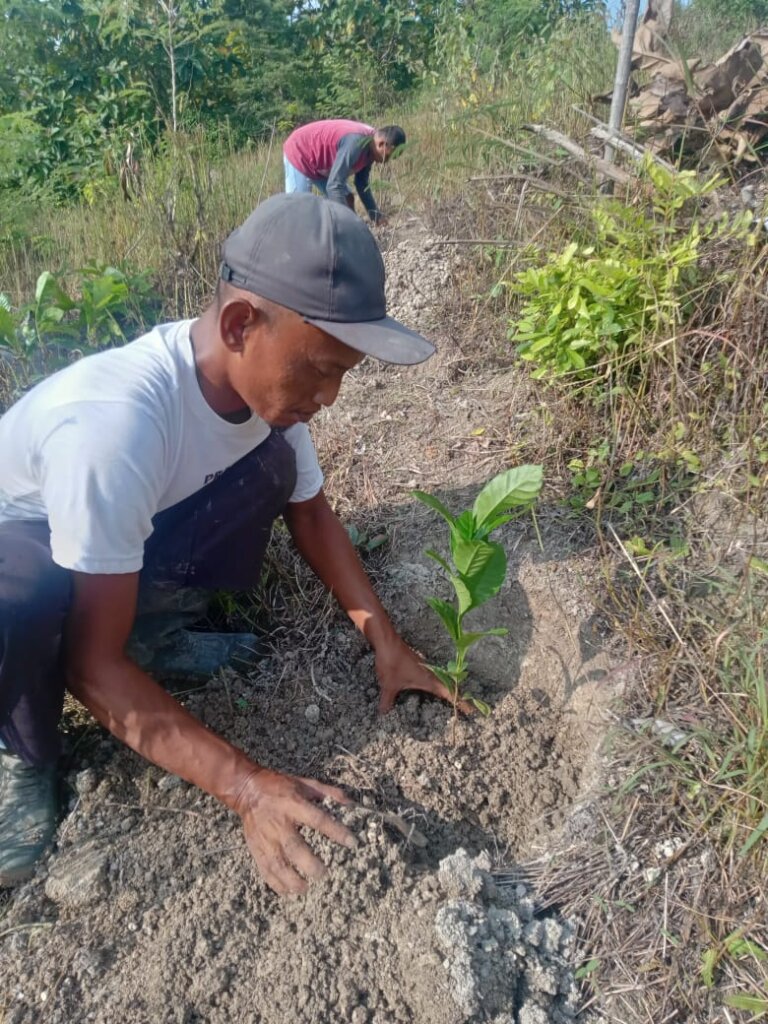
Restoring Blora’s forests cannot rely solely on tree-planting campaigns. Sustainable recovery requires addressing the social and economic roots of deforestation.
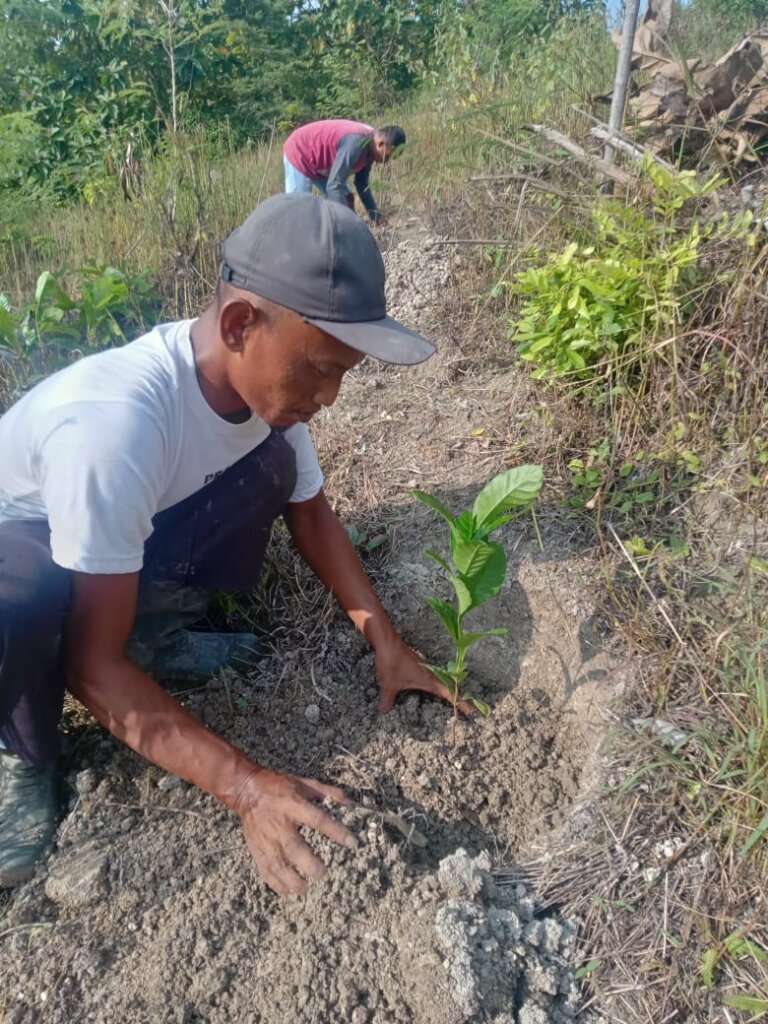
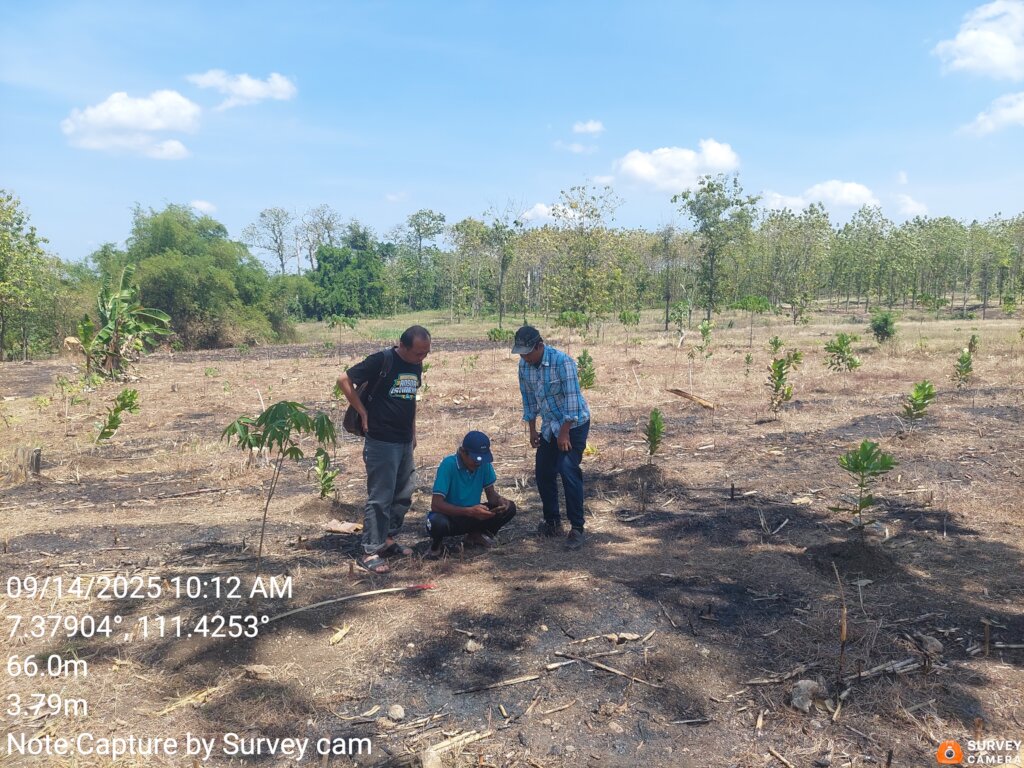
First, restoration efforts must integrate local economic interests. Forest recovery will only succeed if it improves—rather than threatens—food security and household incomes. Farmers should be positioned not as obstacles, but as key stewards of restoration.
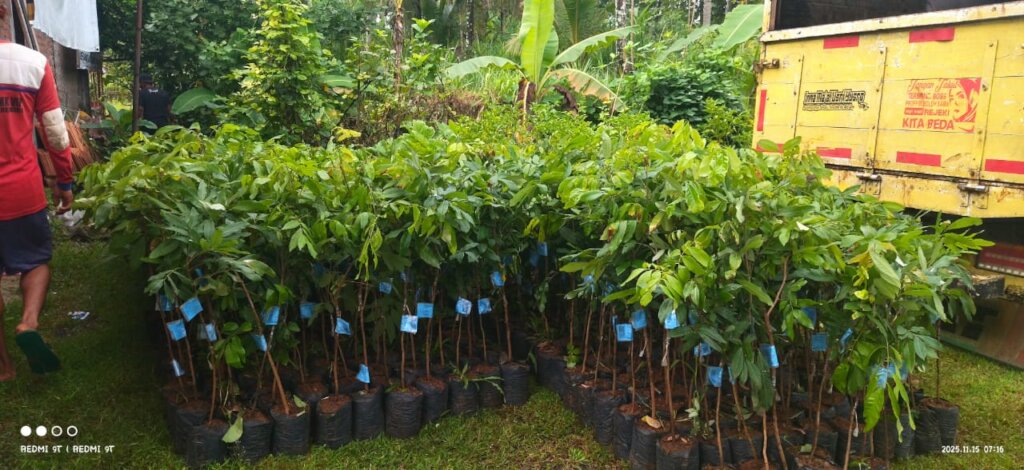
Second, agroforestry offers a practical and scalable solution. By integrating timber species such as teak with shade-tolerant food crops, agroforestry allows communities to generate income while maintaining tree cover and restoring soil health. This approach bridges the divide between conservation and production, reducing pressure on remaining natural forests.
Third, restoration must include the designation of dedicated wildlife conservation zones within production forest landscapes. High Conservation Value areas are essential to protect endemic species whose habitats have been fragmented by monoculture expansion.
Finally, long-term sustainability depends on restoring harmony between humans and forests. It requires reviving local wisdom that recognizes forests as sources of life, water, and balance—not merely commodities. Cultural and spiritual relationships with forests can reinforce formal conservation policies and foster collective responsibility.
Preserving Java’s forests is a long and complex journey that demands collaboration among government institutions, forest managers, and local communities. Without immediate and integrated action, ecological collapse will cease to be a distant risk and become an unavoidable reality. Yet with approaches such as agroforestry, inclusive restoration, and renewed respect for human–forest relationships, hope for Java’s forests can still be sustained.
Project reports on GlobalGiving are posted directly to globalgiving.org by Project Leaders as they are completed, generally every 3-4 months. To protect the integrity of these documents, GlobalGiving does not alter them; therefore you may find some language or formatting issues.
If you donate to this project or have donated to this project, you can receive an email when this project posts a report. You can also subscribe for reports without donating.



Support this important cause by creating a personalized fundraising page.
Start a Fundraiser