By Nur Abdullah | Project Staff
Dear partners
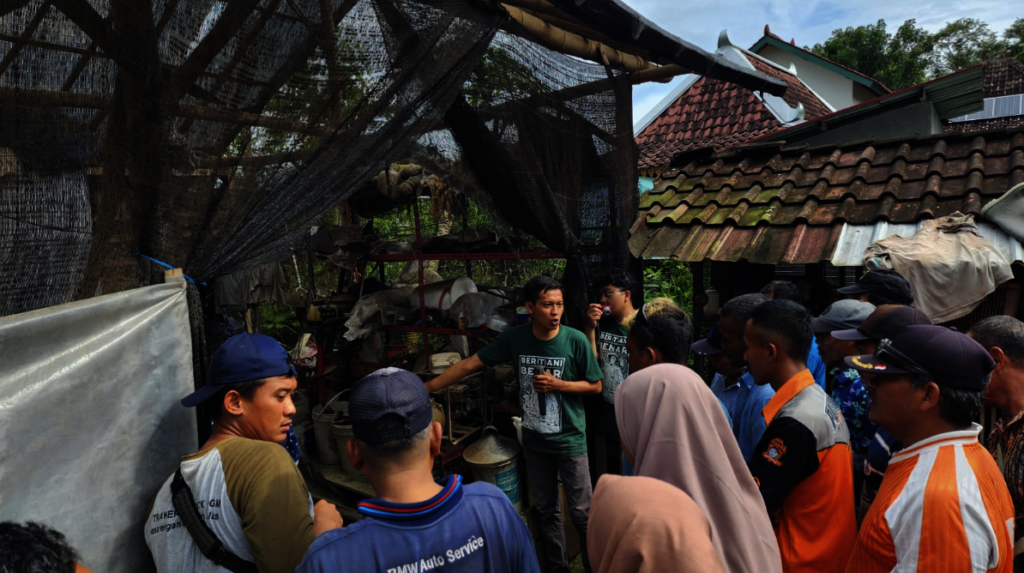
To support forest conservation initiatives in Blora and Ngawi Regencies, a Livestock Management Training was conducted for forest farmer communities through a collaboration between Universitas Gadjah Mada (UGM), Faculty of Social and Political Sciences, and Yayasan INFEST.
This training was designed as part of an integrated effort to strengthen community-based forest conservation by addressing the social and economic realities faced by forest-dependent farmers. Many communities living around forest areas rely on limited and often unsustainable livelihood strategies, increasing pressure on forest ecosystems. The program therefore emphasized a social empowerment and economic development approach as a foundation for long-term conservation.
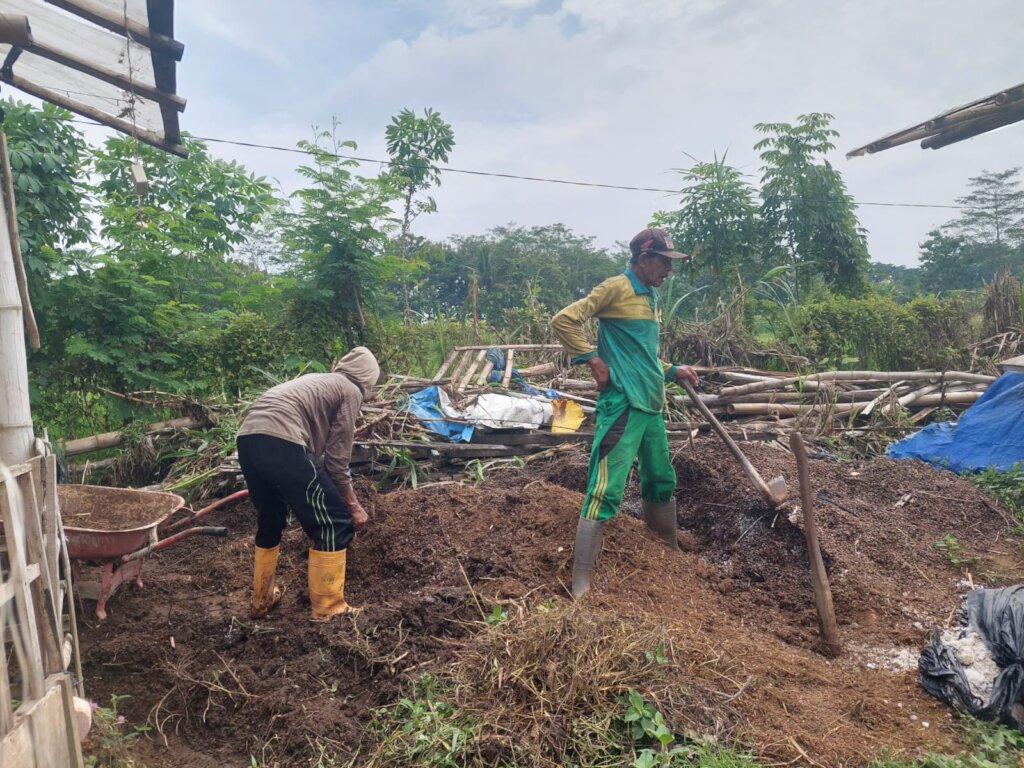
The training introduced participants to integrated agroforestry and livestock systems to support agrosilvopastoral practices. Forest farmers were trained in sheep farming techniques, including basic animal husbandry, feed management, and health care. Livestock development was positioned not as a standalone activity, but as part of a circular agriculture–livestock system, where agricultural by-products can be used as feed, and animal waste can be processed into organic fertilizer to support agroforestry cultivation.
By strengthening livestock-based livelihoods, the program aims to reduce farmers’ dependence on monoculture farming, which often depletes soil fertility and increases environmental vulnerability. Improved household income from diversified farming systems is expected to lower pressure on forest resources, while encouraging sustainable land management practices that align with conservation goals.
This training reflects a broader commitment to ensuring that forest restoration efforts go hand in hand with economic resilience and community empowerment. When forest farmers have viable and sustainable livelihood alternatives, conservation becomes a shared interest—benefiting both local communities and the forest ecosystems they protect.
Project reports on GlobalGiving are posted directly to globalgiving.org by Project Leaders as they are completed, generally every 3-4 months. To protect the integrity of these documents, GlobalGiving does not alter them; therefore you may find some language or formatting issues.
If you donate to this project or have donated to this project, you can receive an email when this project posts a report. You can also subscribe for reports without donating.



Support this important cause by creating a personalized fundraising page.
Start a Fundraiser