By Misbachul Munir | Project Staff
Poverty and ecological degradation are deeply intertwined realities in forest-adjacent areas on the island of Java, Indonesia. An estimated 87% of rural communities living around forests fall into low-income or poor categories, making daily survival a constant challenge. At the same time, many of Java’s forests are severely degraded, creating a cycle where environmental damage and poverty reinforce one another.
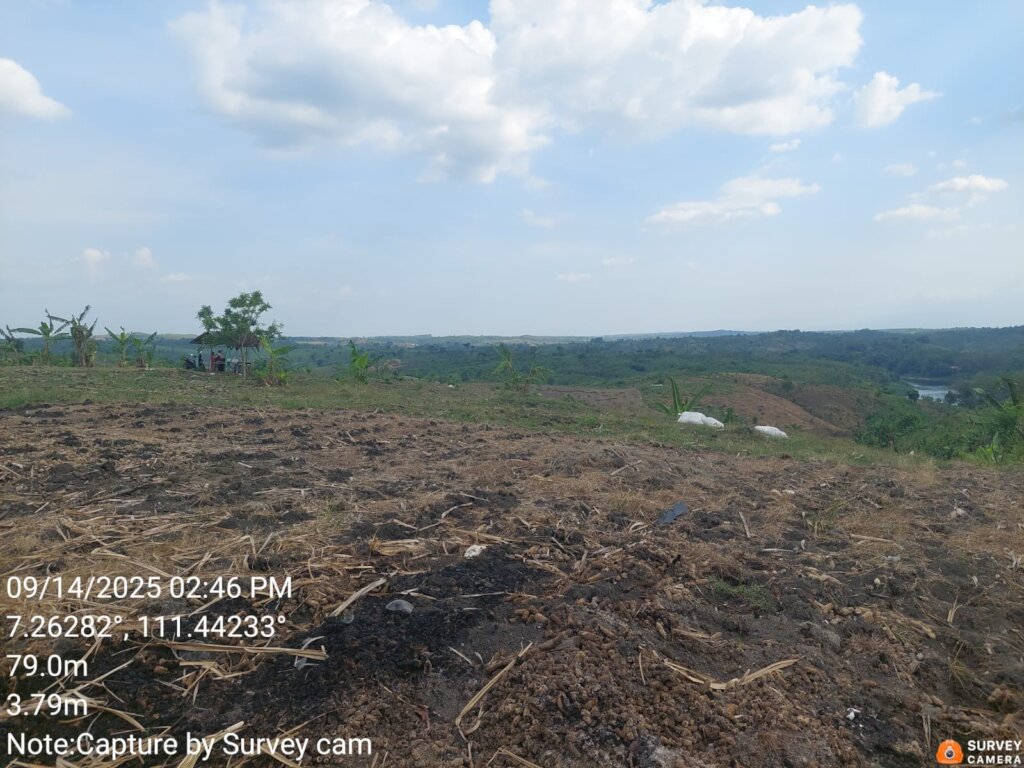
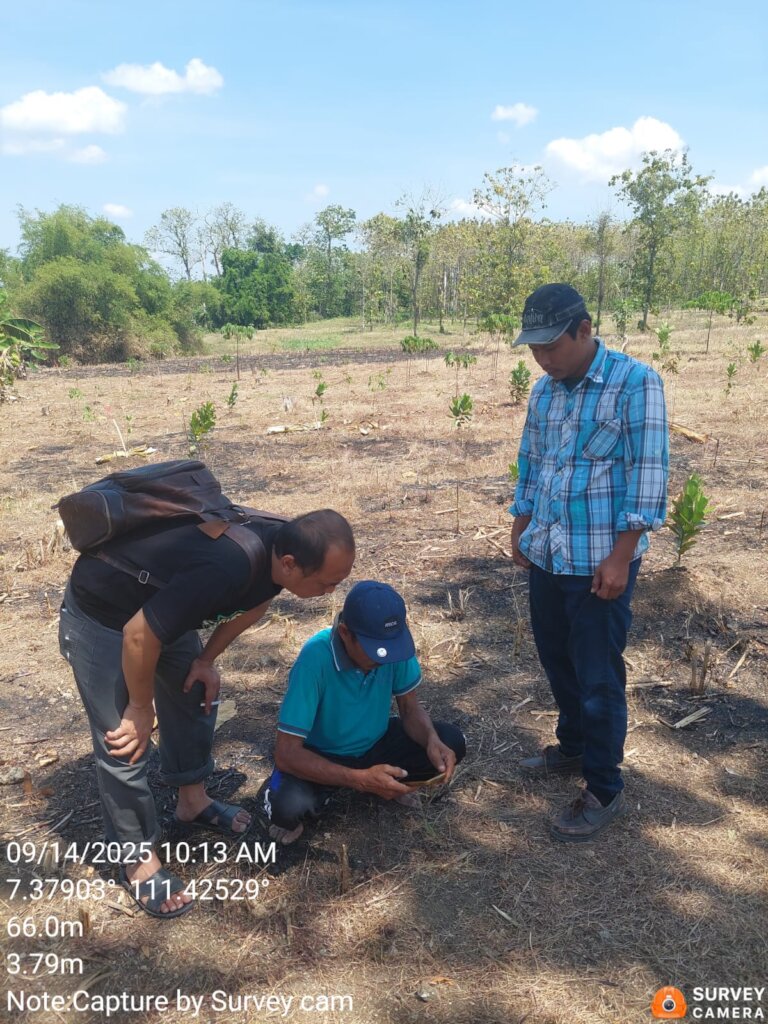
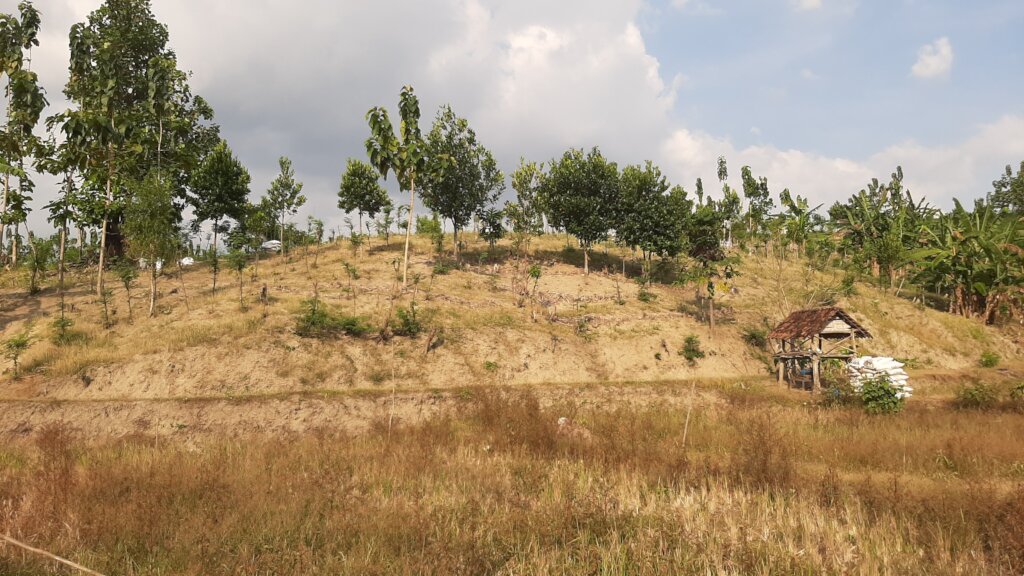
Much of this forest degradation can be traced back to the period 1998–2005, when widespread illegal logging occurred across Java’s forests—particularly in teak production forests. Since then, large areas of forest land have been converted into dry monoculture agriculture, such as corn and sugarcane. Although these areas are still officially classified as forest land, their ecological functions have been significantly reduced, including biodiversity loss, weakened water catchment capacity, and increased soil erosion.
Addressing these challenges requires an approach that tackles poverty and forest degradation simultaneously. Agroforestry offers a viable solution by integrating trees, crops, and community livelihoods within the same landscape. Through this approach, forest conservation does not come at the expense of local income—instead, it becomes a foundation for sustainable economic improvement.
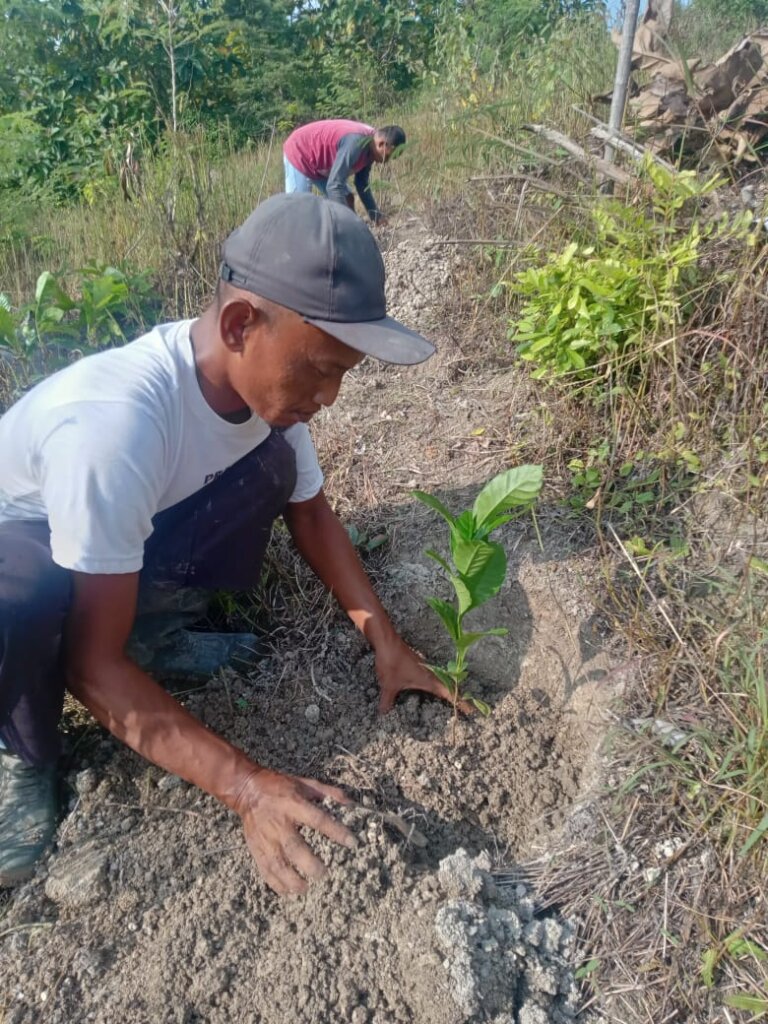
Through this project, we are working with forest-adjacent communities in Blora, Central Java, to support conservation through agroforestry. Selected forest areas are being managed as agroforestry zones, allowing communities to cultivate crops under tree cover in ways that maintain forest structure and ecological balance. At the same time, other forest areas are intentionally restored as strict conservation zones, dedicated to wildlife protection, water retention, and watershed conservation. These areas are gradually being returned to their natural functions as habitats and ecological buffers.
How You Can Help
Your support through GlobalGiving will directly enable communities to restore forests while improving their livelihoods. Together, we aim to:
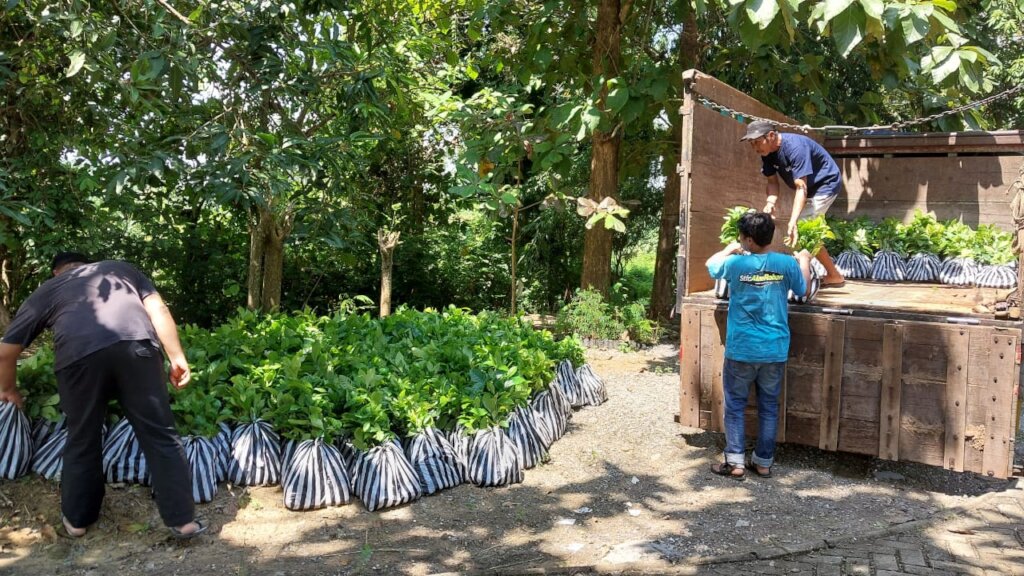
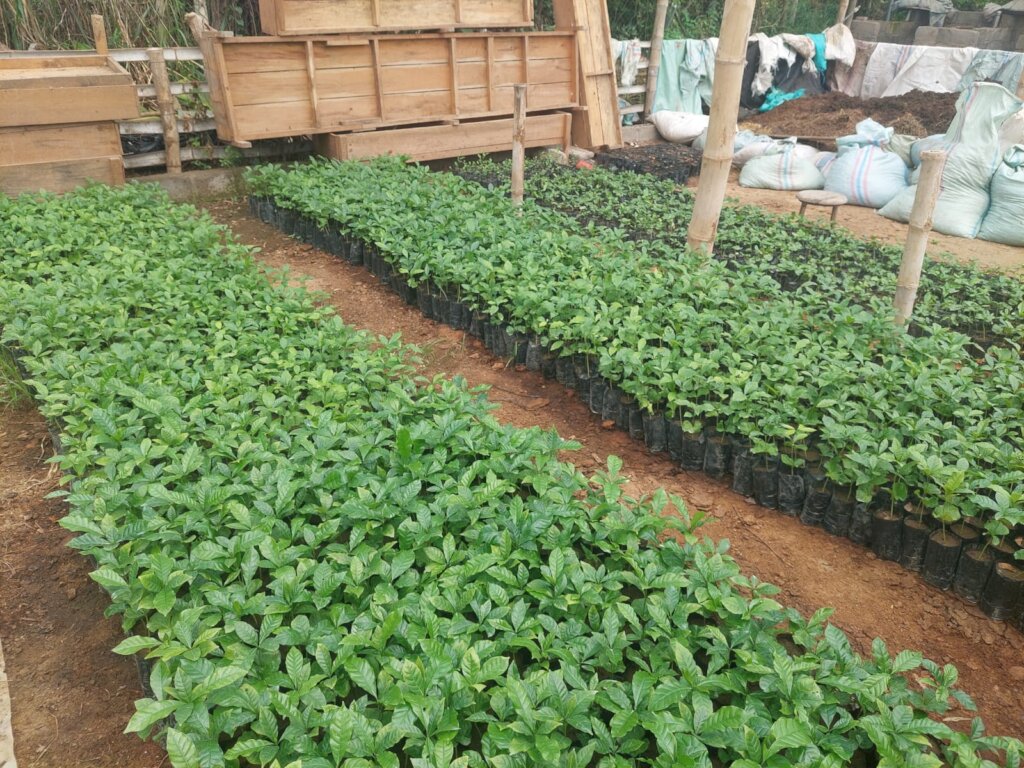
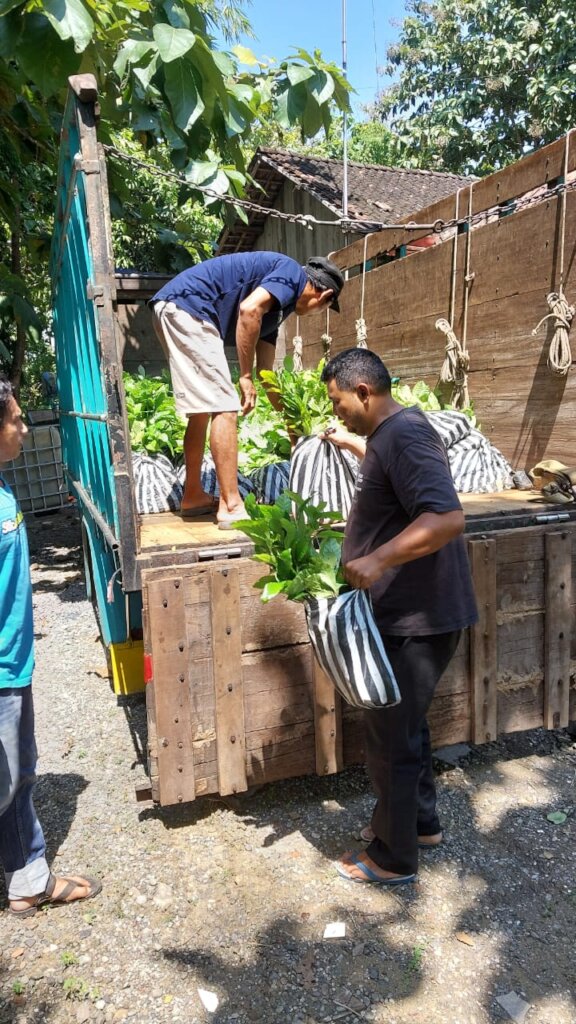
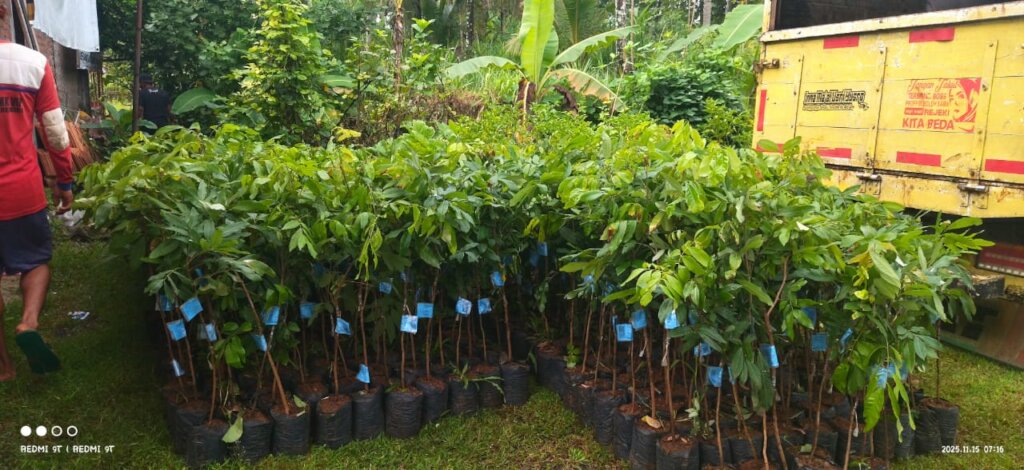
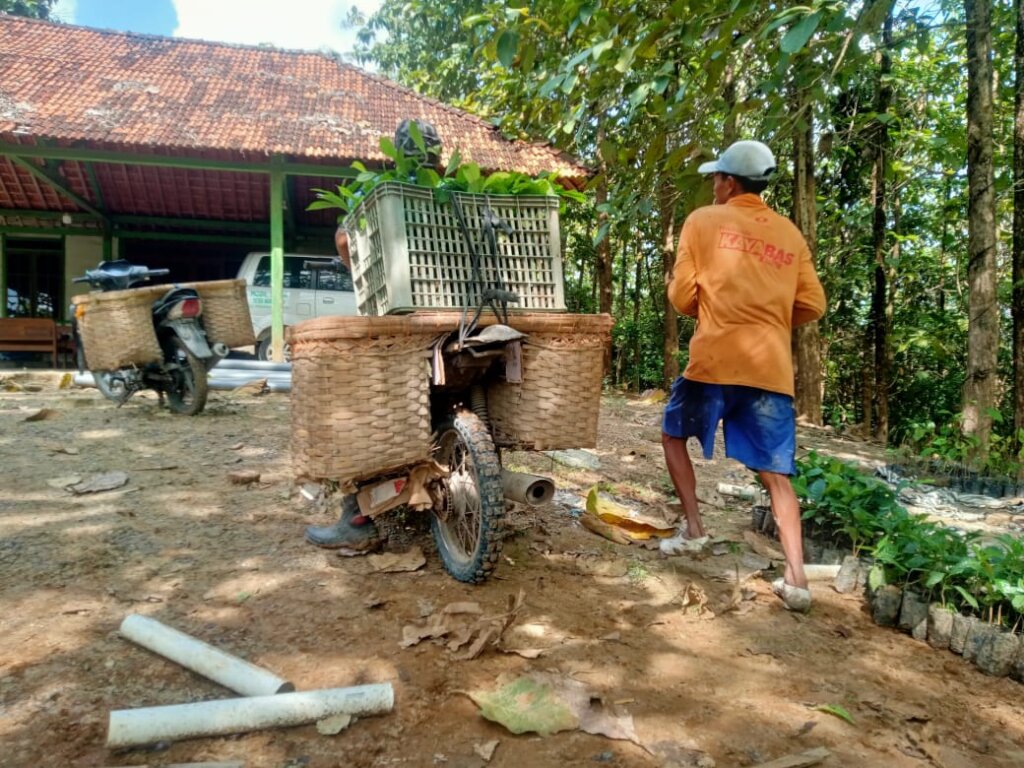
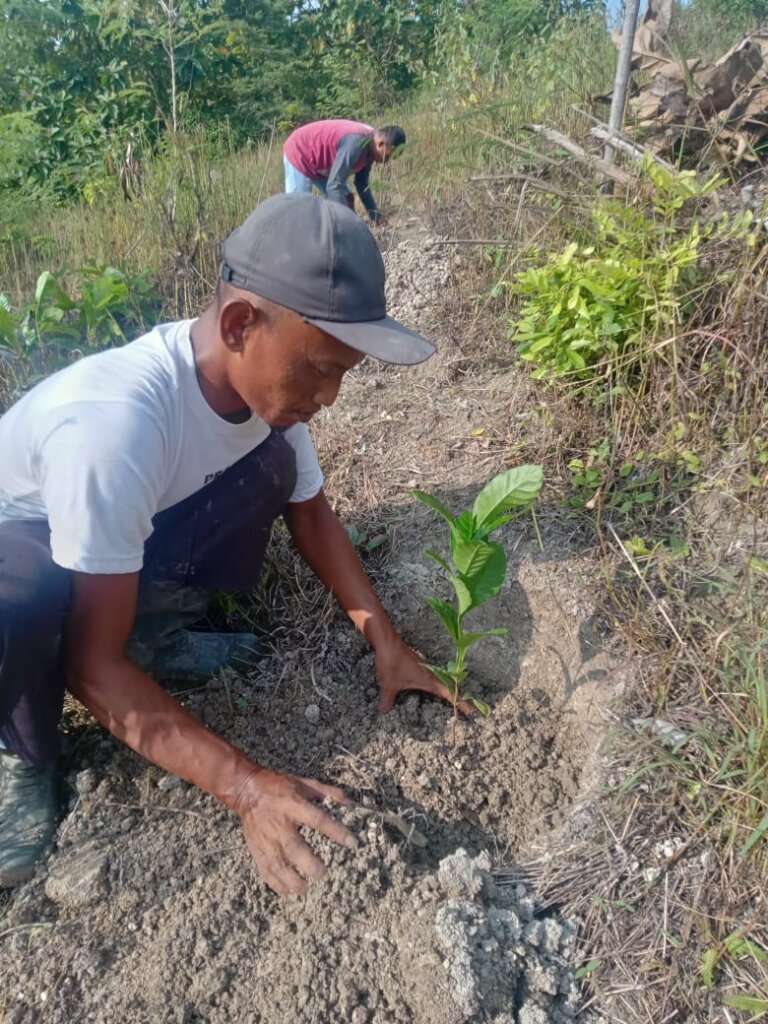
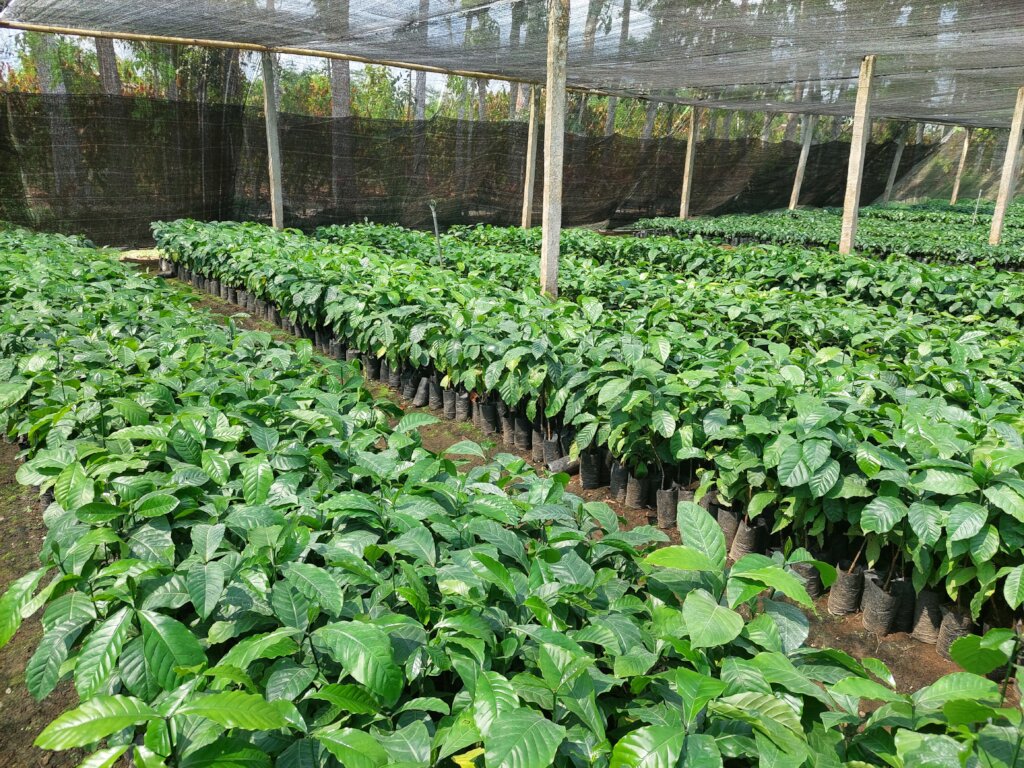
Provide tree seedlings for forest conservation, supporting reforestation and ecological recovery.
Strengthen community capacity through training and mentoring in sustainable forest management and agroforestry practices.
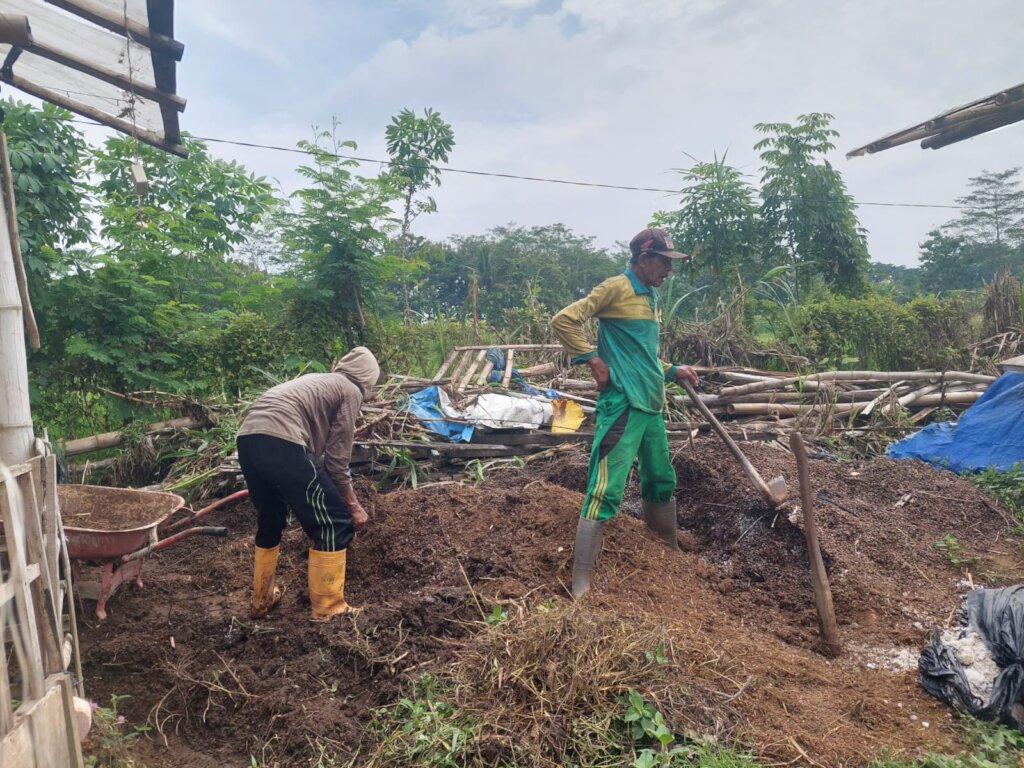
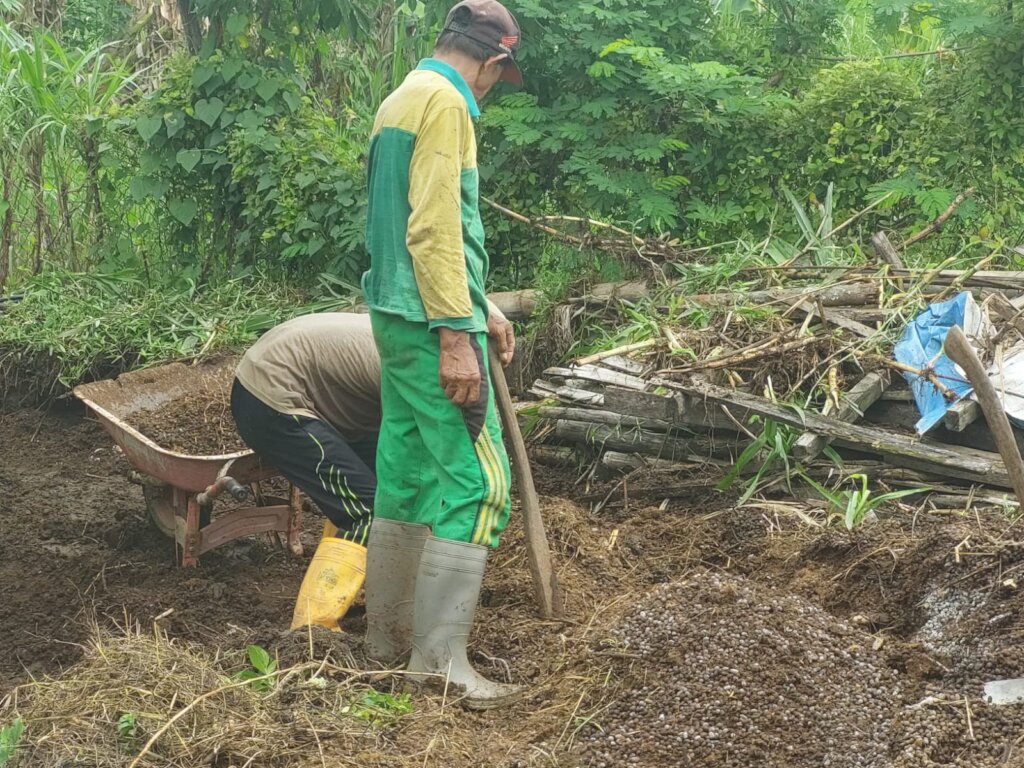
Prepare the technical foundations for forest restoration, including land preparation, species selection, and long-term management systems.
By supporting this project, you are helping communities protect forests not by excluding people—but by empowering them to become long-term stewards of the landscape.
Project reports on GlobalGiving are posted directly to globalgiving.org by Project Leaders as they are completed, generally every 3-4 months. To protect the integrity of these documents, GlobalGiving does not alter them; therefore you may find some language or formatting issues.
If you donate to this project or have donated to this project, you can receive an email when this project posts a report. You can also subscribe for reports without donating.



Support this important cause by creating a personalized fundraising page.
Start a Fundraiser