By Misbachul Munir | Project Staff
Dear Donors and Supporters,
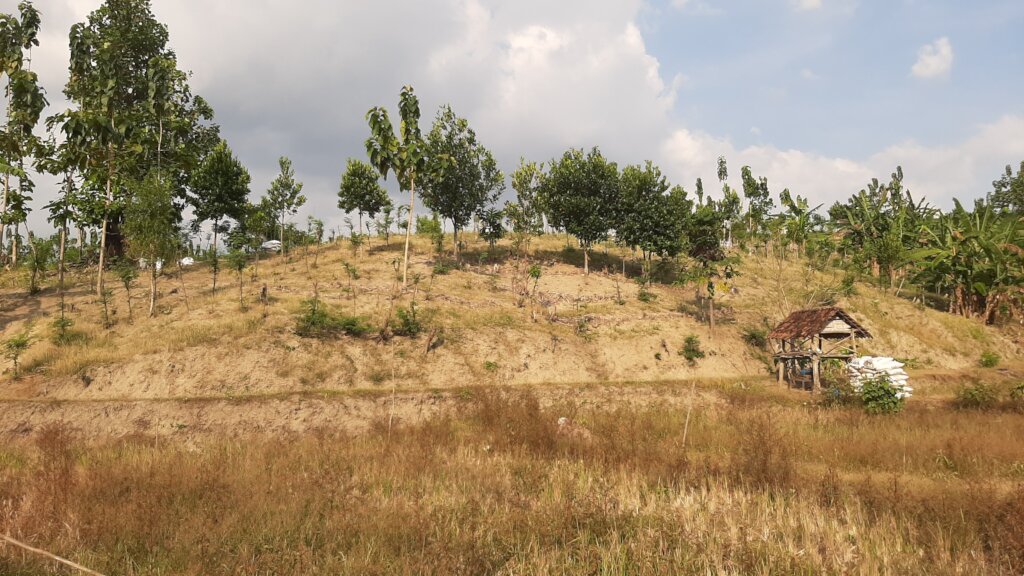
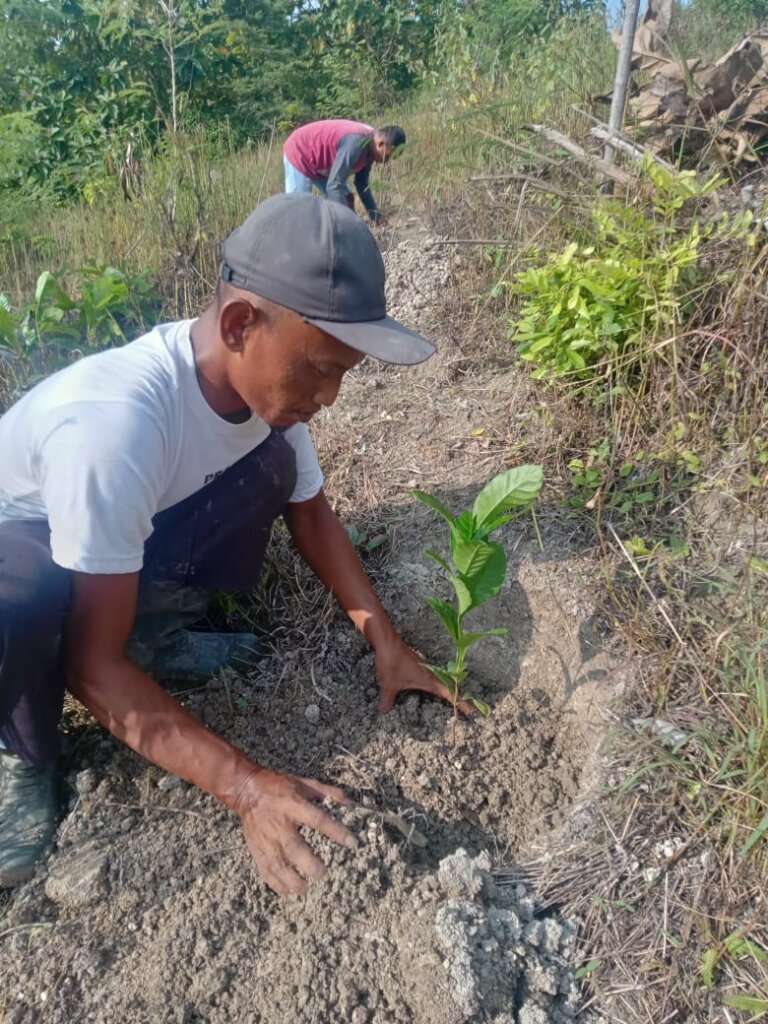
As we enter 2026, we are continuing our long-term commitment to plant 1,000,000 trees across Indonesia’s degraded forest landscapes. This initiative marks a new phase in our restoration journey—one that goes beyond planting trees and focuses on rebuilding ecosystems together with the communities who live closest to the forest.
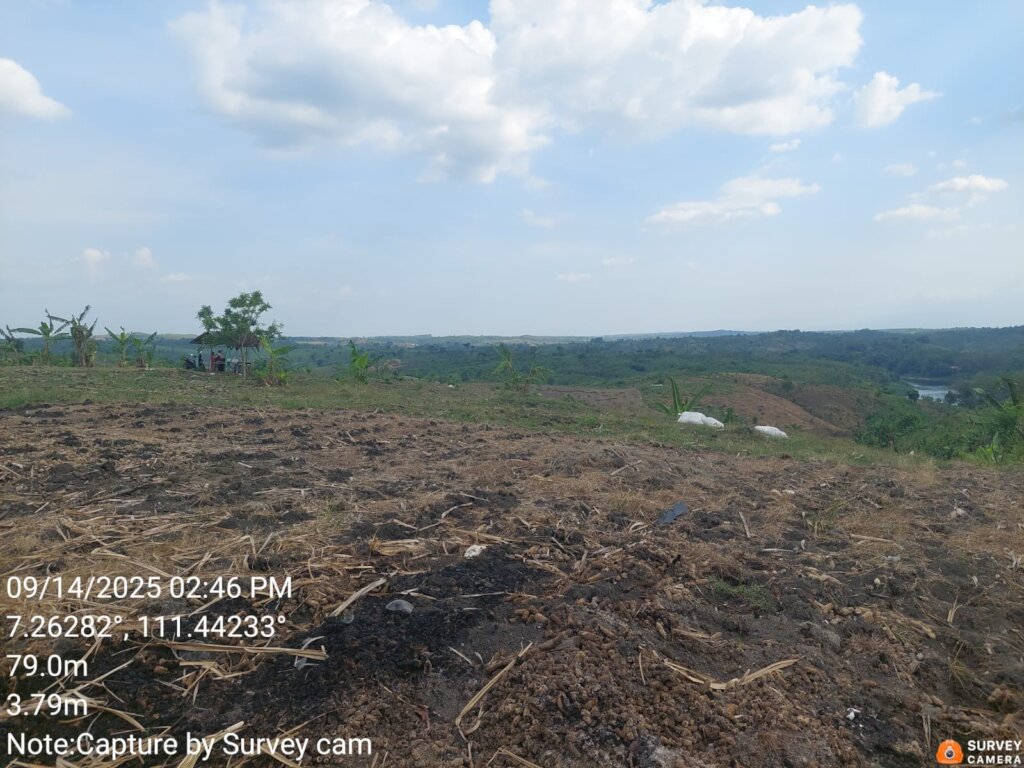
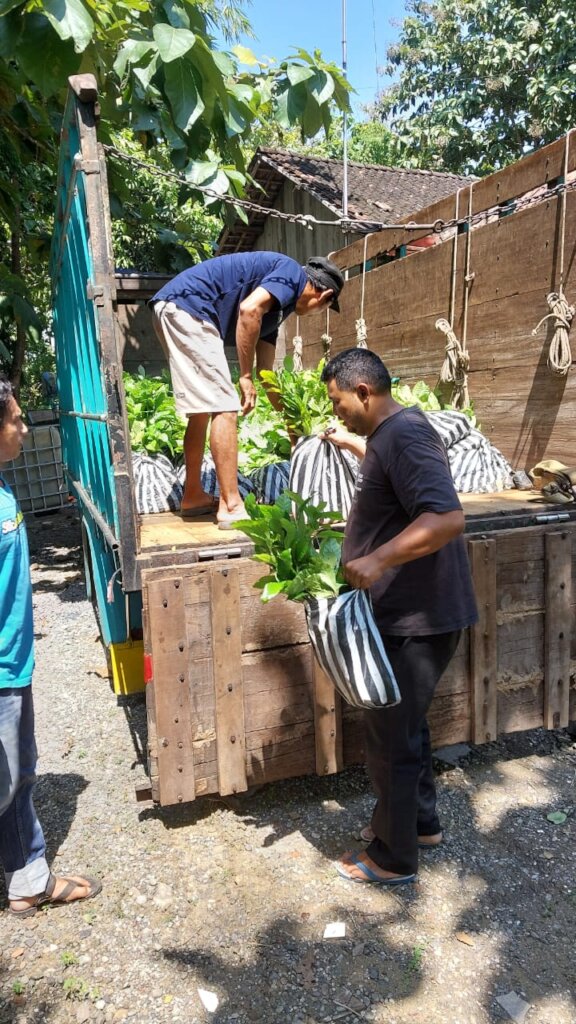
Restoring forests at this scale is not easy. We face multiple challenges on the ground, including severe land degradation, the need for community engagement, logistical constraints, and the complexity of social mobilization. However, these challenges have strengthened our resolve and sharpened our approach.
Our Key Approaches on the Ground
To respond to these realities, we apply three core strategies:
1. Community-Based Forest Conservation and Restoration
We firmly believe that forests can only be protected and restored when local communities are at the center of the process. Forest degradation and forest protection are deeply linked to local livelihoods.
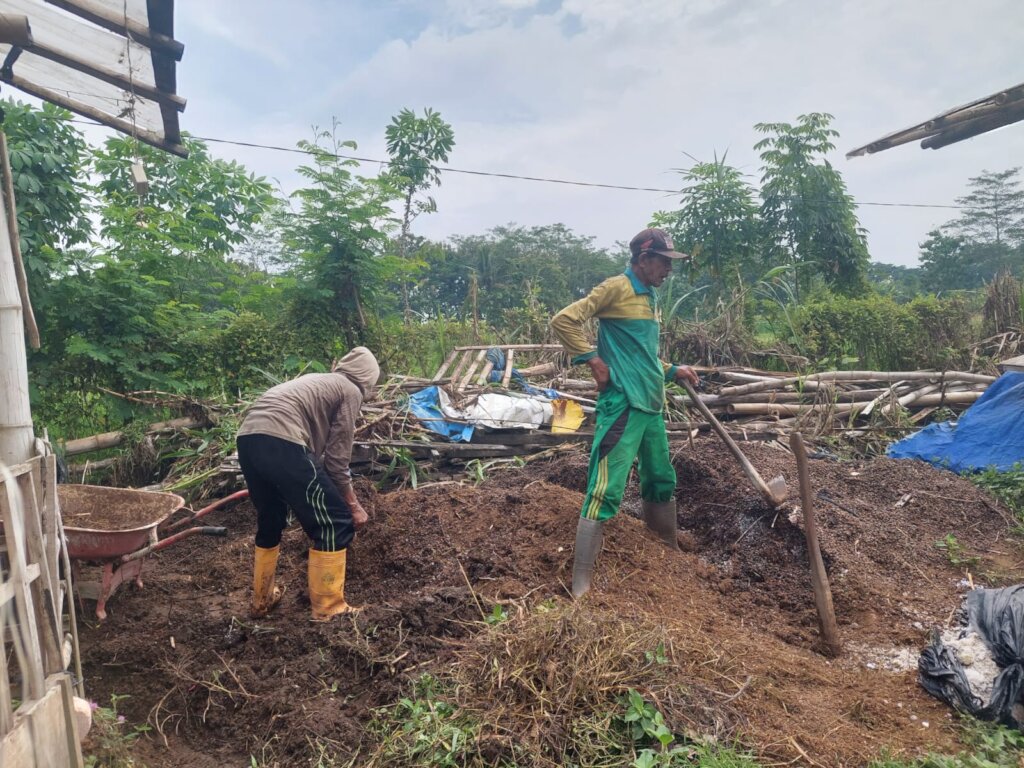
For this reason, our approach combines conservation with economic empowerment. Communities are not only invited to plant trees, but are also supported with livelihood innovations—particularly in sustainable agriculture and agroforestry.
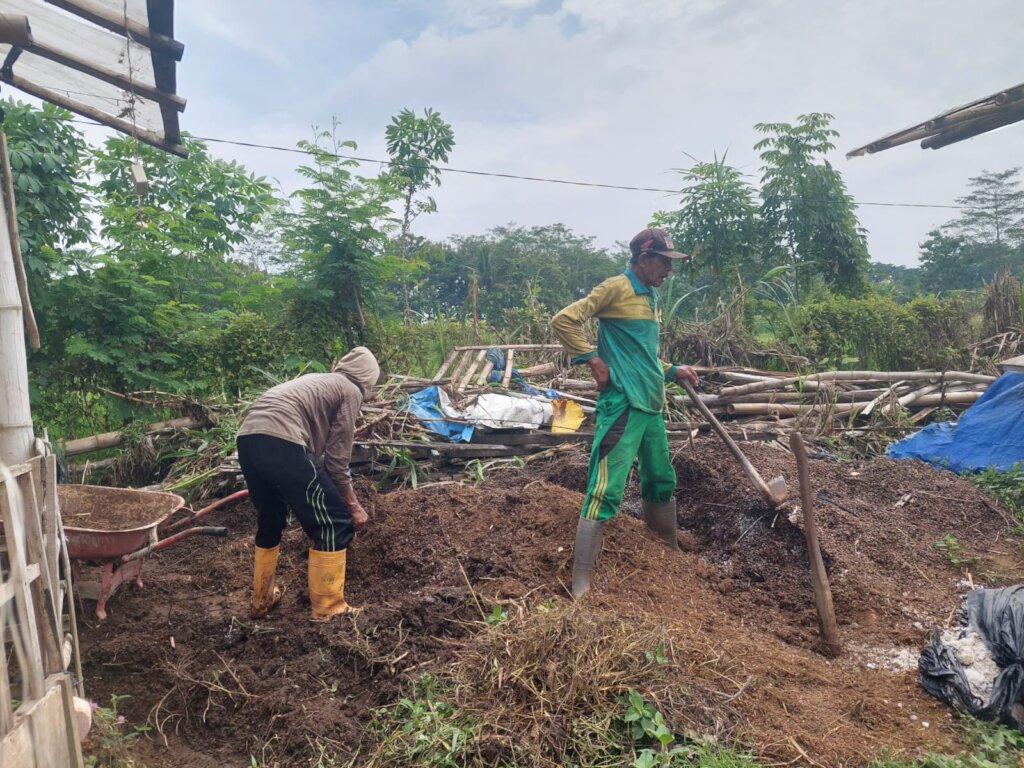
One example comes from Blora Regency, where we integrate forest restoration with community-based agricultural development. By supporting farmers with alternative, sustainable income options, conservation becomes a shared interest rather than an external obligation.
2. Strengthening Forest Governance at the Local Level
We actively encourage the involvement of local governments, including village authorities, in forest protection and restoration.
This approach aligns with Indonesia’s Village Law (Law No. 6 of 2014), which provides villages with authority to manage natural resources within their territories. By engaging village governments, we help ensure that restoration efforts are embedded in local planning, regulations, and long-term stewardship.
3. Clear Zoning: Agroforestry and Conservation Areas
To ensure ecological effectiveness, restoration sites are carefully zoned into two categories:
Agroforestry Zones
These are community-managed forest areas where land-use practices are shifted from monoculture systems to diverse agroforestry models. This approach restores soil health, increases biodiversity, and provides sustainable income for local families.
Strict Conservation Zones
These areas are fully protected and not used for any economic activities. They are planted with native tree species and habitat-supporting plants to restore wildlife corridors and natural forest functions. These zones are agreed upon collectively by each community.
How You Can Support This Initiative
Your support plays a vital role in sustaining and expanding this work. You can help by:
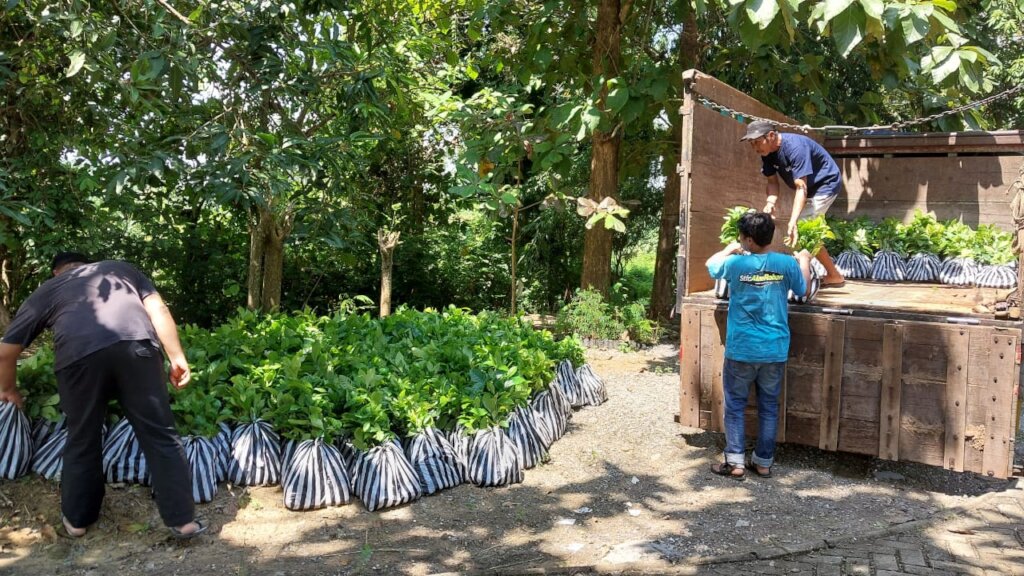
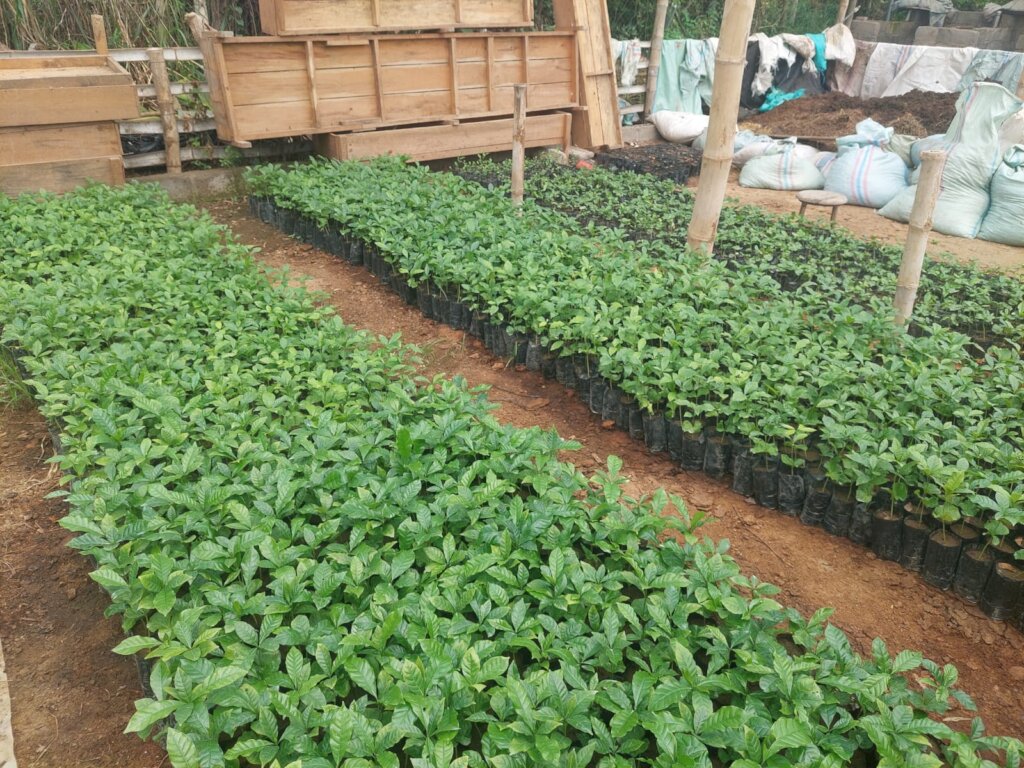
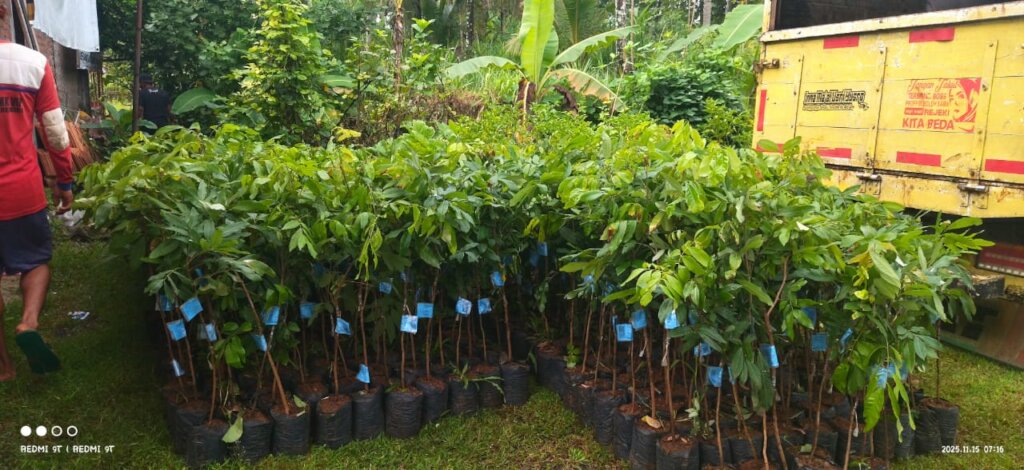
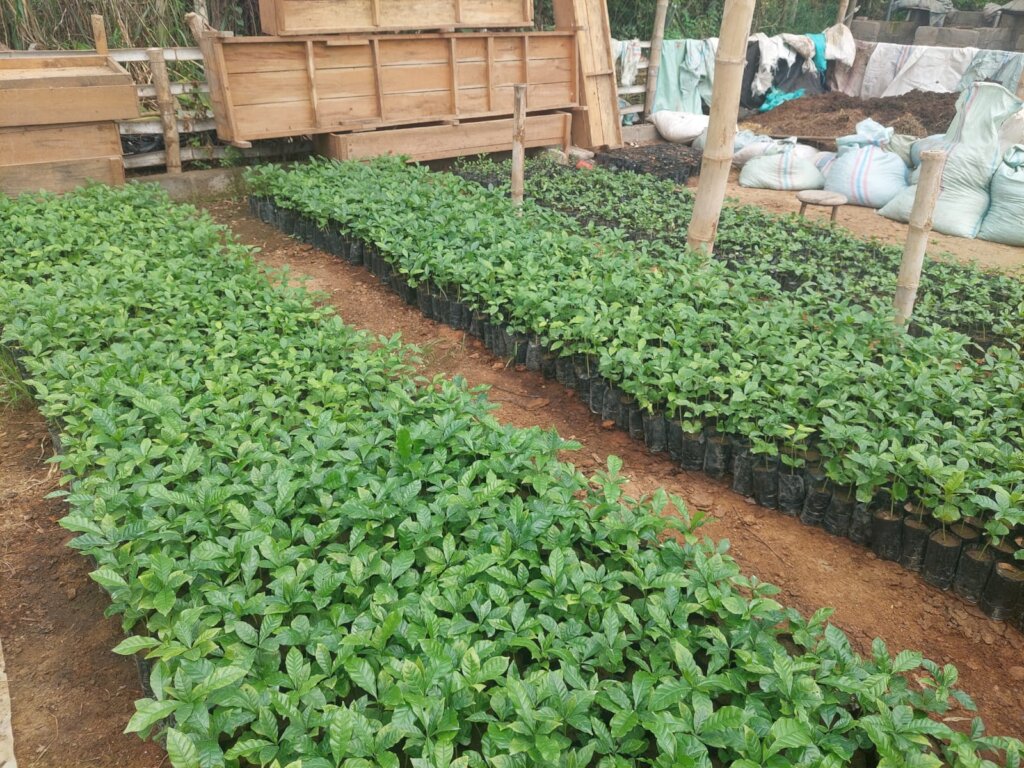
Funding tree nurseries and seedling preparation
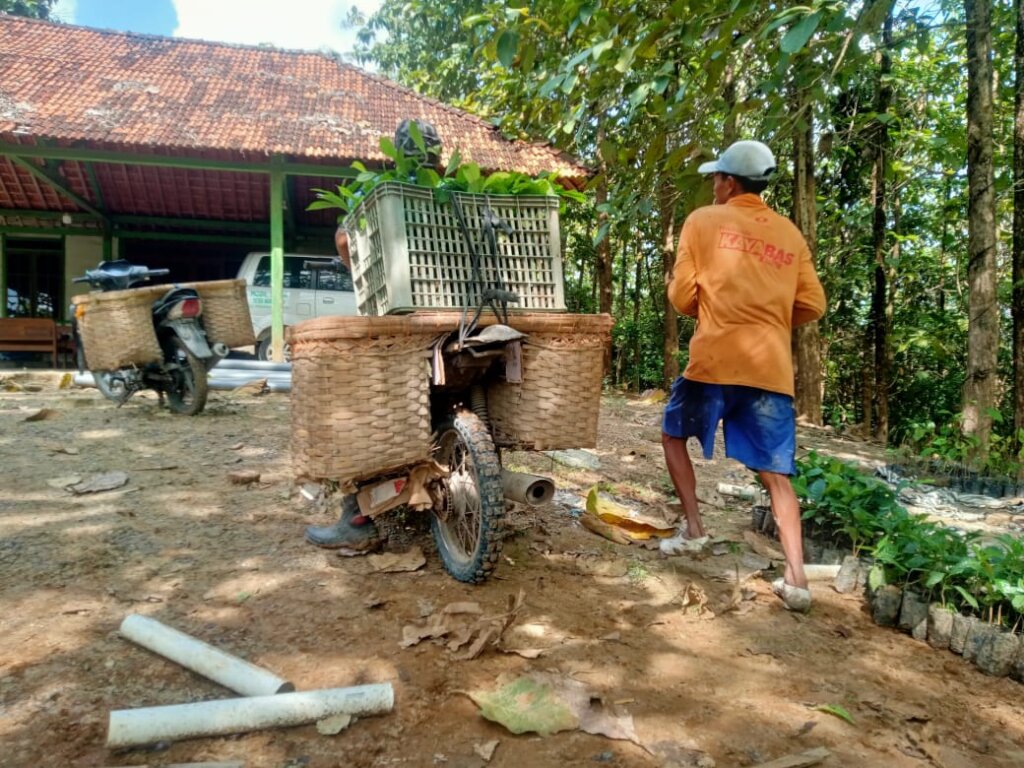
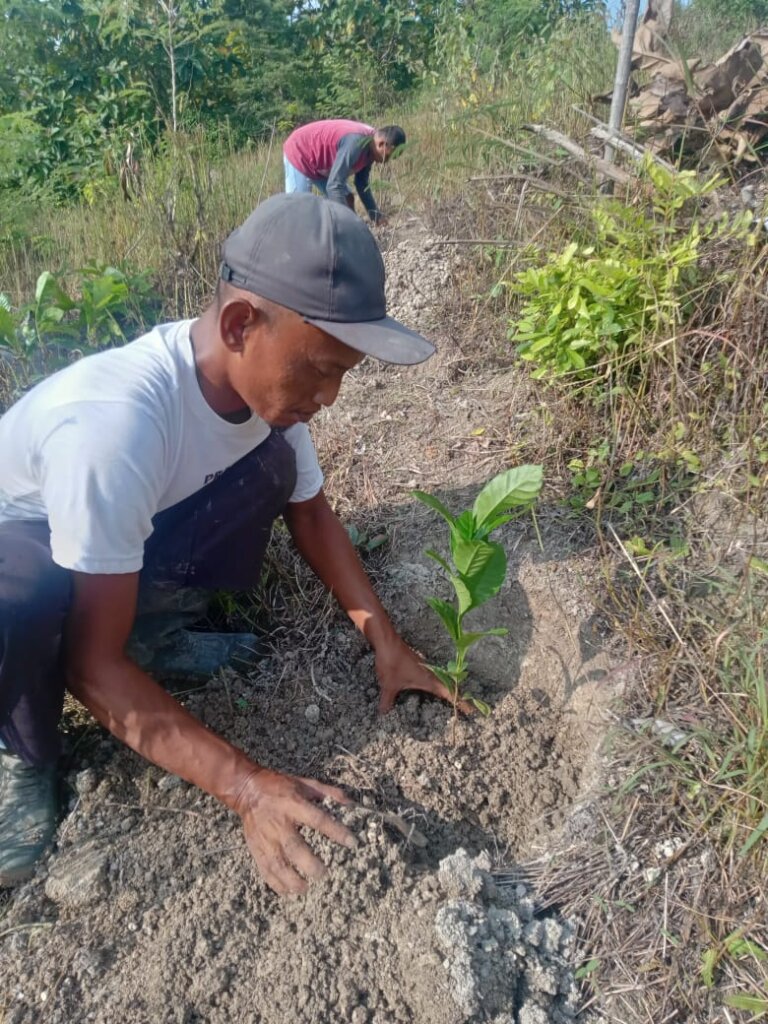
Supporting community planting and maintenance activities
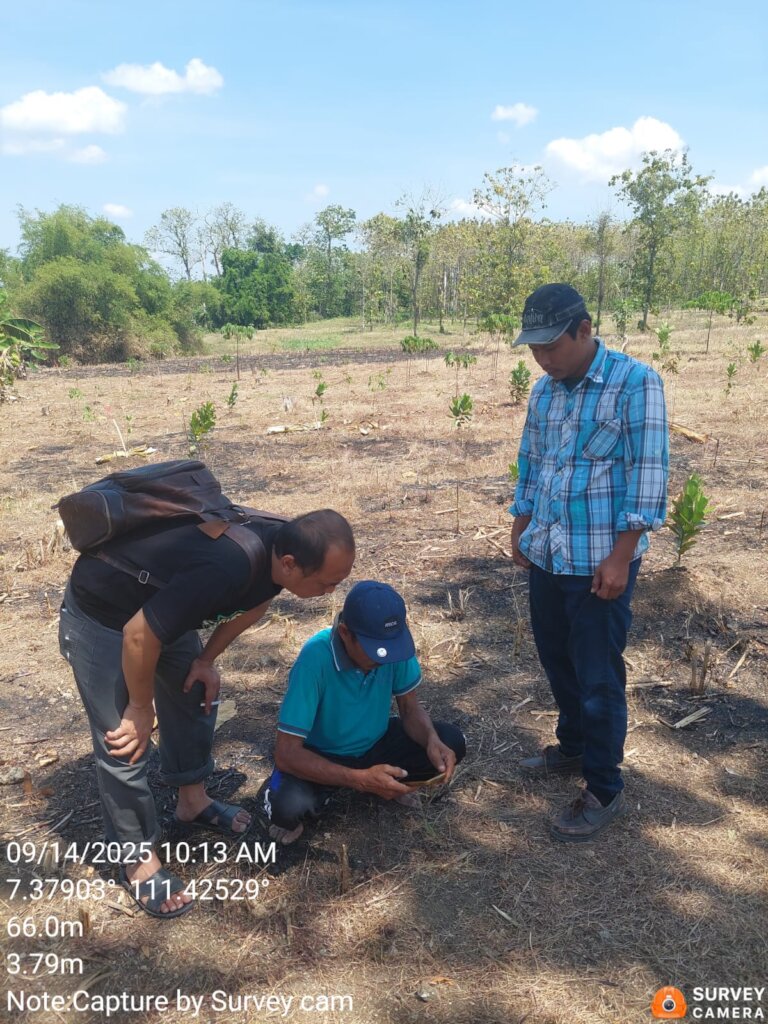
Strengthening local capacity for forest governance and monitoring
Ensuring long-term care so trees survive and forests recover
Every contribution—no matter the size—helps turn degraded land into living forests and strengthens communities on the frontlines of climate change.
Thank you for standing with us as we enter this new phase of forest restoration. Together, we are not just planting trees—we are rebuilding ecosystems, protecting livelihoods, and securing a greener future for generations to come.
With gratitude,
The INFEST Foundation Team
Project reports on GlobalGiving are posted directly to globalgiving.org by Project Leaders as they are completed, generally every 3-4 months. To protect the integrity of these documents, GlobalGiving does not alter them; therefore you may find some language or formatting issues.
If you donate to this project or have donated to this project, you can receive an email when this project posts a report. You can also subscribe for reports without donating.



Support this important cause by creating a personalized fundraising page.
Start a Fundraiser