By Misbachul Munir | Project Staff
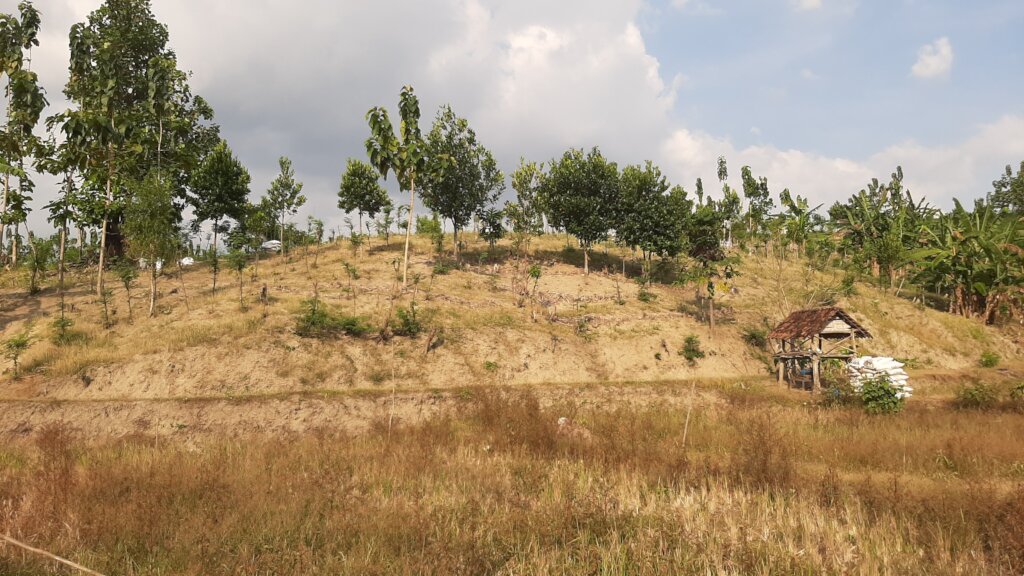
The Wanamulya Community is a grassroots environmental group actively engaged in forest conservation and community-based livelihood development in Blora Regency, Central Java. Rooted in collective action, the community conducts regular monthly coordination meetings as part of its commitment to sustainable forest management and participatory rural development. These meetings function as a strategic forum to evaluate ongoing programs, strengthen internal coordination, and formulate joint plans for conservation, local economic initiatives, and forest-area governance.
Activity Implementation
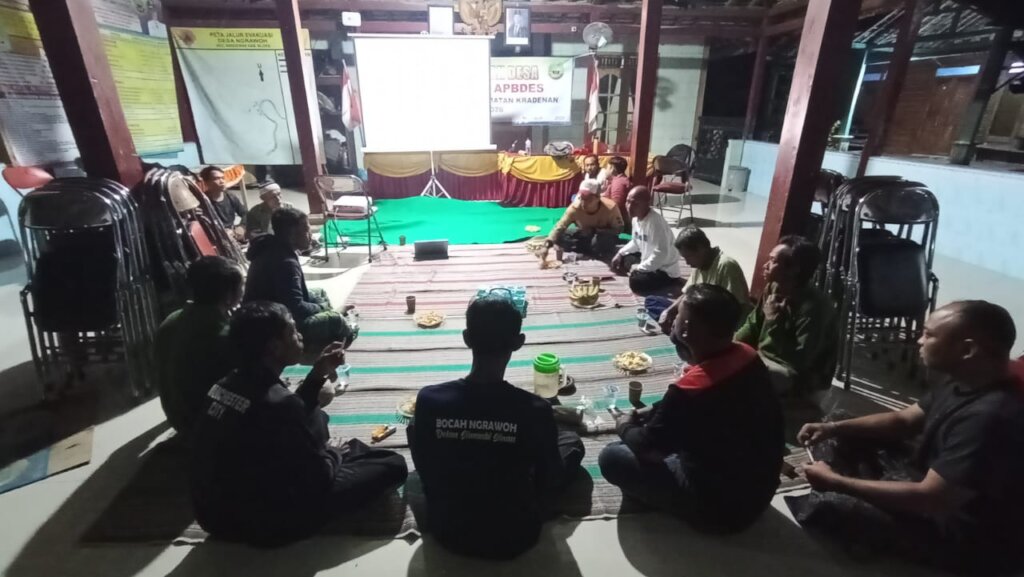
The February Regular Community Meeting was held on 11 February 2026 and attended by 30 participants, all members of the local farmer group involved in conservation and community-based economic activities.
The primary focus of the meeting was to evaluate conservation and community empowerment activities implemented in January 2026, ensuring that each initiative remains aligned with both ecological sustainability and livelihood improvement goals.
Key Discussion Points
1. Progress of the Community-Managed Sheep Farming Program
Participants reviewed the performance of the sheep farming initiative launched in 2025. The discussion focused on livestock management practices, productivity levels, animal health, and the program’s contribution to household income. Members reflected on operational challenges and explored strategies to improve efficiency and profitability while maintaining environmental responsibility.
2. Organic Fertilizer Development Initiative
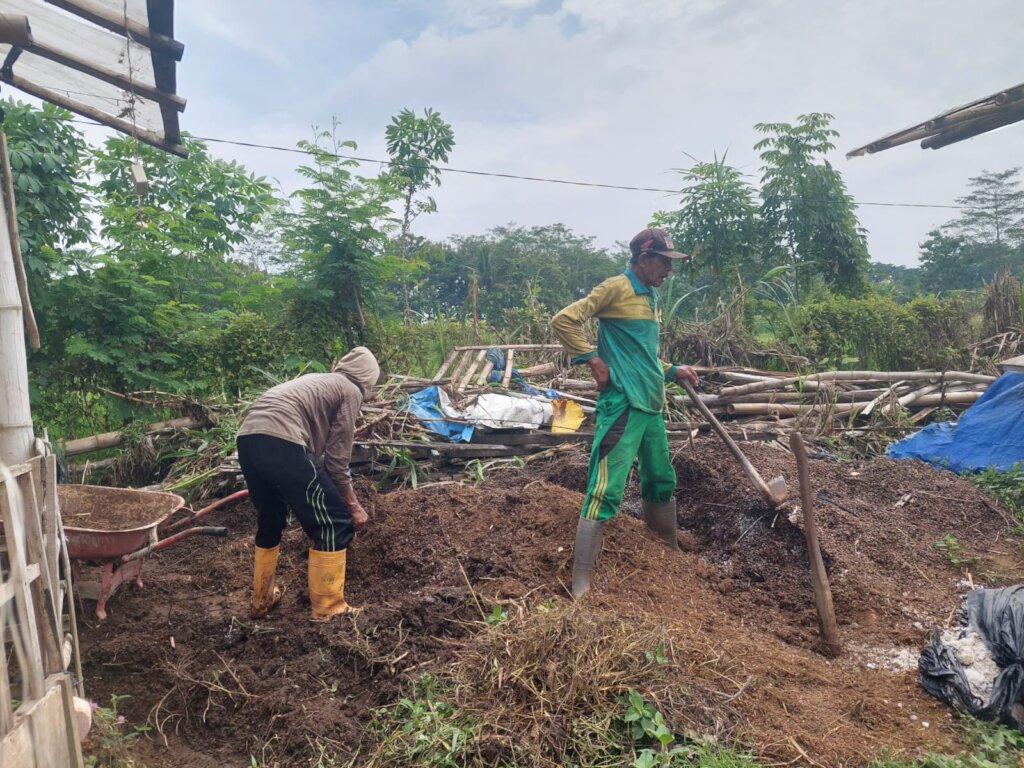
The community discussed early-stage efforts to develop organic fertilizer derived from livestock waste. This initiative aims to support sustainable agriculture around forest areas, reduce dependence on chemical fertilizers, and strengthen circular economic practices within the village. The integration of sheep farming and organic fertilizer production reflects a growing commitment to regenerative land management.
3. Evaluation of Coffee Cultivation under Agroforestry Systems
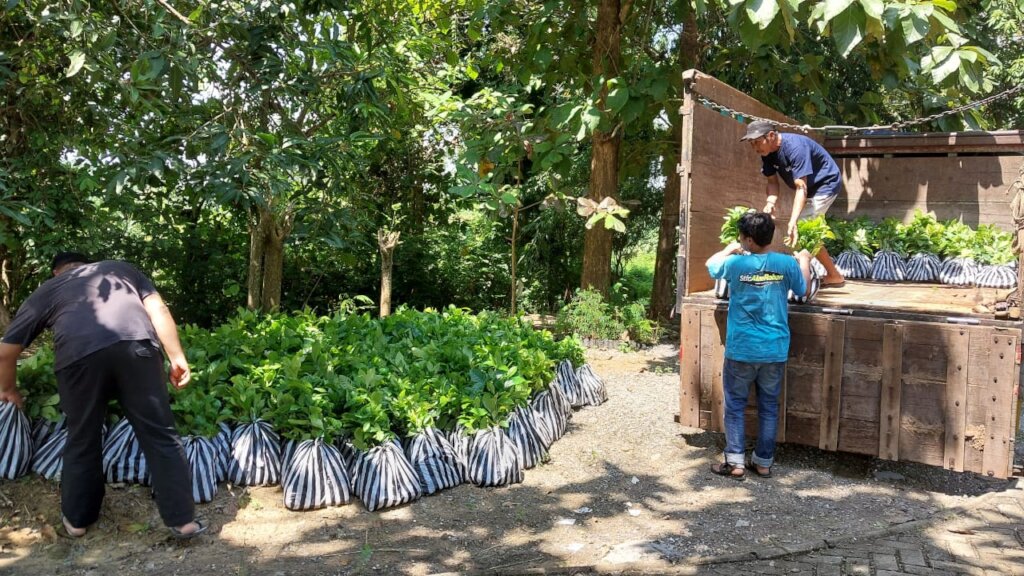
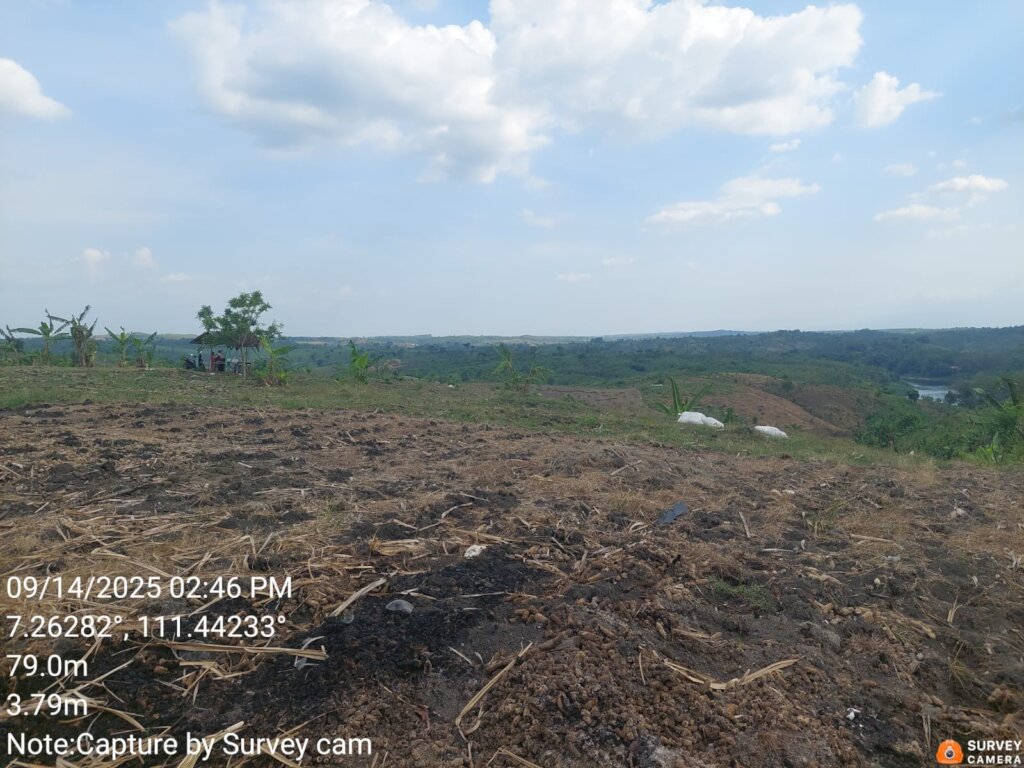
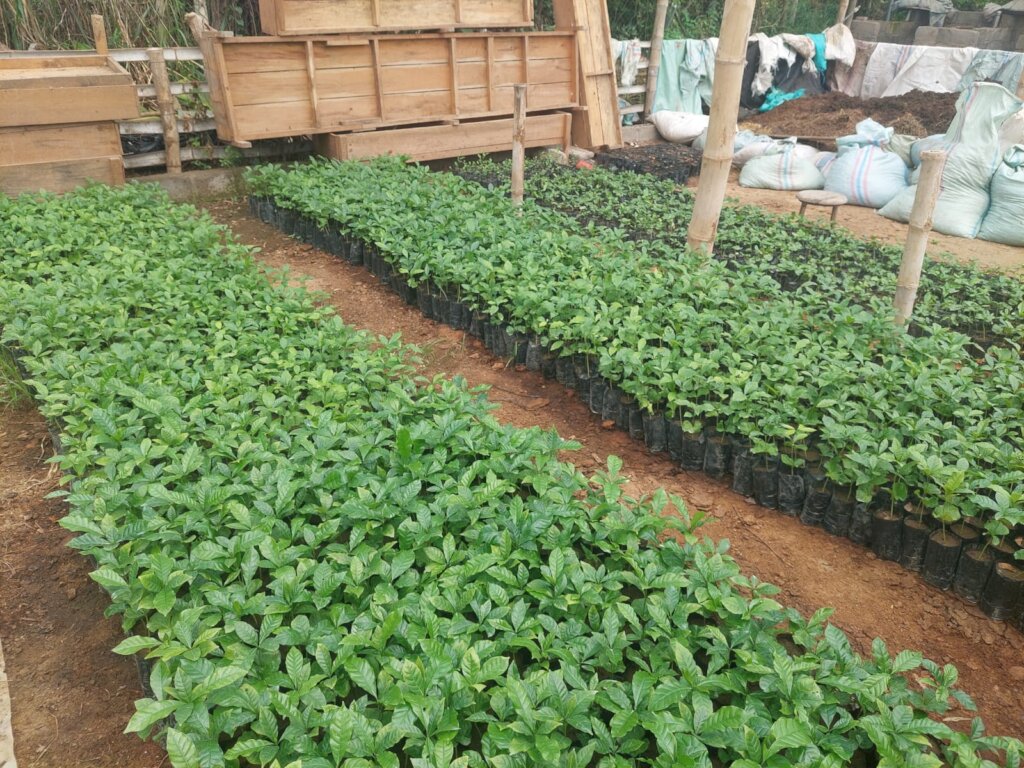
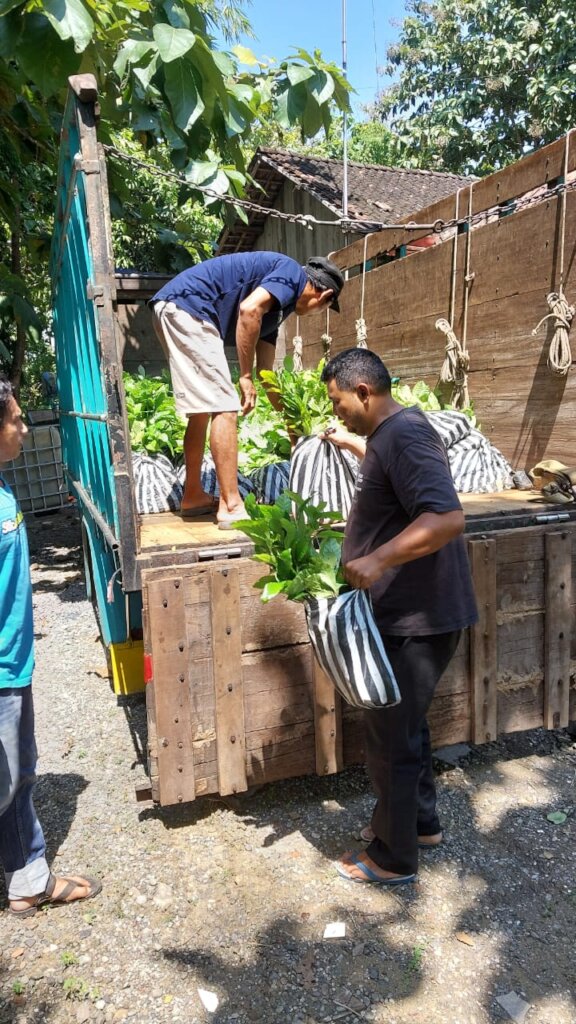
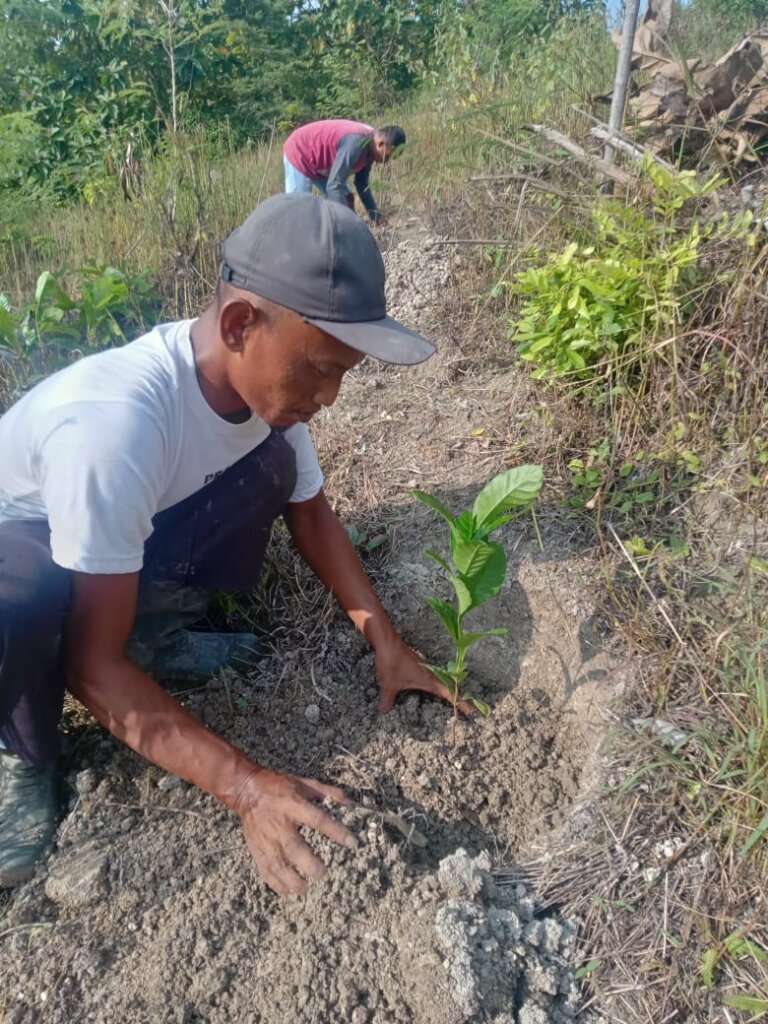
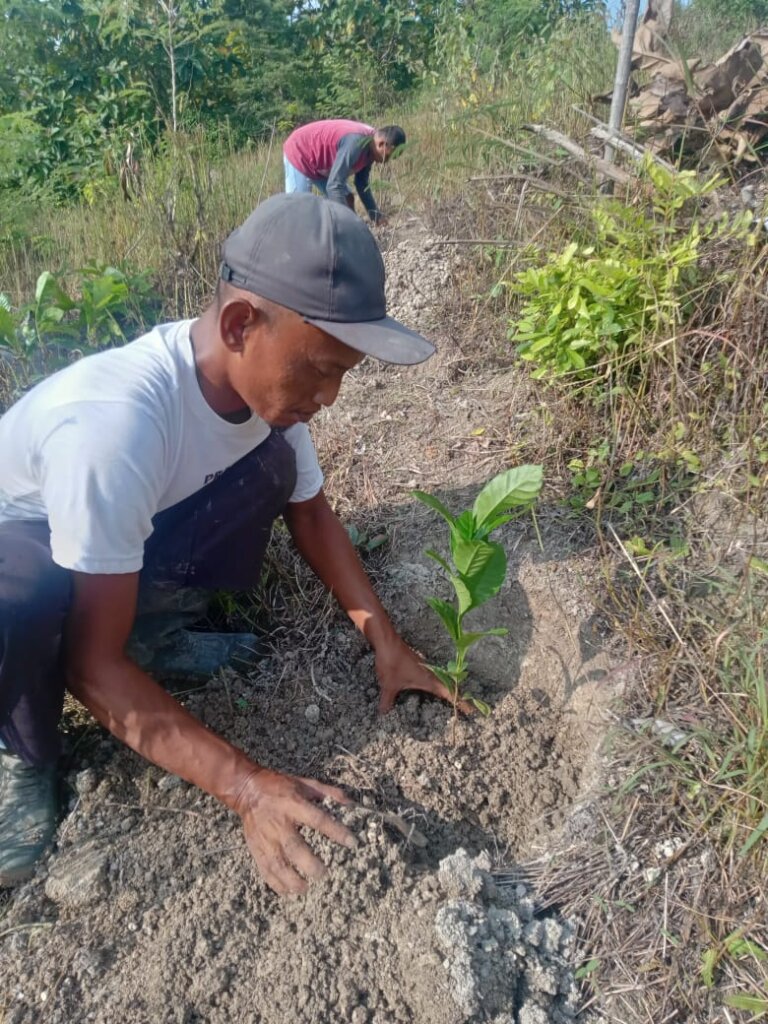
An assessment was conducted on the progress of coffee cultivation within the village’s agroforestry system. Members discussed technical challenges, plant growth performance, soil conditions, and potential market opportunities. The agroforestry approach—integrating coffee with timber and conservation trees—remains central to the community’s strategy for combining ecological restoration with long-term income generation.
4. Financial Management Report
A transparent report on the management of collective member funds during 2025 was presented. Financial accountability remains a cornerstone of the Wanamulya Community’s governance, reinforcing trust, transparency, and collective responsibility among members.
Follow-Up Plans
Beyond evaluation, the meeting generated several forward-looking commitments:
Strengthening Agroforestry Knowledge: Members emphasized the need to deepen their technical understanding of agroforestry systems, particularly regarding maintenance, diversification strategies, and long-term productivity.
Strategic Conservation Priorities for 2026: The community outlined priority actions to strengthen forest conservation impact and increase active member participation.
Advanced Training on Appreciative Village Planning: Participants agreed to pursue further training in appreciative village planning to enhance their capacity to influence village-level policies that support sustainable forest governance and community empowerment.
Conclusion
The February Regular Community Meeting served as a strategic platform to reinforce community cohesion, collective learning, and program continuity. Through structured, participatory discussions, the Wanamulya Community continues to demonstrate that forest conservation and livelihood development can move forward together.
By combining agroforestry, livestock integration, organic fertilizer innovation, and transparent governance, the community strengthens both ecological resilience and rural prosperity—proving that sustainable forest management is most effective when led by organized and empowered local communities.
Project reports on GlobalGiving are posted directly to globalgiving.org by Project Leaders as they are completed, generally every 3-4 months. To protect the integrity of these documents, GlobalGiving does not alter them; therefore you may find some language or formatting issues.
If you donate to this project or have donated to this project, you can receive an email when this project posts a report. You can also subscribe for reports without donating.



Support this important cause by creating a personalized fundraising page.
Start a Fundraiser