By Nur Abdullah | Project Staff
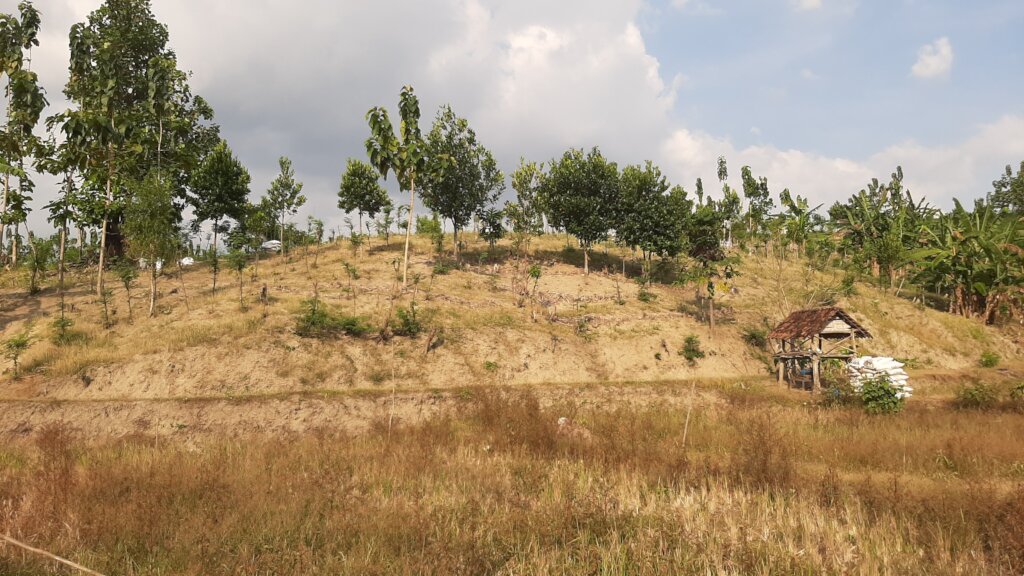
In many forest-adjacent villages in Blora, poverty remains a persistent reality. Limited economic opportunities often push communities to depend on forest areas in unsustainable ways—through excessive logging, unmanaged land clearing, or farming practices that gradually degrade soil and water systems. In this context, environmental degradation is not simply an ecological issue; it is closely linked to economic vulnerability.
For this reason, forest restoration cannot focus on trees alone. Restoring forest landscapes must also address the livelihoods of the people who depend on them. Without viable economic alternatives, conservation efforts risk failing, as communities are left with few options for survival.
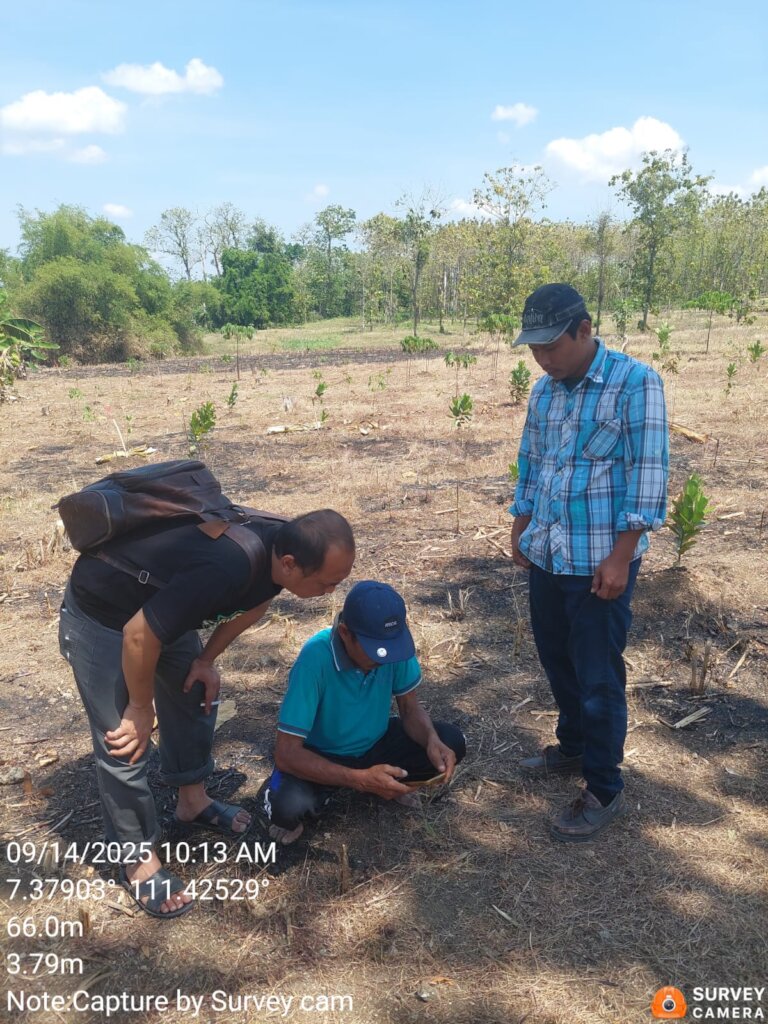
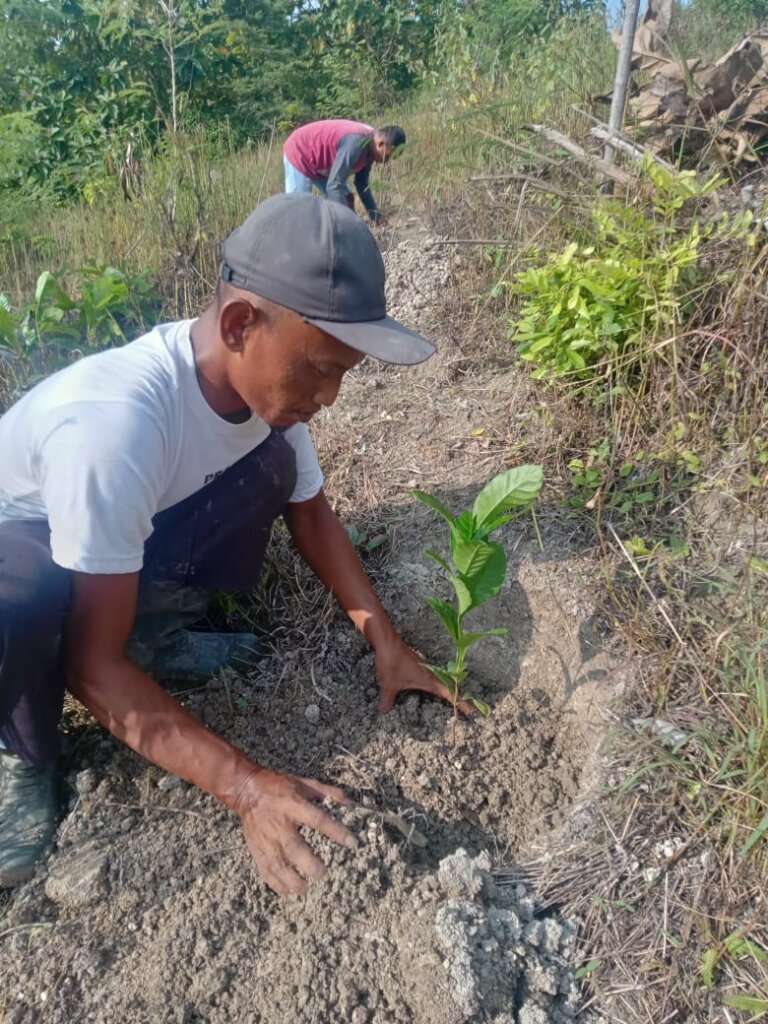
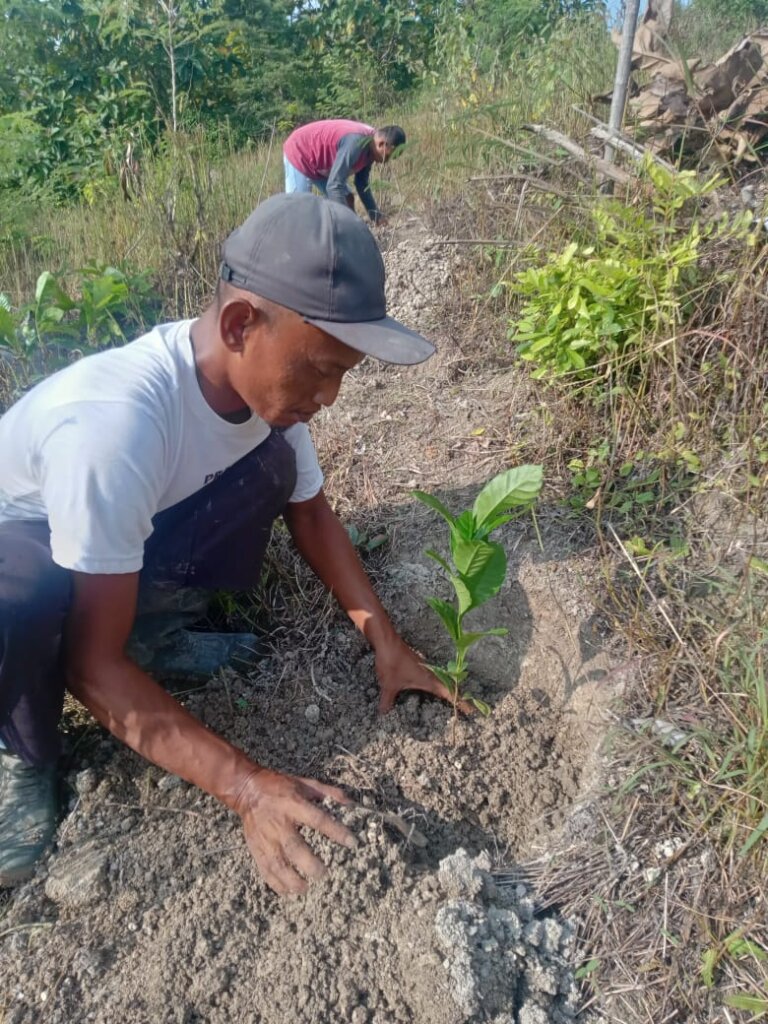
Through collaboration with the local communities Yayasan INFEST promotes a restoration approach rooted in community empowerment. The foundation strengthens local capacity for sustainable forest management through agroforestry systems that integrate productive crops—such as coffee—with timber species, fruit trees, and native forest plants. This model enables farmers to generate income while restoring tree cover and ecological functions.
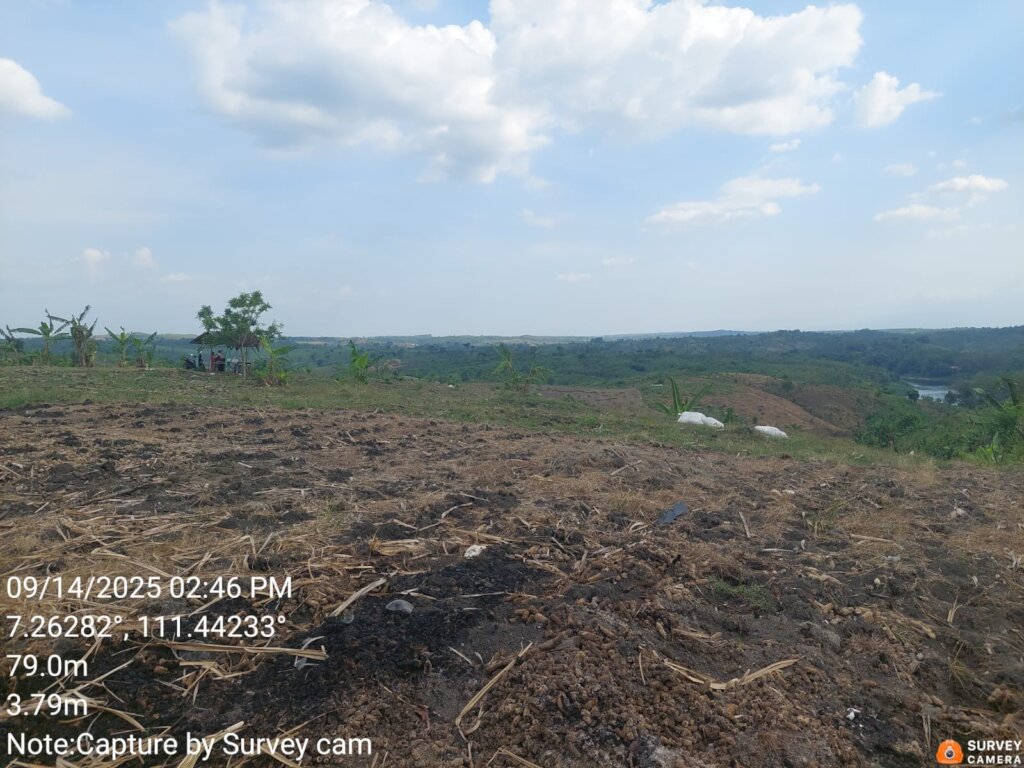
Beyond productive agroforestry zones, designated conservation areas are rehabilitated to protect water sources, biodiversity, and long-term ecosystem stability. Clear spatial planning ensures that production and conservation coexist within a balanced landscape.
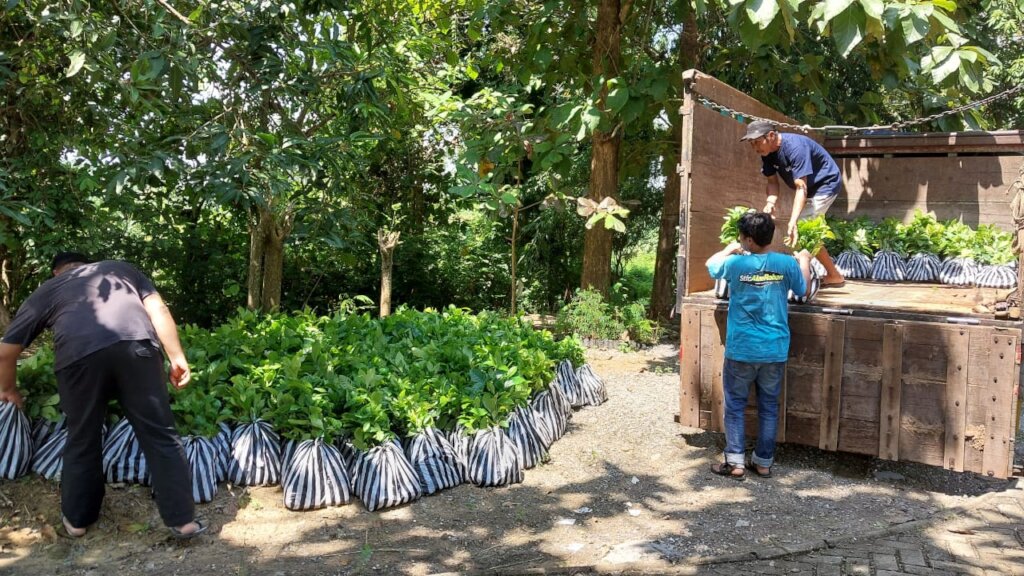
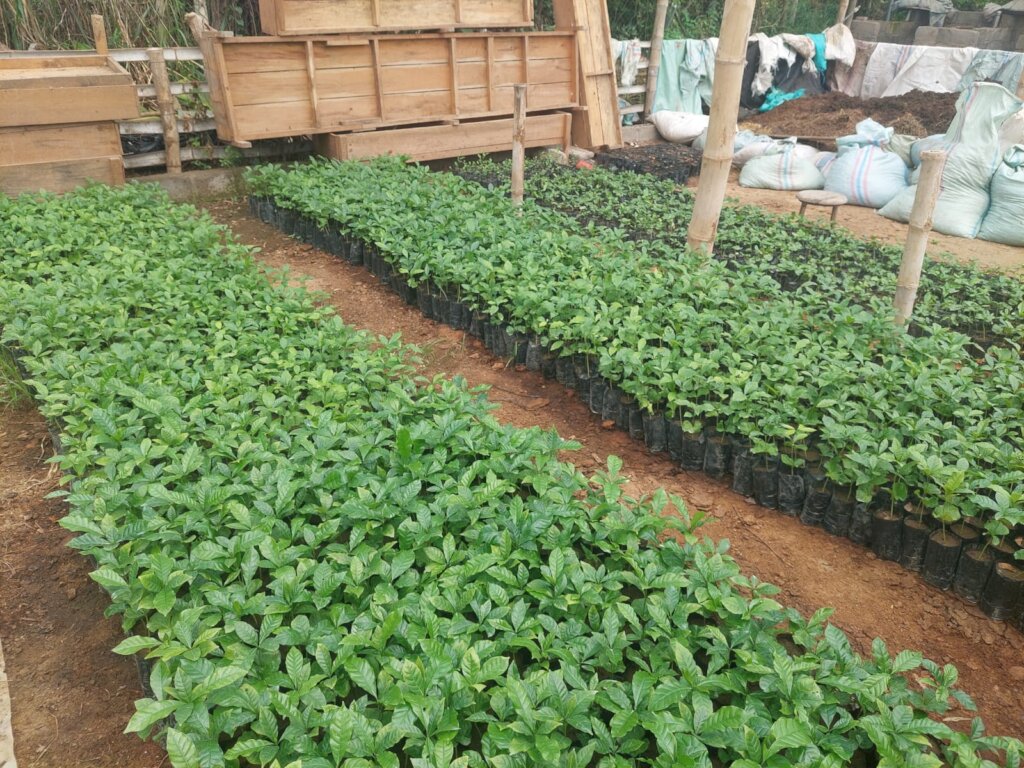
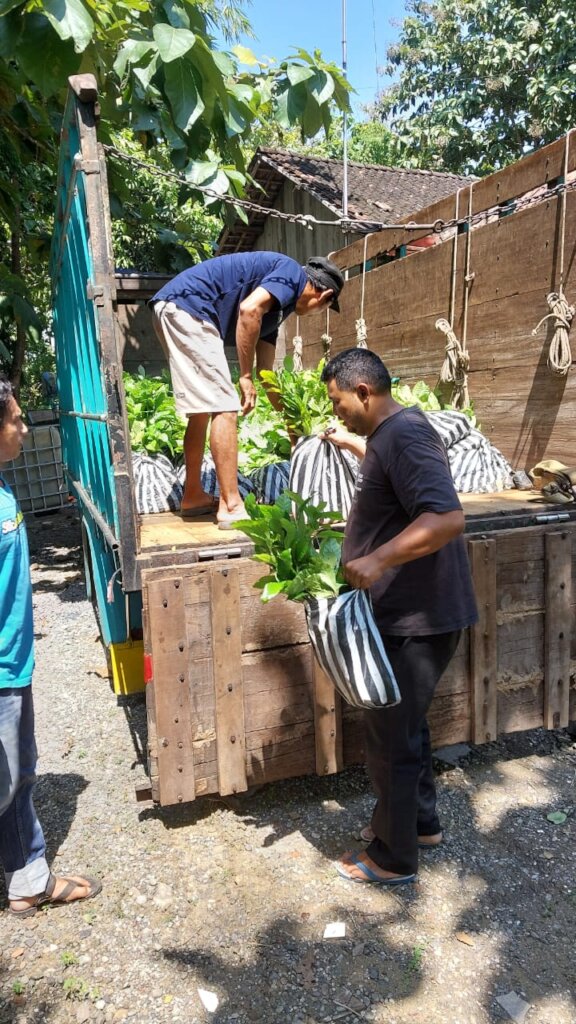
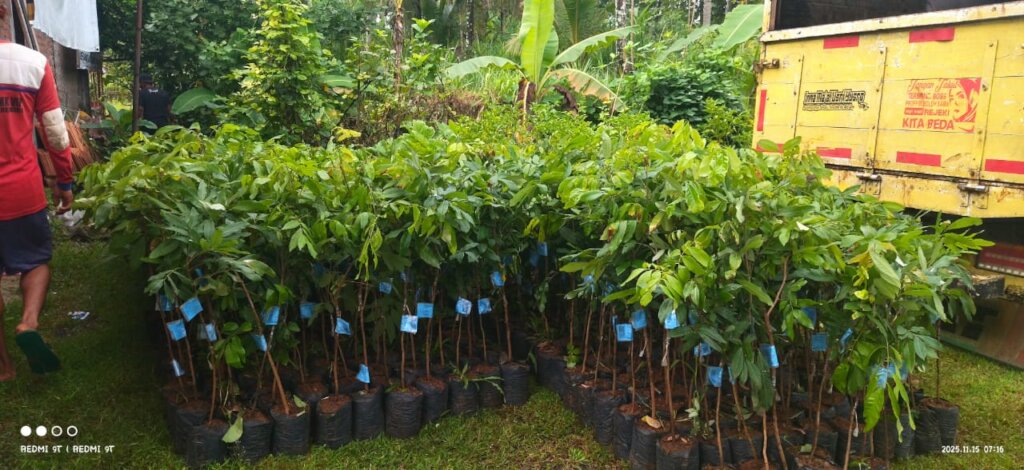
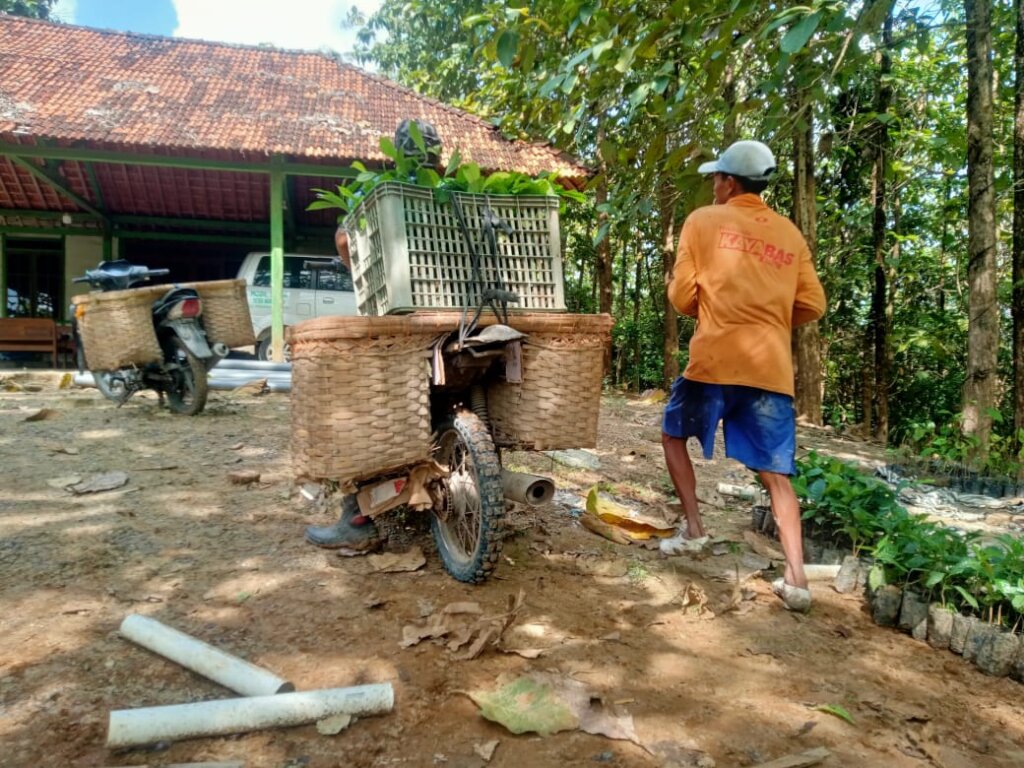
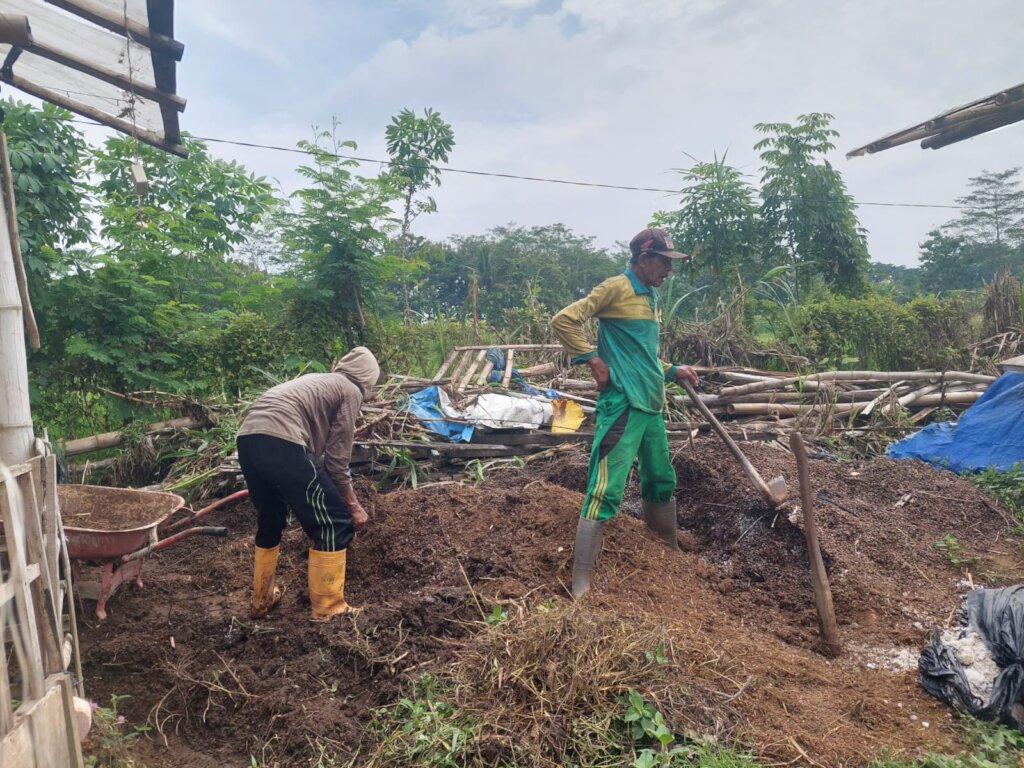
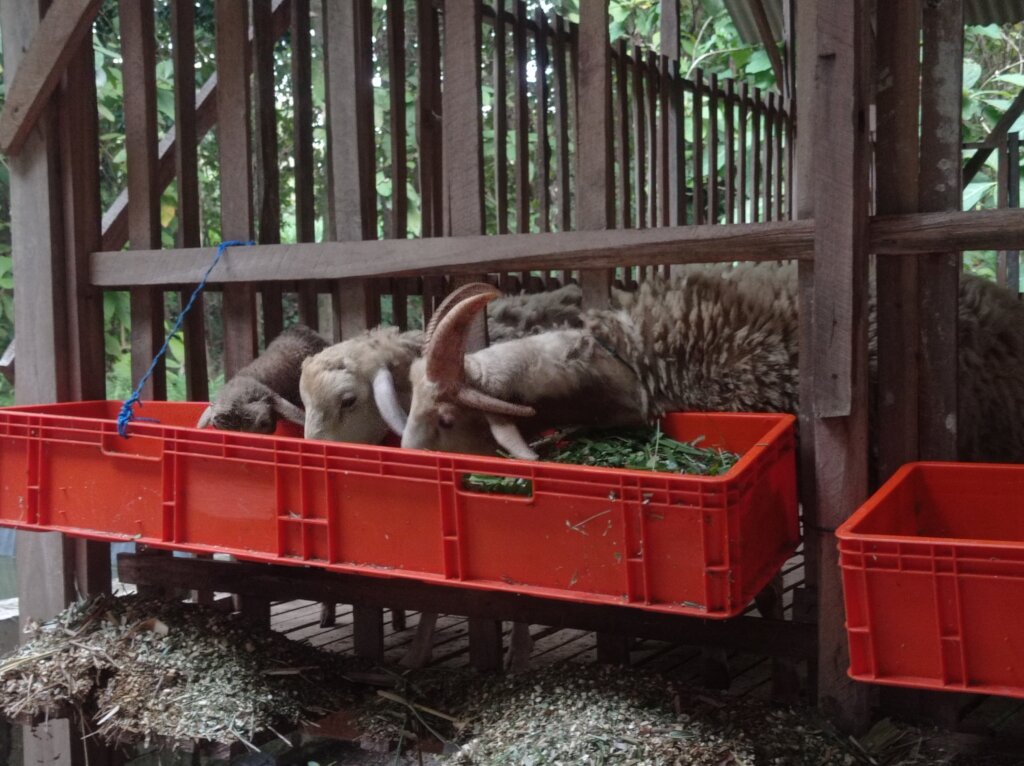
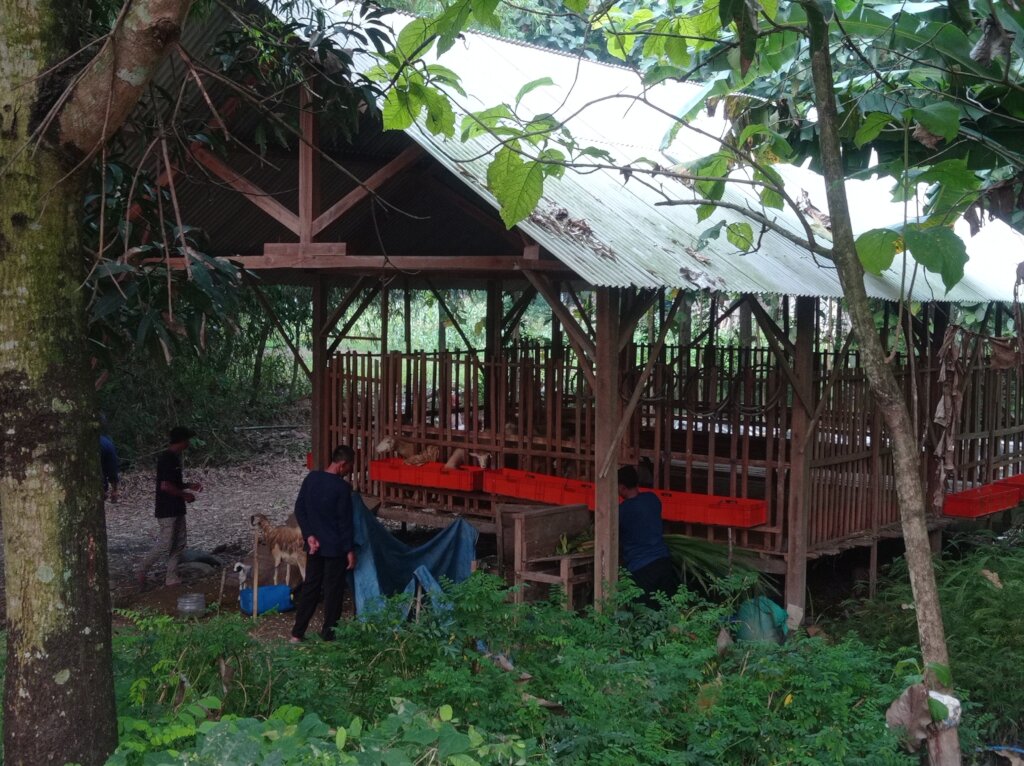
To further strengthen household resilience, Yayasan INFEST provides livestock-based incentives through community-managed sheep farming groups. These initiatives generate additional income while producing organic fertilizer that supports sustainable agriculture practices. The foundation also distributes seedlings of both productive crops and endemic forest species, ensuring biodiversity and long-term ecological recovery.
Importantly, empowerment extends beyond farming. Women’s groups receive capacity-building support in creative industries, creating alternative income sources that reduce pressure on forest resources. By diversifying livelihoods, communities become less dependent on extractive practices and more invested in sustainable land stewardship.
Growing trees means growing hope—hope for restored forests, stronger rural economies, and a more resilient future. When restoration is combined with livelihood empowerment, communities shift from being perceived as drivers of degradation to becoming the leading guardians of sustainable forest landscapes.
Project reports on GlobalGiving are posted directly to globalgiving.org by Project Leaders as they are completed, generally every 3-4 months. To protect the integrity of these documents, GlobalGiving does not alter them; therefore you may find some language or formatting issues.
If you donate to this project or have donated to this project, you can receive an email when this project posts a report. You can also subscribe for reports without donating.



Support this important cause by creating a personalized fundraising page.
Start a Fundraiser