By Umam Hadinata | Project Staff
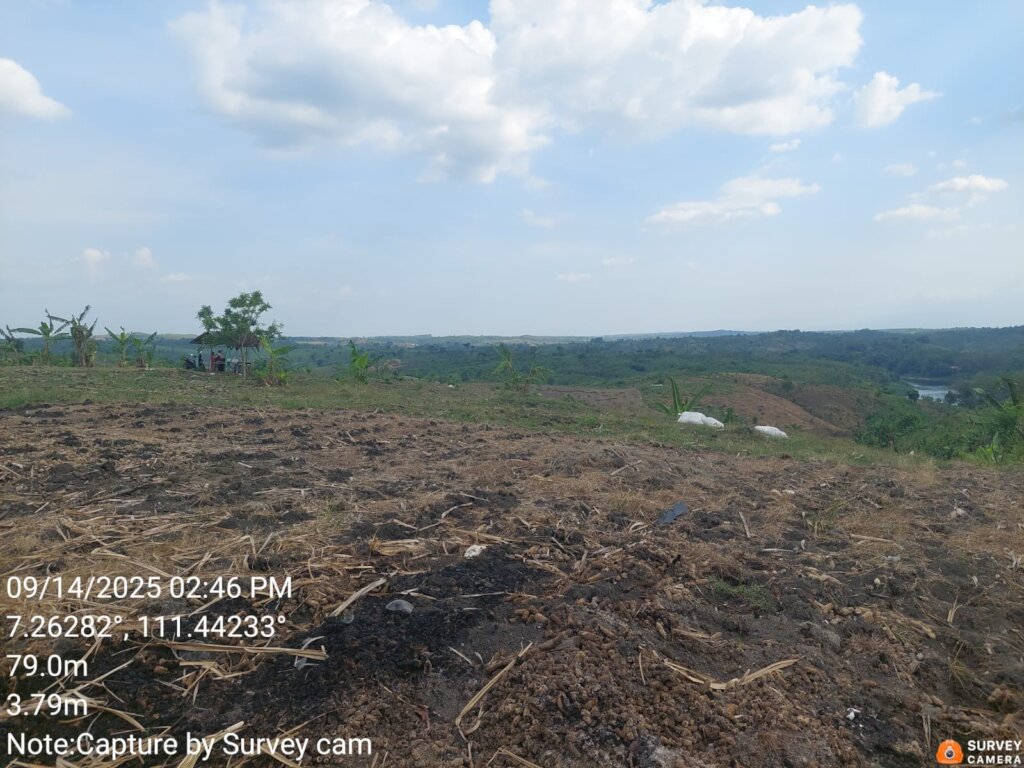
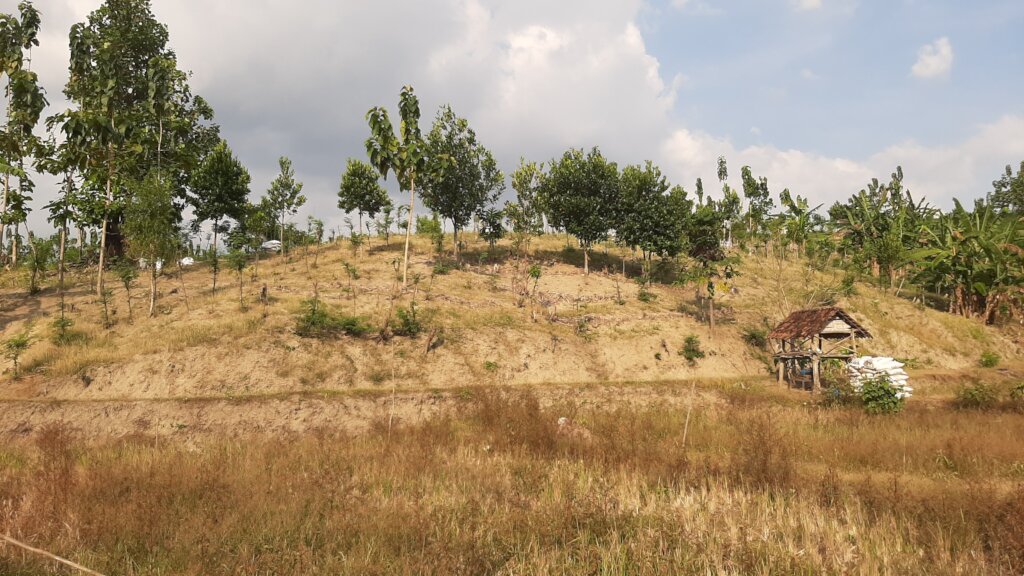
In forest-adjacent villages like those in Blora, Central Java, land is more than a productive asset—it is the foundation of survival. When soil fertility declines and forest cover diminishes, rural livelihoods become increasingly fragile. Unstable harvests, limited income opportunities, and environmental degradation form a cycle that is difficult to break. Sustainable land management, therefore, is not only an environmental concern; it is a pathway to securing long-term community well-being.
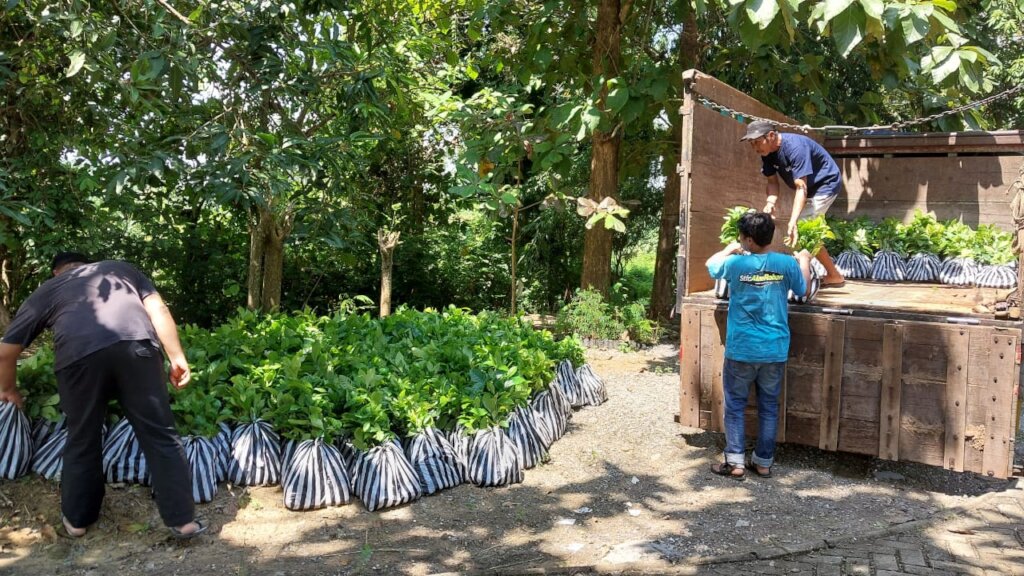
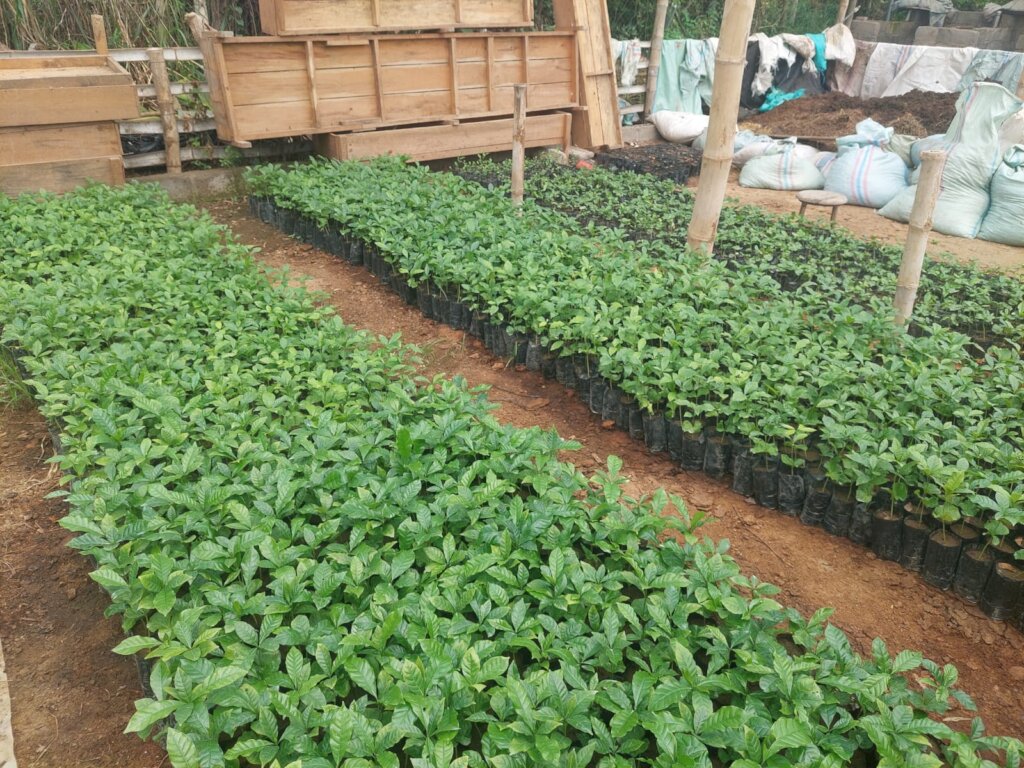
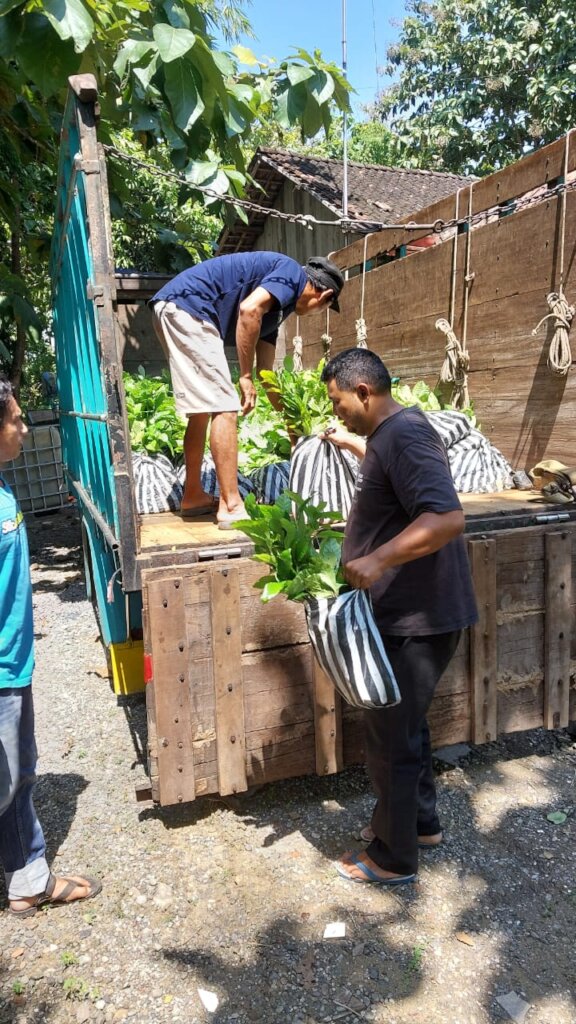
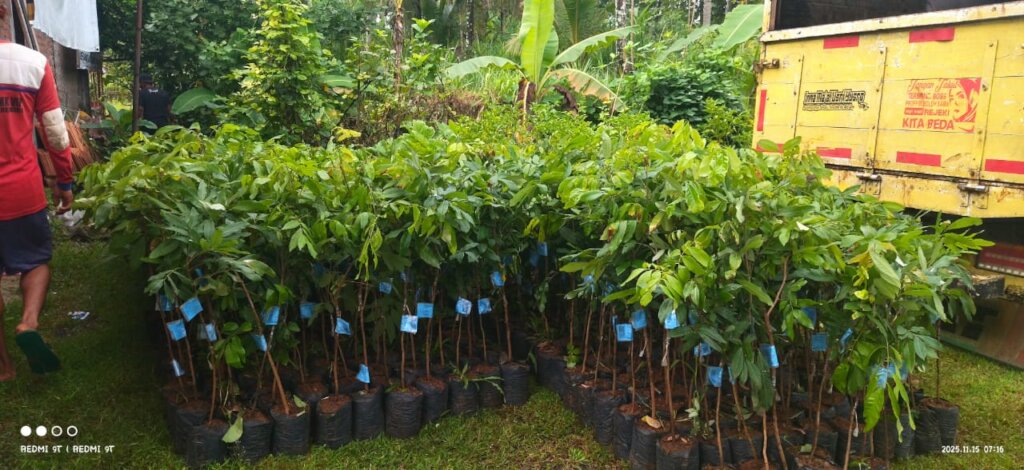
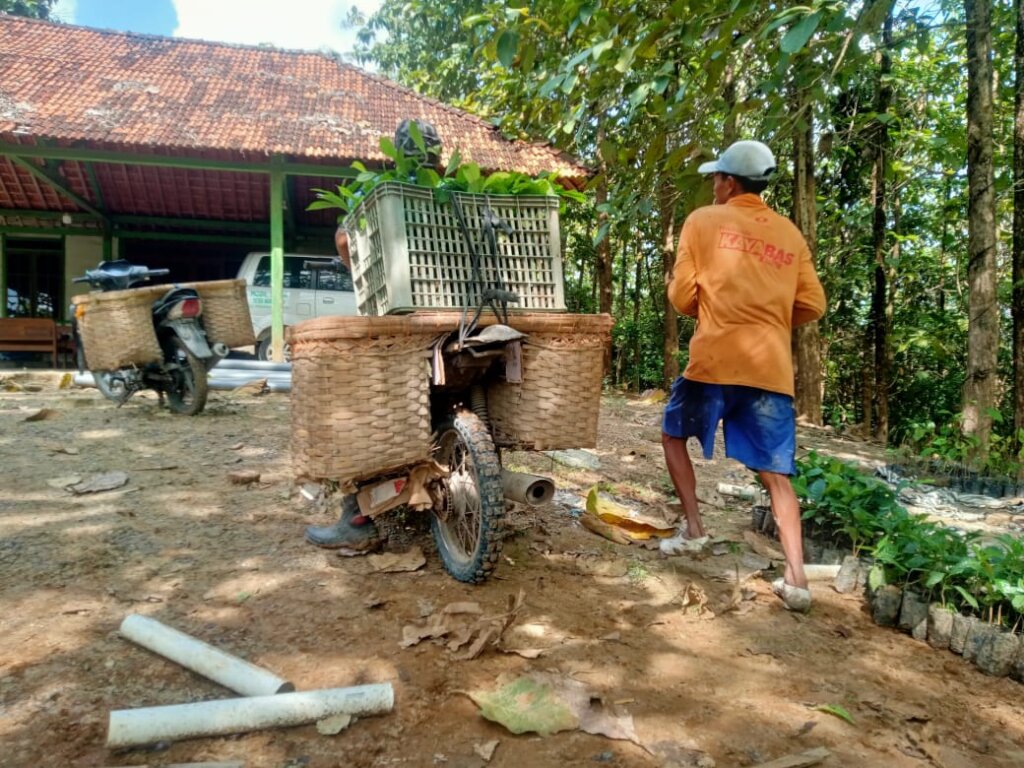
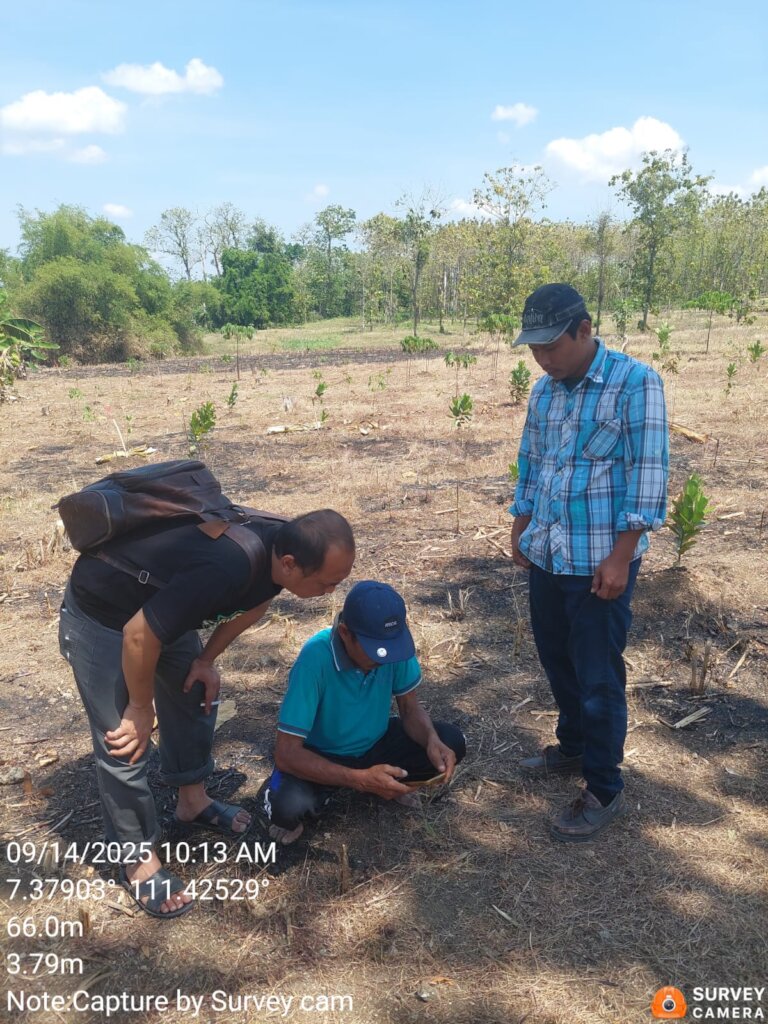
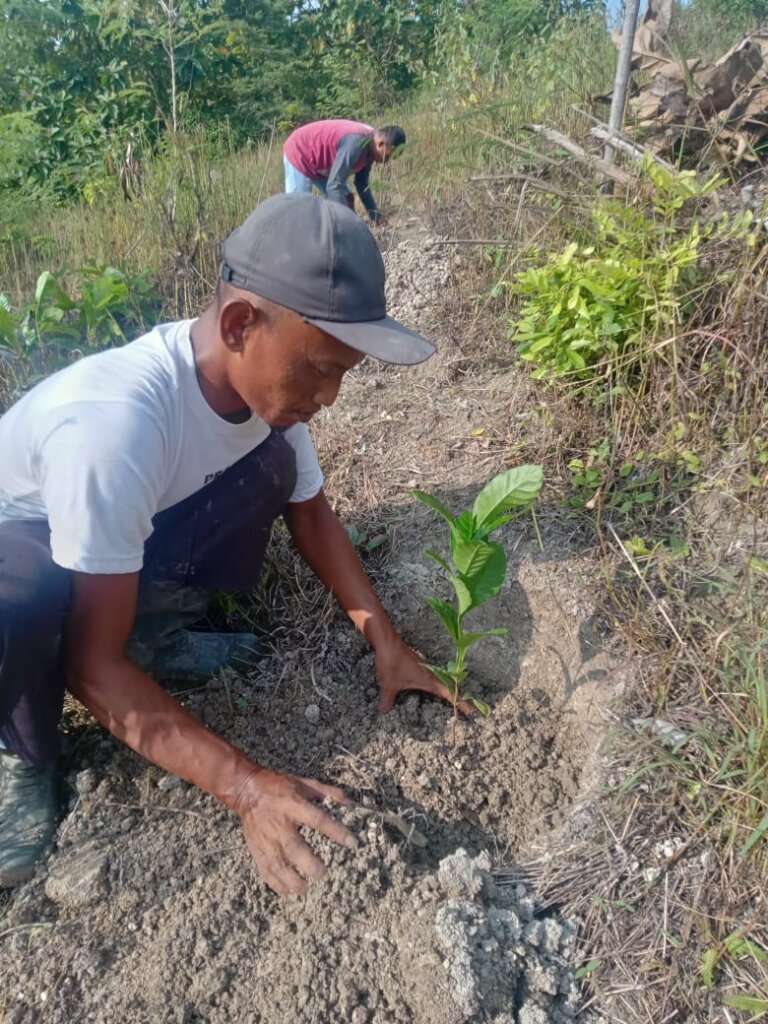
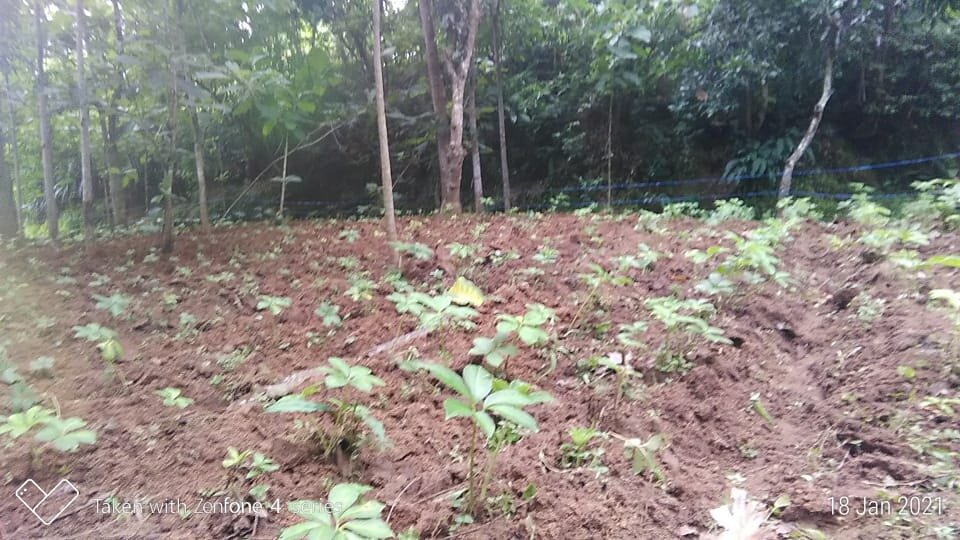
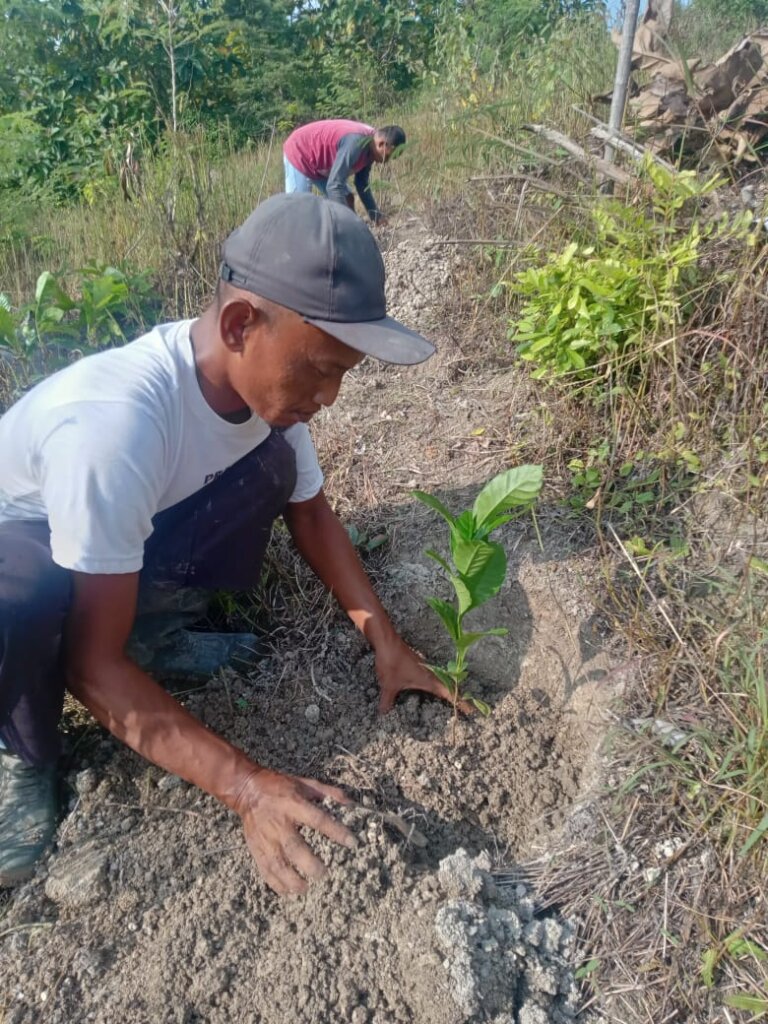
Through community-based agrisilviculture and agroforestry systems, farmers integrate coffee, spice crops, timber species, and multi-purpose trees within the same landscape. This approach restores soil health, improves water retention, reduces erosion, and strengthens climate resilience. At the same time, it diversifies income streams—providing short-term returns from agricultural crops and long-term value from trees.
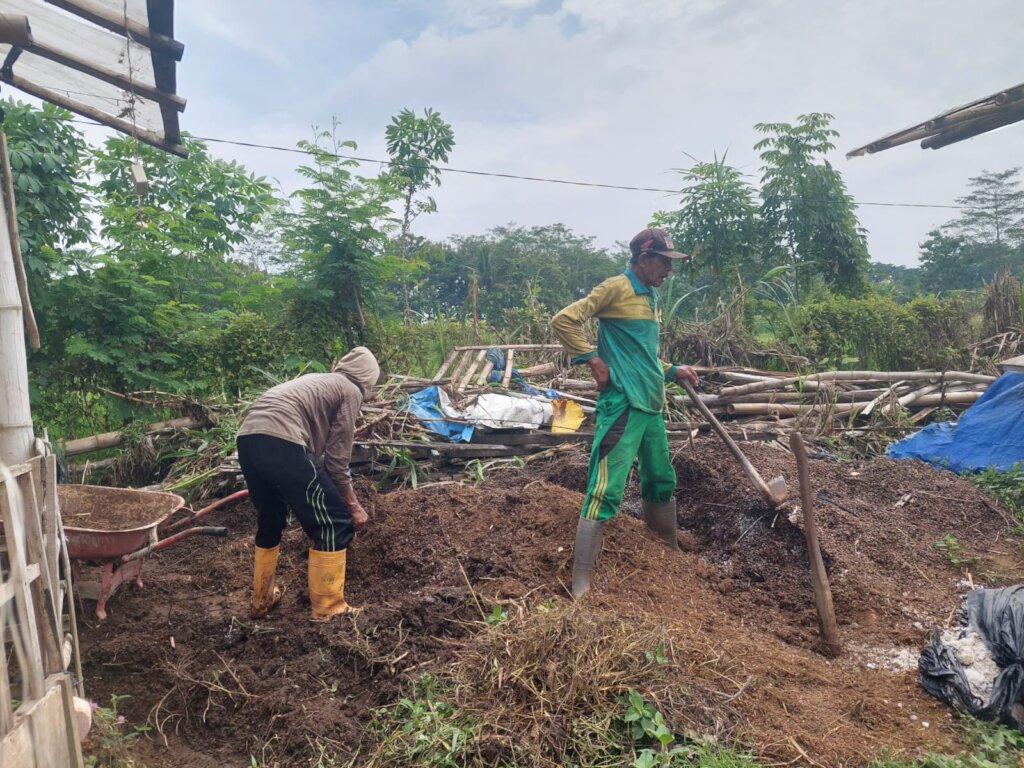
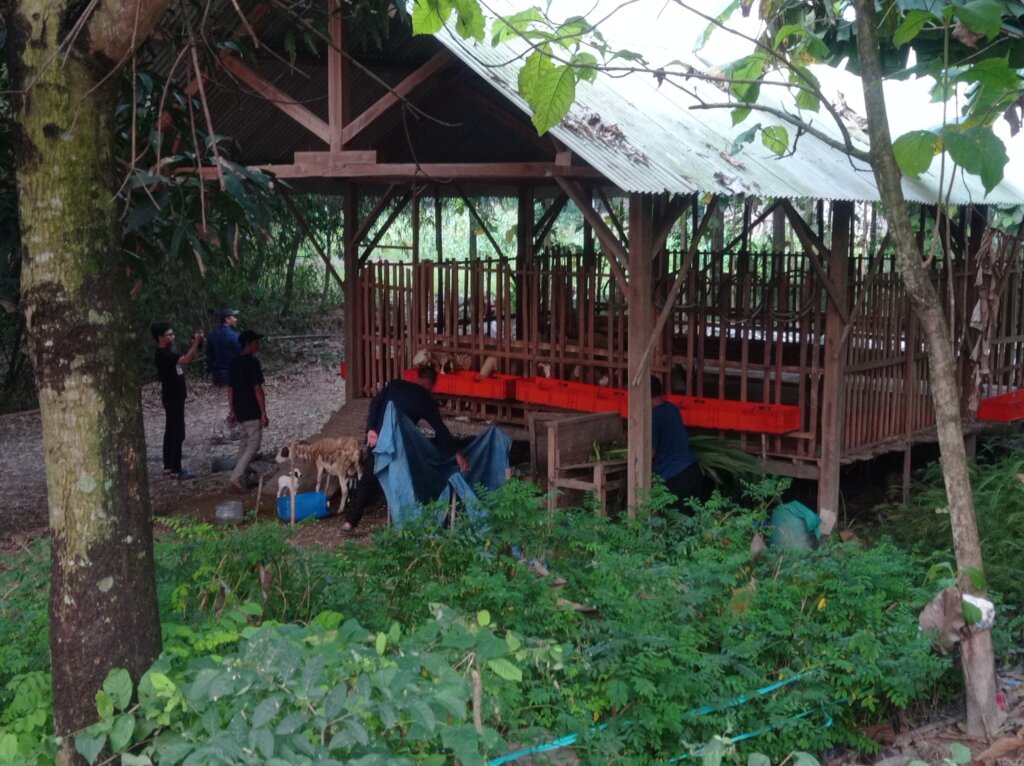
To reinforce economic stability during this transition, livestock incentives in the form of sheep farming are introduced. Beyond generating additional income, livestock supports sustainable agriculture through organic fertilizer production, creating a circular system that reduces dependency on chemical inputs and enhances soil productivity.
Importantly, sustainable production areas are complemented by designated conservation zones, with long-term targets of 75–100 hectares dedicated to ecological protection. This spatial balance ensures that economic activities do not compromise critical ecosystem functions such as biodiversity preservation and water-source protection.
Sustainable land leads to sustainable lives. When communities manage landscapes responsibly, forests recover, incomes stabilize, and resilience grows. By aligning ecological restoration with economic empowerment, rural families become active stewards of the land—protecting today’s resources while securing tomorrow’s opportunities
Project reports on GlobalGiving are posted directly to globalgiving.org by Project Leaders as they are completed, generally every 3-4 months. To protect the integrity of these documents, GlobalGiving does not alter them; therefore you may find some language or formatting issues.
If you donate to this project or have donated to this project, you can receive an email when this project posts a report. You can also subscribe for reports without donating.



Support this important cause by creating a personalized fundraising page.
Start a Fundraiser