By Nur Abdullah | Project Staff
In forest-adjacent villages in Blora, Central Java, environmental sustainability and community well-being are deeply interconnected. When forests degrade, soil fertility declines, water sources weaken, and rural incomes become unstable. Addressing climate change and deforestation, therefore, cannot be separated from strengthening local livelihoods.
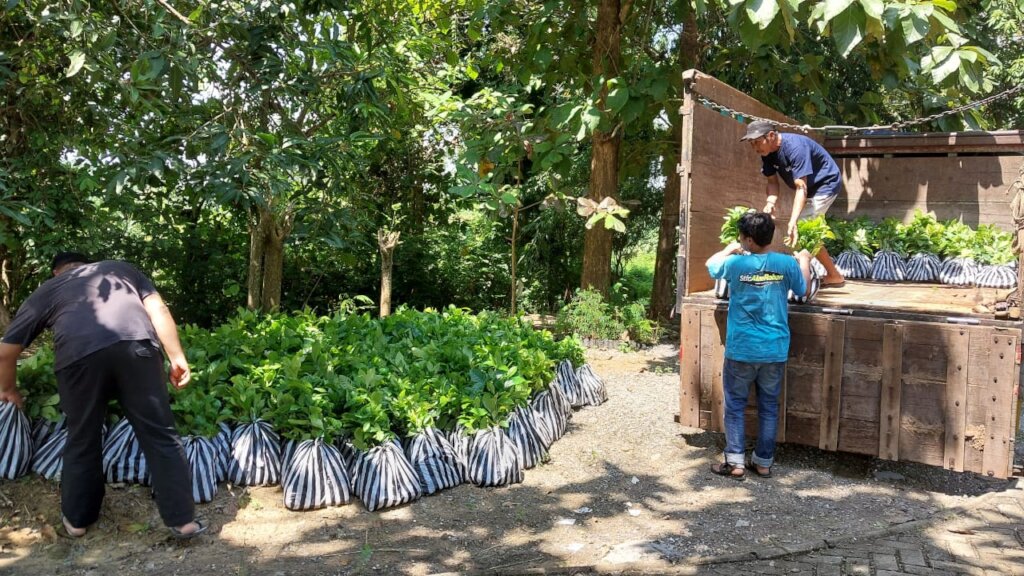
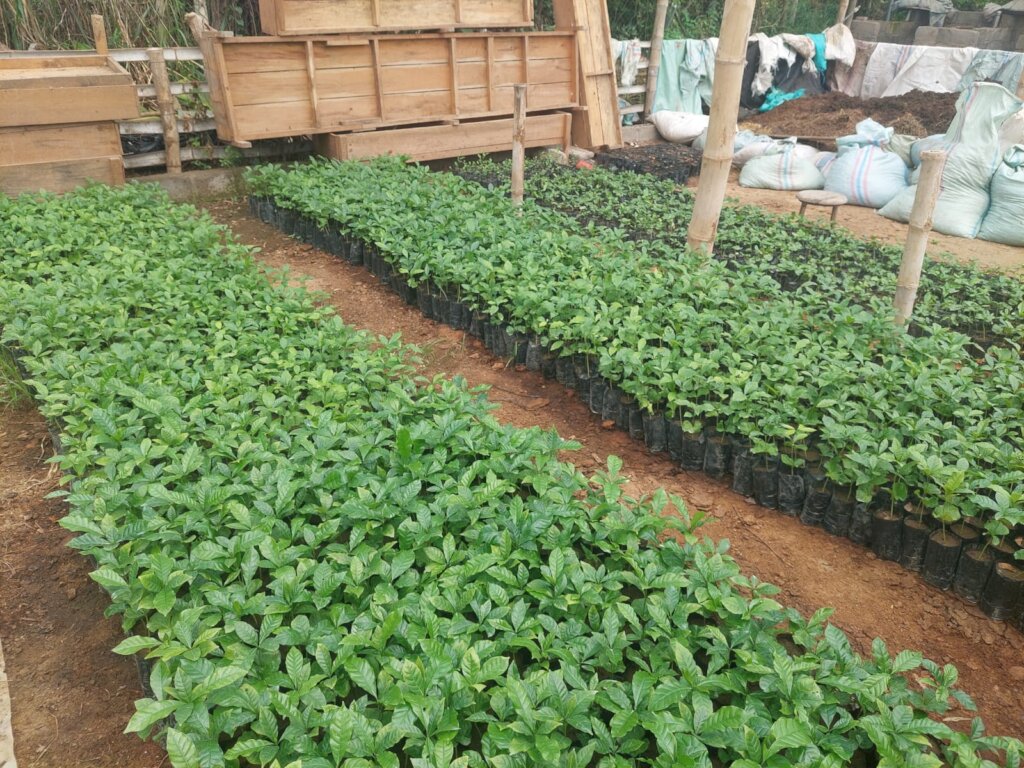
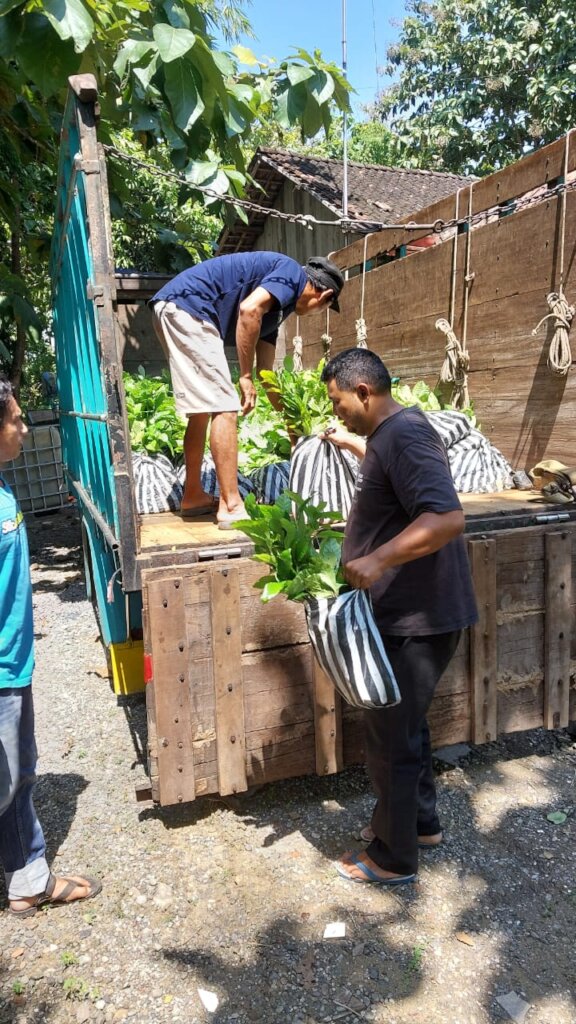
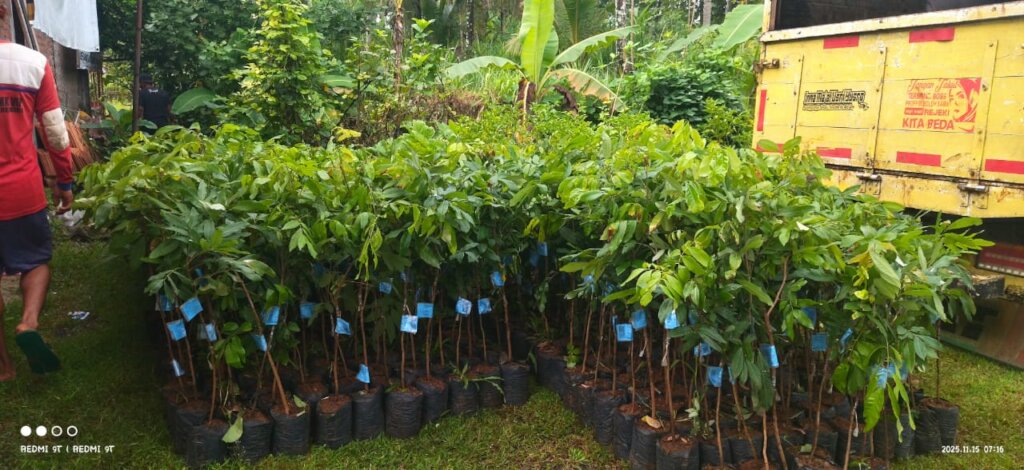
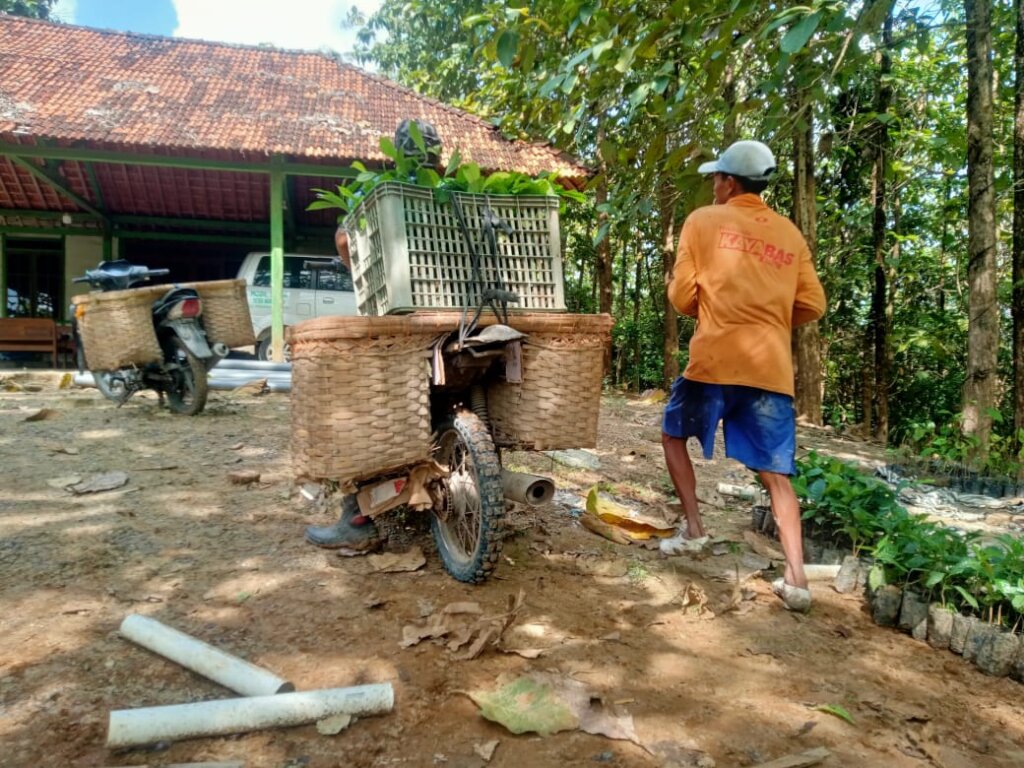
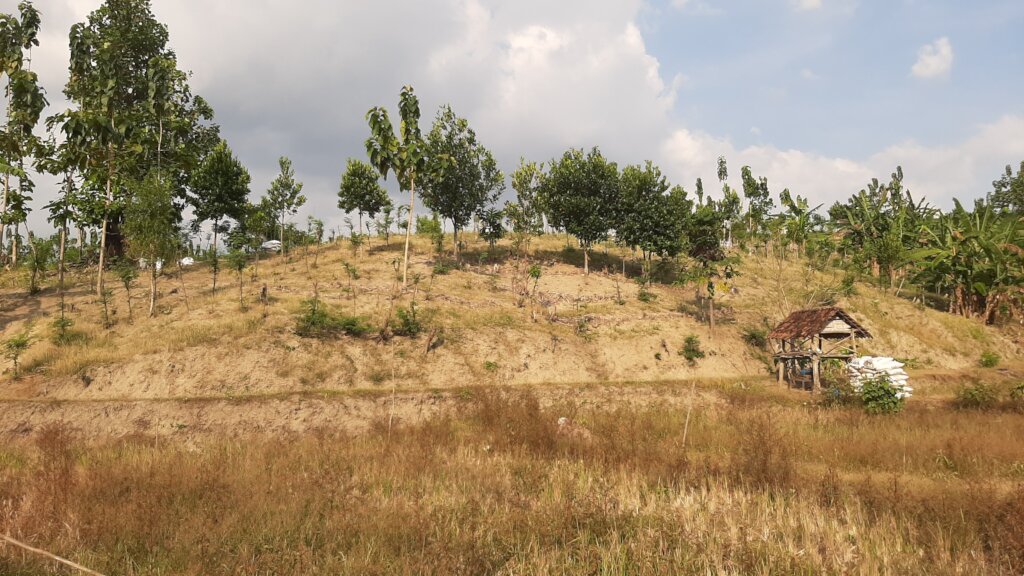
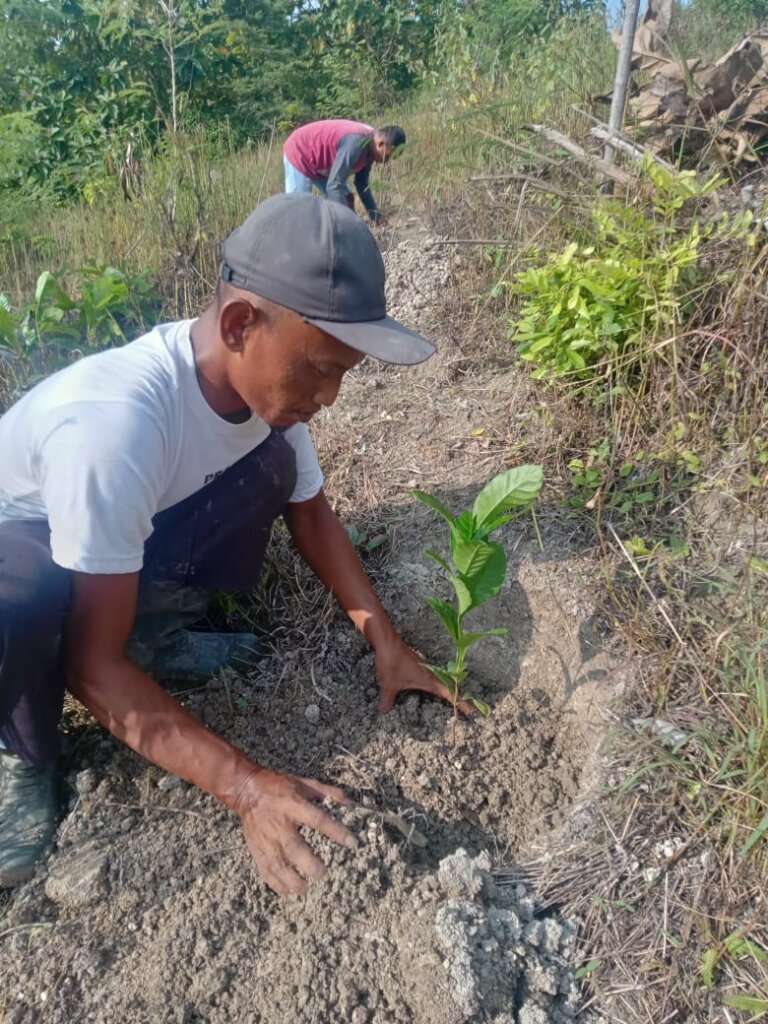
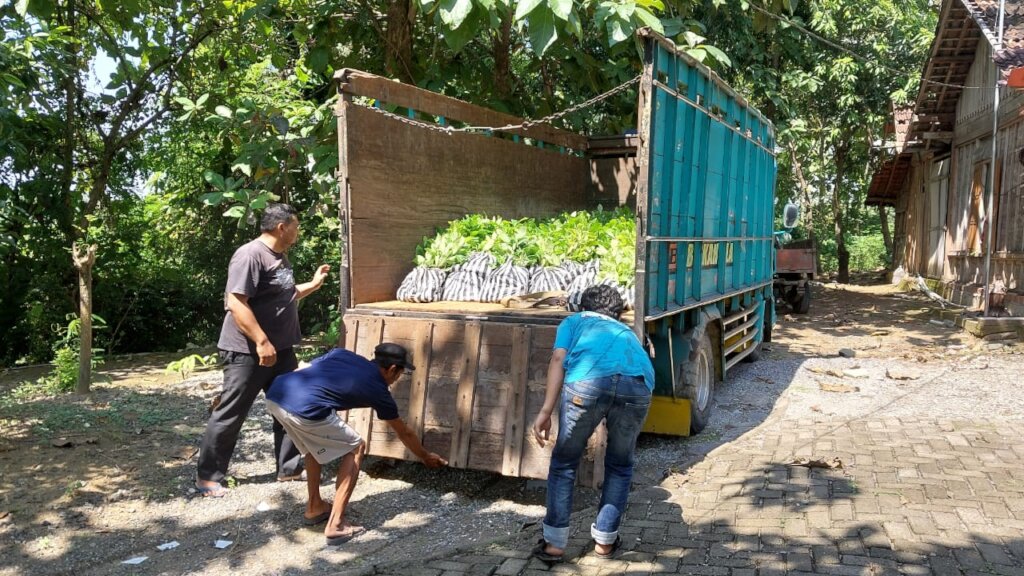
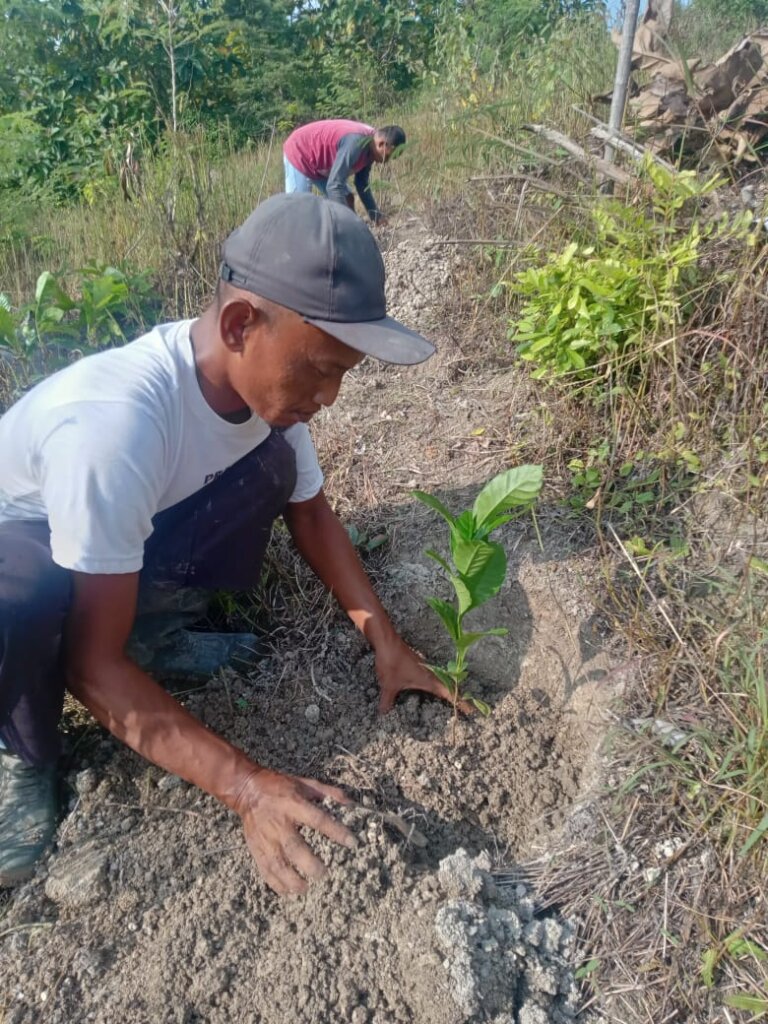
Agroforestry offers a practical and inclusive solution. By integrating coffee, spice crops, timber trees, and multi-purpose tree species (MPTS) within the same landscape, farmers cultivate layered systems that restore ecological balance while generating diversified income. Coffee grows under protective shade trees, improving crop quality and resilience, while conservation species help rebuild soil health, enhance carbon sequestration, and protect biodiversity.
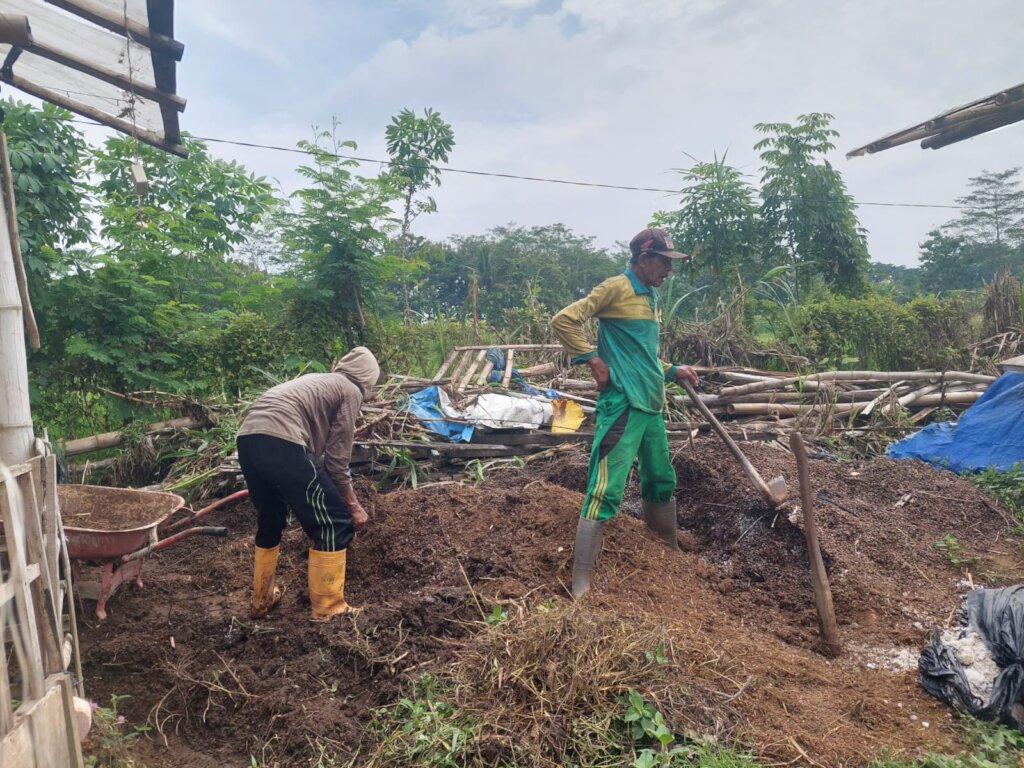
This approach is reinforced by community-based livestock initiatives. Sheep farming provides additional household income and supports organic fertilizer production, creating a circular agricultural system that reduces chemical dependence and improves long-term land productivity. Sustainable land management thus becomes economically viable, not merely environmentally desirable.
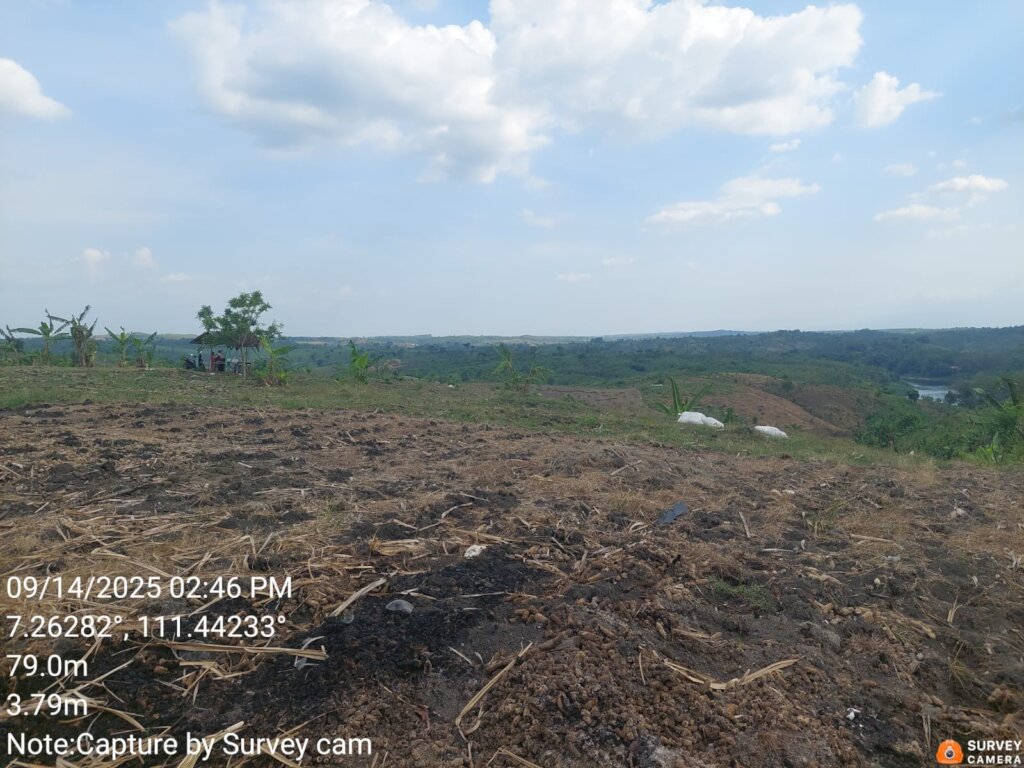
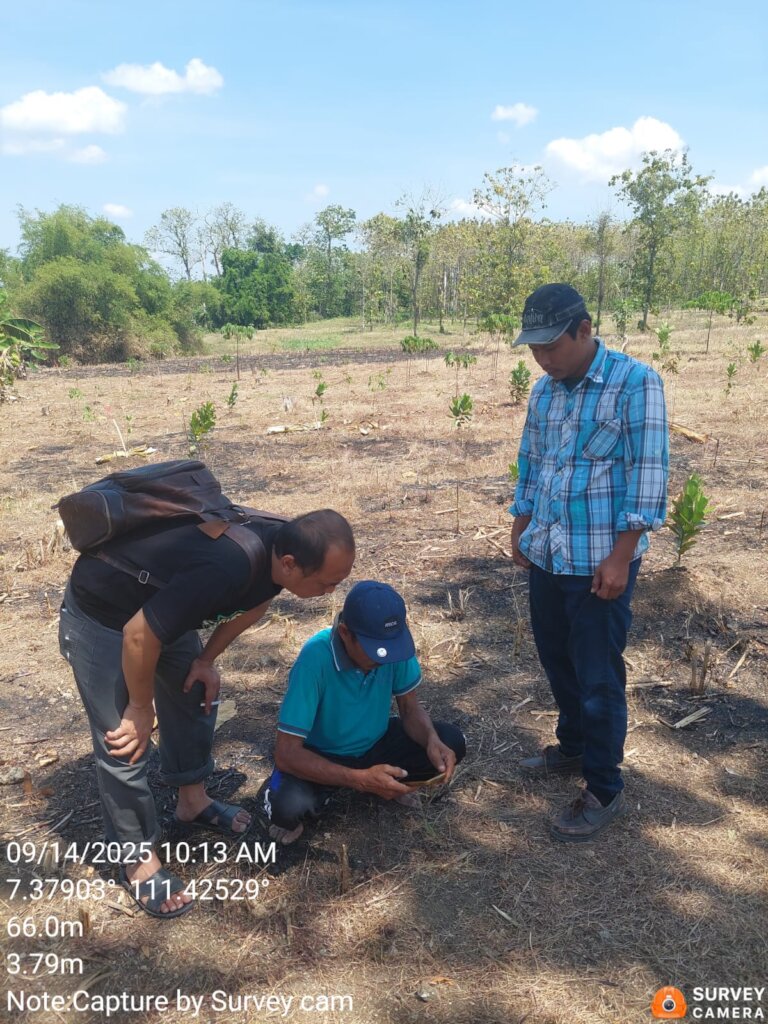
Beyond productive agroforestry zones, dedicated conservation areas—targeting 75–100 hectares—are being prepared to restore forest ecosystems, protect water sources, and preserve biodiversity. Clear spatial planning ensures that production and conservation coexist within a balanced landscape.
Agroforestry for People and Planet means aligning ecological restoration with economic empowerment. It transforms farmers into stewards of the land, strengthens rural resilience, and contributes to global climate mitigation. When communities manage forests sustainably, the benefits extend far beyond village boundaries—supporting biodiversity, stabilizing climate systems, and building a future where both people and the planet can thrive.
Project reports on GlobalGiving are posted directly to globalgiving.org by Project Leaders as they are completed, generally every 3-4 months. To protect the integrity of these documents, GlobalGiving does not alter them; therefore you may find some language or formatting issues.
If you donate to this project or have donated to this project, you can receive an email when this project posts a report. You can also subscribe for reports without donating.



Support this important cause by creating a personalized fundraising page.
Start a Fundraiser