By Khayat | Project Staff
What Is Agroforestry?
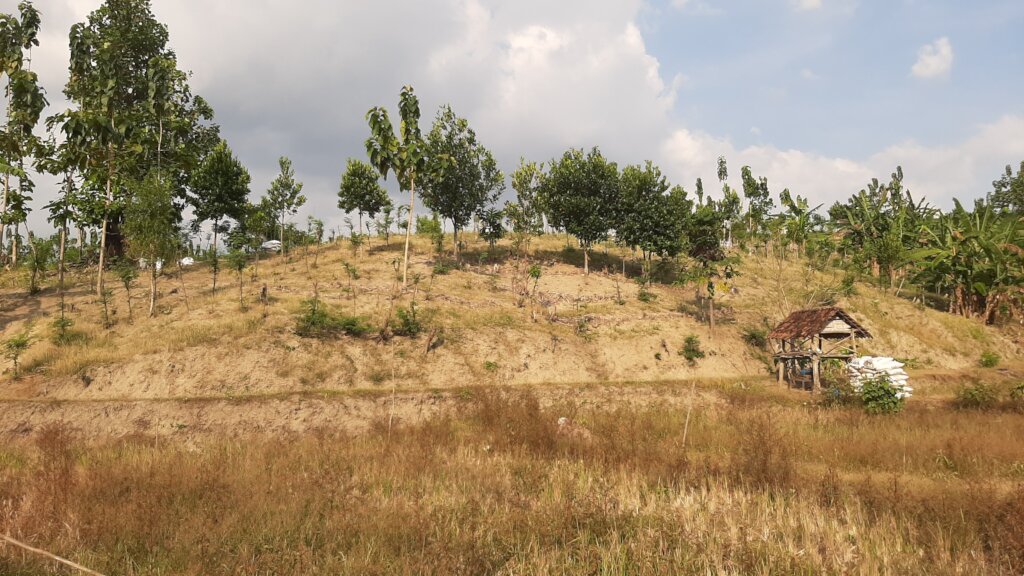
Agroforestry is a land management system that integrates forestry trees with agricultural crops and/or livestock within the same landscape. Unlike monoculture farming, agroforestry mimics the layered structure of natural forest ecosystems, allowing ecological functions to be maintained while the land remains productive.
In agroforestry systems, trees are not obstacles to production—they are essential components that enhance soil fertility, improve microclimates, increase water retention, and strengthen climate resilience.
Types of Agroforestry
Agroforestry can take several main forms:
1. Agrisilviculture
A combination of forestry trees or Multi-Purpose Tree Species (MPTS) with agricultural crops.
Example: coffee or cocoa grown under shade trees.
2. Silvopastoral System
A combination of trees and livestock.
Example: sheep raised in areas with tree cover.
3. Agrosilvopastoral System
An integrated system that combines trees, crops, and livestock within one land management model.
4. Tree-Based Intercropping (Tumpangsari)
Food crops cultivated between forestry trees, particularly during early growth stages.
Why Is Agroforestry Suitable for Indonesia?
Indonesia’s ecological and socio-economic context makes agroforestry particularly relevant:
Tropical climate with high rainfall → requires systems that prevent erosion and improve water absorption
Large areas of degraded or marginal land → need soil restoration approaches
Extensive forest landscapes and forest-edge villages → require strategies that reduce forest encroachment
Predominance of smallholder farmers → benefit from diversified income systems
Agroforestry addresses these challenges holistically. It maintains tree cover, restores soil health, strengthens climate resilience, and increases economic stability for rural communities.
How INFEST Implements Agroforestry in Blora
In Blora Regency, agroforestry is developed as part of a community-based conservation strategy.
Key implementation steps include:
a). Liberica Coffee Agroforestry
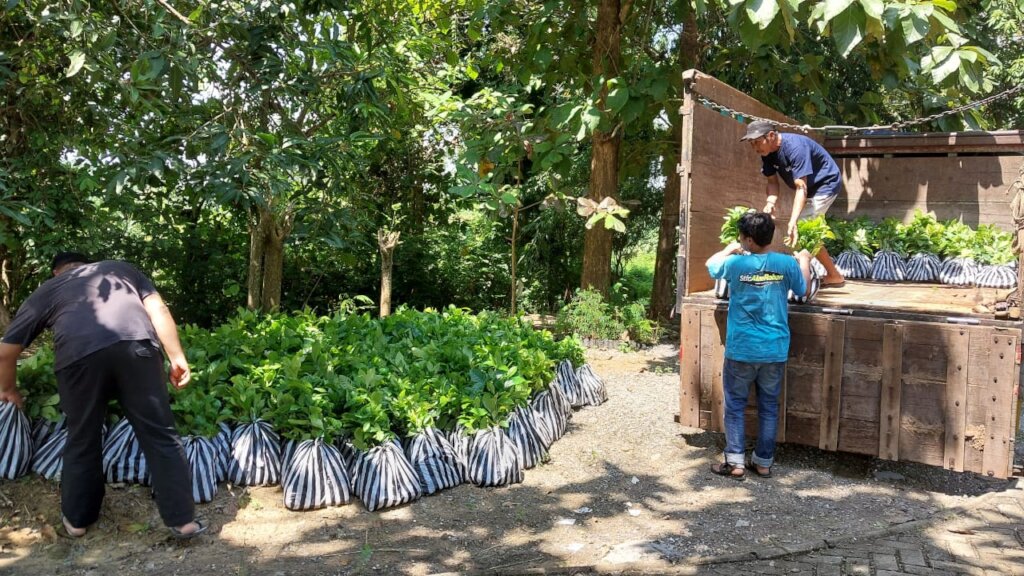
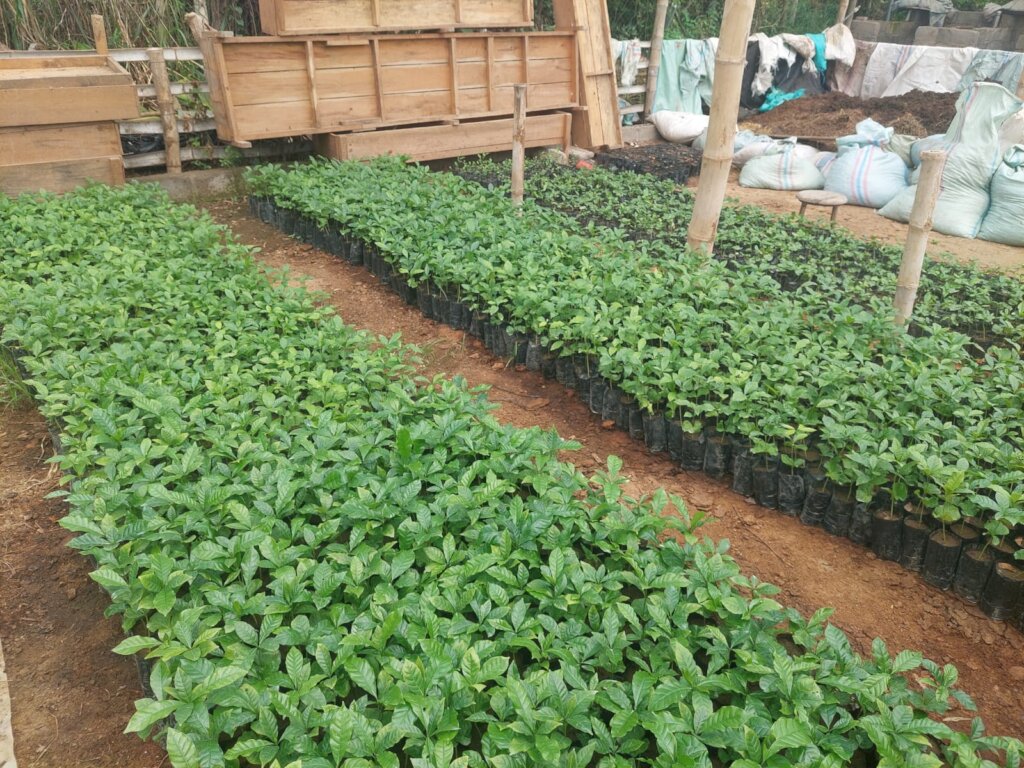
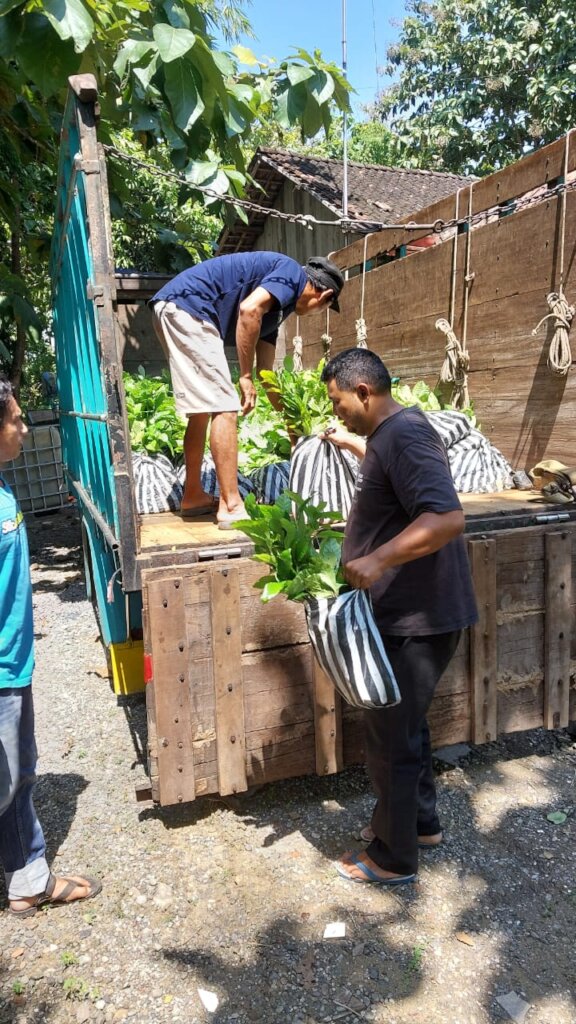
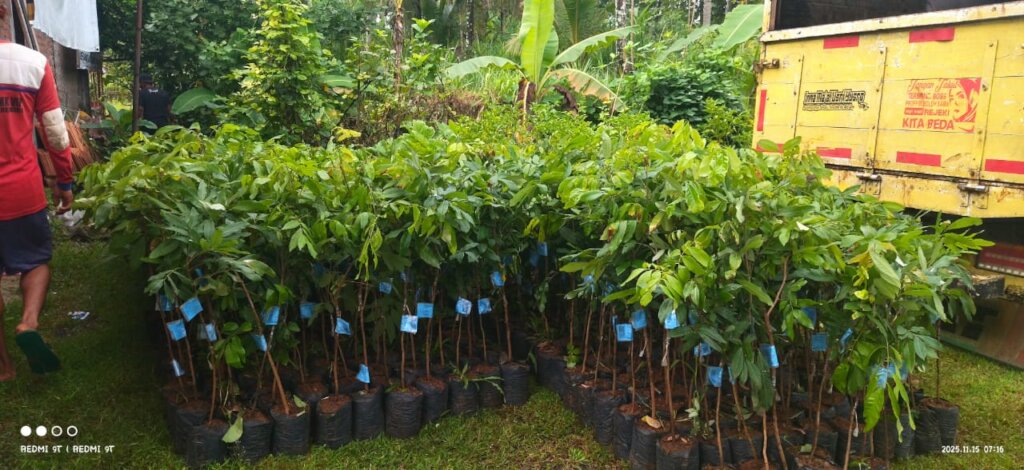
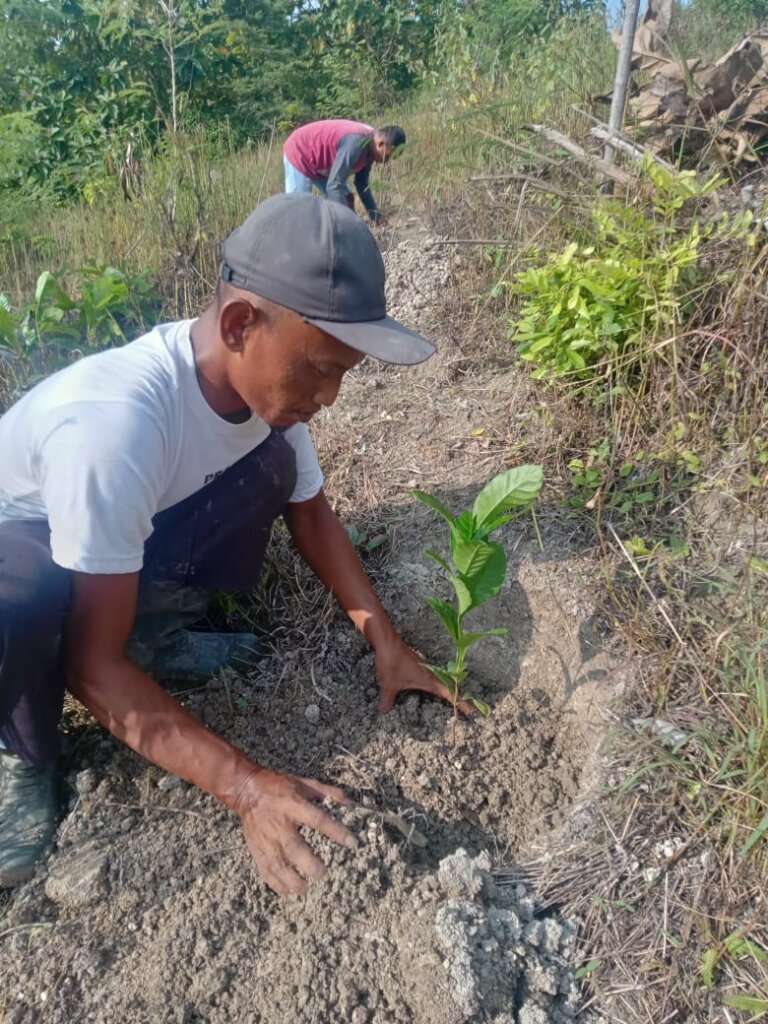
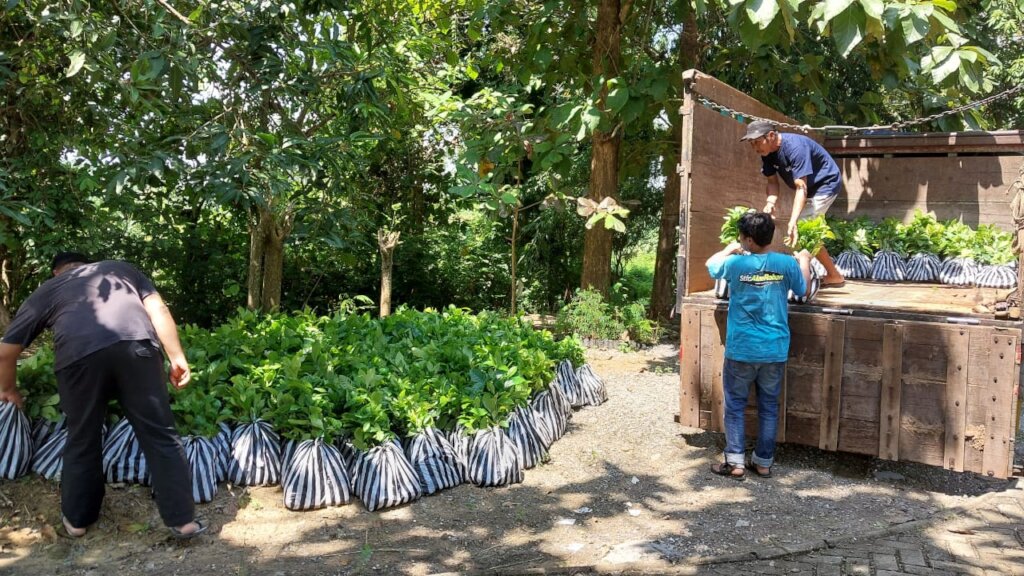
Liberica coffee is cultivated under protective shade trees and conservation species. This system maintains forest cover while generating regular income for farmers.
b) Integration of Community Sheep Farming
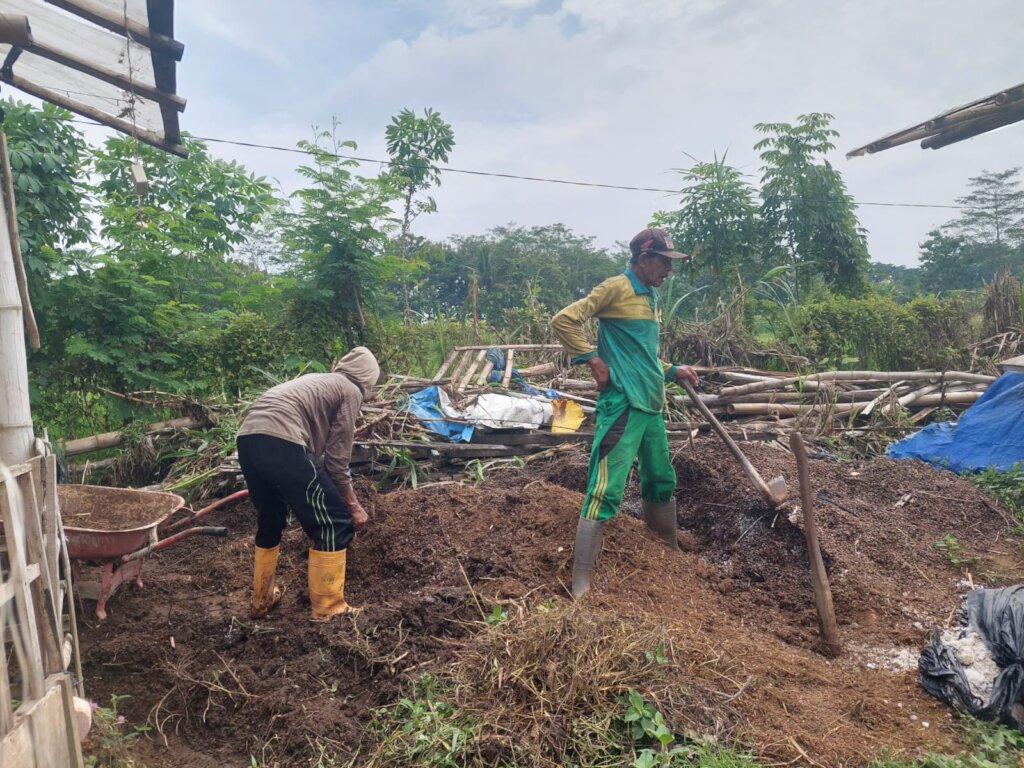
Each target village group received sheep as economic incentives. Livestock produce organic fertilizer from manure, which supports forest-based agriculture. This creates a circular economy model and reduces dependence on chemical inputs.
c) Demonstration Plots and Expansion
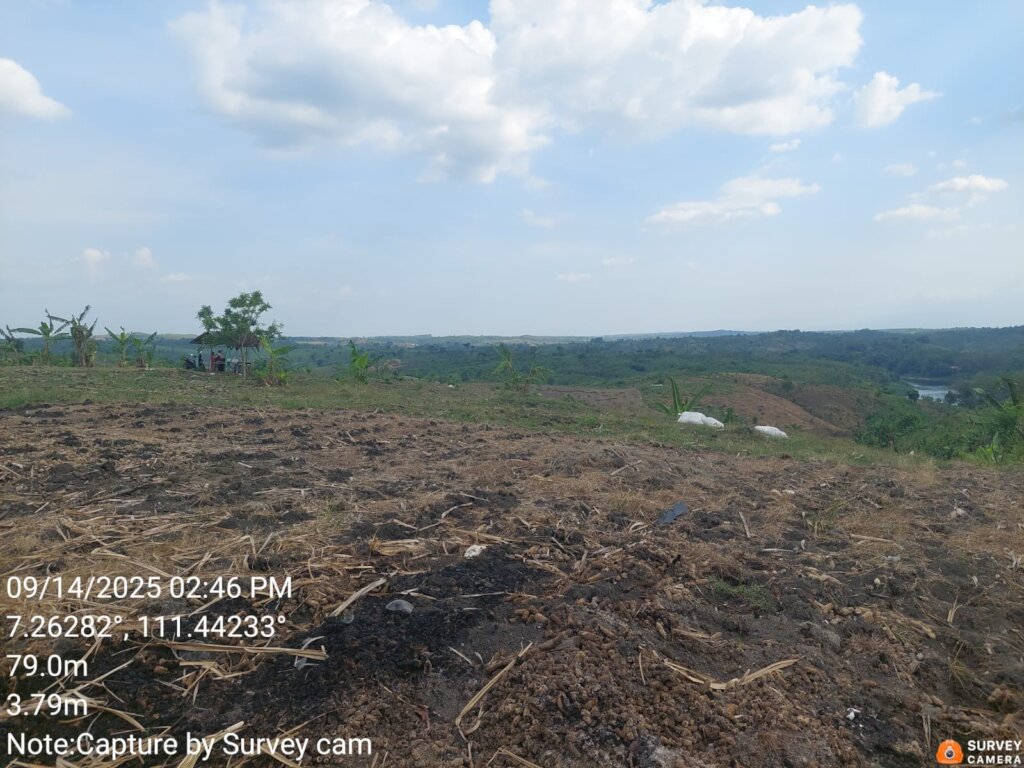
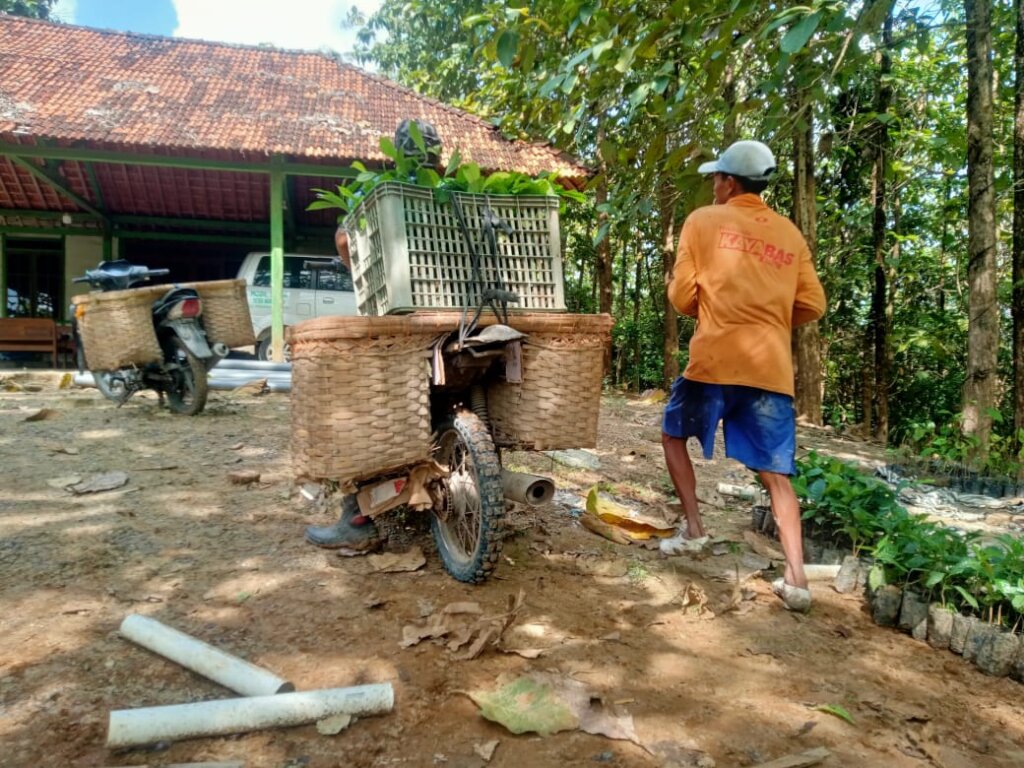
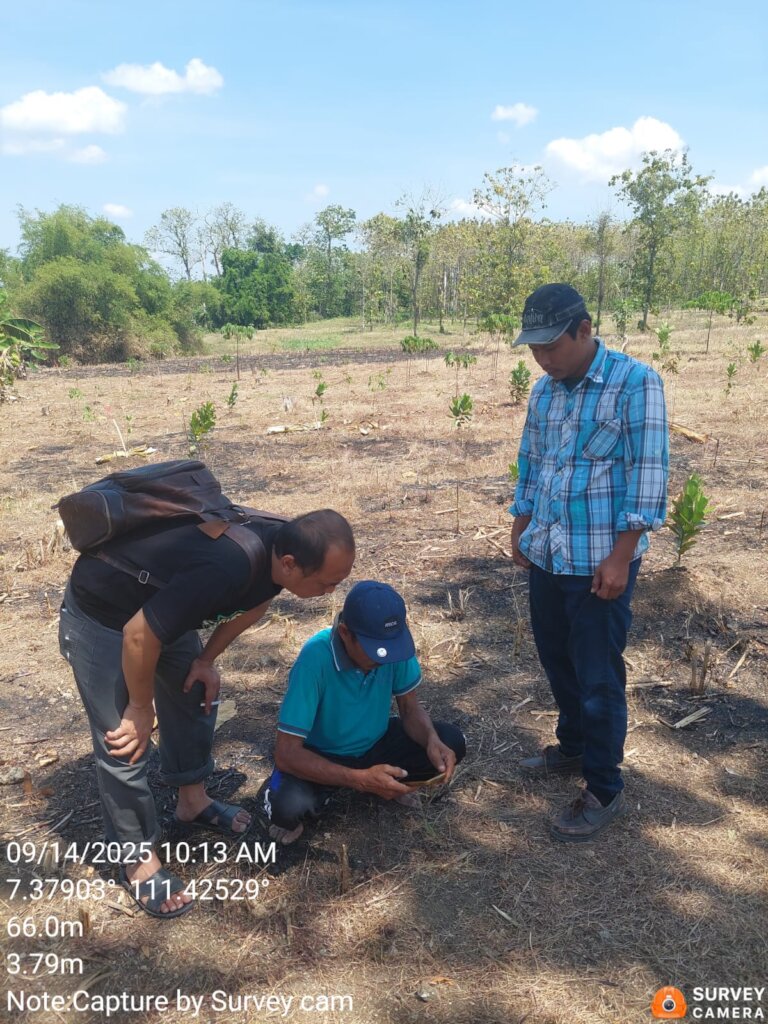
Initial agroforestry demonstration plots have been developed and are being gradually expanded. These plots serve as learning hubs before scaling up across larger areas.
d) Dedicated Conservation Zones
In addition to productive agroforestry areas, separate non-agroforestry conservation zones are established to protect biodiversity, safeguard water sources, and restore natural forest cover.
e) Institutional Strengthening and Participatory Planning
Through collaboration with the Faculty of Social and Political Sciences, Universitas Gadjah Mada, participatory village planning, asset mapping, and forest governance strengthening initiatives are implemented to ensure long-term sustainability.
Conclusion
Agroforestry is more than a farming technique—it is a landscape development strategy that connects:
Forest conservation
Livelihood strengthening
Climate resilience
Community-based governance
In Blora, agroforestry serves as a bridge between forests and livelihoods—demonstrating that when trees and communities grow together, sustainability becomes reality.
Project reports on GlobalGiving are posted directly to globalgiving.org by Project Leaders as they are completed, generally every 3-4 months. To protect the integrity of these documents, GlobalGiving does not alter them; therefore you may find some language or formatting issues.
If you donate to this project or have donated to this project, you can receive an email when this project posts a report. You can also subscribe for reports without donating.



Support this important cause by creating a personalized fundraising page.
Start a Fundraiser