By mufid | Project Staff
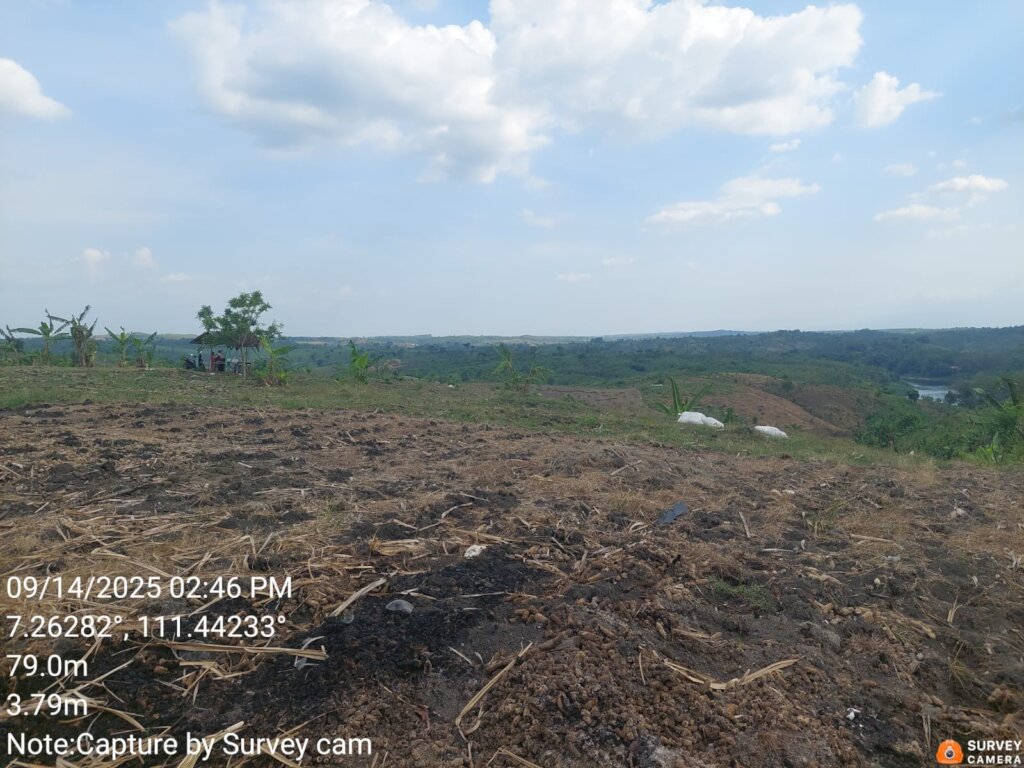
In Blora (Central Java) and Ngawi (East Java), forest-edge landscapes are at a turning point. These regions manage vast forest areas that are critical for watershed protection, biodiversity, and climate stability. Yet for years, economic vulnerability and seasonal monoculture farming have placed steady pressure on these lands. Soil fertility has declined, erosion has intensified, and forest boundaries have become increasingly fragile.
The story unfolding in Blora and Ngawi is one of transition—from extraction to regeneration.
Rather than separating conservation from community needs, the approach here begins with a simple recognition: forests will only survive if the people who live around them can thrive.
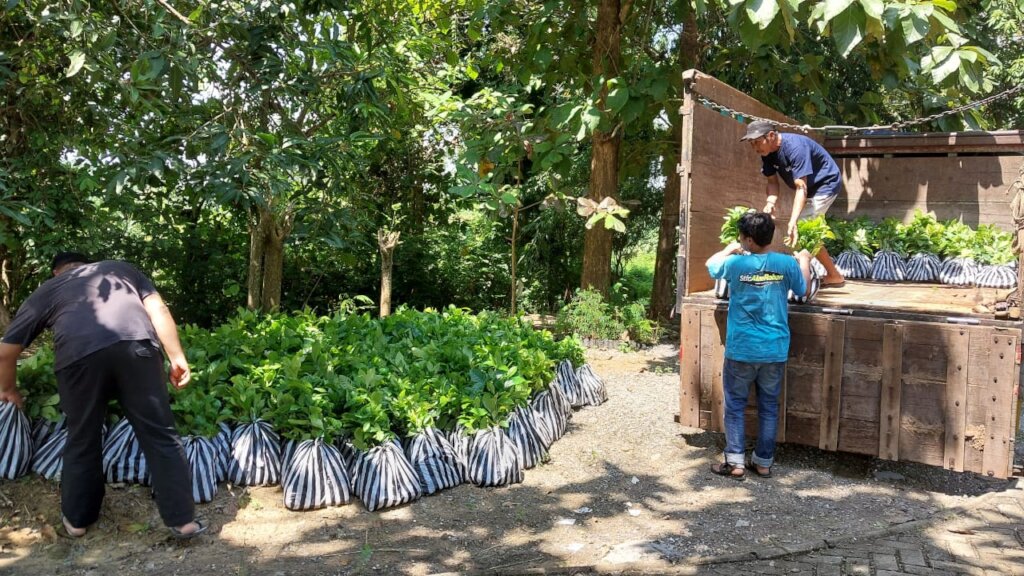
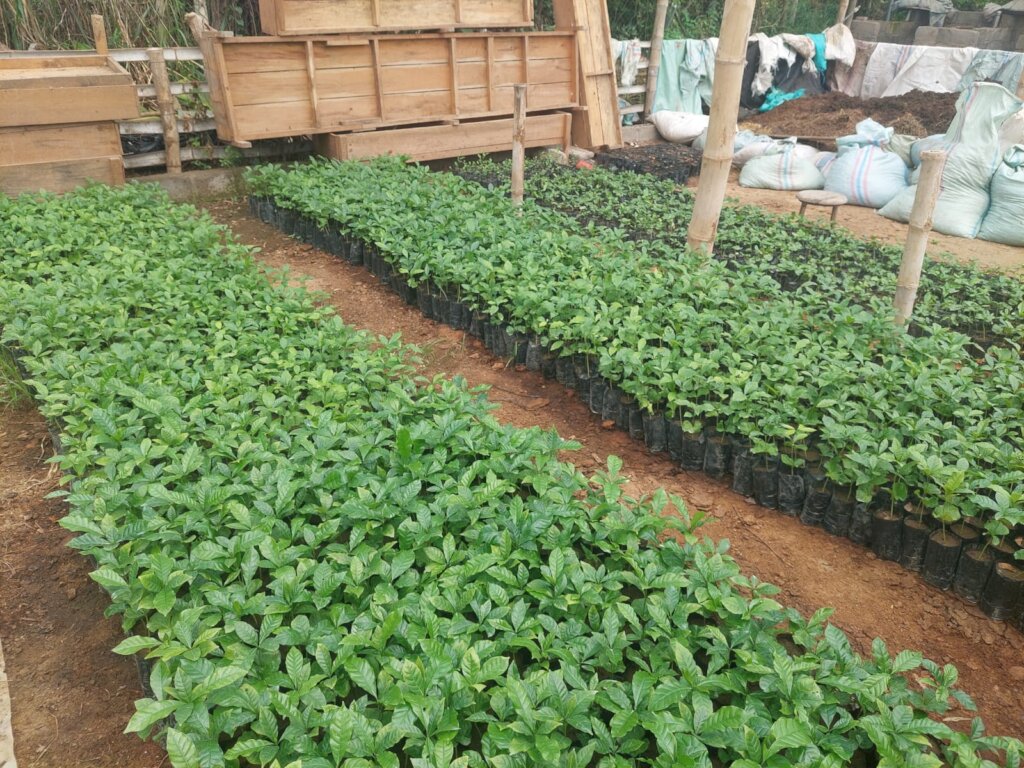
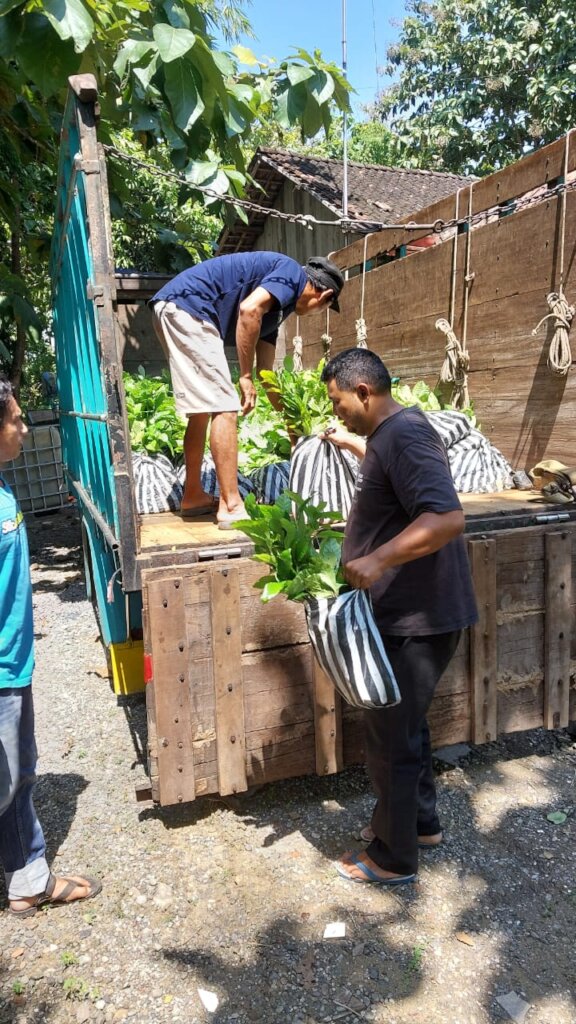
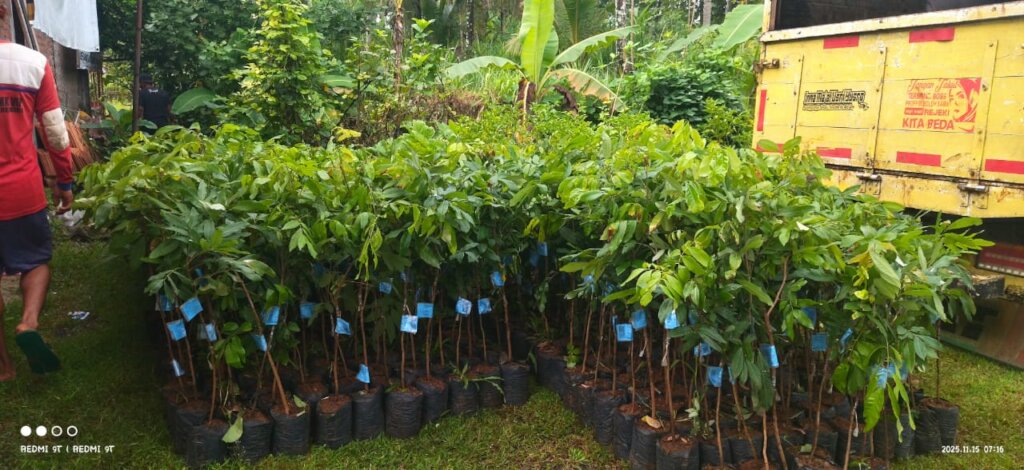
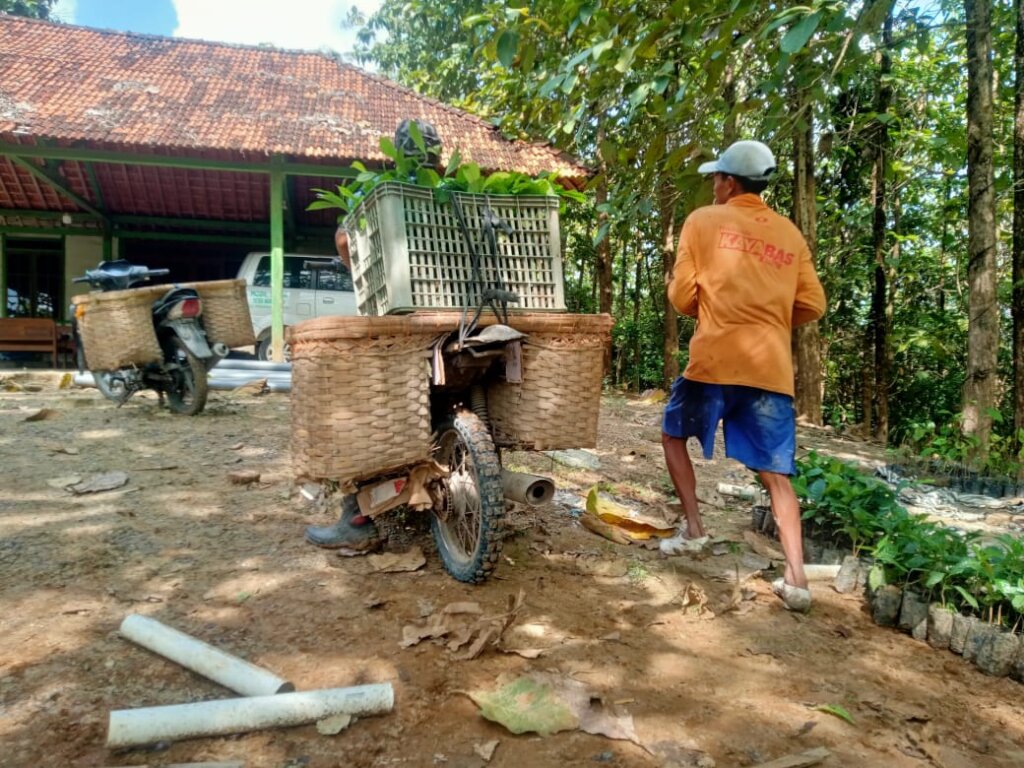
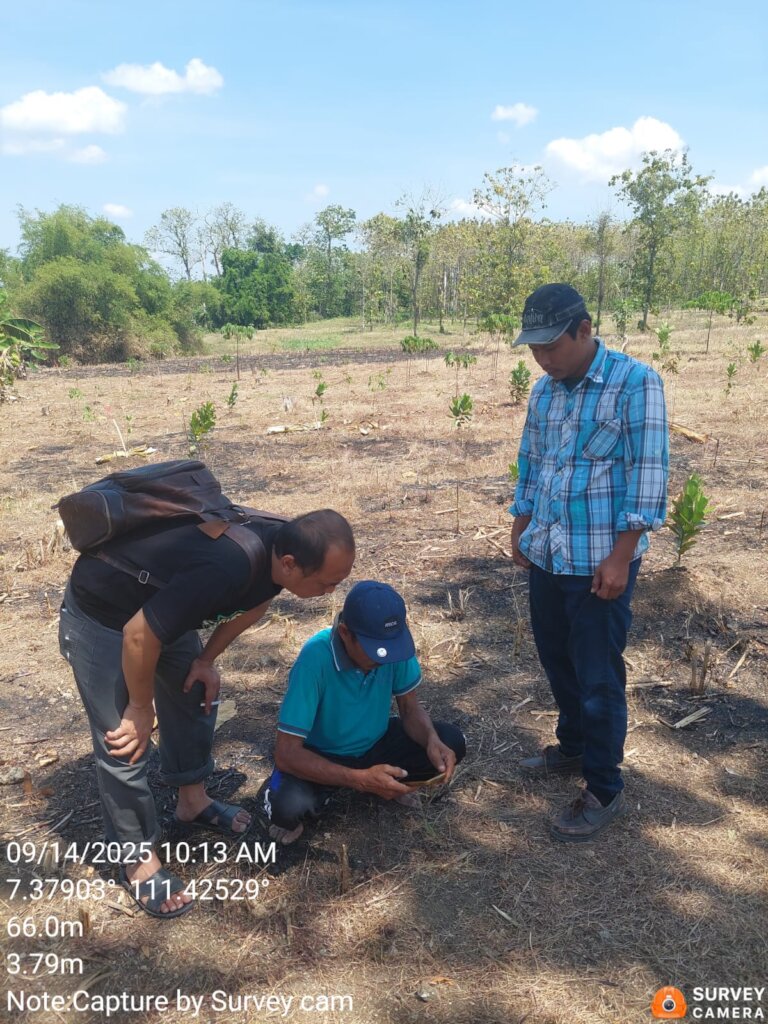
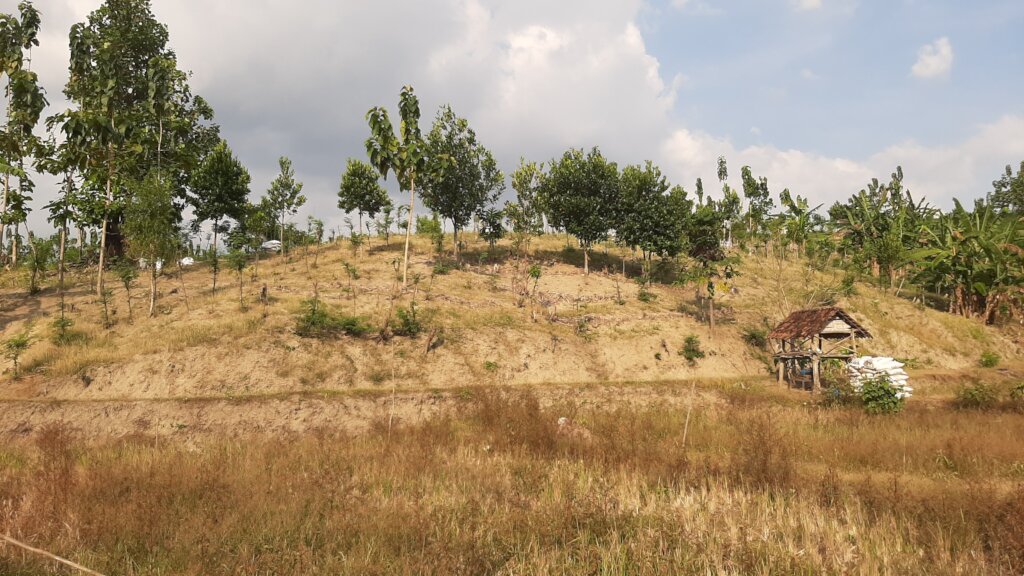
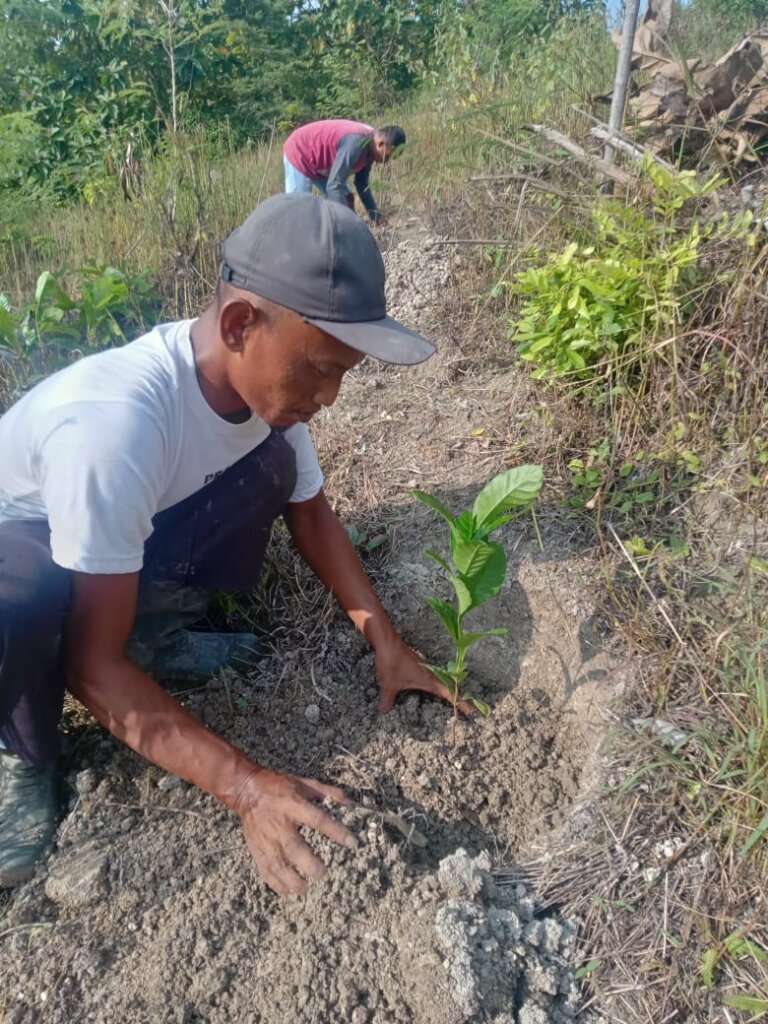
In both districts, degraded and vulnerable lands are being gradually transformed through Liberica coffee agroforestry. Coffee is planted under protective shade trees and combined with multi-purpose tree species such as fruit and timber. This layered system restores tree cover while allowing land to remain economically productive. Roots stabilize slopes. Organic matter rebuilds soil structure. Shade reduces evaporation and strengthens microclimate stability.
The change is visible. Areas once dominated by short-term monoculture crops are shifting toward diversified systems that resemble natural forest ecosystems.
Conservation, however, does not stop at agroforestry. Separate dedicated conservation zones are being prepared alongside productive areas. These zones are reserved for biodiversity protection, watershed conservation, and long-term forest regeneration. By clearly distinguishing productive land from protected areas, Blora and Ngawi are building a balanced landscape model—where economic activity and ecological integrity coexist.
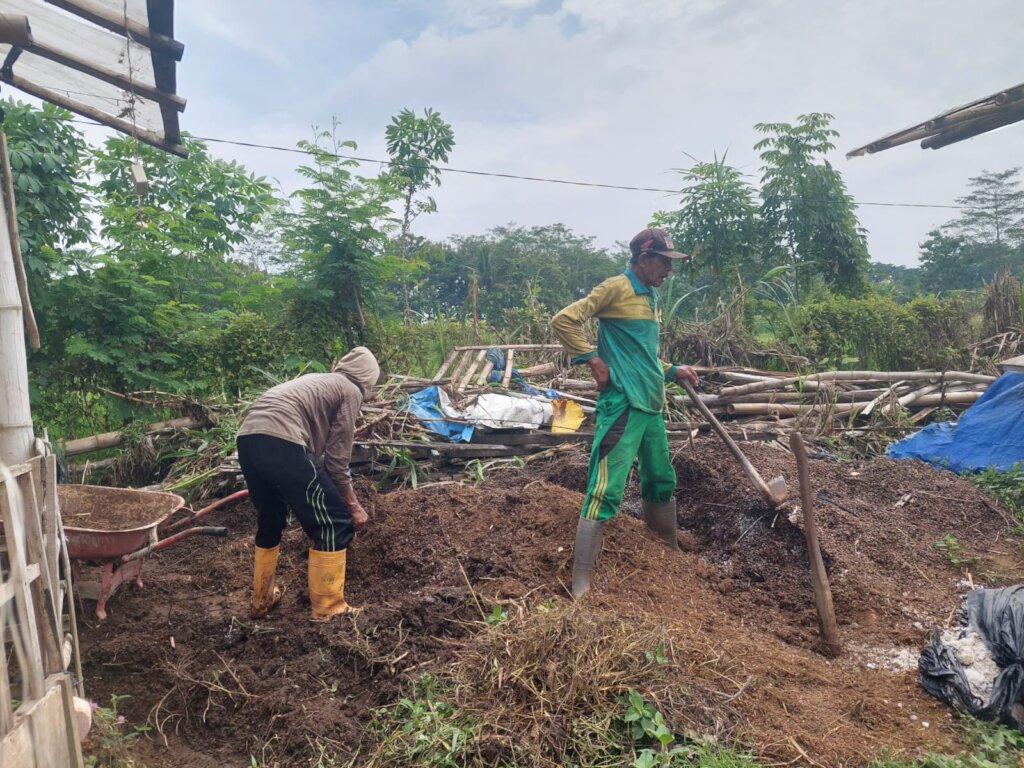
Economic resilience plays a central role in this transformation. Each village group received sheep as part of a circular economy strategy. Livestock provide stable supplementary income, reducing the financial pressure that often drives forest encroachment. Manure is processed into organic fertilizer, strengthening agroforestry systems and lowering dependence on chemical inputs. Costs decline. Soil health improves. The system becomes self-reinforcing.
Equally important is governance. Through participatory planning and institutional strengthening —villages are integrating conservation into local decision-making processes. Communities are not passive recipients of aid; they are architects of landscape restoration.
The goal in Blora and Ngawi is not simply to plant trees. It is to rebuild living forest systems—where ecological recovery, economic stability, and community leadership move together.
Degraded land does not transform overnight. But step by step—through agroforestry, conservation zoning, circular livestock systems, and strengthened local governance—these districts are demonstrating that restoration is possible when communities are empowered.
From degraded land to living forests.
From economic pressure to ecological stewardship.
Blora and Ngawi are building a model for sustainable forest recovery in Java.
Project reports on GlobalGiving are posted directly to globalgiving.org by Project Leaders as they are completed, generally every 3-4 months. To protect the integrity of these documents, GlobalGiving does not alter them; therefore you may find some language or formatting issues.
If you donate to this project or have donated to this project, you can receive an email when this project posts a report. You can also subscribe for reports without donating.



Support this important cause by creating a personalized fundraising page.
Start a Fundraiser