By Nur Abdullah | Project Staff
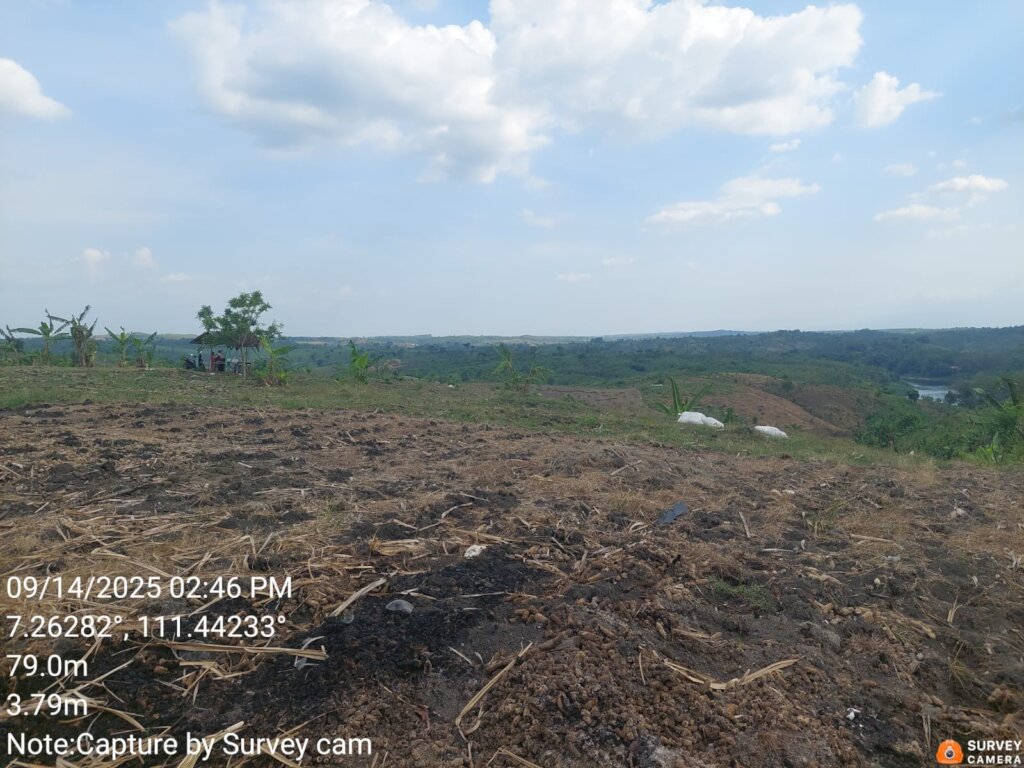
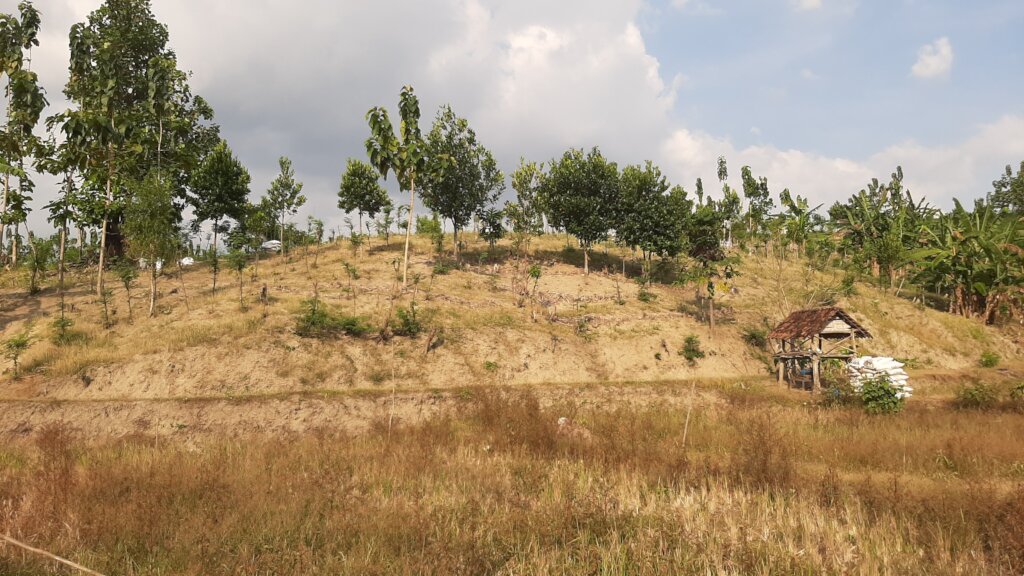
Forests in Java face a unique and complex set of pressures. With one of the highest population densities in the world and limited productive land, forest areas often overlap directly with community farming activities. In such a context, conservation strategies that rely solely on restrictions or exclusion are difficult to sustain, because rural livelihoods remain deeply tied to land access.
This is where agroforestry becomes a relevant and adaptive conservation approach.
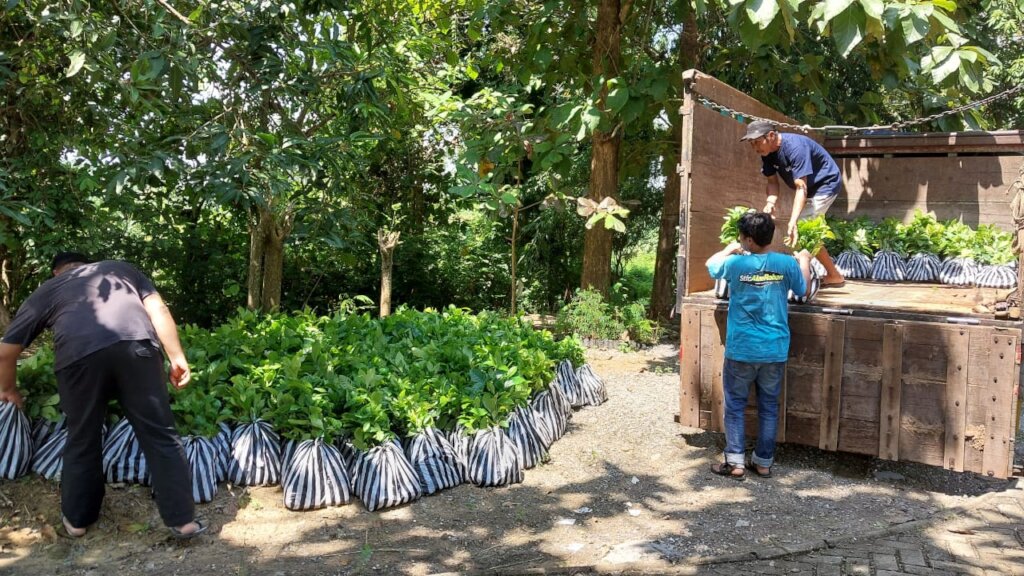
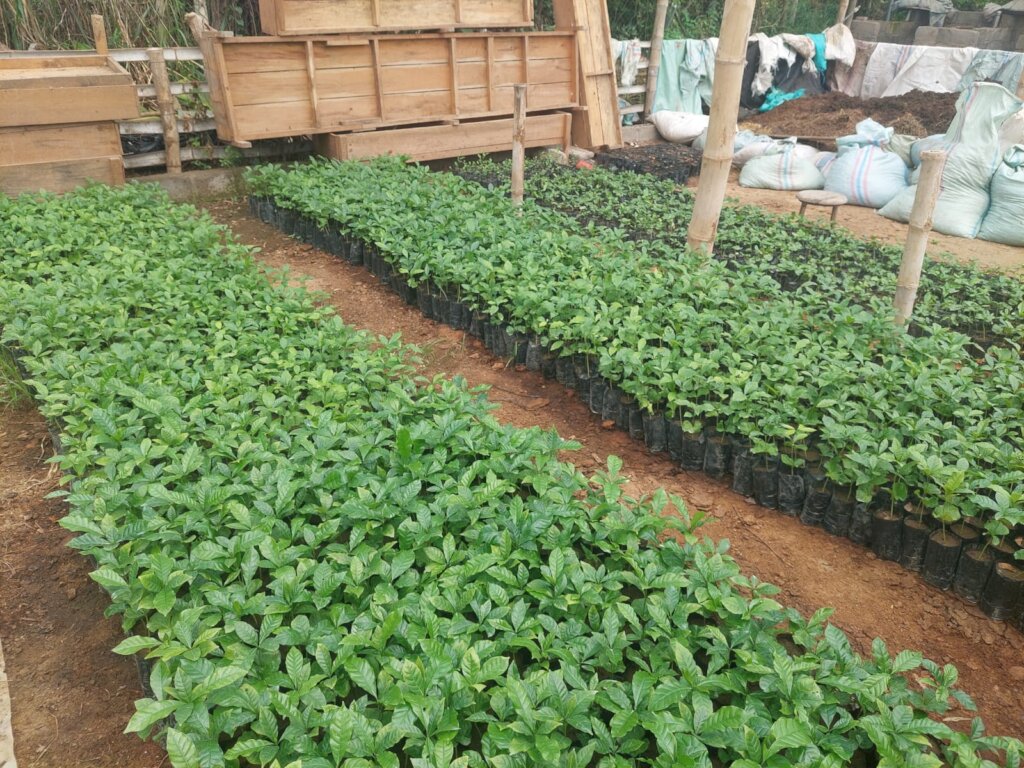
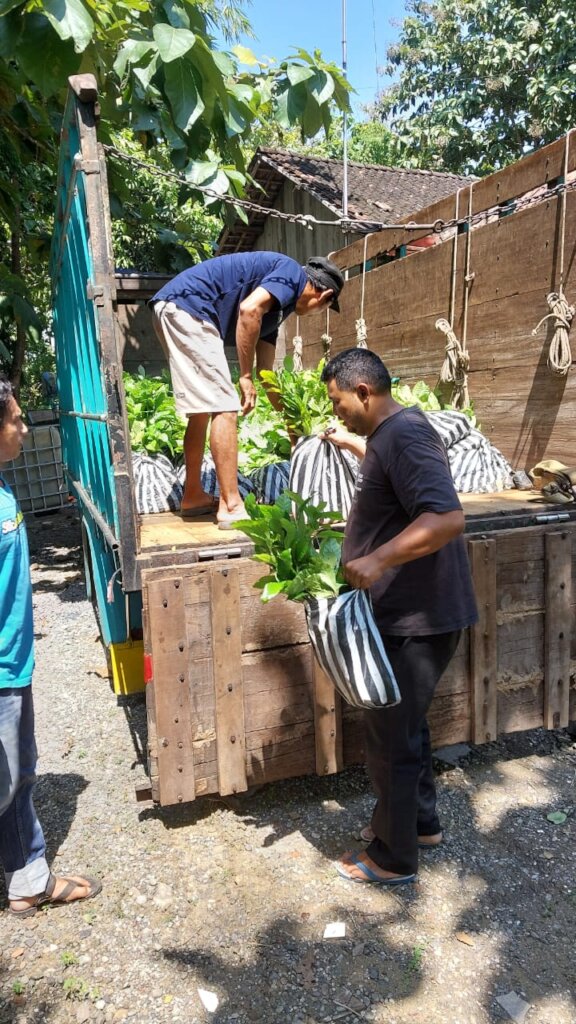
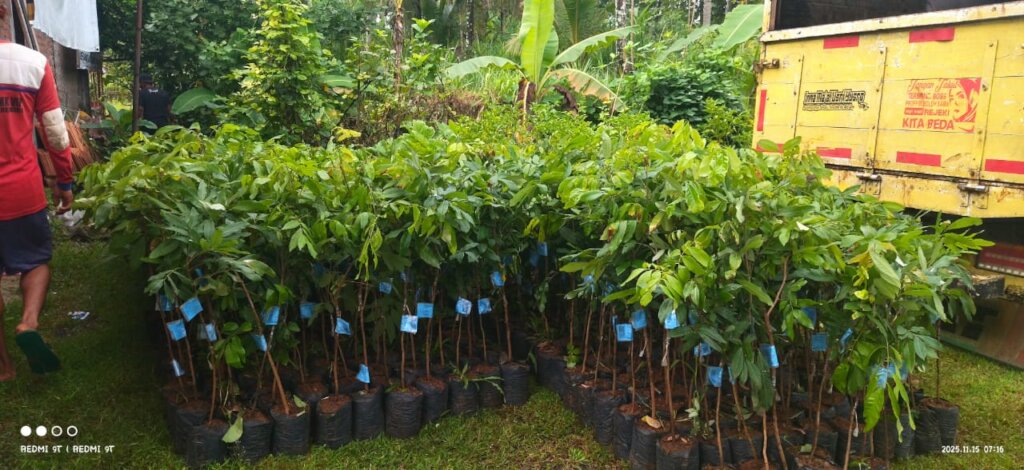
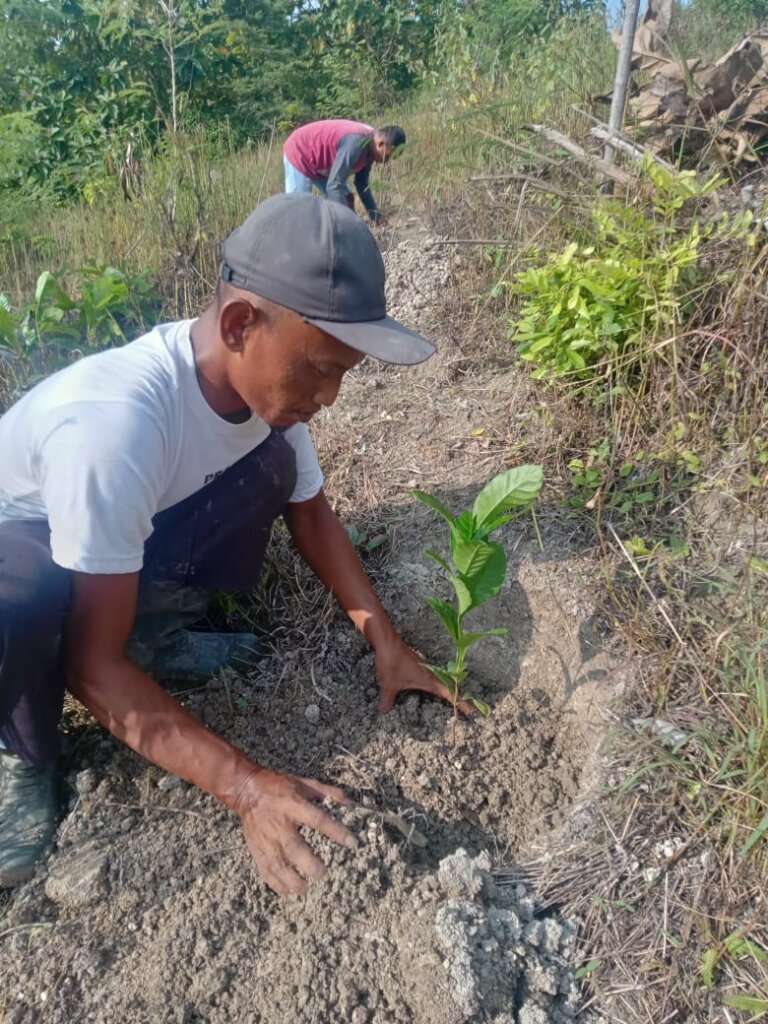
Agroforestry is not merely a farming technique—it is a landscape management strategy that integrates forestry trees with cultivated crops such as coffee, spices, and fruit trees within a multi-layered system. By mimicking the structure of natural forest ecosystems, agroforestry allows ecological functions to continue even while land remains productive.
In the context of Java’s forests, agroforestry serves as a bridge between conservation and livelihoods.
Shade-grown coffee planted under protective tree cover and combined with Multi-Purpose Tree Species (MPTS) helps maintain tree canopy and stabilize slopes that are prone to erosion. Root systems bind the soil, while leaf litter increases organic matter and improves soil fertility. The layered structure enhances water infiltration and supports microclimate stability—critical factors in a region increasingly affected by climate variability.
Agroforestry also reduces pressure on natural forest areas. When farmers have access to diversified and stable income systems, the incentive to clear additional forest land decreases. In this way, conservation is not positioned as a barrier to economic development, but as an integral component of sustainable production.
Moreover, this approach enables clear spatial planning between productive agroforestry zones and dedicated conservation areas focused on biodiversity and watershed protection. Such an integrated landscape model strengthens both ecological resilience and social stability.
Ultimately, forest conservation in Java cannot be separated from the socio-economic realities of forest-edge communities. Agroforestry offers a practical solution—one that keeps trees standing, soils fertile, and rural economies growing.
Conservation in Java is not about choosing between forests and people.
Through agroforestry, both can thrive together.
Project reports on GlobalGiving are posted directly to globalgiving.org by Project Leaders as they are completed, generally every 3-4 months. To protect the integrity of these documents, GlobalGiving does not alter them; therefore you may find some language or formatting issues.
If you donate to this project or have donated to this project, you can receive an email when this project posts a report. You can also subscribe for reports without donating.



Support this important cause by creating a personalized fundraising page.
Start a Fundraiser