By Nur Abdullah | Project Staff
Protecting Indonesia’s forests cannot rely solely on regulation, enforcement, or external interventions. In many forest-edge regions—particularly in Java—communities live directly adjacent to forest landscapes and depend on them for their livelihoods. Without economic security and local ownership, conservation efforts often struggle to endure.
This initiative begins with a different premise: forest protection must be built on community empowerment.
1 Integrating Livelihoods with Conservation
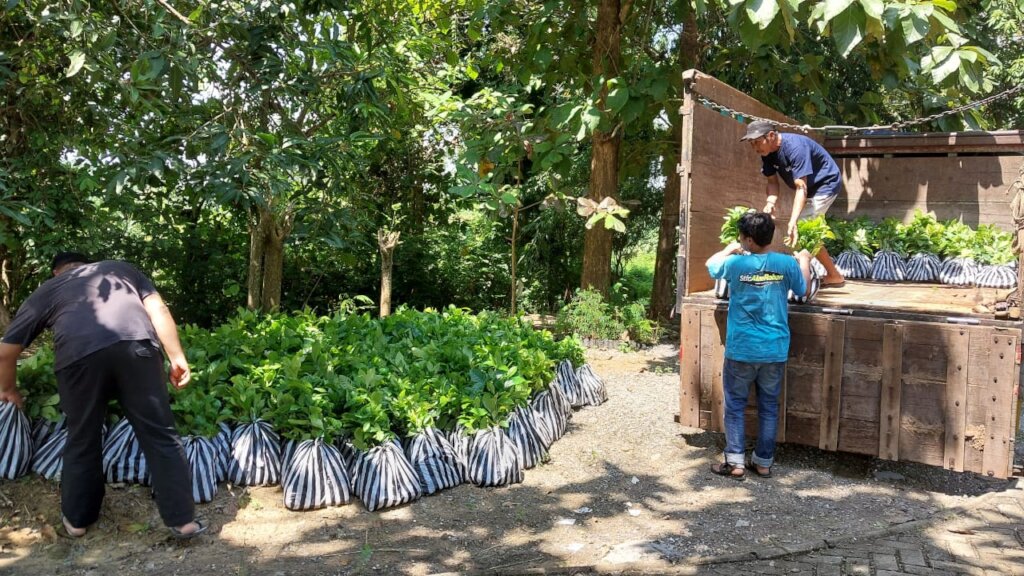
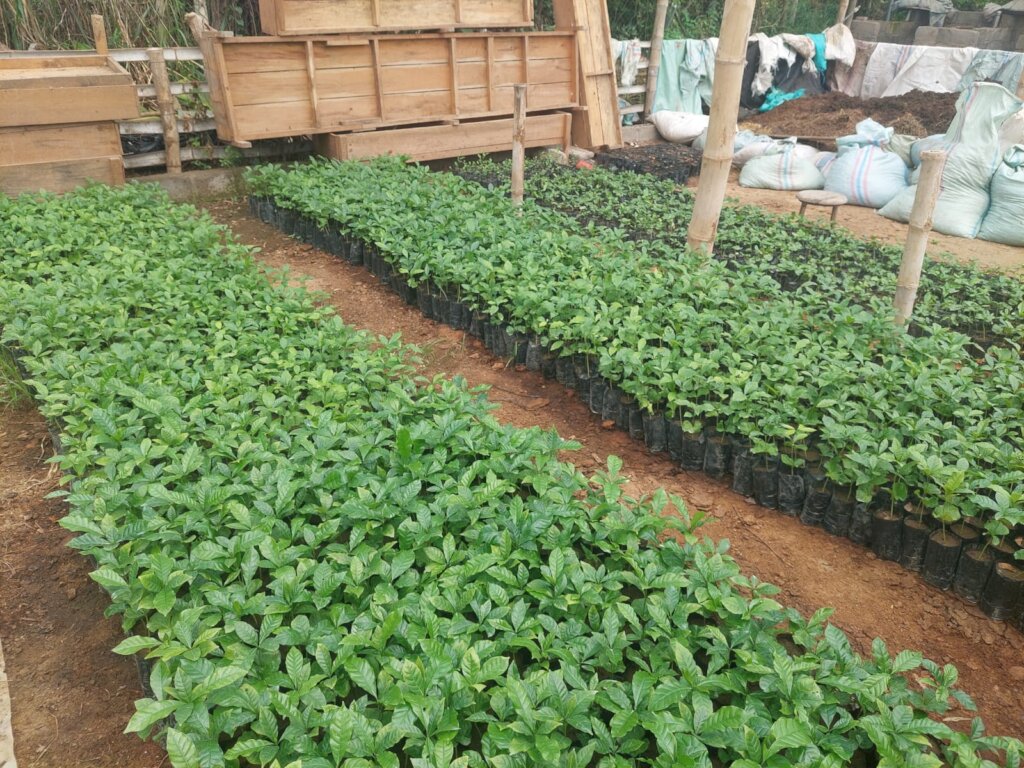
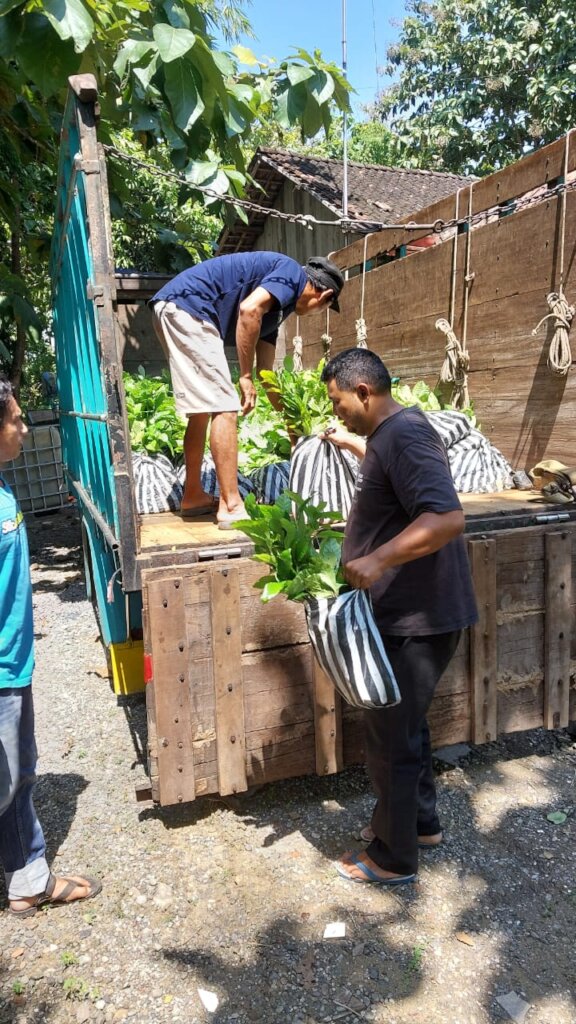
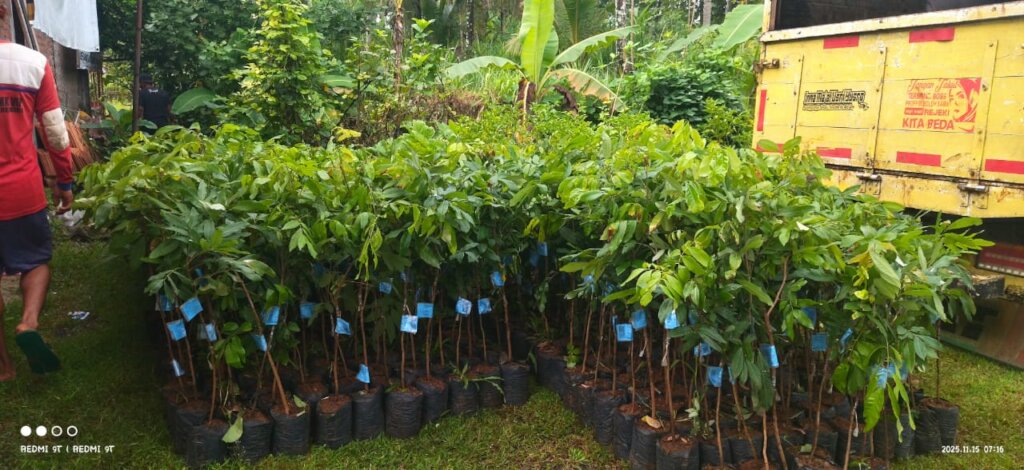
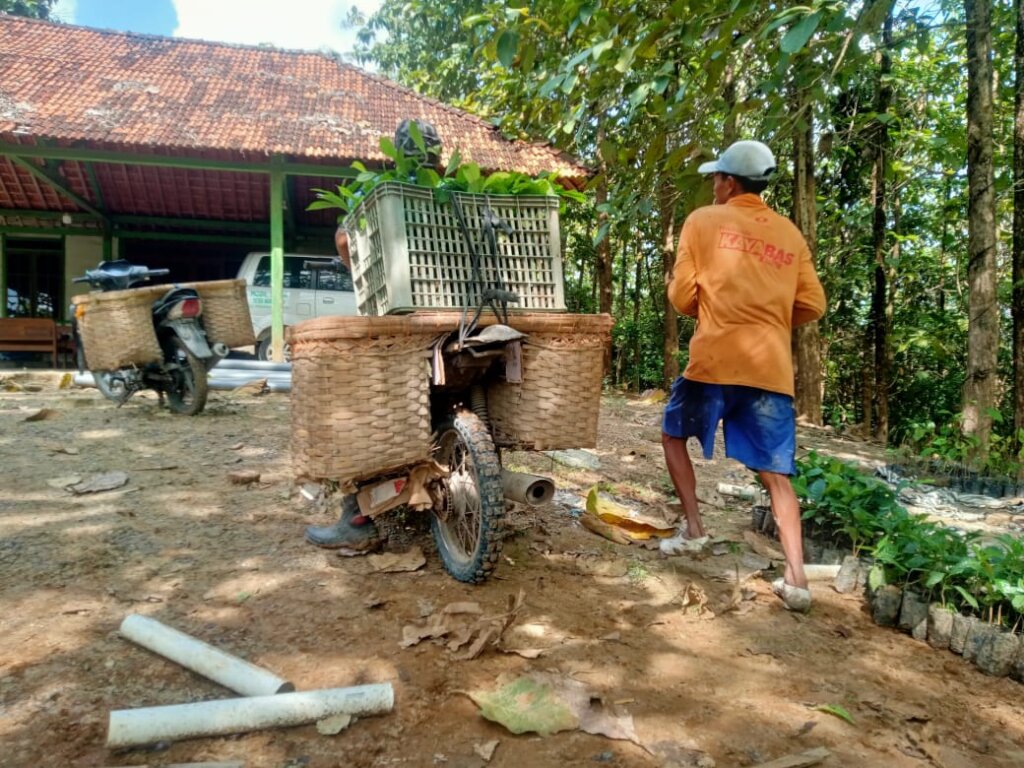
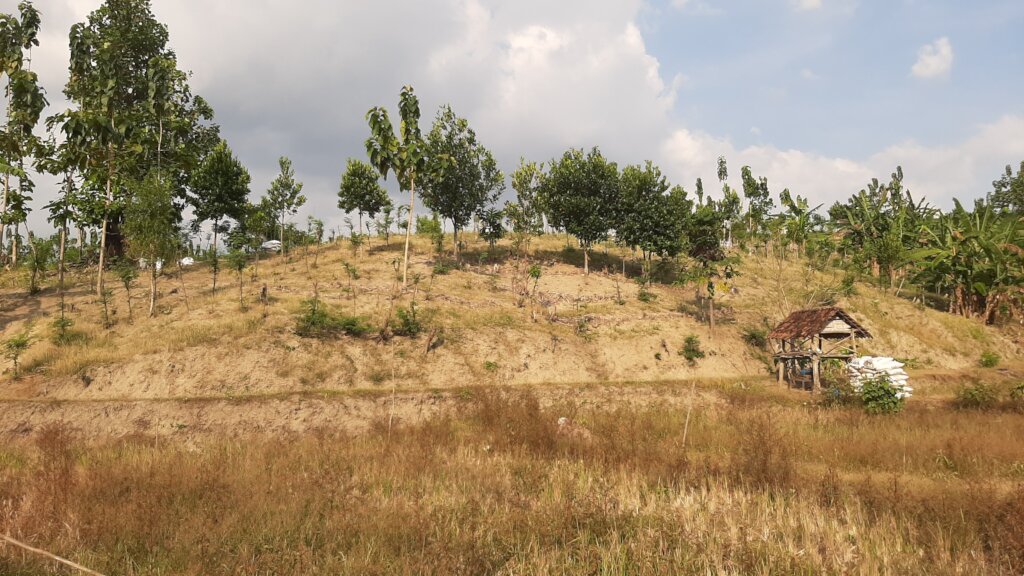
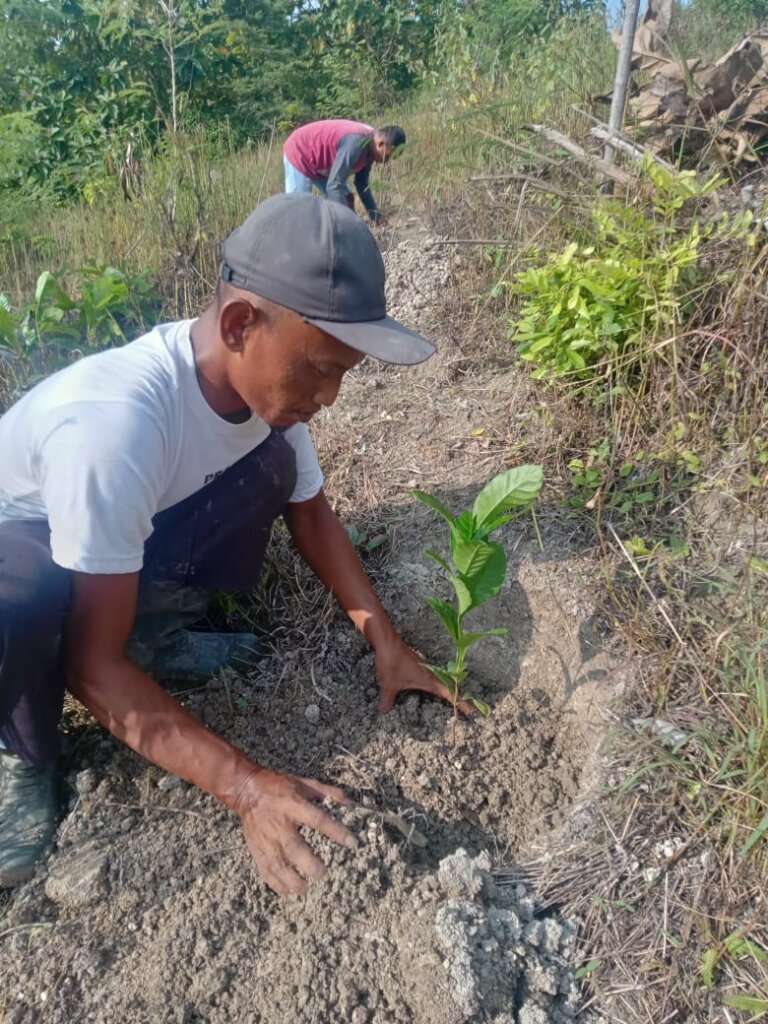
The first pillar of the approach is aligning ecological restoration with economic opportunity. Rather than separating production and protection, communities are supported in adopting agroforestry systems—such as Liberica coffee cultivated under shade trees and integrated with multi-purpose forestry species.
This model restores tree cover, improves soil health, and enhances water retention while generating stable income. When farmers benefit directly from maintaining tree-based systems, conservation becomes economically rational.
2 Building Circular Rural Economies
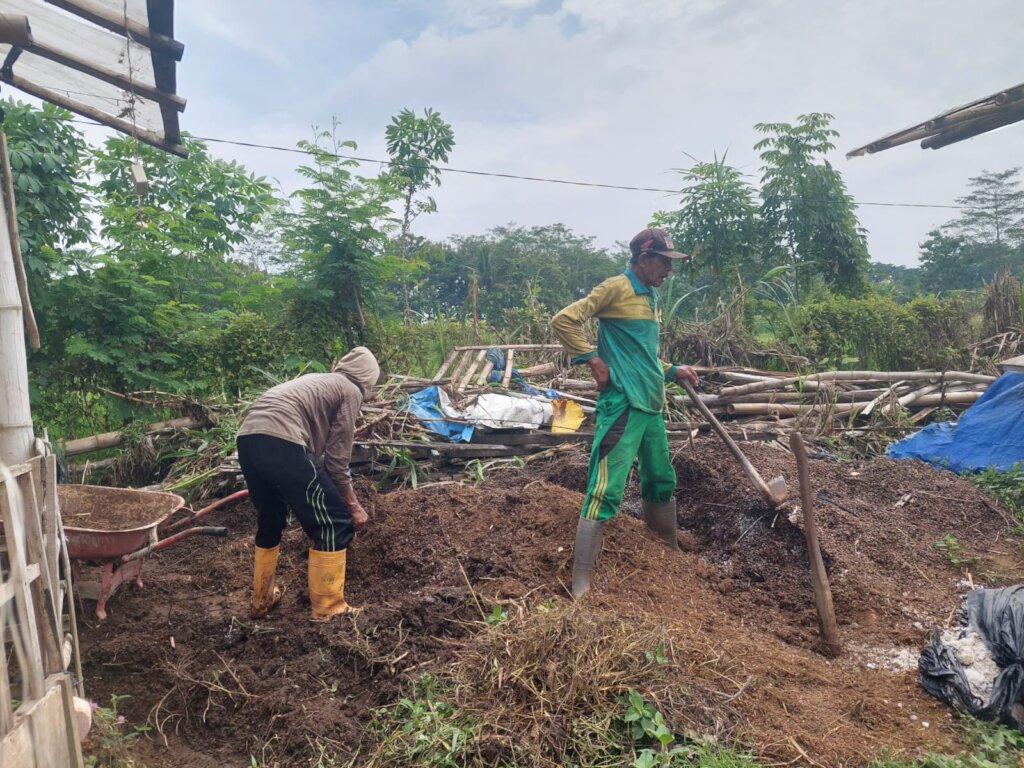
Economic resilience is further strengthened through livestock integration. Community-managed sheep farming provides supplementary income and produces manure that is processed into organic fertilizer. This supports agroforestry productivity and reduces reliance on chemical inputs.
The circular system works as follows:
Stronger income →
Lower production costs →
Improved soil fertility →
Reduced forest pressure →
Sustained conservation commitment.
By stabilizing livelihoods, the project reduces the underlying drivers of deforestation.
3 Establishing Dedicated Conservation Areas
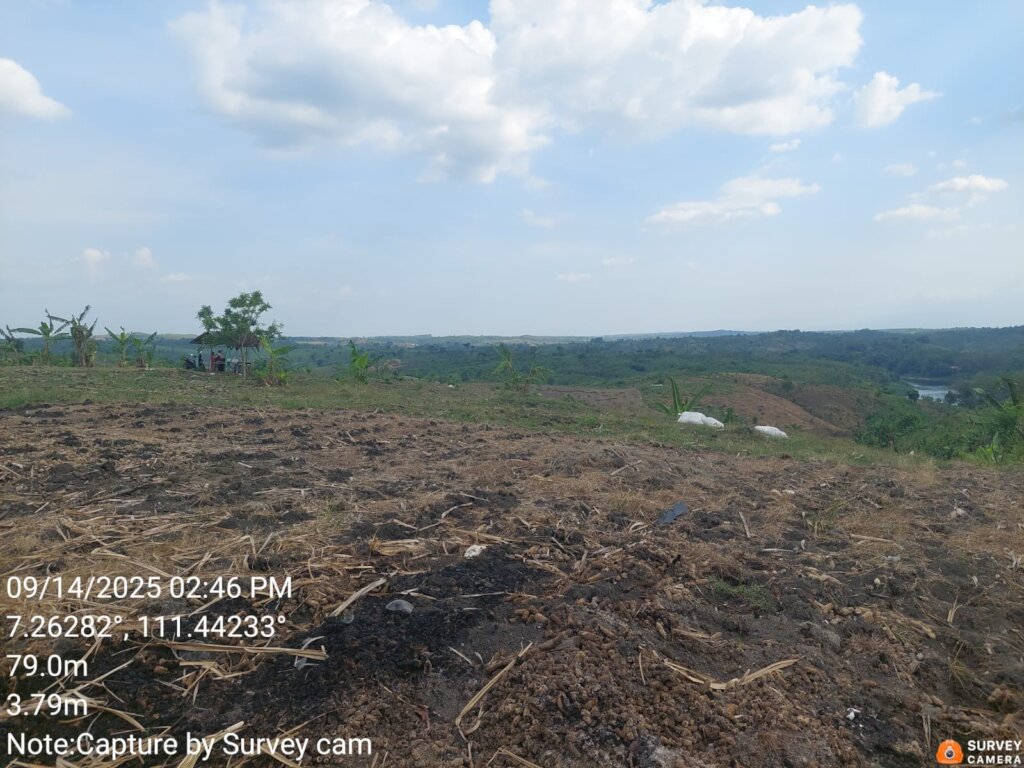
Beyond productive agroforestry zones, separate conservation areas are designated to protect biodiversity, safeguard water sources, and enable natural forest regeneration. Clear spatial planning between productive land and conservation zones ensures ecological balance at the landscape scale.
This approach avoids conflict between economic use and environmental protection by defining roles for each part of the landscape.
4 Strengthening Local Governance and Participation
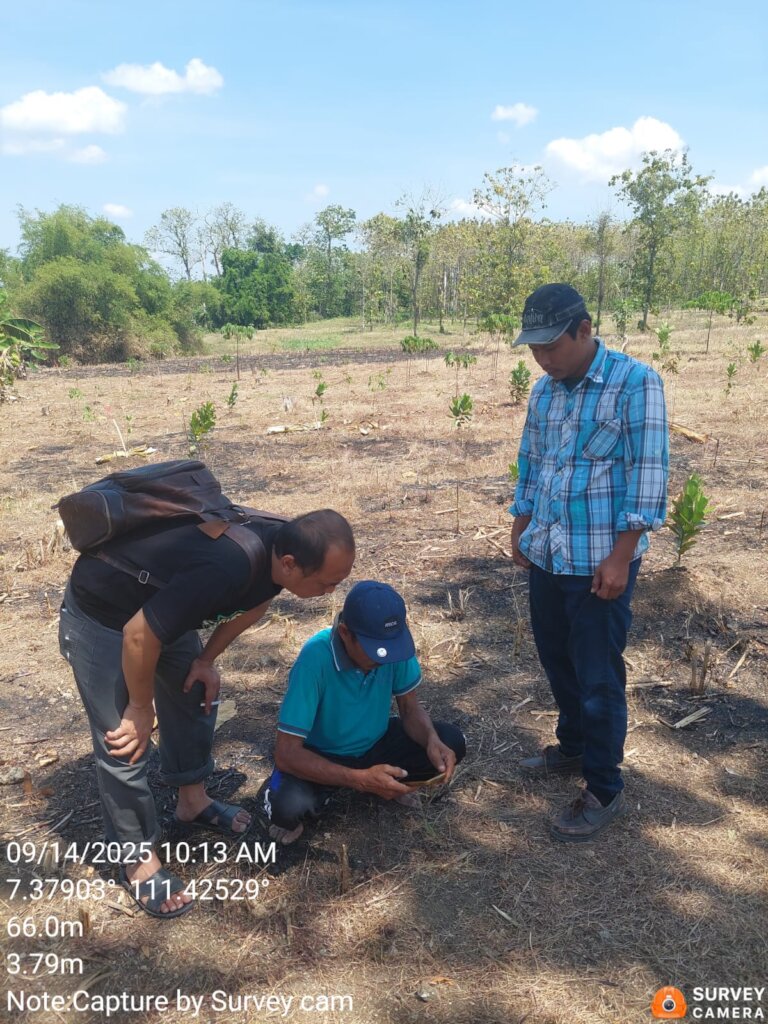
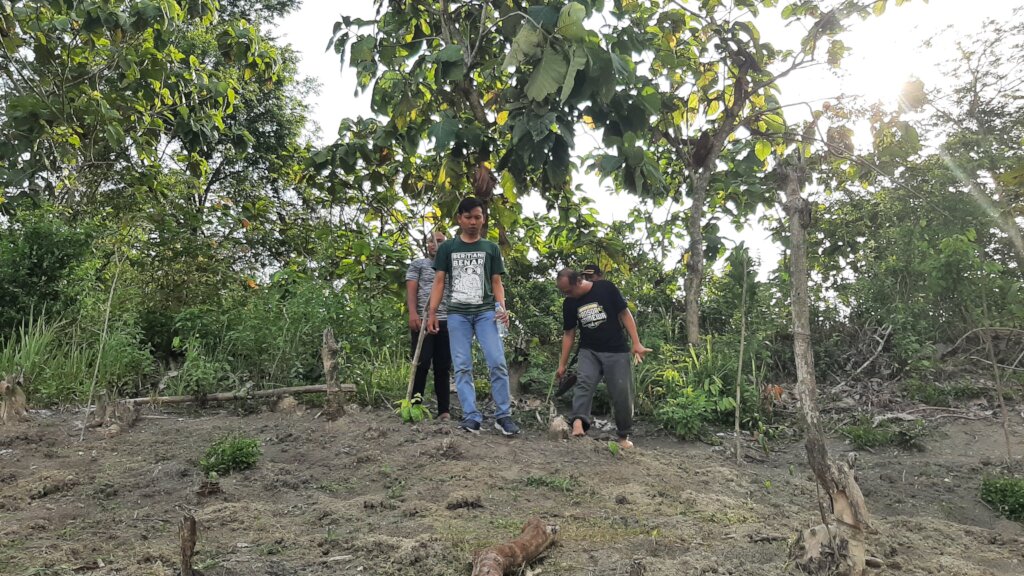
Empowerment extends beyond economic activities. Through participatory village planning, asset mapping, and institutional strengthening—implemented in collaboration with the Faculty of Social and Political Sciences, Universitas Gadjah Mada—communities integrate conservation into local decision-making processes.
Villagers assess their own strengths, define priorities, and develop policies that align forest protection with village development strategies. Conservation is embedded in governance, not imposed externally.
A Shift in Conservation Paradigm
This approach represents a shift from top-down conservation to community-led landscape stewardship. It recognizes that forests are more likely to thrive when those who live closest to them have both the capacity and incentive to protect them.
Empowering communities means:
Strengthening economic independence
Building ecological awareness
Embedding conservation in local institutions
Creating long-term stewardship
When communities are empowered, forest protection becomes sustainable—not because it is enforced, but because it is valued.
Protecting Indonesia’s forests begins with empowering its people.
When communities thrive, forests survive.
Project reports on GlobalGiving are posted directly to globalgiving.org by Project Leaders as they are completed, generally every 3-4 months. To protect the integrity of these documents, GlobalGiving does not alter them; therefore you may find some language or formatting issues.
If you donate to this project or have donated to this project, you can receive an email when this project posts a report. You can also subscribe for reports without donating.



Support this important cause by creating a personalized fundraising page.
Start a Fundraiser