By mufid | Project Staff
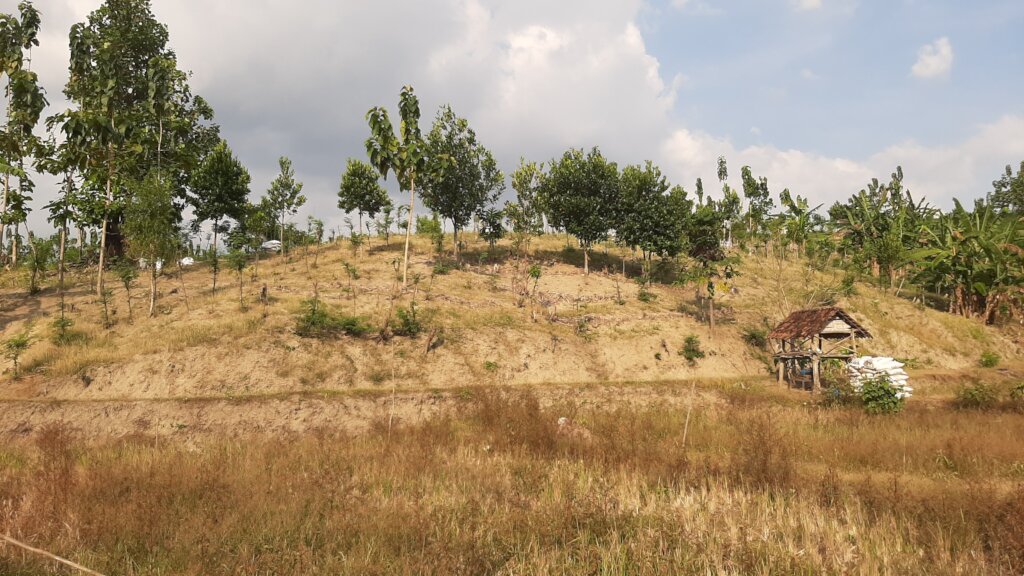
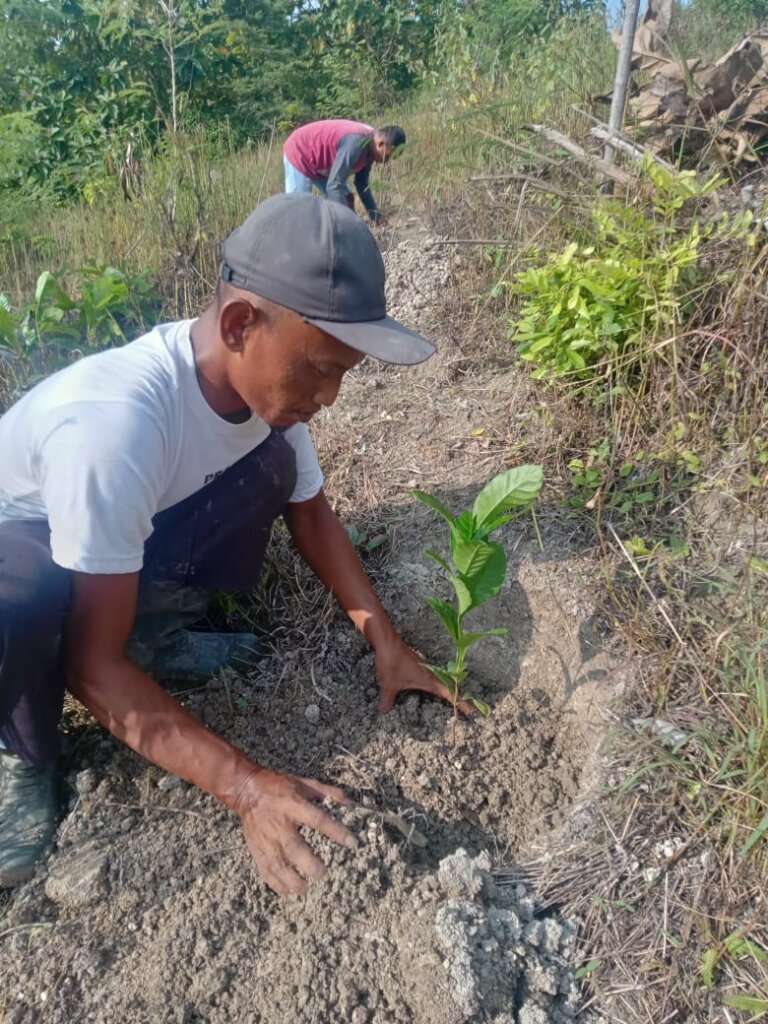
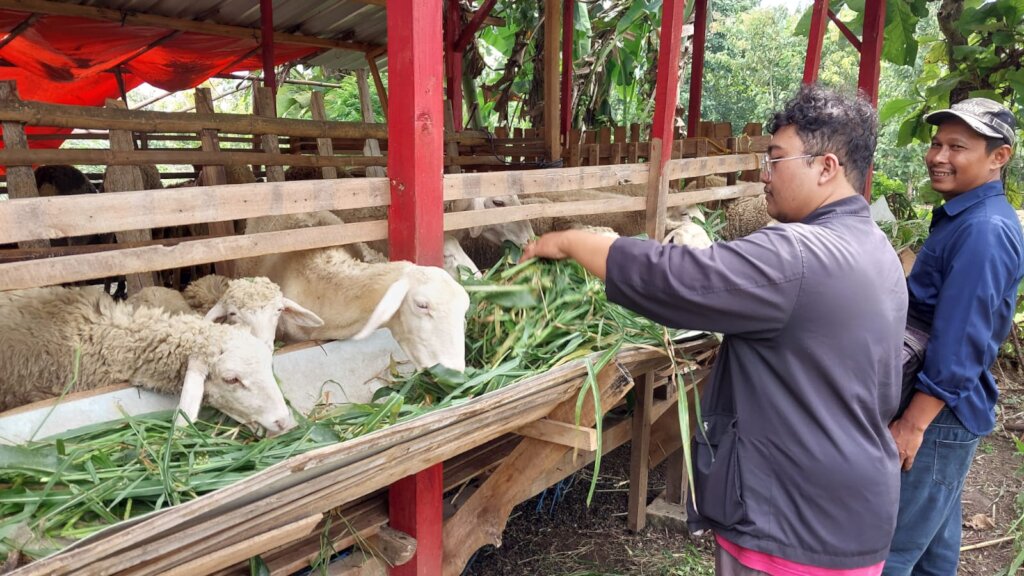
In forest-edge villages across Java, community-based sheep farming plays a strategic role in strengthening agroforestry systems. This approach does not separate economic development from conservation; instead, it integrates both within a circular, landscape-based model.
The Role of Livestock in Agroforestry Systems
Community sheep farming serves multiple interconnected functions:
1 Additional and Stable Income
Sheep provide supplementary household income, increasing economic security for farmers. When livelihoods are more stable, pressure to expand agricultural land into forest areas decreases.
2 Organic Fertilizer Production
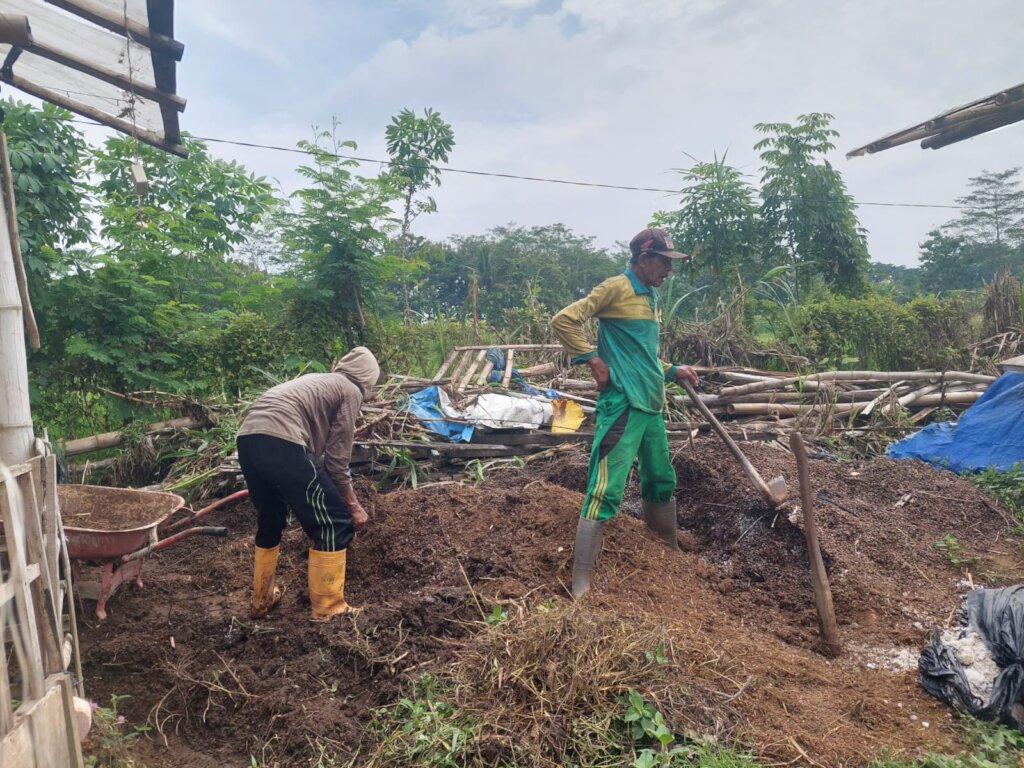
Sheep manure is processed into organic fertilizer used to nourish coffee and shade trees within agroforestry systems. This:
Reduces dependence on chemical fertilizers
Lowers production costs
Improves long-term soil fertility
Enhances environmental sustainability
By returning nutrients to the soil, the system becomes more regenerative and self-sustaining.
3 Supporting a Circular Rural Economy
Livestock waste becomes a resource rather than a burden. Nutrients cycle back into agroforestry land, soil productivity increases, and environmental impact is reduced. This closed-loop system strengthens both economic and ecological resilience.
Training and Capacity Building
Farmers do not only receive livestock—they are equipped with practical knowledge and skills, including:
Sustainable sheep management practices
Feed and animal health management
Breeding systems
Processing manure into quality organic fertilizer
Basic group management and financial record-keeping
This ensures that sheep farming is productive, organized, and fully integrated into agroforestry development.
Strengthening Forest Management Capacity
The livestock initiative is accompanied by broader capacity strengthening in community forest governance, including:
Participatory village planning
Asset and landscape mapping
Increased understanding of forest ecological functions
Establishment of dedicated conservation zones
Communities are therefore positioned not only as producers, but as landscape stewards capable of balancing economic production with ecological protection.
Where Economy and Conservation Converge
Community sheep farming demonstrates that conservation does not have to come at the expense of livelihoods. On the contrary, stronger local economies create the foundation for long-term forest protection.
Stronger income →
Healthier soil →
More resilient agroforestry →
Reduced forest pressure.
Project reports on GlobalGiving are posted directly to globalgiving.org by Project Leaders as they are completed, generally every 3-4 months. To protect the integrity of these documents, GlobalGiving does not alter them; therefore you may find some language or formatting issues.
If you donate to this project or have donated to this project, you can receive an email when this project posts a report. You can also subscribe for reports without donating.



Support this important cause by creating a personalized fundraising page.
Start a Fundraiser