By Khayat | Project Staff
Forest conservation is not only about trees and landscapes—it is about people. In many forest-edge villages across Central and East Java, women play a crucial role in sustaining household economies and managing natural resources in daily life. For conservation efforts to be effective and long-lasting, they must be inclusive and participatory—ensuring that women have meaningful space to contribute and lead.
Women as Key Actors in Conservation
Women are often central to small-scale farming, post-harvest processing, household financial management, and community group coordination. Within agroforestry systems, their roles become even more strategic. Women actively contribute to:
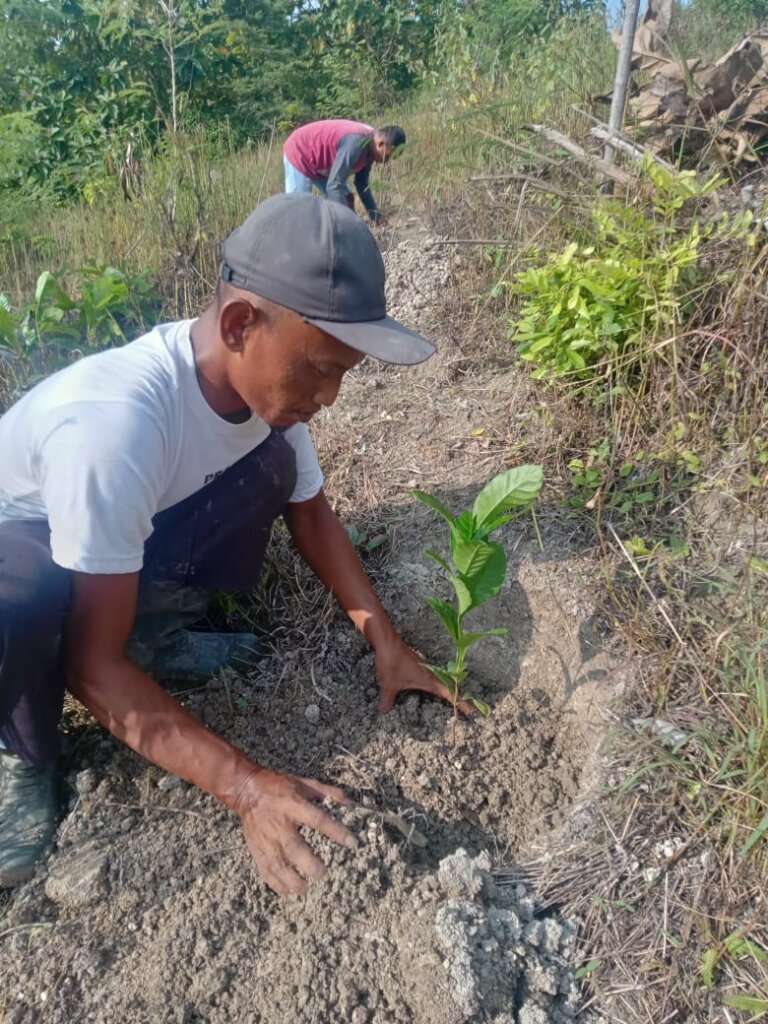
Maintaining coffee plants and shade trees
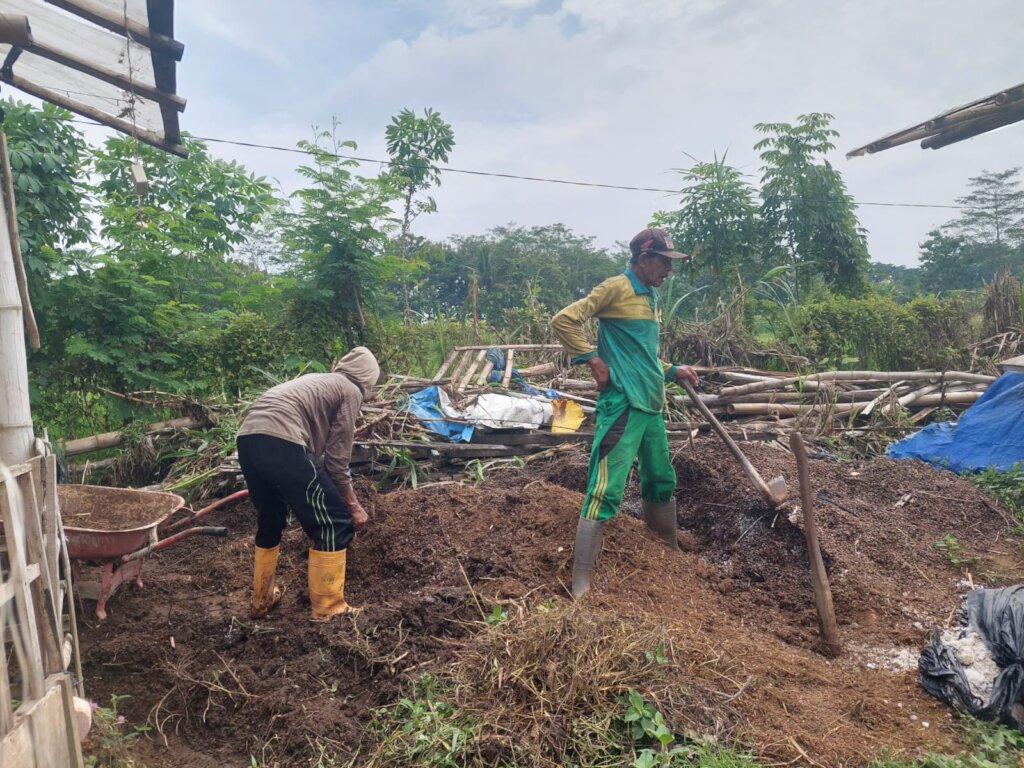
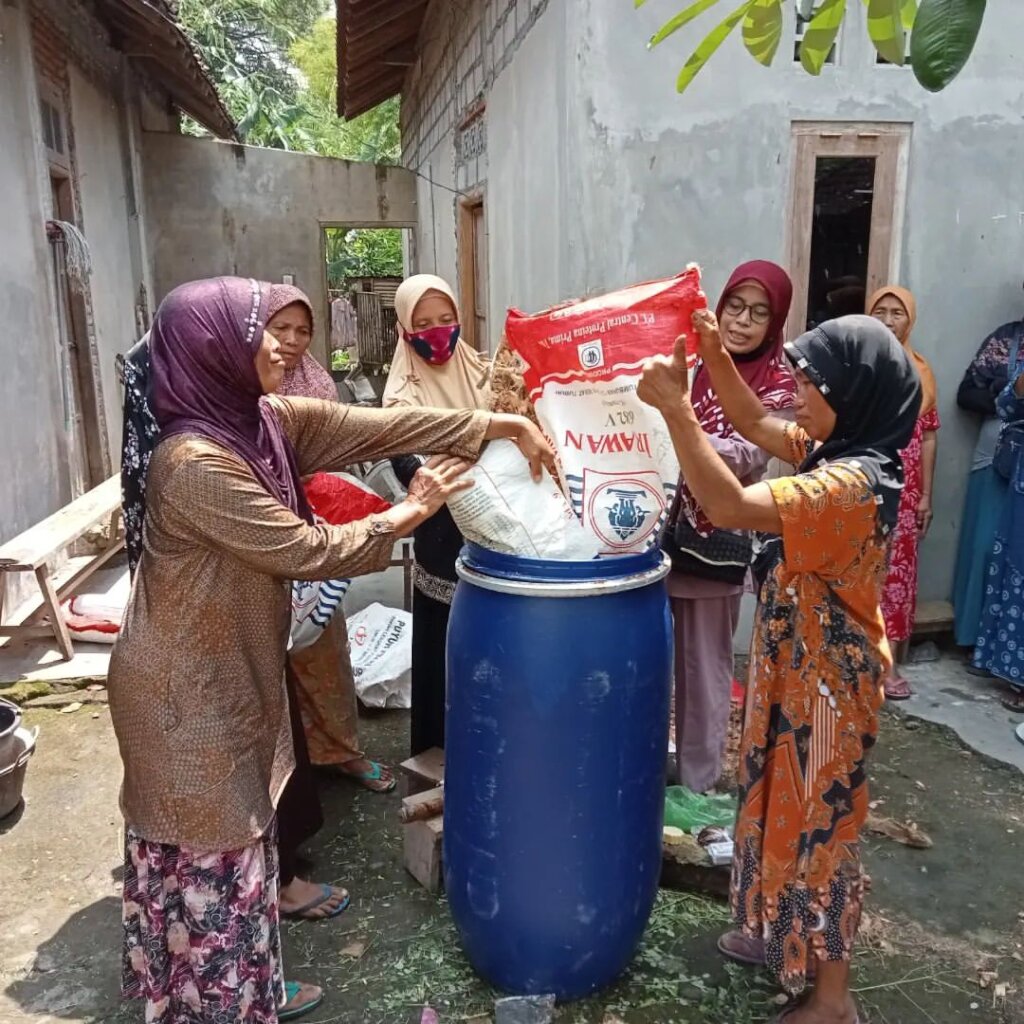
Processing organic fertilizer from livestock manure
Diversifying forest-based and agricultural products
Managing group administration and financial records
These roles strengthen both household resilience and long-term landscape sustainability.
Inclusive and Participatory Conservation
An inclusive conservation approach ensures that women have access to:
Technical training in agroforestry and livestock management
Entrepreneurial and financial capacity building
Participation in village-level planning forums
Leadership opportunities within farmer and enterprise groups
By filling these spaces, women move from being passive beneficiaries to active drivers of sustainable change.
Practices in Central and East Java
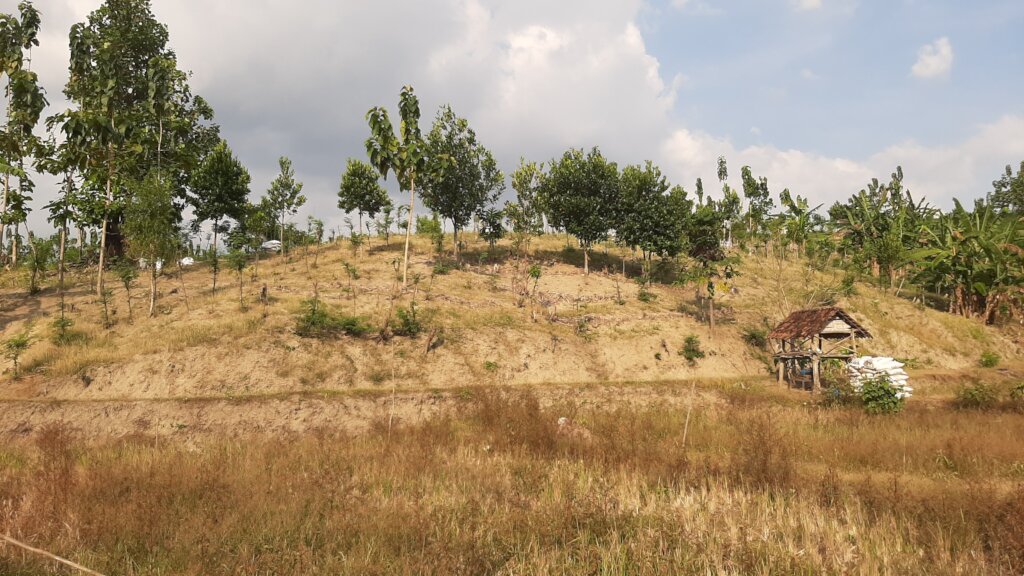
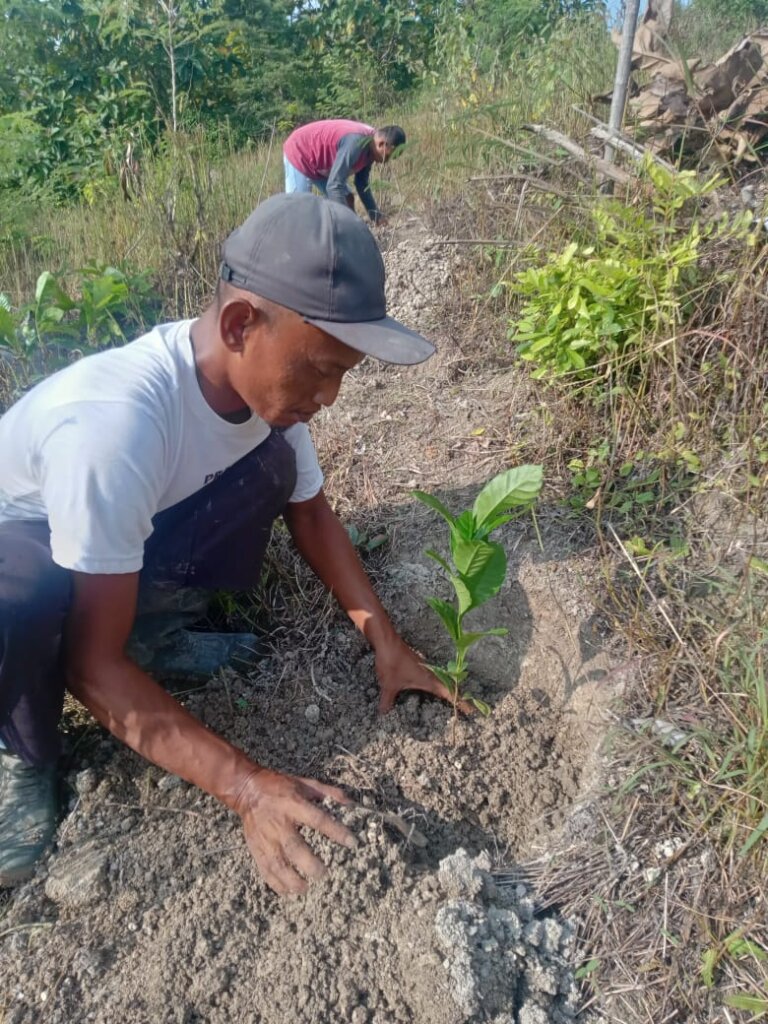
Experiences in several villages in Central and East Java demonstrate that women play a strategic role in advancing agroforestry-based conservation. They are deeply involved in crop maintenance, organic fertilizer production, and strengthening community institutions. In many cases, women act as bridges between conservation initiatives and household economic needs.
When women are actively engaged, program sustainability improves. Conservation commitments become embedded in everyday practices within households and communities.
Strong conservation requires broad participation.
When women are empowered, forests gain resilient guardians.
Inclusivity is not optional—it is fundamental to sustainability.
Project reports on GlobalGiving are posted directly to globalgiving.org by Project Leaders as they are completed, generally every 3-4 months. To protect the integrity of these documents, GlobalGiving does not alter them; therefore you may find some language or formatting issues.
If you donate to this project or have donated to this project, you can receive an email when this project posts a report. You can also subscribe for reports without donating.



Support this important cause by creating a personalized fundraising page.
Start a Fundraiser