By Nur Abdullah | Project Staff
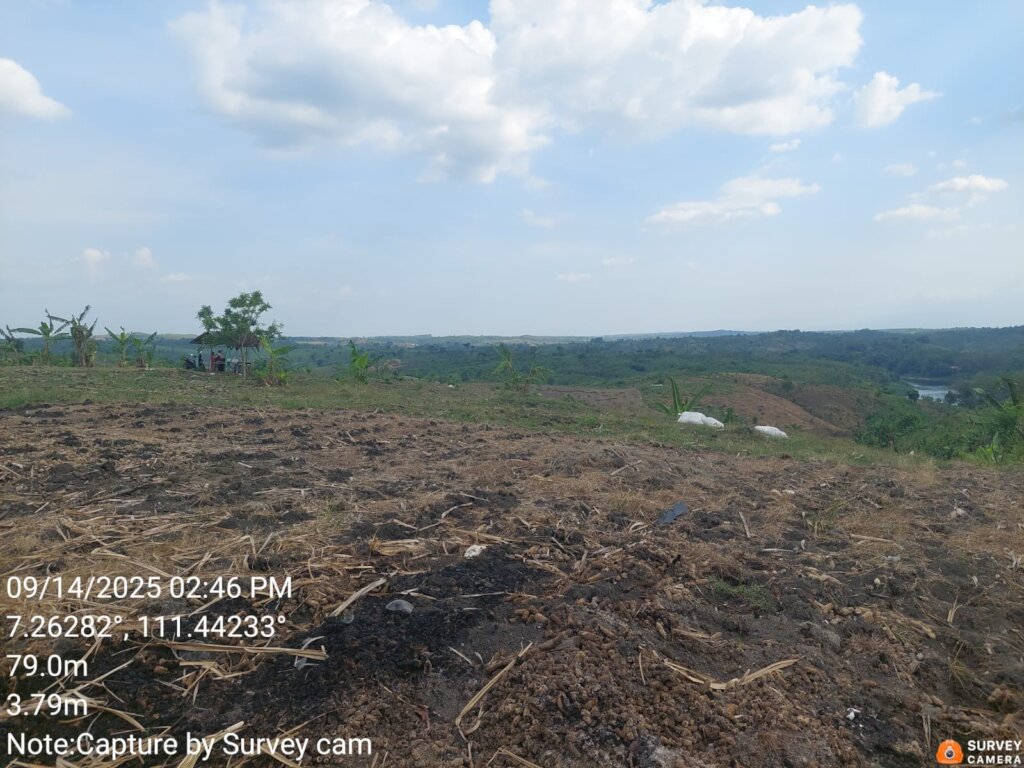
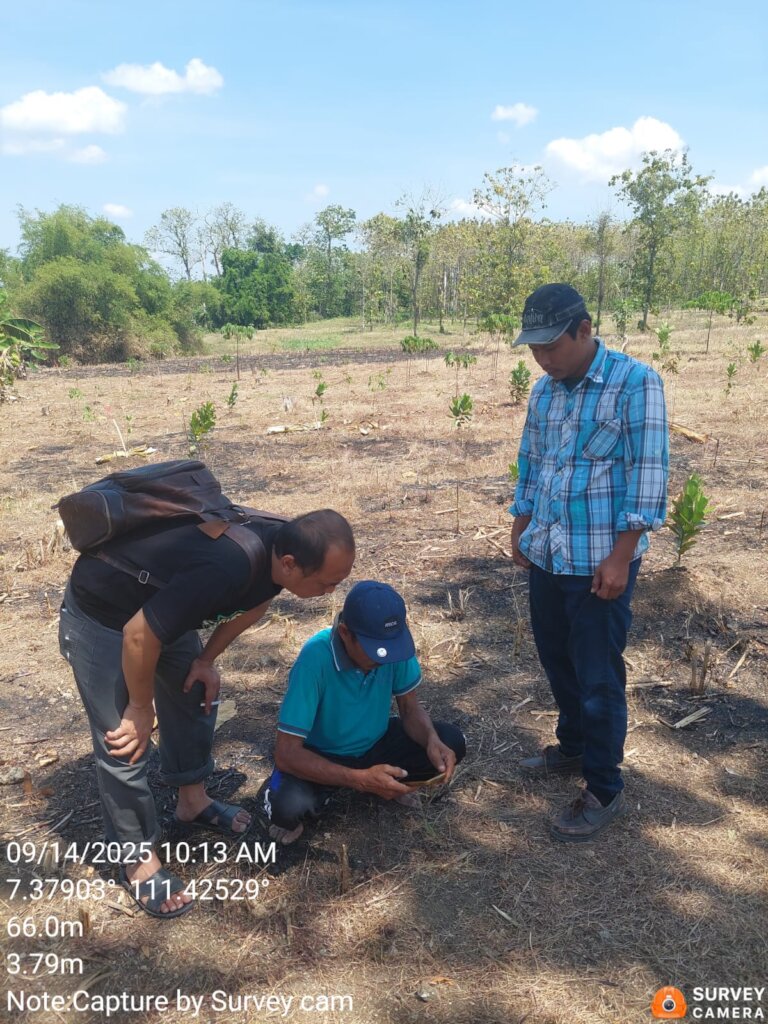
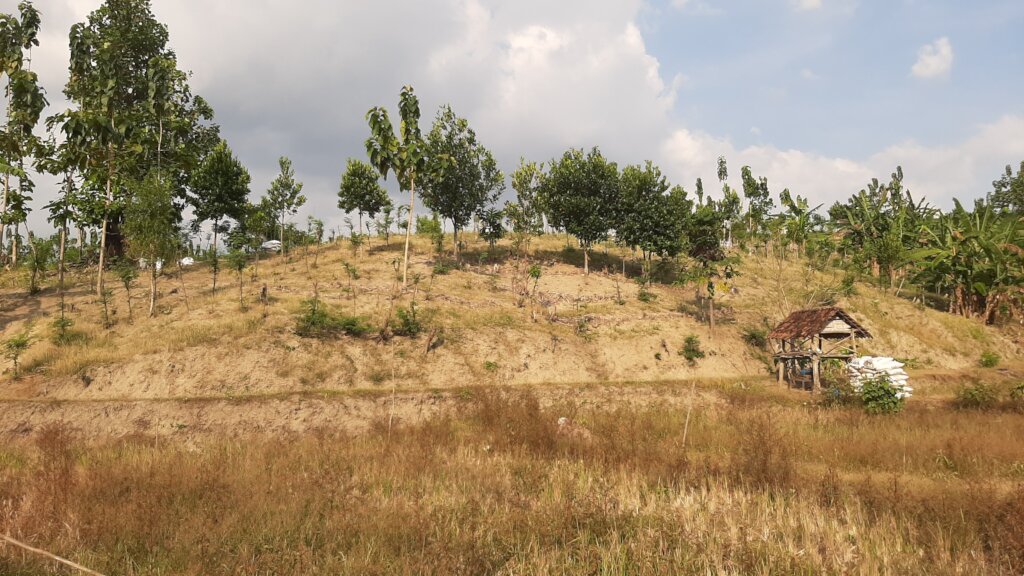
In many forest areas across Java, seasonal monoculture farming has become the dominant land-use practice. Crops such as corn and other short-cycle commodities are often chosen because they generate quick income and are relatively easy to market. However, over time, this system has led to serious ecological consequences: declining soil fertility, increased erosion, reduced water absorption, and higher risks of landslides and flooding.
Replacing monoculture with agroforestry is not merely a technical adjustment—it is a transformation in how landscapes are managed.
Why Monoculture Needs to Change
Seasonal monoculture systems tend to:
Rapidly deplete soil nutrients
Depend heavily on chemical fertilizers
Increase vulnerability to pests and diseases
Remove permanent tree cover
Encourage land expansion when productivity declines
In the fragile and densely populated landscapes of Java, this cycle accelerates land degradation and intensifies pressure on forest ecosystems.
Agroforestry as a Regenerative Alternative
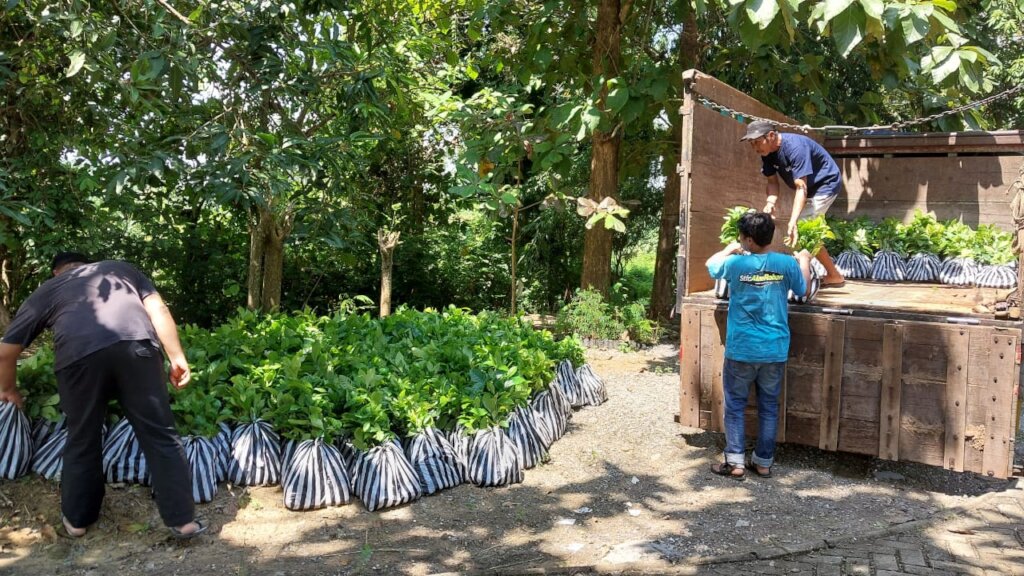
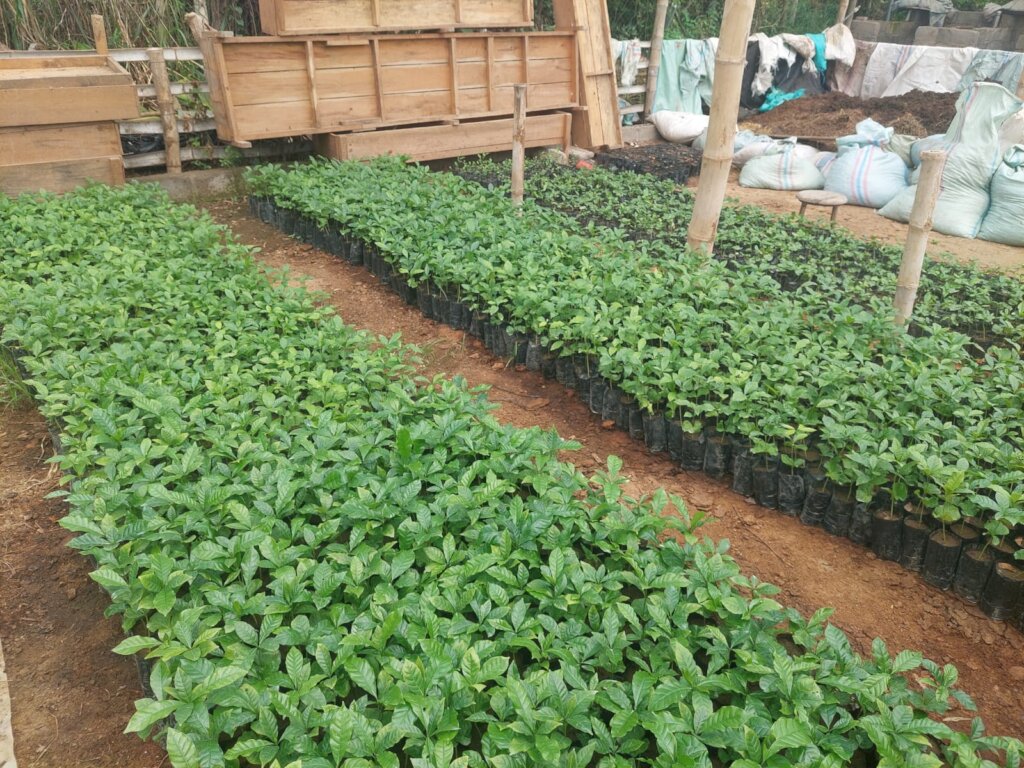
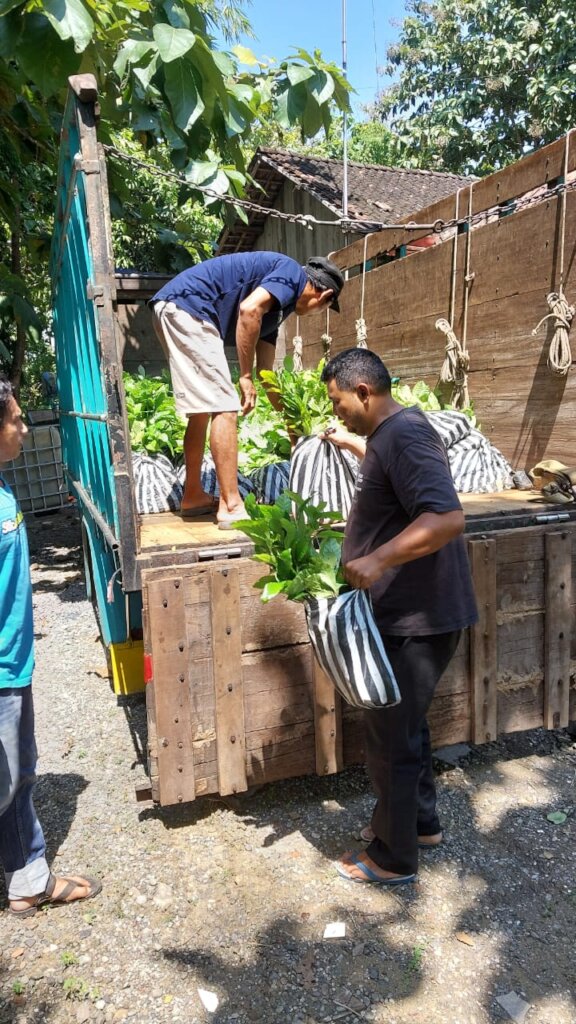
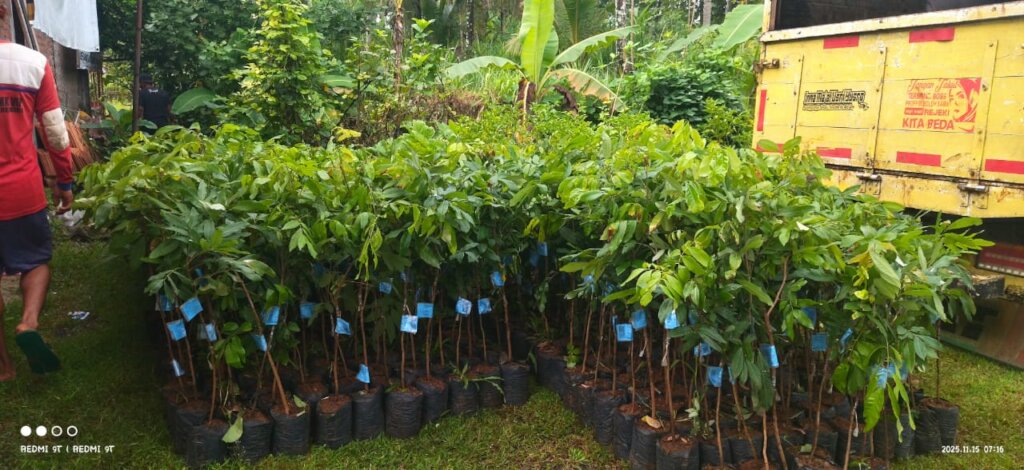
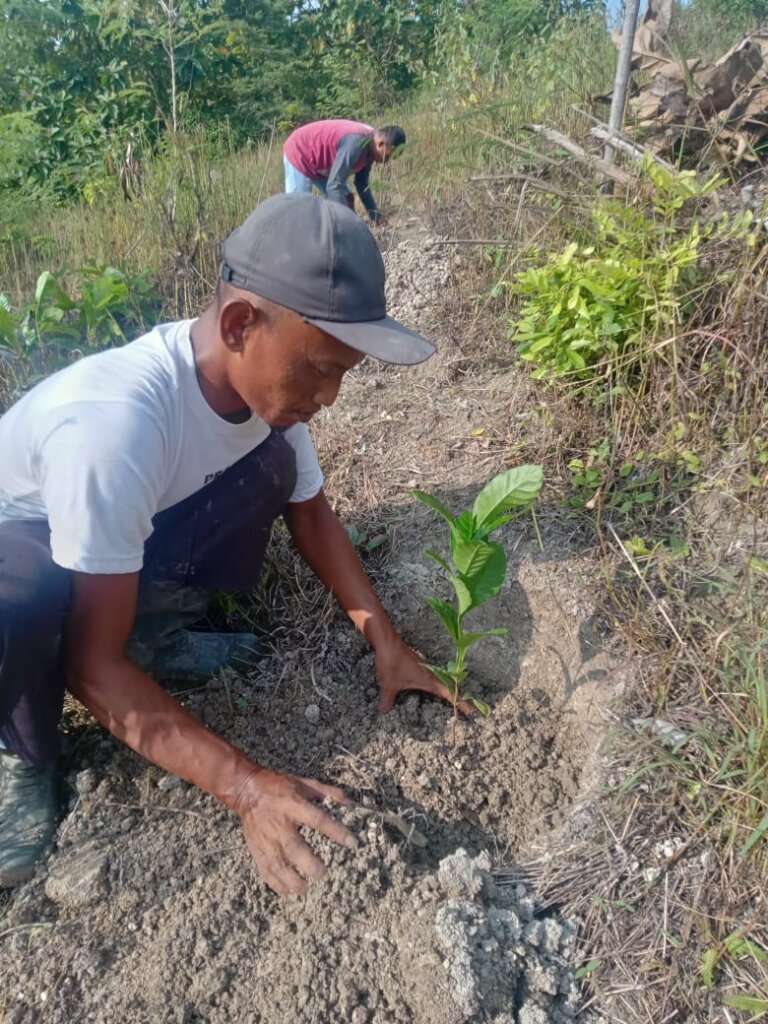
Agroforestry introduces a multi-layered system that integrates forestry trees with cultivated crops such as coffee, spices, or fruit. Instead of leaving land exposed, agroforestry maintains permanent tree cover that:
Stabilizes soil and reduces erosion
Increases organic matter through leaf litter
Enhances moisture retention and microclimate stability
Supports biodiversity
For example, shade-grown coffee cultivated under protective tree canopies allows production to continue while maintaining ecological functions.
Impacts on Livelihoods and Conservation
Transitioning from monoculture to agroforestry also improves farmers’ economic resilience. Diversified systems provide layered income streams—from coffee harvests, fruit production, timber species, and other forest-based products—reducing dependence on a single crop or growing season.
With more stable income and improved soil productivity, the incentive to clear additional forest land declines. Conservation becomes embedded within the production system rather than standing in opposition to it.
Toward a More Balanced Landscape
This transformation requires:
Technical training and continuous facilitation
Strengthened farmer group institutions
Clear spatial planning between production zones and conservation areas
Economic incentives that support sustainable systems
Replacing monoculture with agroforestry builds a more resilient landscape—ecologically and economically.
Forests remain standing.
Soil fertility is restored.
Communities gain a more secure future.
In Java’s forest landscapes, changing production systems is key to achieving long-term conservation.
Project reports on GlobalGiving are posted directly to globalgiving.org by Project Leaders as they are completed, generally every 3-4 months. To protect the integrity of these documents, GlobalGiving does not alter them; therefore you may find some language or formatting issues.
If you donate to this project or have donated to this project, you can receive an email when this project posts a report. You can also subscribe for reports without donating.



Support this important cause by creating a personalized fundraising page.
Start a Fundraiser