By Nur Abdullah | Project Staff
Introduction
The “Plant 100,000 Trees in Indonesia’s Forests” initiative continues to evolve beyond tree planting activities alone. As forest degradation in Java is closely linked to rural economic vulnerability, monoculture agriculture, and declining ecological resilience, the program increasingly focuses on building integrated conservation systems that combine restoration, agroforestry, and community economic empowerment.
In 2026, the project is concentrating on several strategic follow-up activities aimed at strengthening long-term restoration efforts in Yogyakarta and Central Java. These initiatives are designed not only to increase tree cover, but also to establish practical models for sustainable landscape management that can be replicated by surrounding communities.
1. Establishment of an Agroforestry Demonstration Plot in Bantul, Yogyakarta
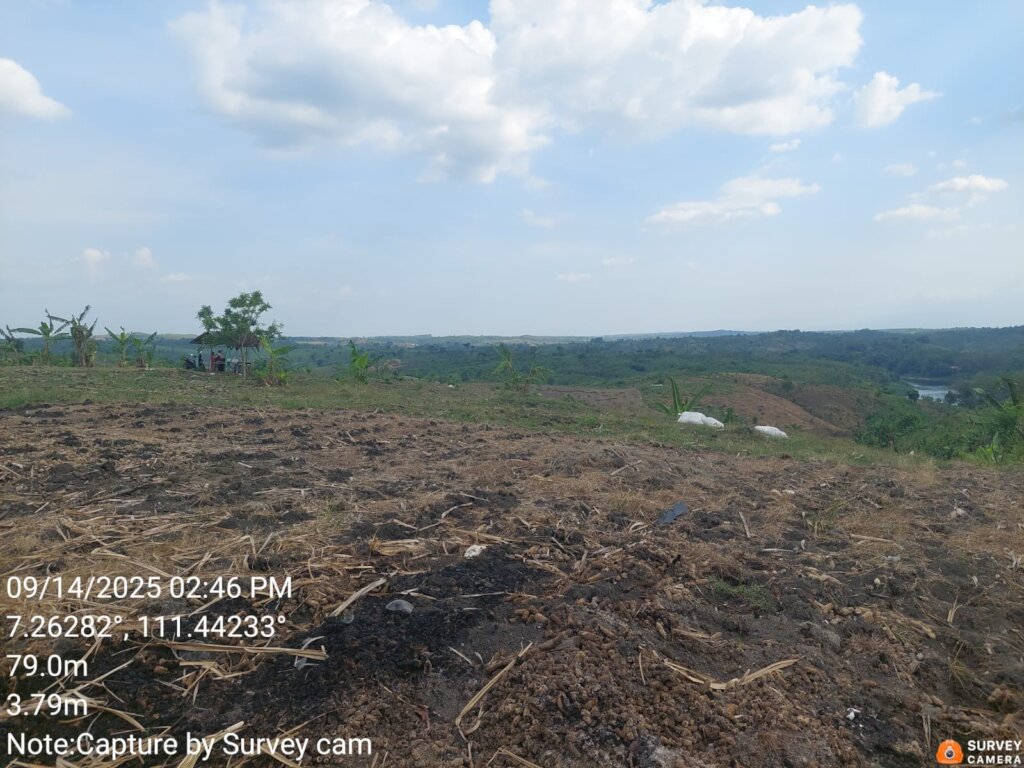
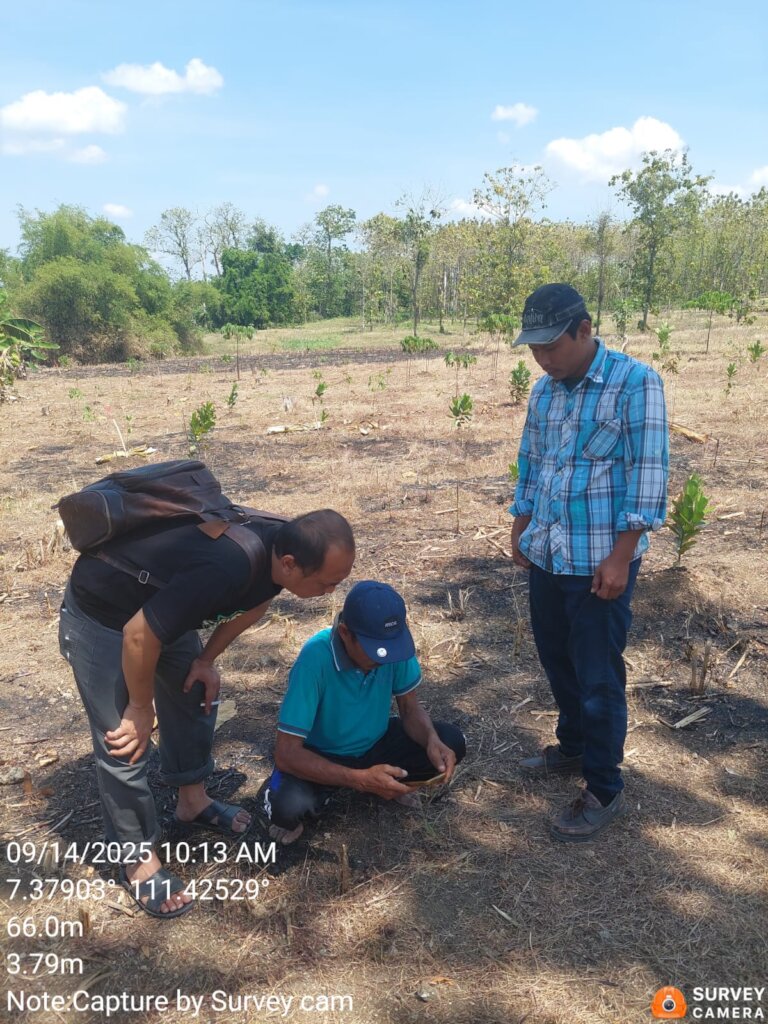
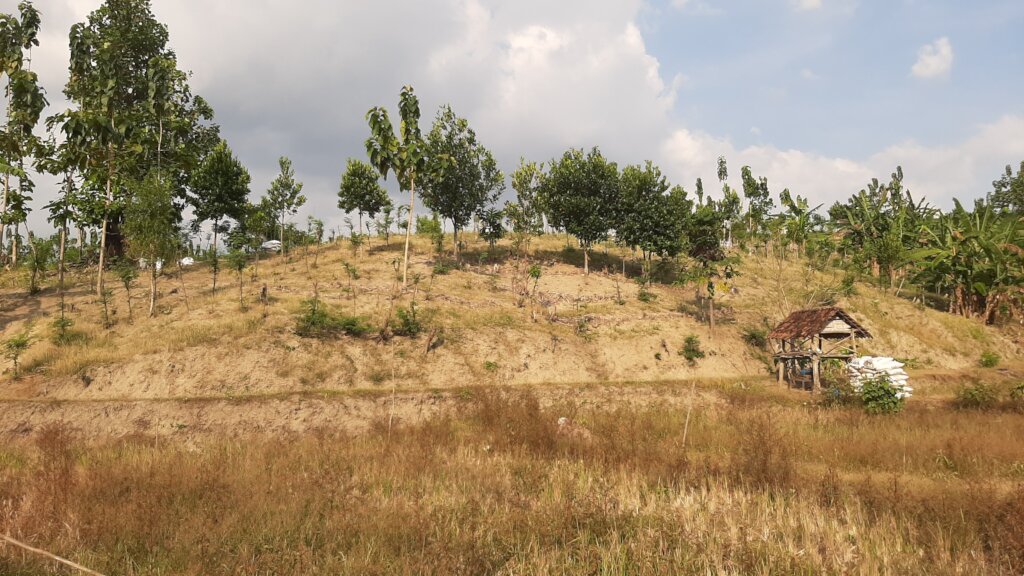
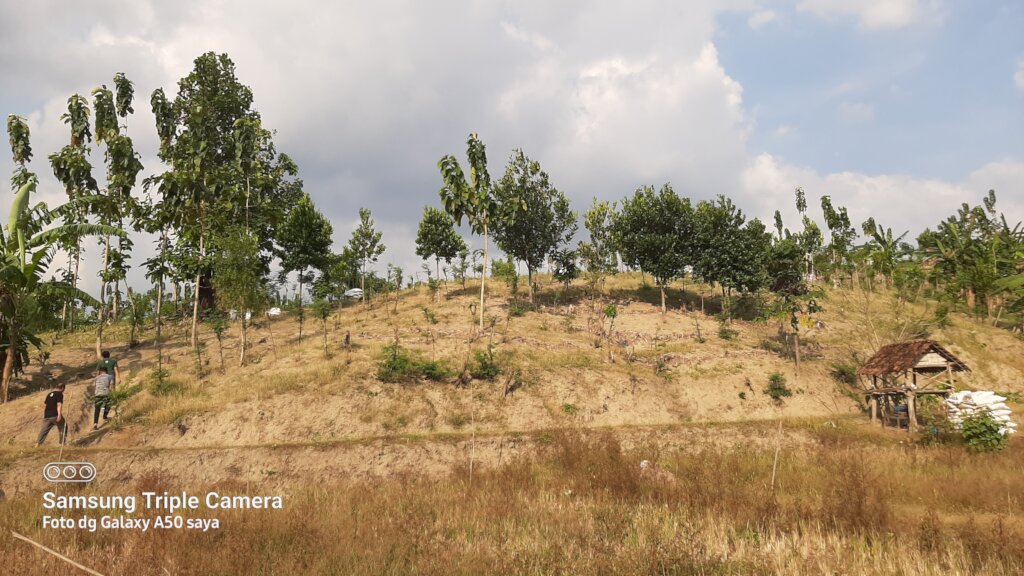
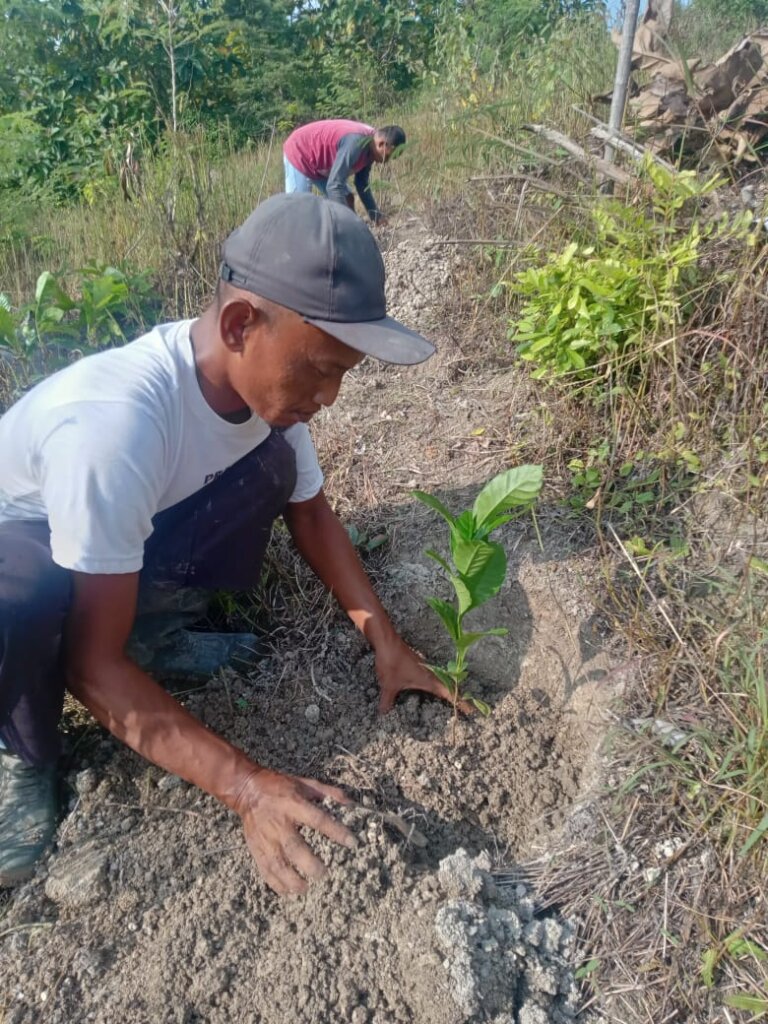
One of the program’s primary activities in 2026 is the development of a 2-hectare agroforestry demonstration plot in Bantul, Yogyakarta. This site is designed as an experimental and educational agroforestry landscape developed entirely from the ground up.
The demonstration plot integrates a wide variety of plant species within a multi-layered agroforestry system, including:
The area is designed to function not only as a productive landscape, but also as a learning center for farmers, conservation groups, and local communities. Through hands-on practice, participants can learn how agroforestry systems operate as an alternative to extractive monoculture farming.
The demonstration plot also serves as a model for integrating ecological restoration with rural livelihoods. The layered vegetation structure is expected to improve soil fertility, strengthen water retention, reduce erosion, and support biodiversity while simultaneously generating long-term economic value for communities.
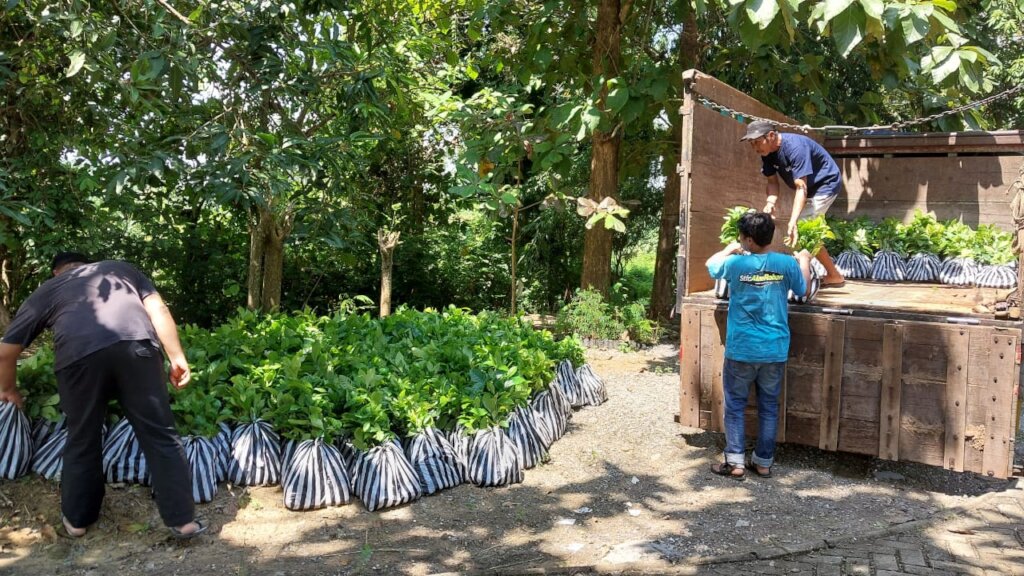
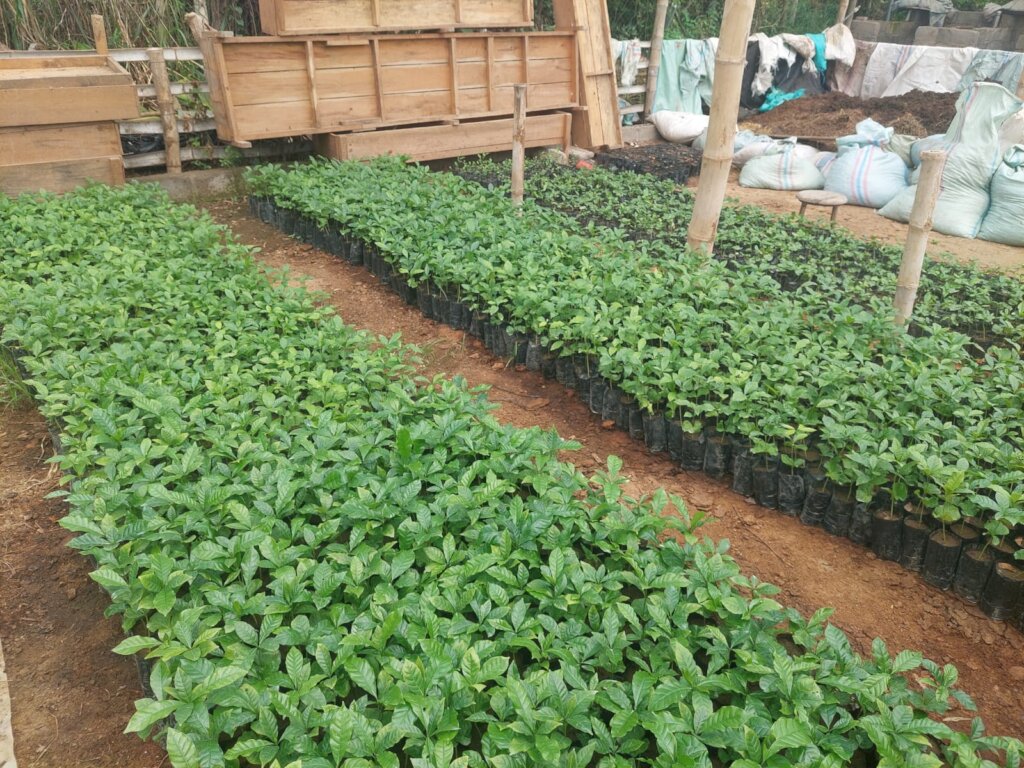
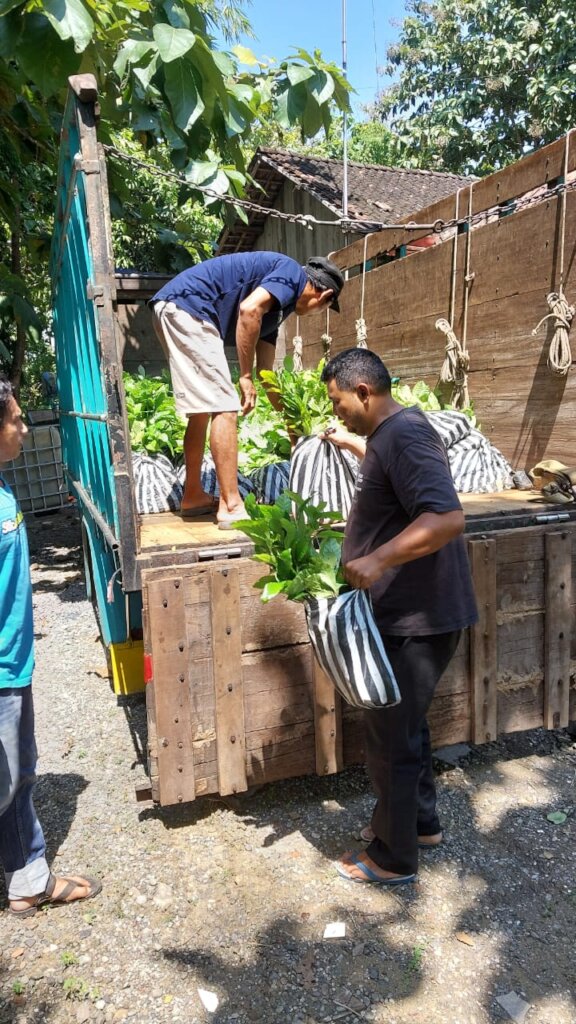
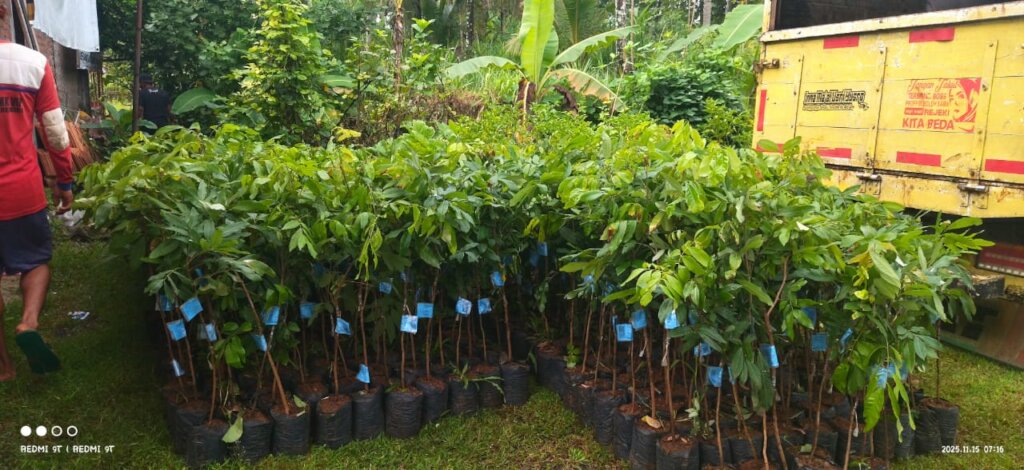
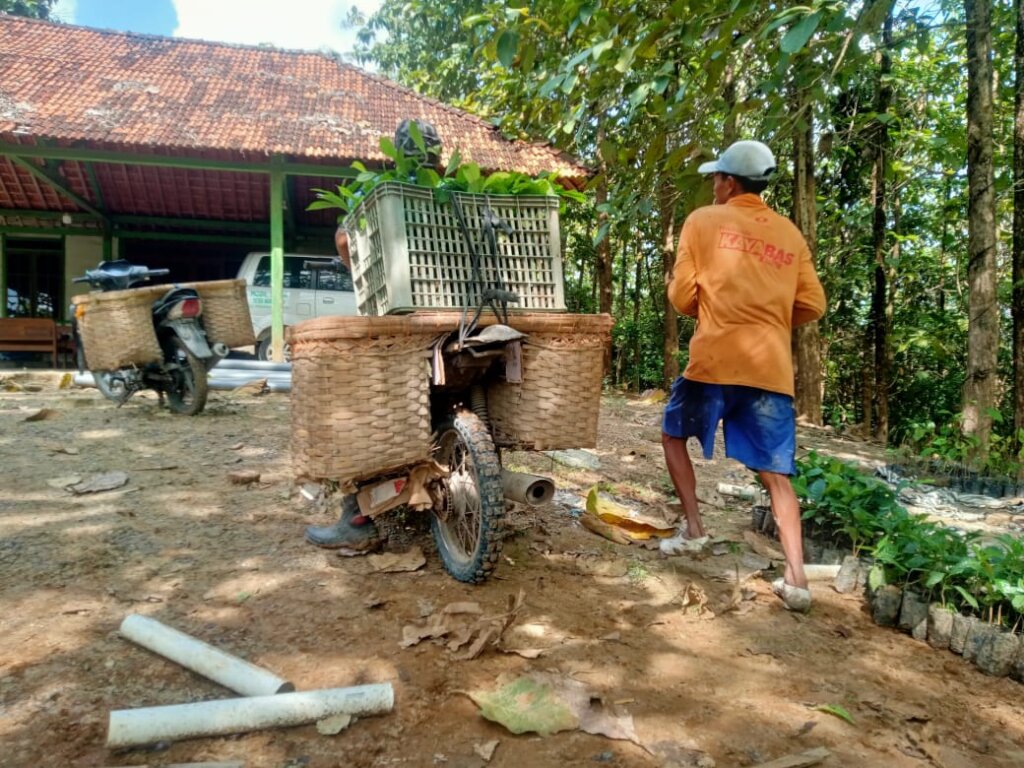
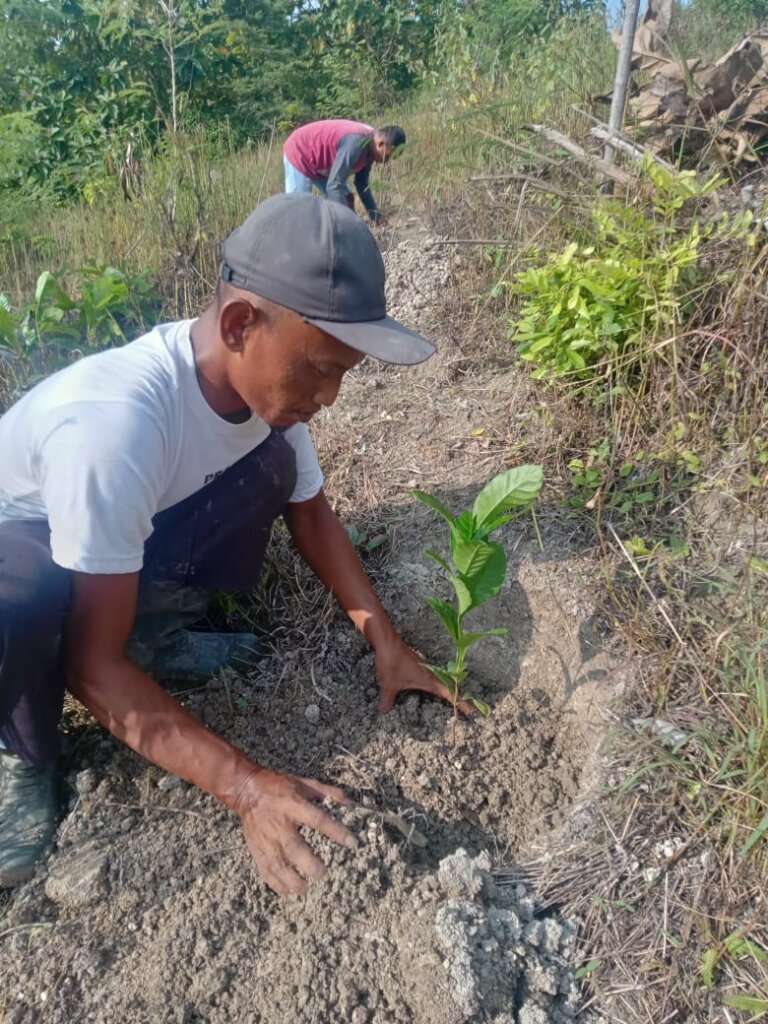
2. Preparation of 20,000 Seedlings for Forest Restoration in Blora
The project is currently preparing approximately 20,000 seedlings consisting of:
These seedlings are scheduled for distribution in December 2026 to communities in one village located in Ngambong Subdistrict, Blora Regency.
This initiative aims to strengthen local efforts to restore degraded forest landscapes previously dominated by teak forestry systems. Over time, many former teak forest areas have experienced ecological decline, reduced biodiversity, and increased pressure from unsustainable land use practices.
By introducing diversified agroforestry systems, the project seeks to support the transition from monoculture-based landscapes toward more resilient and ecologically balanced systems. Communities are expected to play a central role in maintaining and managing these restored landscapes.
3. Strengthening Organic Fertilizer Production for Forest Conservation
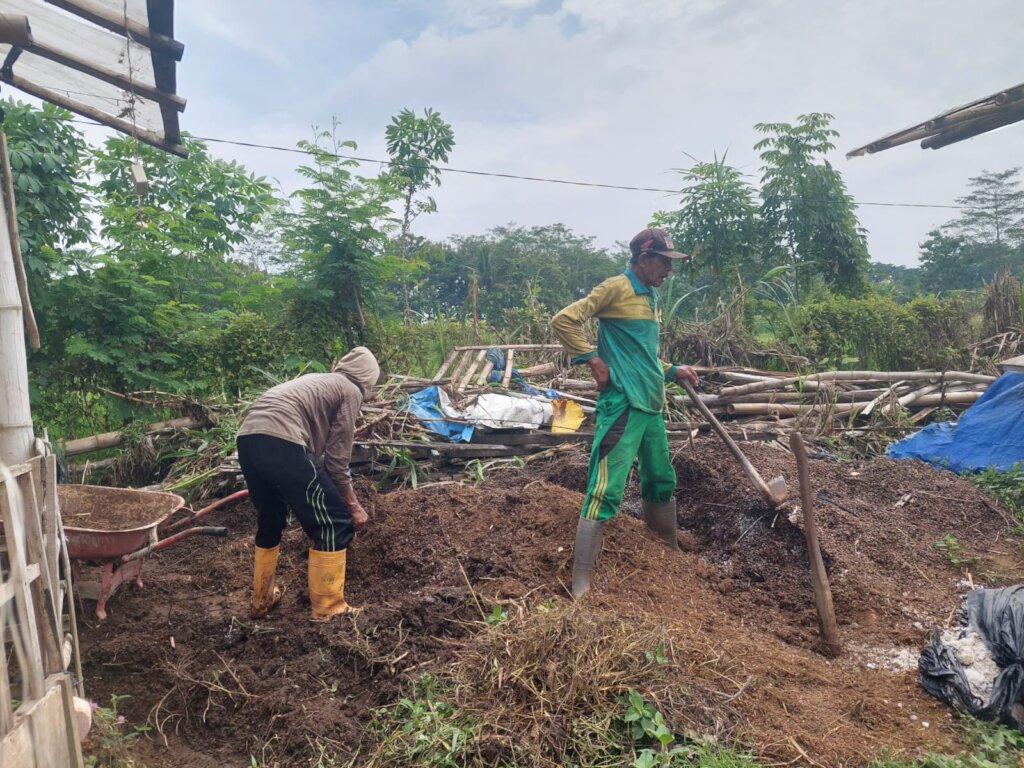
Another key component of the program is the strengthening of organic fertilizer production derived from sheep manure. Community-managed sheep farming has become an important supporting element within the broader conservation approach.
Sheep manure is processed into high-standard organic fertilizer to support agroforestry and conservation planting activities. This initiative contributes to several interconnected objectives:
The integration of livestock, organic fertilizer production, and agroforestry demonstrates how conservation can be linked directly with local economic systems. Waste from livestock becomes a productive resource that supports land restoration and sustainable agriculture.
Conclusion
The project’s ongoing activities demonstrate a broader transition from conventional tree planting toward integrated landscape restoration and community-based conservation. Through agroforestry demonstration plots, seedling preparation, and circular economy initiatives, the program seeks to create restoration models that are ecologically sustainable, economically viable, and socially inclusive.
Rather than focusing solely on planting trees, the initiative aims to build long-term systems where communities become active stewards of forest landscapes.
Project reports on GlobalGiving are posted directly to globalgiving.org by Project Leaders as they are completed, generally every 3-4 months. To protect the integrity of these documents, GlobalGiving does not alter them; therefore you may find some language or formatting issues.
If you donate to this project or have donated to this project, you can receive an email when this project posts a report. You can also subscribe for reports without donating.



Support this important cause by creating a personalized fundraising page.
Start a Fundraiser