By mufid | Project Staff
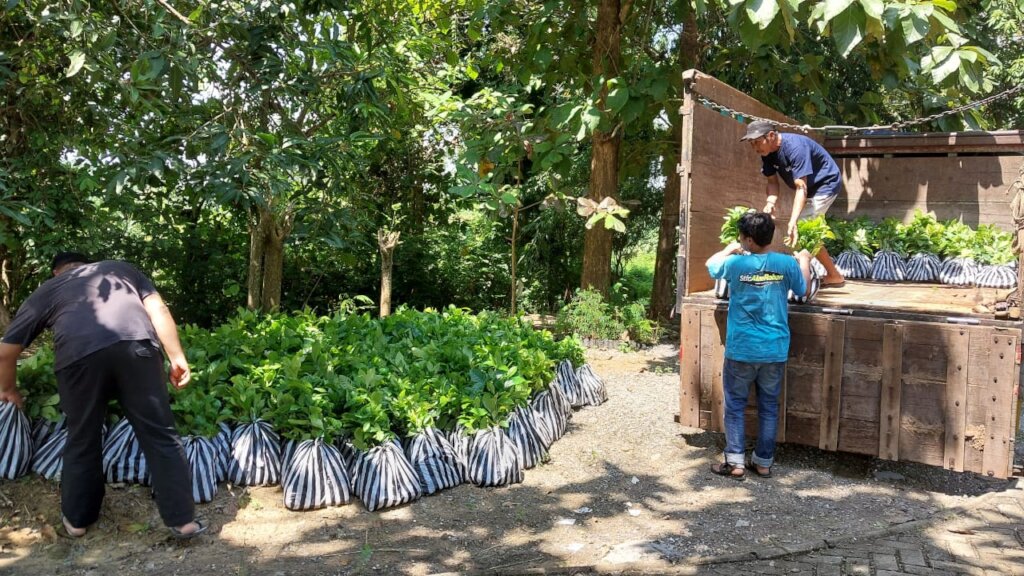
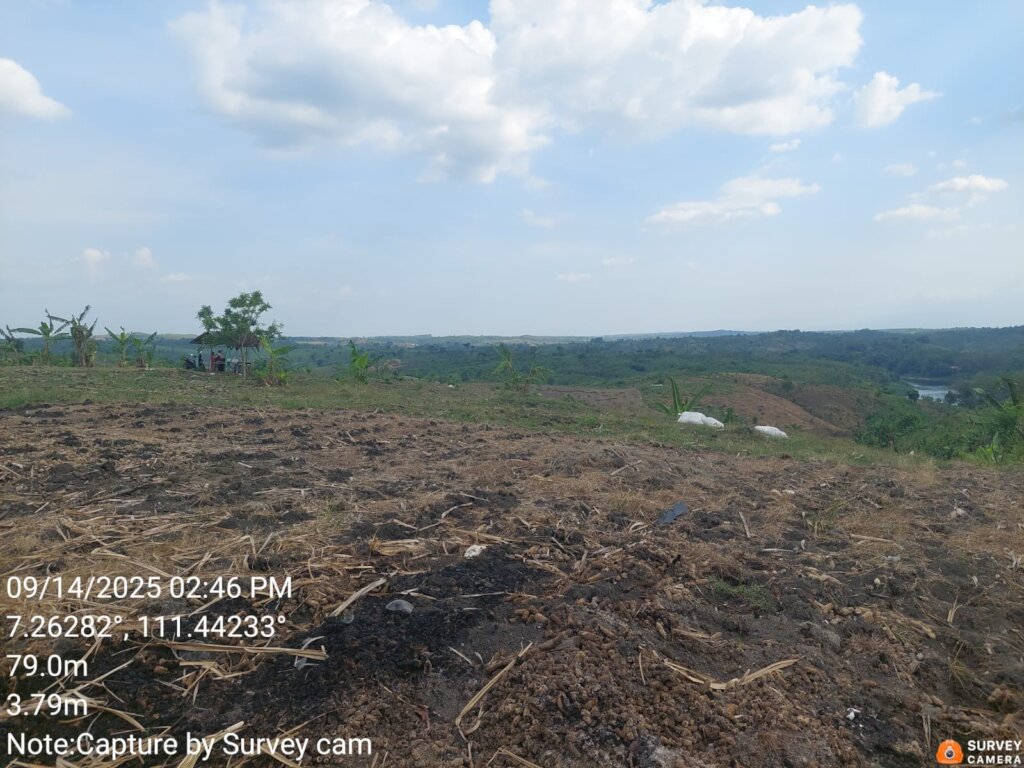
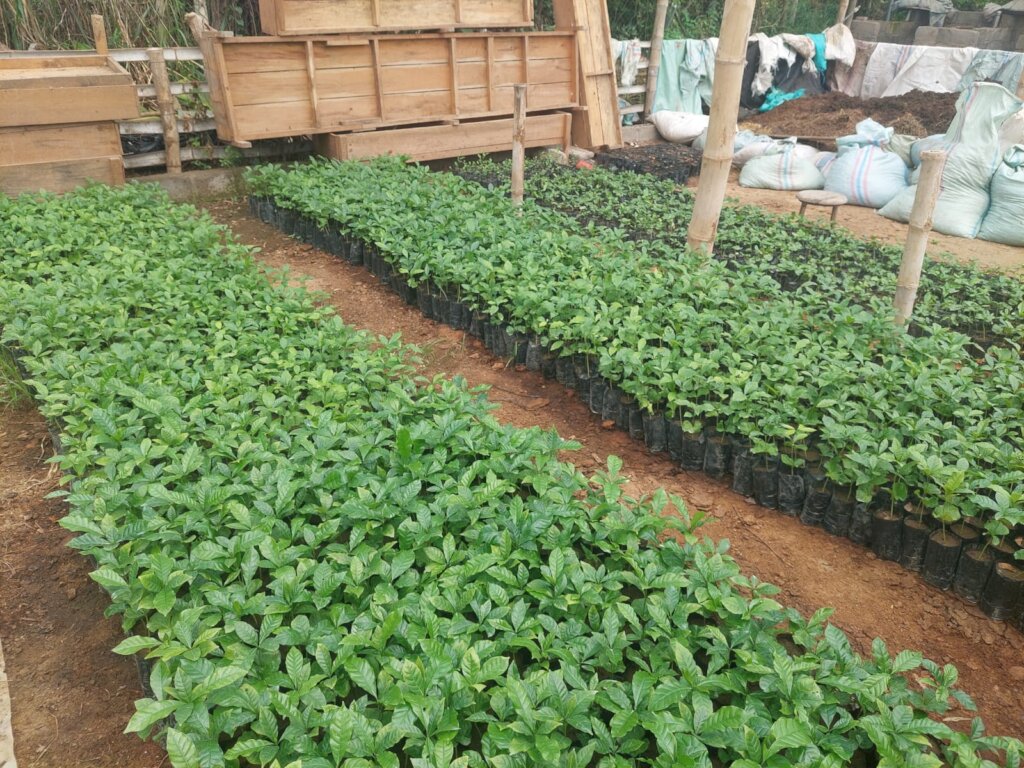
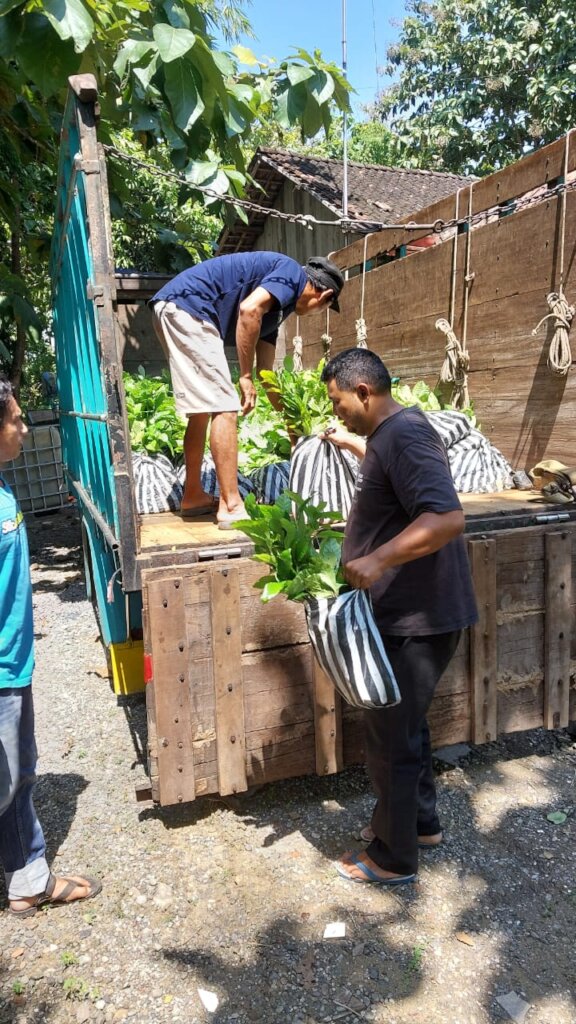
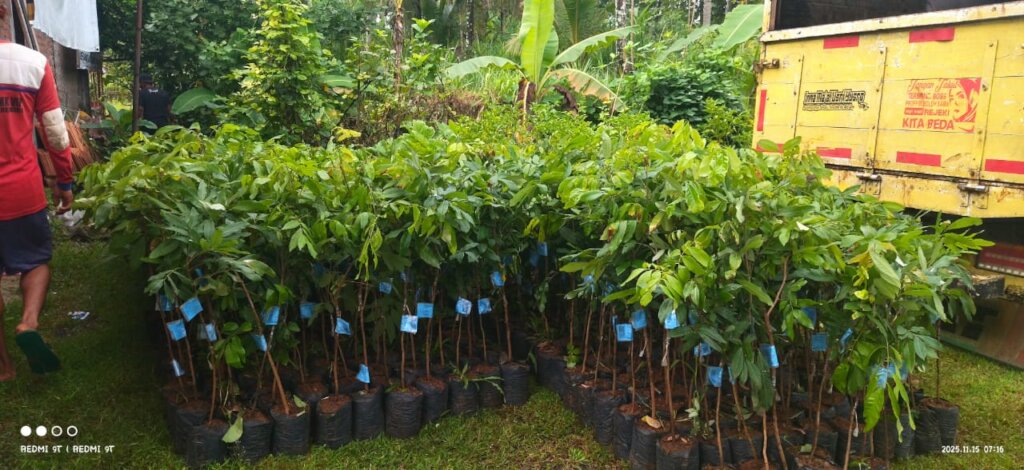
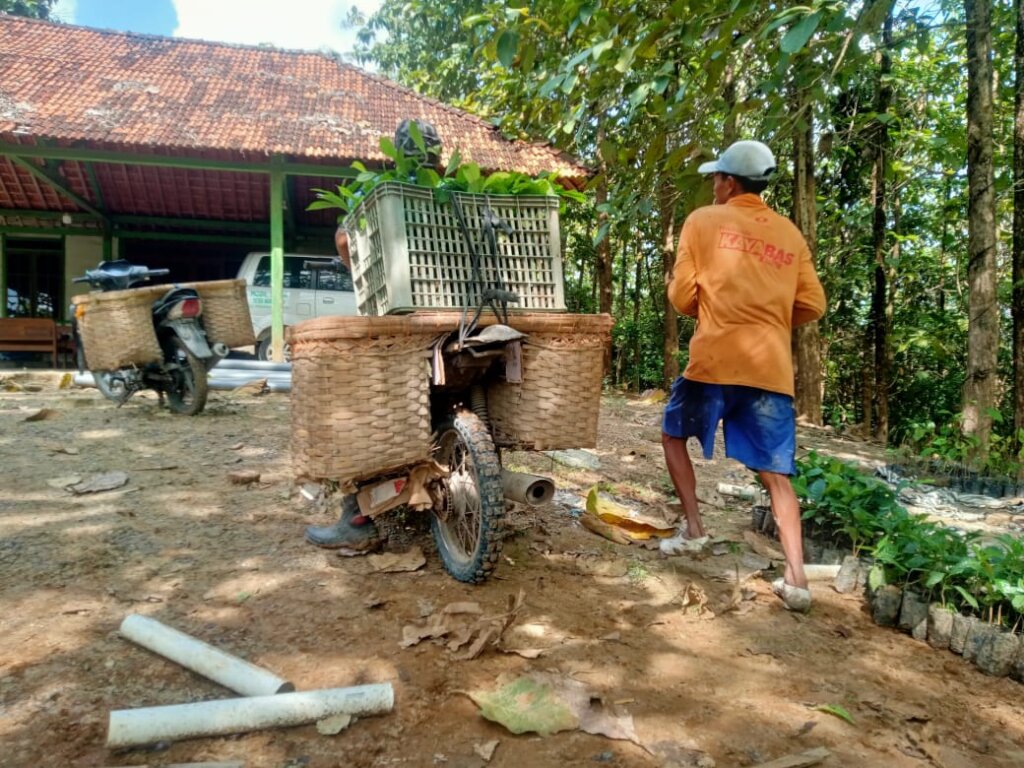
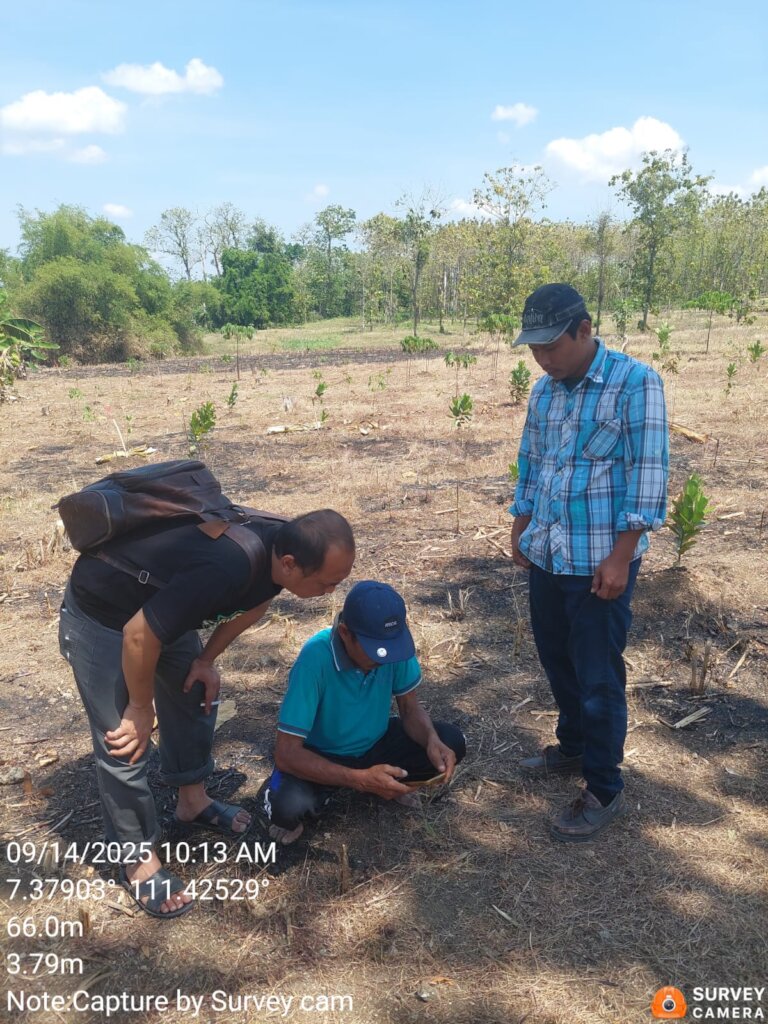
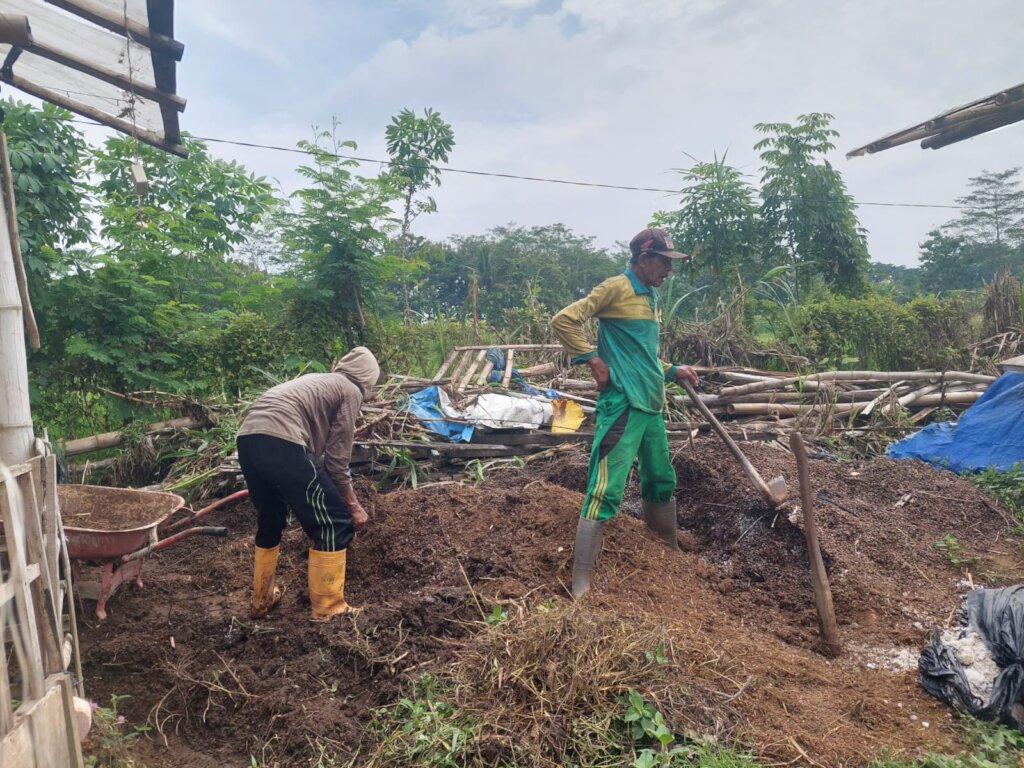
As forest degradation continues to threaten many landscapes in Java, Indonesia, there is an increasing need for conservation approaches that can balance ecological restoration with sustainable rural livelihoods. One promising solution is the development of agroforestry systems centered around Liberica coffee.
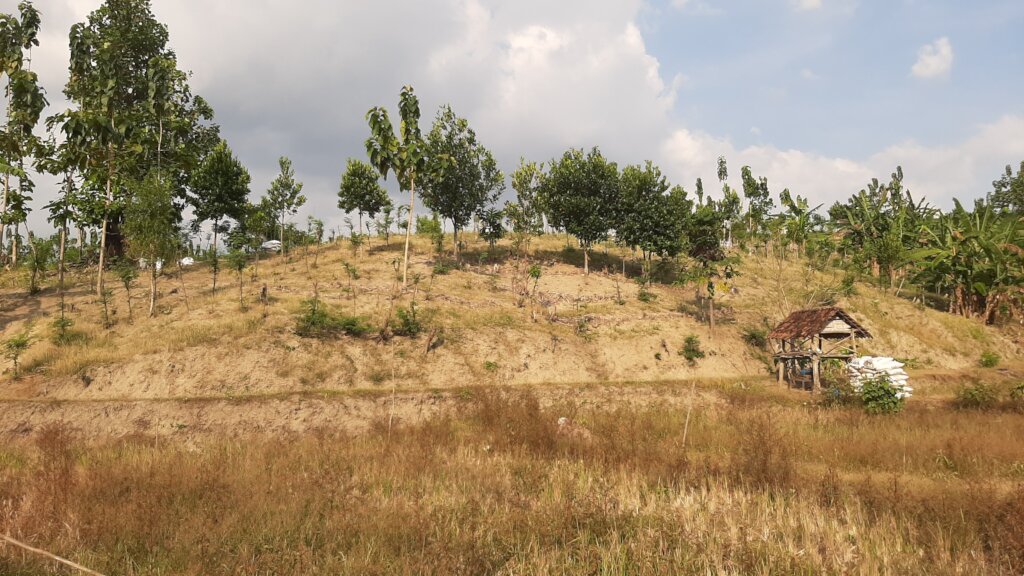
Unlike conventional monoculture farming systems that often accelerate land degradation and increase pressure on forest areas, Liberica coffee agroforestry offers a more adaptive and environmentally sustainable approach. By integrating coffee cultivation with timber trees, fruit crops, and conservation species, communities can restore degraded landscapes while maintaining productive economic activities.
Why Liberica Coffee?
Liberica coffee has several characteristics that make it particularly suitable for forest-edge agroforestry systems in Indonesia.
Adaptability to Marginal Lands
Liberica coffee is relatively tolerant of poor soil conditions and can grow in degraded or marginal lands where other crops may struggle. This makes it highly relevant for restoration areas that have experienced ecological decline.
Suitable for Shade-Grown Systems
Unlike sun-intensive monoculture crops, Liberica coffee performs well under tree cover. This characteristic supports the maintenance of multi-layered vegetation structures that resemble natural forest ecosystems.
The integration of shade trees helps:
As a result, agroforestry systems become more ecologically resilient than conventional monoculture farming.
Long-Term Economic Potential
Liberica coffee also provides economic opportunities for forest communities. By combining coffee with fruit trees, timber species, and other crops, farmers can diversify their income sources while reducing economic vulnerability.
This diversification is important because conservation efforts are more sustainable when communities have stable livelihoods that do not depend on expanding agricultural land into forest areas.
Agroforestry as a Conservation Strategy
The agroforestry model developed around Liberica coffee is not simply an agricultural system—it is a landscape restoration strategy.
In this approach:
This creates a balanced system where conservation and production reinforce one another.
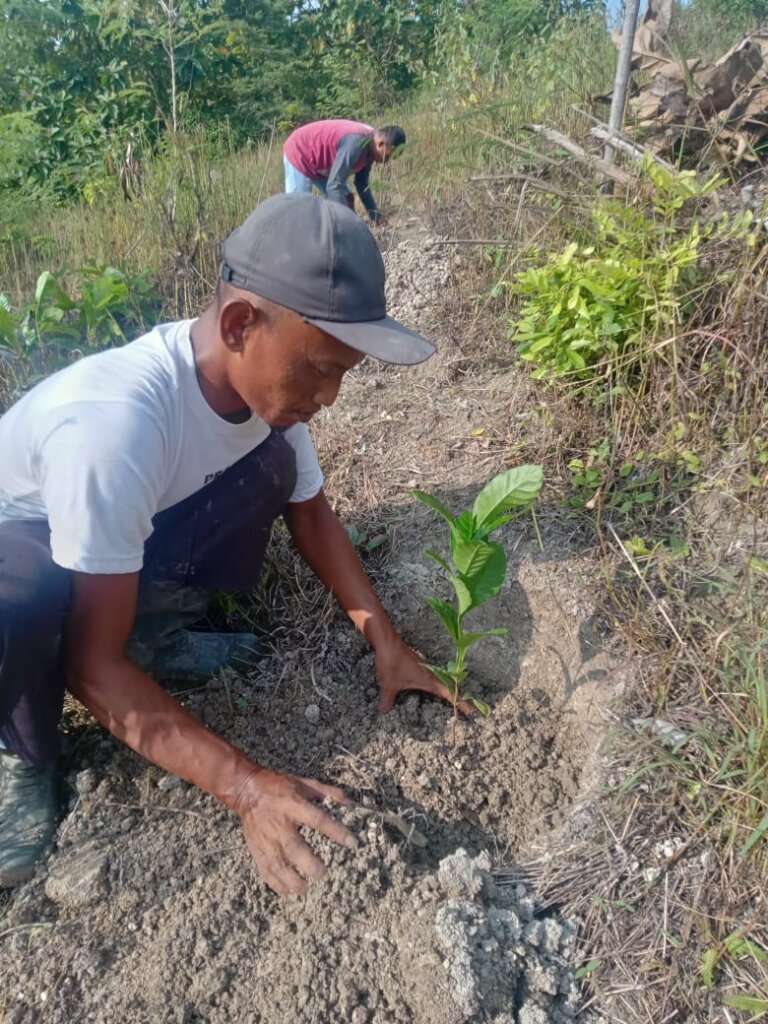
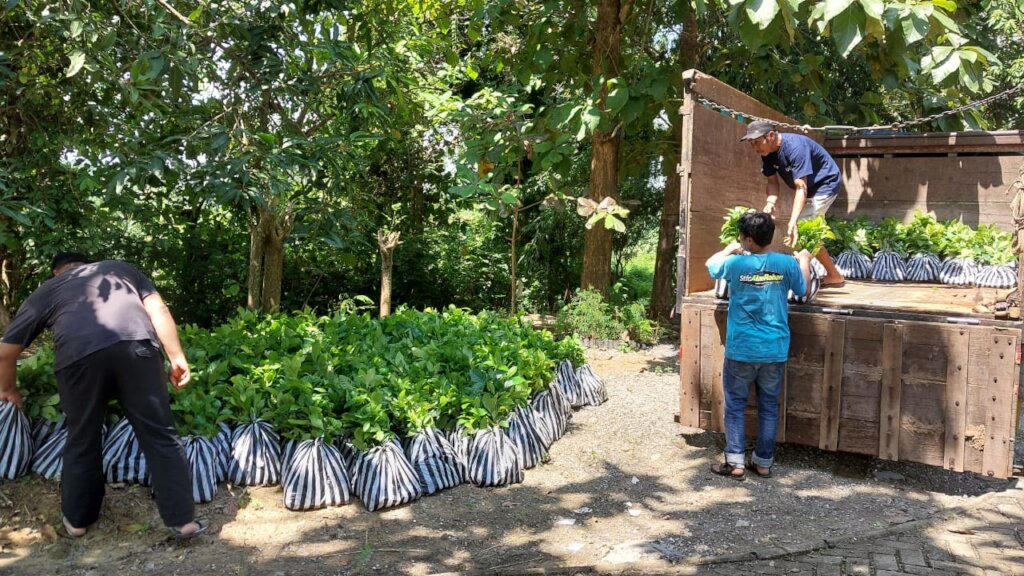
In several communities in Java, including initiatives supported by Yayasan INFEST, Liberica coffee is being introduced as part of broader efforts to restore degraded forest landscapes while strengthening local economic resilience.
Supporting Community-Based Conservation
The development of Liberica agroforestry also strengthens community participation in conservation. Farmers become active managers of restoration landscapes rather than passive beneficiaries of conservation programs.
Through agroforestry:
This community-based approach is particularly important in densely populated regions such as Java, where conservation success depends heavily on local participation.
Liberica coffee has significant potential to support forest conservation through agroforestry systems in Indonesia. Its adaptability, compatibility with shaded landscapes, and economic value make it an important commodity for developing restoration-based rural economies.
Project reports on GlobalGiving are posted directly to globalgiving.org by Project Leaders as they are completed, generally every 3-4 months. To protect the integrity of these documents, GlobalGiving does not alter them; therefore you may find some language or formatting issues.
If you donate to this project or have donated to this project, you can receive an email when this project posts a report. You can also subscribe for reports without donating.



Support this important cause by creating a personalized fundraising page.
Start a Fundraiser