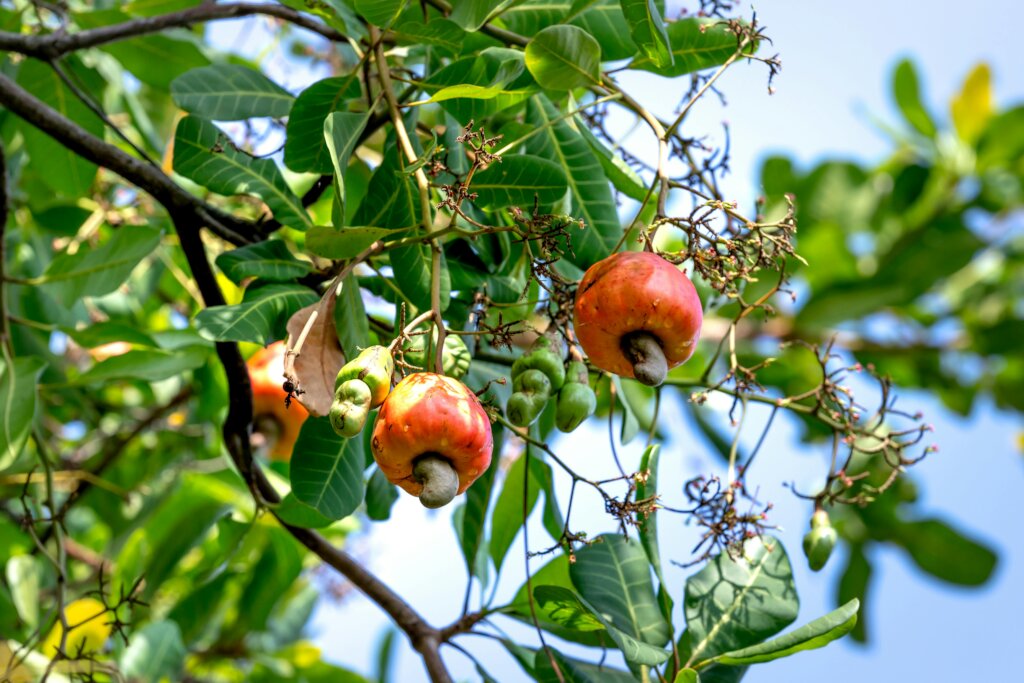
Cashew farming is one of the fastest-growing export crops in Africa, yet many smallholder farmers lack resources to plant trees that can secure long-term income. In Nigeria alone, cashew accounts for nearly 60% of total nut exports, yet most farmers own fewer than 20 trees. This project will supply seedlings, training, and tools to help farmers plant and grow cashew trees, creating sustainable livelihoods, boosting food security, and reducing poverty in rural communities.
Rural African farmers face low income due to overdependence on seasonal crops like maize and yam that have unstable market prices. Cashew, though highly demanded globally, is under-cultivated because many farmers cannot afford seedlings, tools, or technical knowledge. Without support, farmers lose out on long-term income opportunities from a crop that can yield for over 25 years. This keeps many communities in cycles of poverty and food insecurity.
This project will distribute cashew seedlings, provide training in planting and maintenance, and supply basic tools. Farmers will learn how to establish orchards that can yield nuts for local consumption and export. With technical guidance and resources, farmers can grow productive cashew trees, diversify their income sources, and reduce dependence on short-cycle crops. The project offers practical resources that will help farmers create stable and lasting sources of income.
Cashew trees live for decades, offering farmers a steady harvest and income well into the future. As trees mature, families can sell nuts locally and to export buyers, improving livelihoods and reducing poverty. Beyond income, orchards improve soil quality, reduce erosion, and contribute to climate adaptation. Community cashew farms can also generate jobs for youth and women, helping rural families build resilience against economic shocks while promoting agricultural sustainability.



Support this important cause by creating a personalized fundraising page.
Start a Fundraiser