By Betty Gisore | Grants and Administrative Assistant
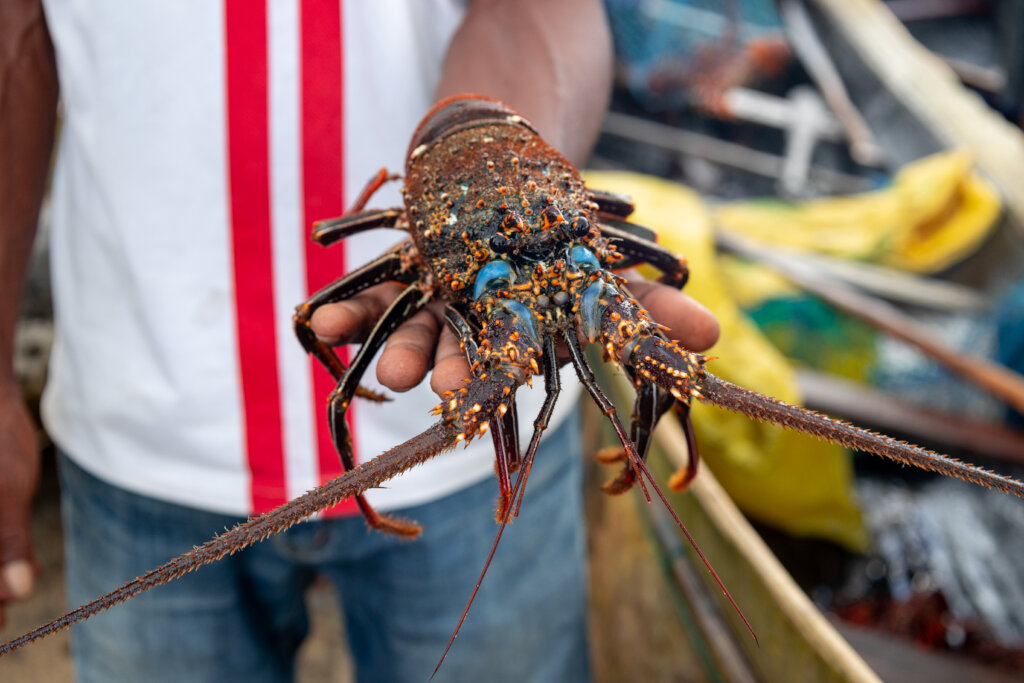
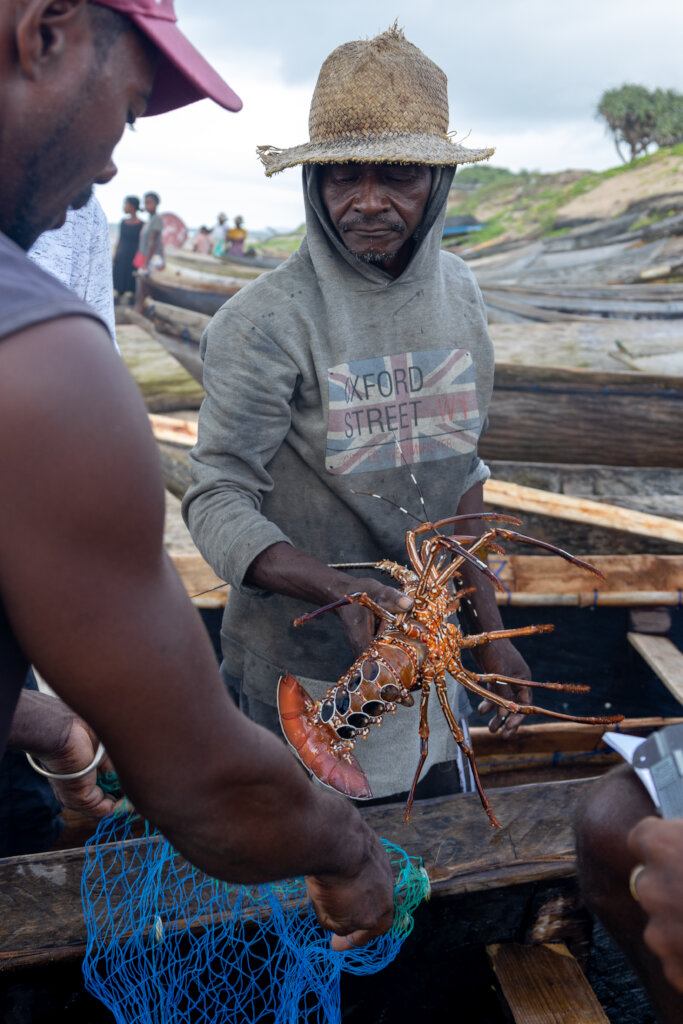
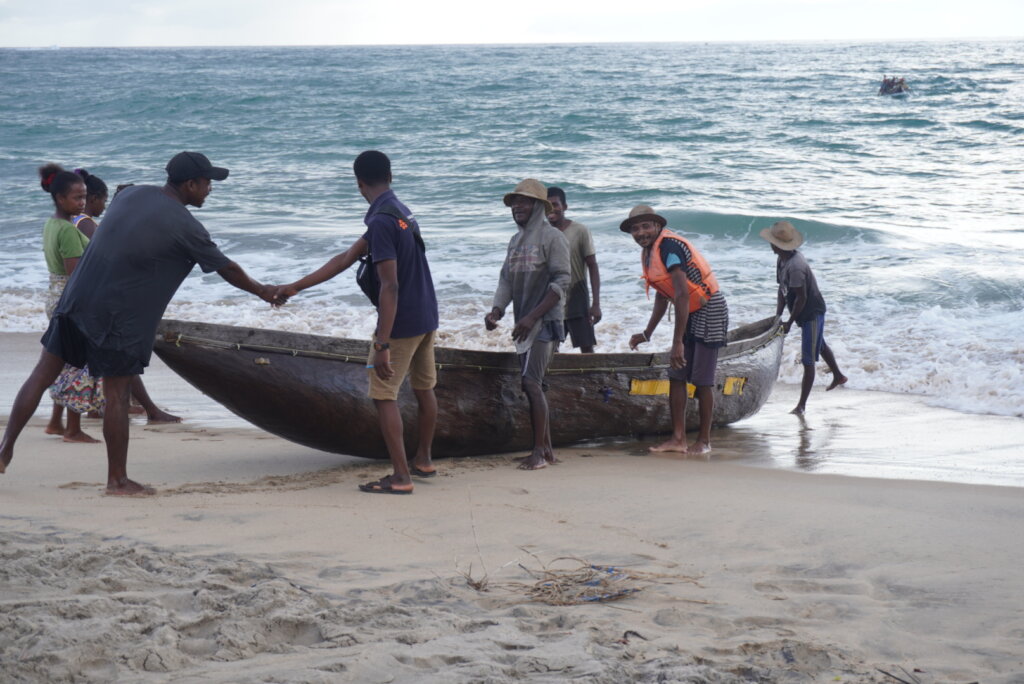
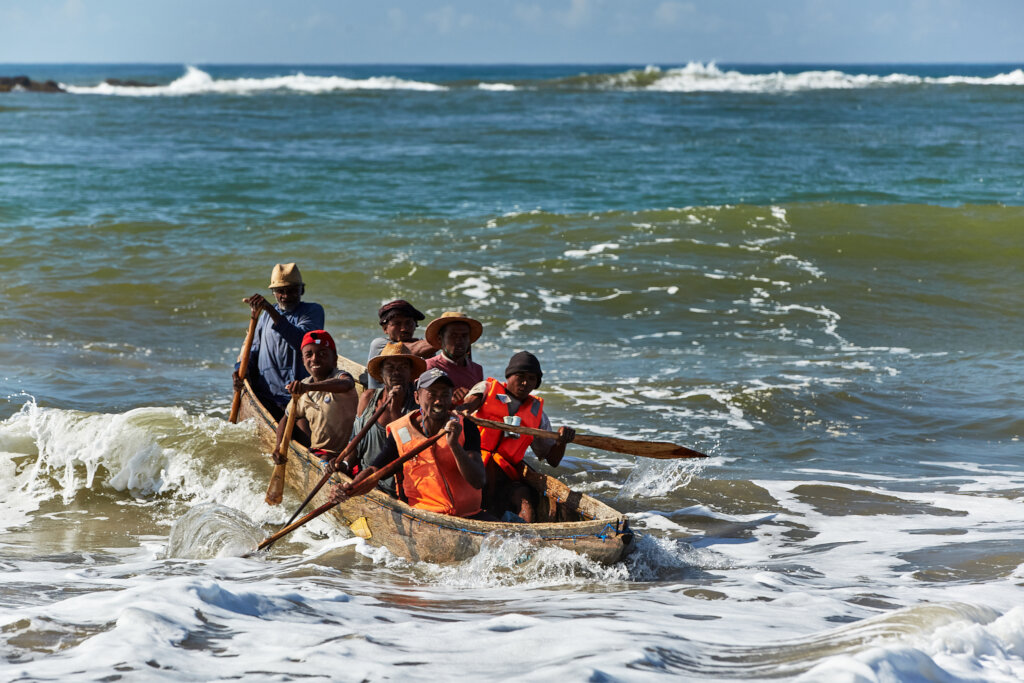
Project Oratsimba is SEED Madagascar’s long-term marine livelihoods programme, supporting coastal communities to sustainably manage the Anosy small-scale lobster fishery through locally led marine governance and sustainable fisheries management. Through previous phases, the project has supported communities to establish and manage Locally Managed Marine Areas (LMMAs) in Sainte Luce, Elodrato, and Ambanihazo, where marine resources are managed through participatory governance and locally agreed management measures. This work has been supported by Marine Management Committees (MMCs), community-based groups responsible for coordinating fisheries management activities, monitoring compliance with local rules, and supporting LMMA governance.
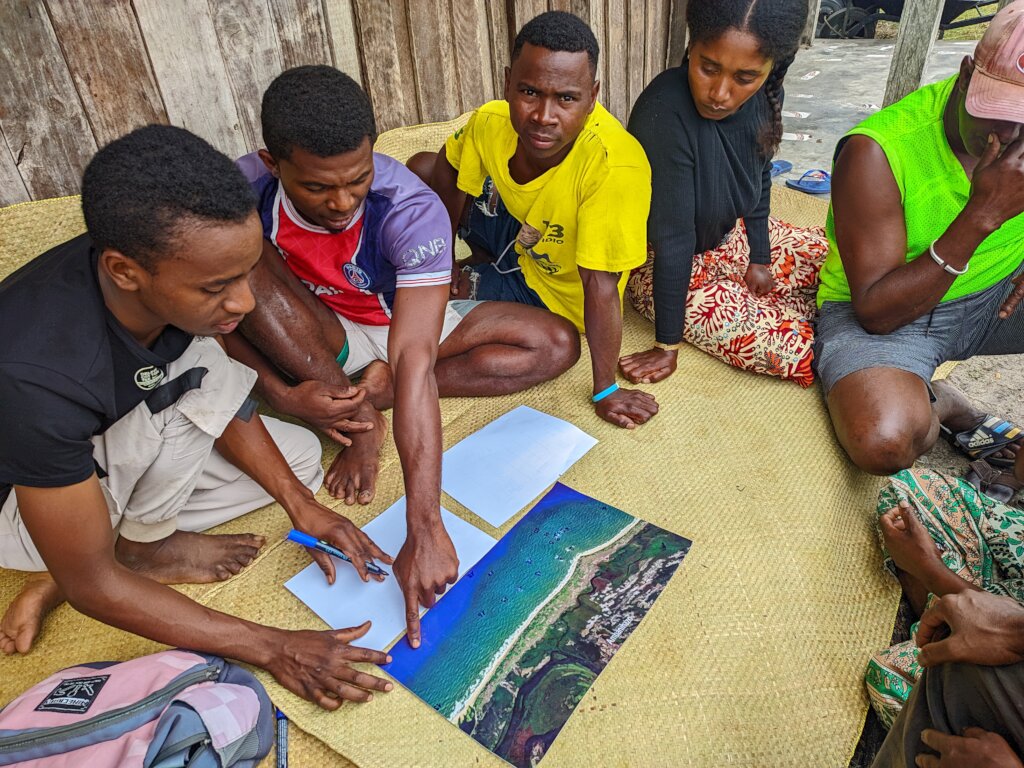
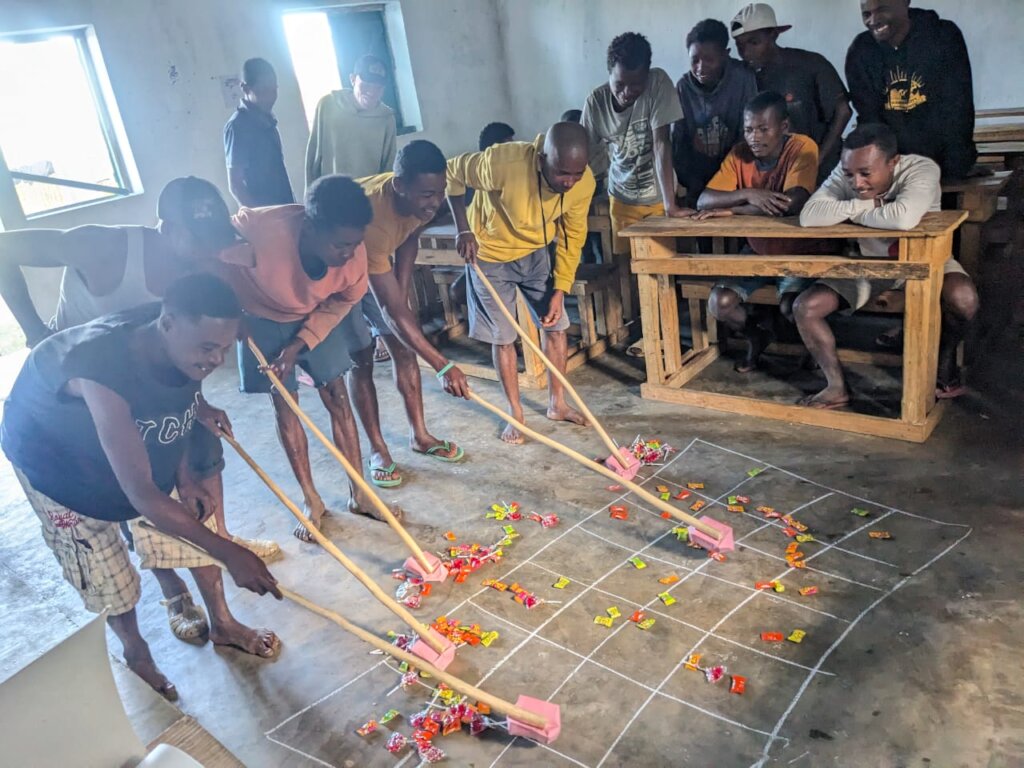
Building on these achievements, Phase V will consolidate community-led marine management in Sainte Luce, Elodrato, and Ambanihazo while expanding the programme into the neighbouring fishing community of Itapera. The phase will support the establishment of a new LMMA and MMC in Itapera, while continuing to strengthen participatory monitoring, community-led enforcement, and engagement in marine management across all project communities.
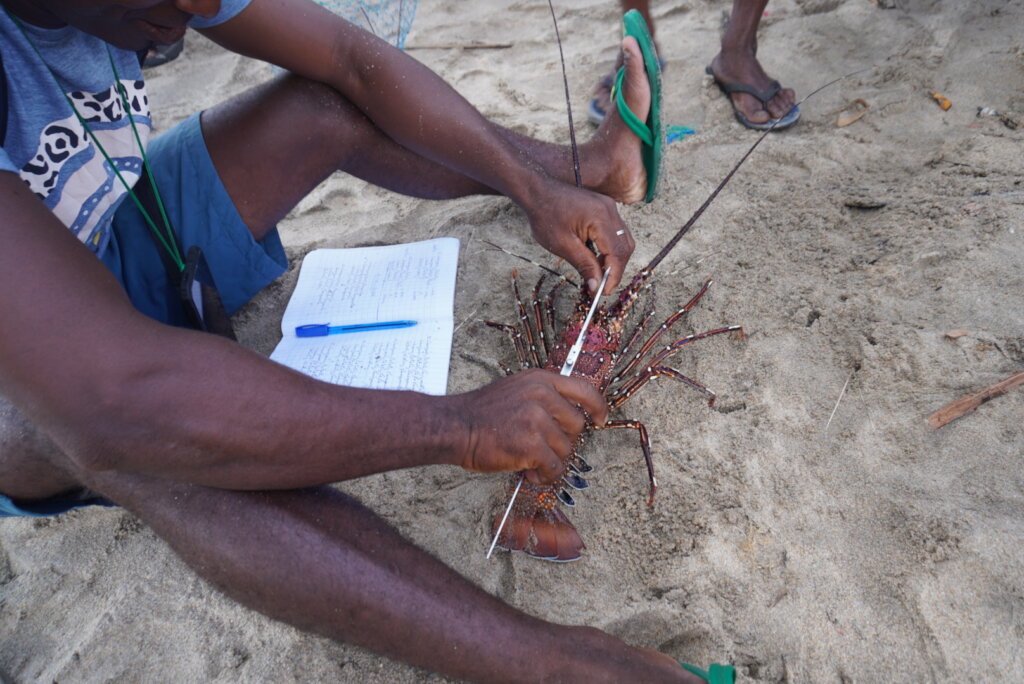
Previous phases of Project Oratsimba have established functional MMCs, participatory fisheries management systems, and locally agreed approaches for monitoring and enforcing marine management measures across Sainte Luce, Elodrato, and Ambanihazo. Increasing community ownership is demonstrated through MMCs independently organising meetings, conducting patrols, collecting fisheries data, and implementing locally agreed regulations. Phase V will build on these achievements by strengthening the effectiveness, inclusivity, and sustainability of community-led marine governance across the three established communities. At the same time, the project will establish governance systems in Itapera, where initial assessments identified both strong community interest in marine management alongside a need for approaches tailored to local governance structures and community priorities.
Your support continues to strengthen this livelihood project in Anosy Madagascar and we are very grateful.
By Frankie Bird | Programmes and Office Assistant
By Betty Gisore | Grants and Administrative Assistant
Project reports on GlobalGiving are posted directly to globalgiving.org by Project Leaders as they are completed, generally every 3-4 months. To protect the integrity of these documents, GlobalGiving does not alter them; therefore you may find some language or formatting issues.
If you donate to this project or have donated to this project, you can receive an email when this project posts a report. You can also subscribe for reports without donating.



Support this important cause by creating a personalized fundraising page.
Start a Fundraiser