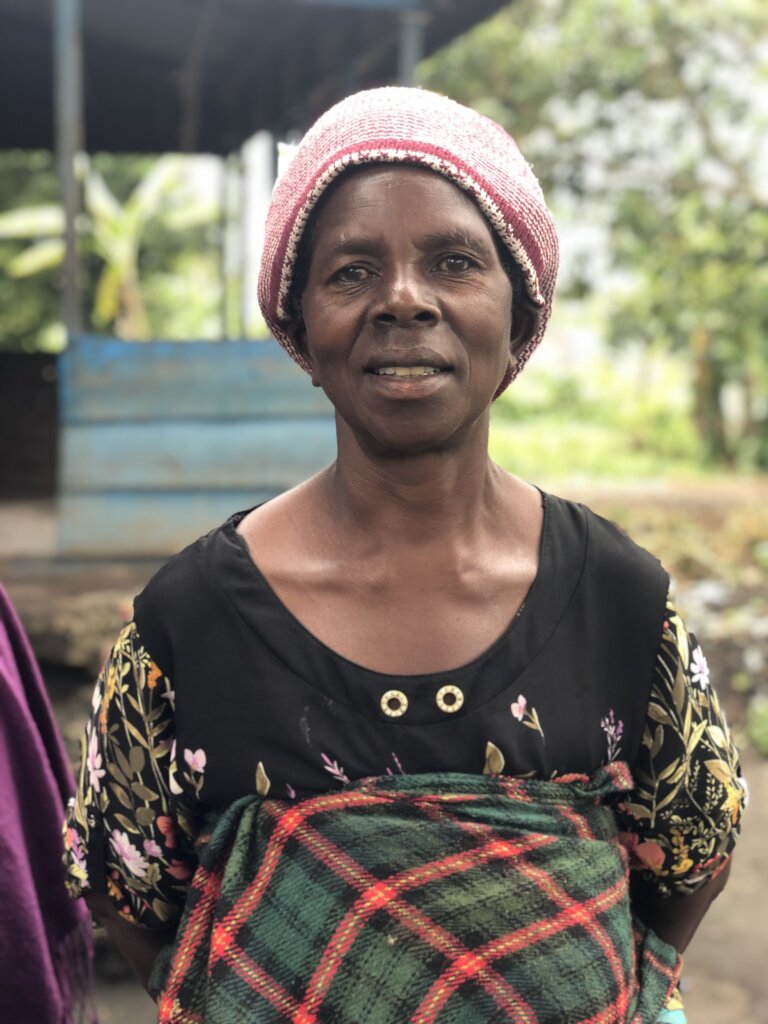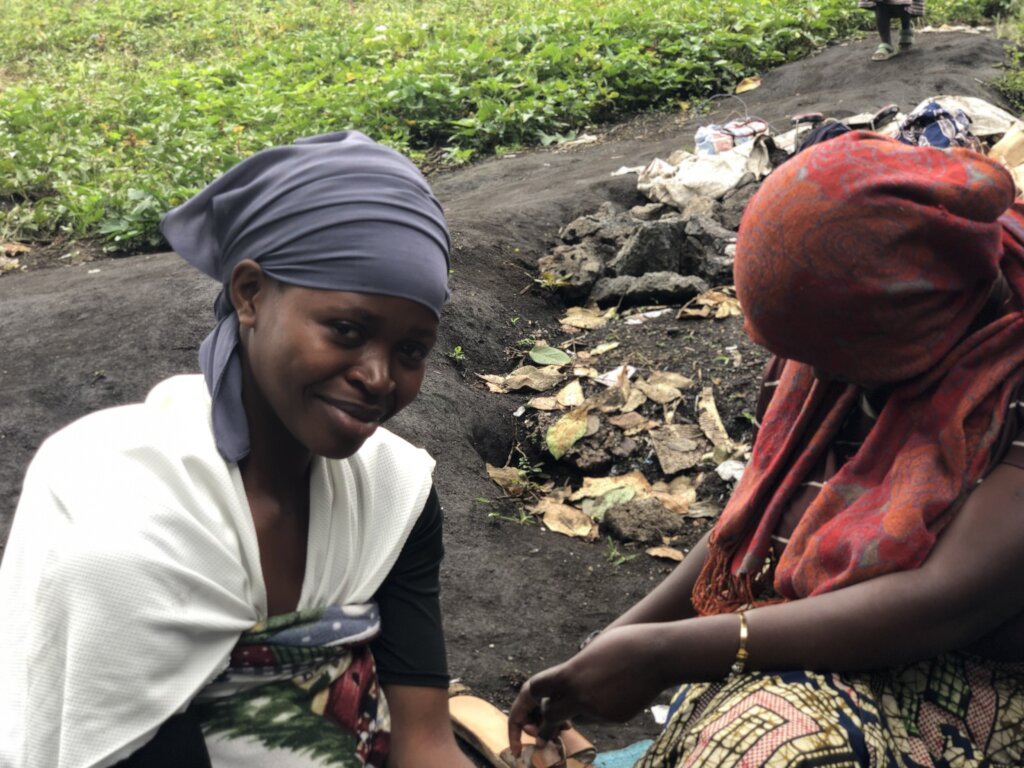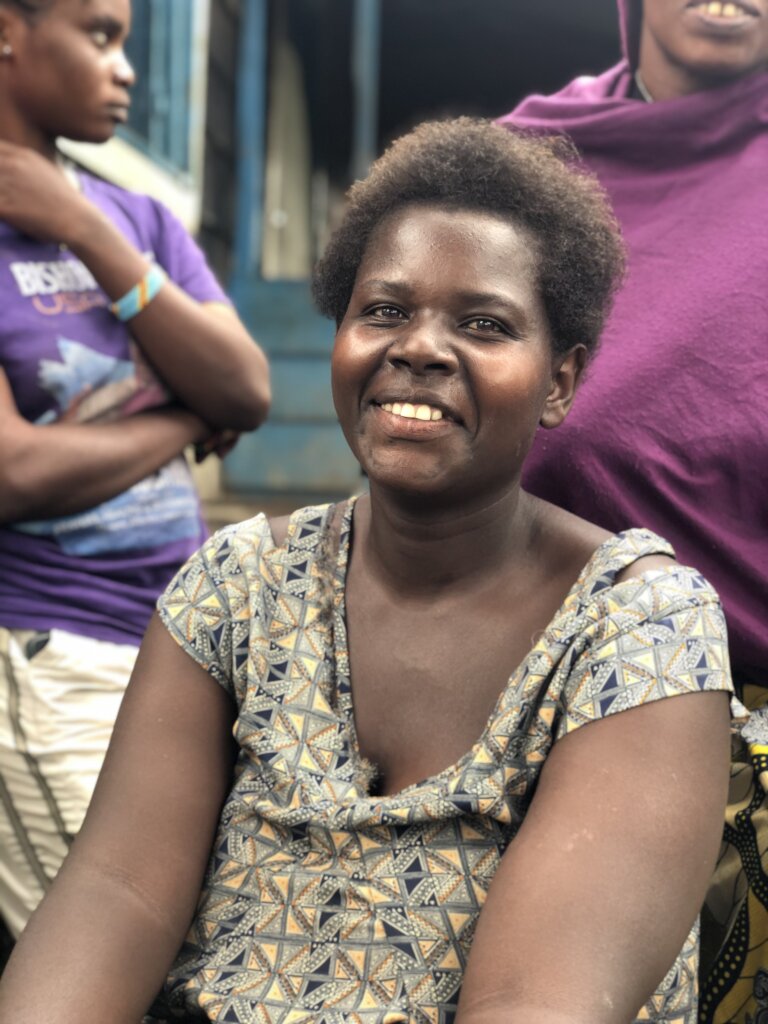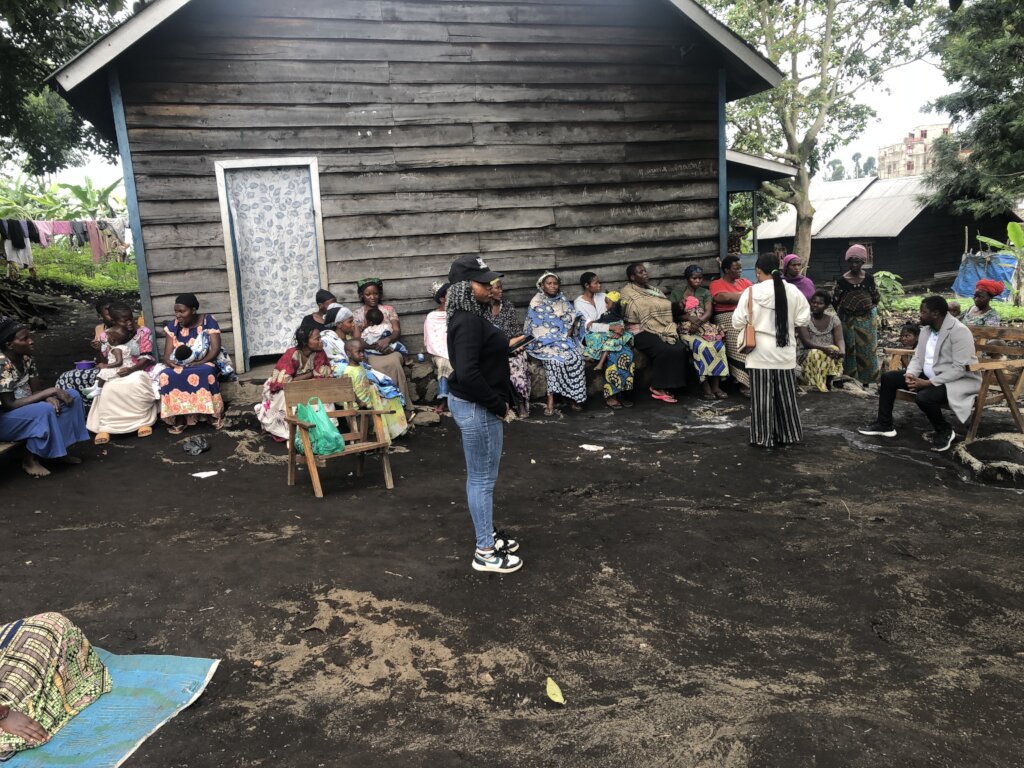
The Mugunga neighborhood hosts many displaced and host families.Access to a diverse diet is limited,particularly among children aged 6-59 months and pregnant/breastfeeding women who are deficient in vitamin A,iron,and iodine.Leafy green and biofortified vegetables are under-consumed due to a lack of space, seeds, and cultivation skills.This project aims to: improve the nutritional status of 500 vulnerable households in Mugunga;Estabilish 500 family vegetable gardens.
Mugunga is a peri-urban aea of Goma with a high concentration of displaced persons and host families. Despite the availability of markets, access to a healthy and diverse diet remains very limited for vulnerable households.Chronic malnutrition and micronutrient deficiencies disproportionately affect pregnant/breastfeeding women and children aged 0-59 months in Mugunga,due to low consumption of fresh fruits and vegetables.
The project transforms Mugunga's constraints into assets.Thus ,each household produces its own vegetables at no cost after the gardens are installed.The chosen species are: Amaranth,spinach,bio-fortified carrots and squash. The short growing cycle of 30-45 days results in a quick harvest and continous availability.The cultivation techniques include: bag gardens,tires and raised beds for households without land.This solution is aadapted to the periurban context of Mugunga.
The impact of this project is felt at several levels: 1. Nutrional and health impact: Improved diet and diversity ;Reduction of deficiences: 60% of vitamin A and iron intke is covered by garden production;Combating stunting in children aged 0 to 2 years. 2. Economic impact and resilience : Additional income: 40% of house holds sell 30% of their surplus. 3. Social and community impactwomen's empowerment : 70% of beneficiaries are women.
This project has provided additional documentation in a XLSX file (projdoc.xlsx).



Support this important cause by creating a personalized fundraising page.
Start a Fundraiser