By Marine Deliens | Biodiversity & Nature Impact Lead
Ten Years in the Making: NightWings Earns High Conservation Protection
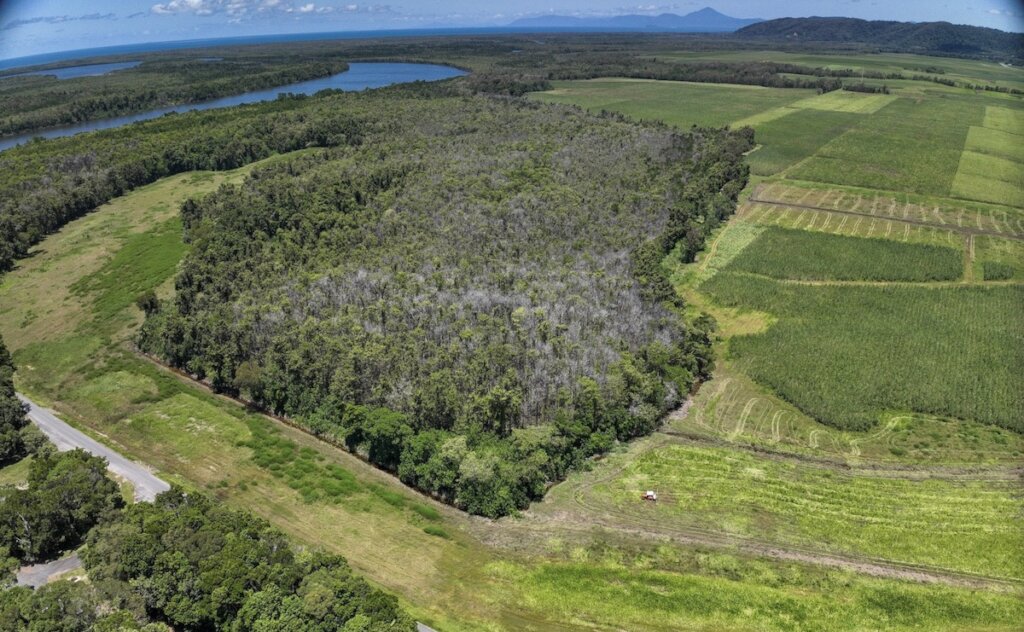
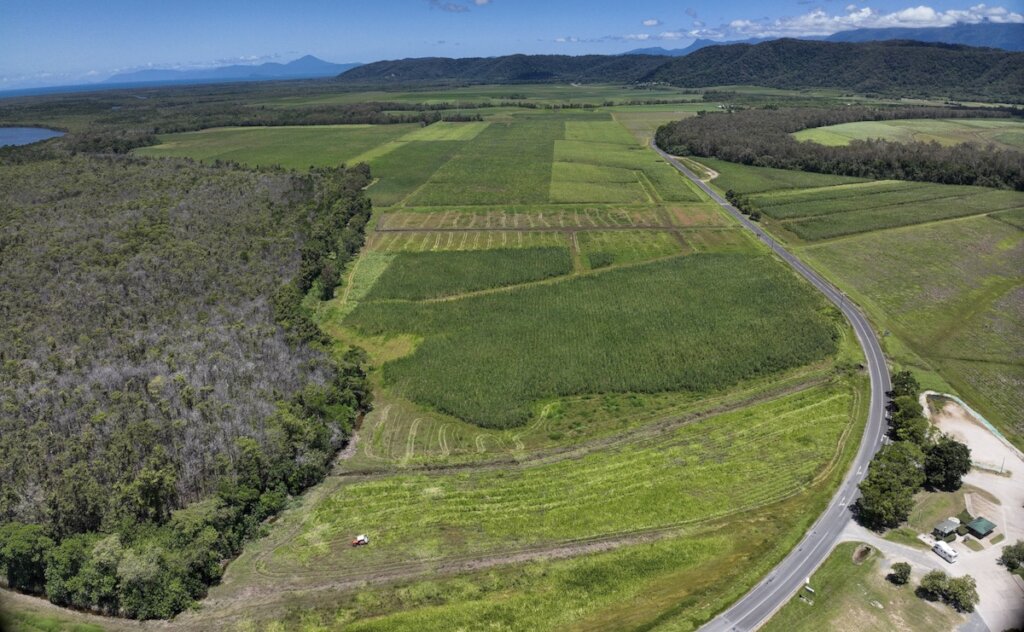
We have some wonderful news to share. Nightwings has just received one of the strongest protections available for vegetation in Queensland. After ten years of restoration work and more than 119,000 trees in the ground, 18 hectares of restored rainforest on the property have officially been declared an area of high nature conservation value under the Vegetation Management Act 1999 and the vegetation is now mapped as Category A on the regulated vegetation management map.
This is a major achievement. Category A is the highest level of restriction under Queensland’s vegetation management framework. It means the young rainforest growing on this land is now formally recognised by the Queensland Government and protected from clearing. The restored vegetation at Nightwings now receives a similar level of protection to remnant vegetation in an endangered regional ecosystem. For land that was bare sugar cane country just a decade ago, that is remarkable.
From Sugar Cane to Rainforest
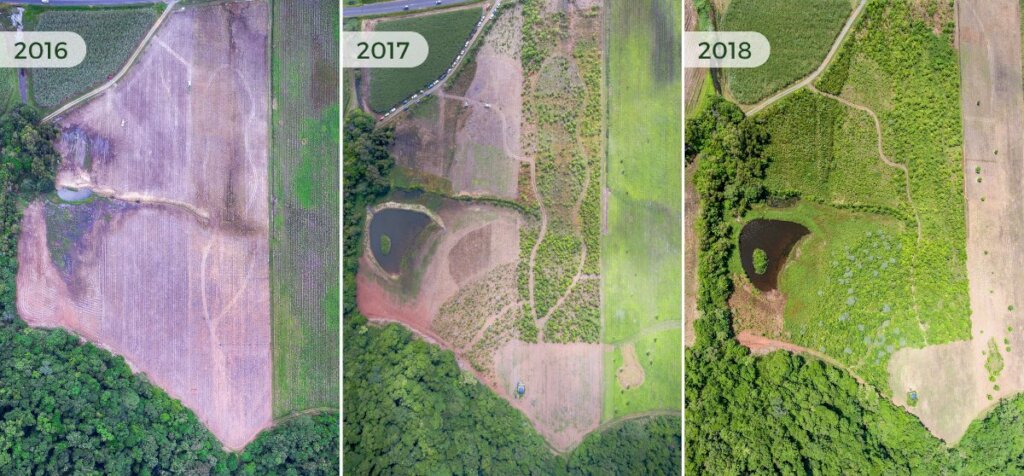
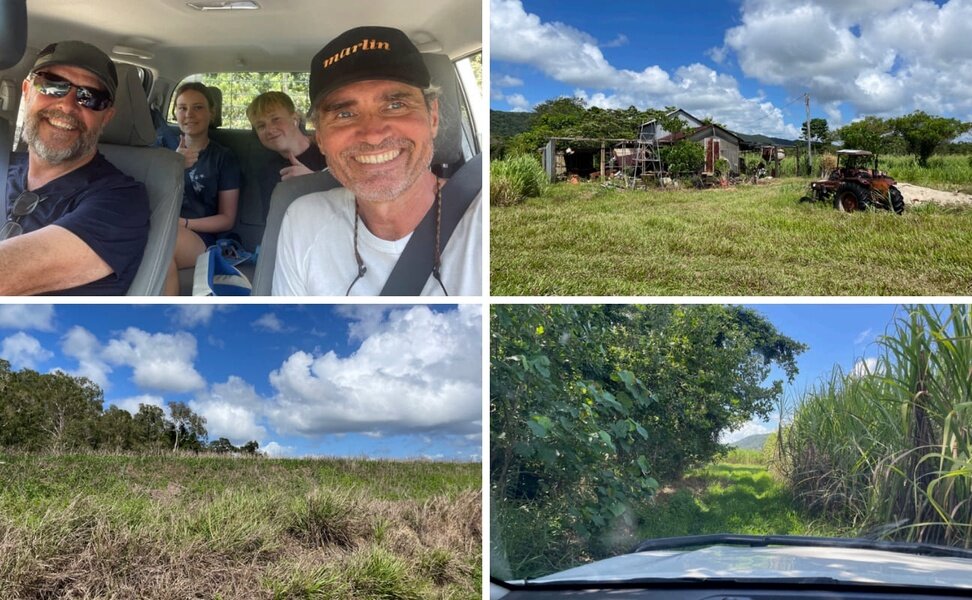
When restoration work began at Nightwings in 2015, the land looked like a lot of cleared country in the Daintree lowlands. It had been used for sugar cane and sat open and exposed, adjoining remnant rainforest that it had once been part of.
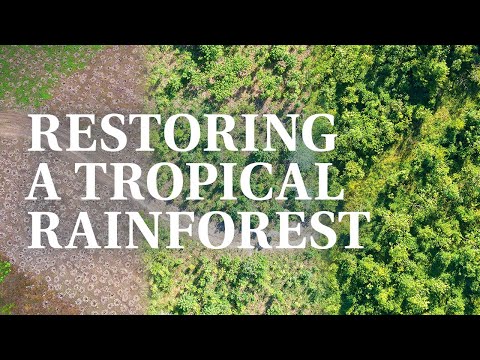
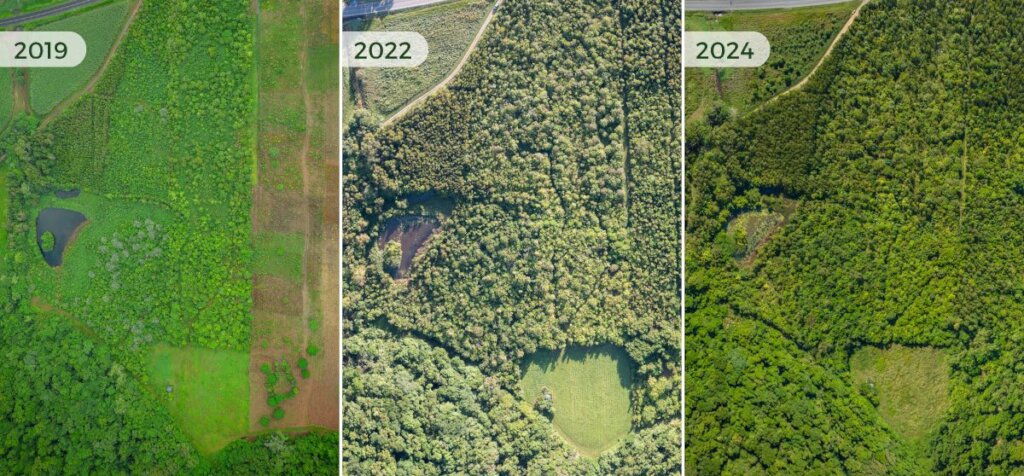
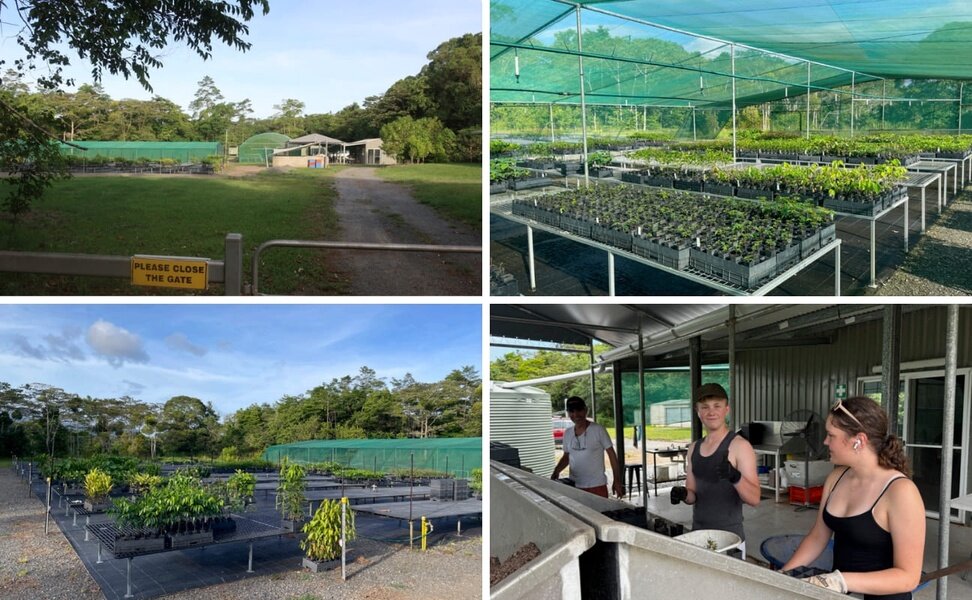
Together with landholder Annie Schoenberger, Rainforest Rescue got to work restoring the site. Tree by tree, year by year, the team set about bringing this land back to life. Over 119,000 trees have gone into the ground over the past decade. Today, a young forest is growing where cane fields once stood.
In 2025, restoration planting across the full 18 hectares was completed. Ten years of effort, carried out by our staff, volunteers, and community supporters who believed this land could become rainforest again.
What This Declaration Means
On 14 May 2026, the Chief Executive of the Department of Natural Resources and Mines, Manufacturing and Regional and Rural Development declared the restored area at Nightwings to be an area of high nature conservation value under the Vegetation Management Act 1999.
The declaration recognises Nightwings as an area containing a corridor that contributes to the maintenance of biodiversity, and as an area that makes a significant contribution to the conservation of biodiversity. As a result, the regulated vegetation management map will now be amended to show the restored area as Category A.
This is a genuinely important outcome. Category A is the highest restriction category under the Vegetation Management Act, and it means this vegetation is now legally protected from clearing. The restored forest at Nightwings is given a similar standing to remnant vegetation in an endangered regional ecosystem. For a site that was completely cleared not long ago, earning that level of recognition from the Queensland Government is a powerful validation of what long term restoration can achieve.
It is worth understanding what Category A does within the broader legal landscape. Under the Vegetation Management Act, it is a vegetation management classification. It controls what can and cannot happen to the native vegetation on a mapped area, and in this case it locks in strong protection for the forest we’ve spent a decade growing. It operates under the Vegetation Management Act 1999, which is Queensland’s primary legislation for regulating the clearing of native vegetation.
Why This Work Matters
The Daintree Rainforest is one of the most biologically important places on Earth. It’s the oldest continuously surviving tropical rainforest, home to an extraordinary number of species found nowhere else, and part of the Wet Tropics World Heritage Area.
But the Daintree lowlands carry a legacy of past clearing. Patches of remnant forest remain fragmented, separated by old farmland and rural lots. For wildlife, that fragmentation is a real problem. Animals and plants need connected habitat to move, breed, and maintain healthy populations. Corridors between forest patches are essential.
Nightwings sits right in the middle of a Strategic Rehabilitation Area identified under the regional plan. That means it’s on land the government has already recognised as a priority for ecological reconnection. By restoring this site, we’ve helped fill a gap in the landscape, linking forest patches and strengthening the corridor that wildlife depends on.
This is at the heart of what Rainforest Rescue does. We restore and protect rainforest in the Daintree because these forests are irreplaceable. Every hectare of cleared land that returns to forest is a hectare that supports biodiversity, stores carbon, protects waterways, and strengthens the resilience of one of the world’s great natural places.
What Comes Next
The Category A declaration is a milestone we’re genuinely proud of. And it sets the stage for something even bigger.
In collaboration with Annie Schoenberger, Rainforest Rescue will apply in the coming years to have the land formally declared as a Nature Refuge under the Nature Conservation Act 1992. While Category A protects the vegetation from clearing under the Vegetation Management Act, a Nature Refuge operates under entirely separate legislation and takes protection to another level. It is a class of protected area. It creates a legally binding, perpetual conservation agreement between the landholder and the Queensland Government that protects the environmental values of the land while allowing compatible and sustainable land uses to continue.
A Nature Refuge agreement covers not just vegetation, but the full range of natural and cultural values on the land, including wildlife habitat and broader ecological function.
The restored vegetation at Nightwings needs a little more time to mature before the site is ready for that step. But the intention is clear. We will work closely with Annie and the Private Protected Area Program at the Department of Environment, Tourism, Science and Innovation (DETSI) to have Nightwings recognised and declared as a Nature Refuge as soon as the site meets the criteria.
When that happens, the Category A vegetation protection and the Nature Refuge declaration will sit together as layered protections from two separate pieces of legislation, giving Nightwings both the vegetation security it has now and the broader, enduring conservation framework it deserves.
From sugar cane to protected rainforest. That’s ten years of restoration, partnership, and persistence. And we’re not done yet.
Thank you to every supporter, volunteer, and community member who has been part of this journey. Nightwings is proof that when we commit to restoring the Daintree, real and lasting change follows.
You can find out more about the Nightwings restoration project on our website.
By Cesar Barbosa Garcia | Engagement Coordinator
By Cesar Barbosa Garcia | Engagement Coordinator
Project reports on GlobalGiving are posted directly to globalgiving.org by Project Leaders as they are completed, generally every 3-4 months. To protect the integrity of these documents, GlobalGiving does not alter them; therefore you may find some language or formatting issues.
If you donate to this project or have donated to this project, you can receive an email when this project posts a report. You can also subscribe for reports without donating.



Support this important cause by creating a personalized fundraising page.
Start a Fundraiser