By Soph Stephens | Digital Manager
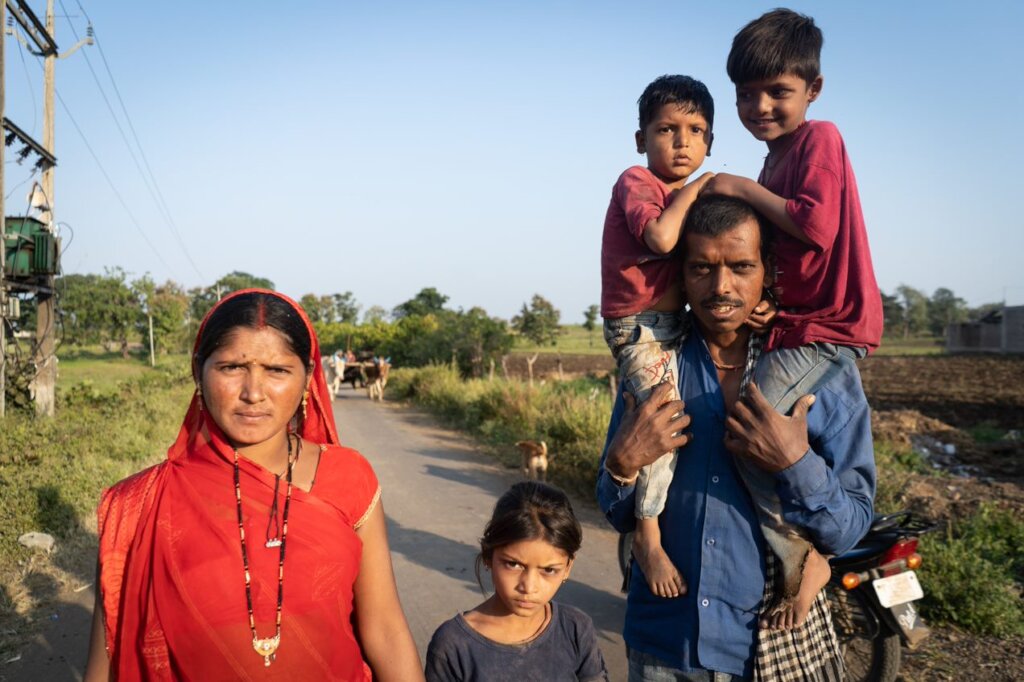
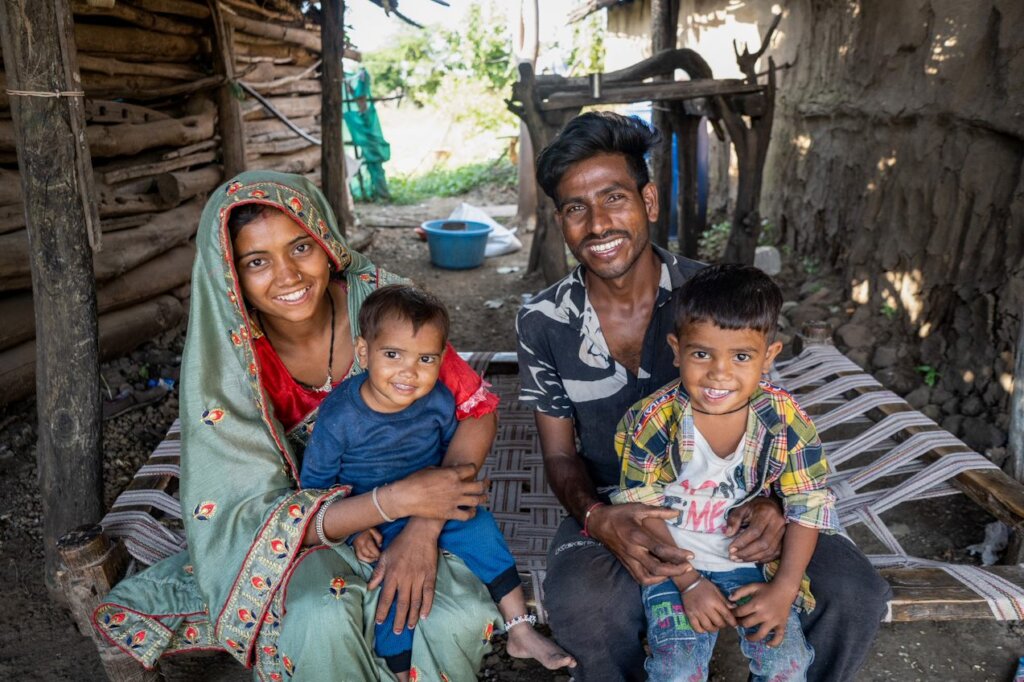
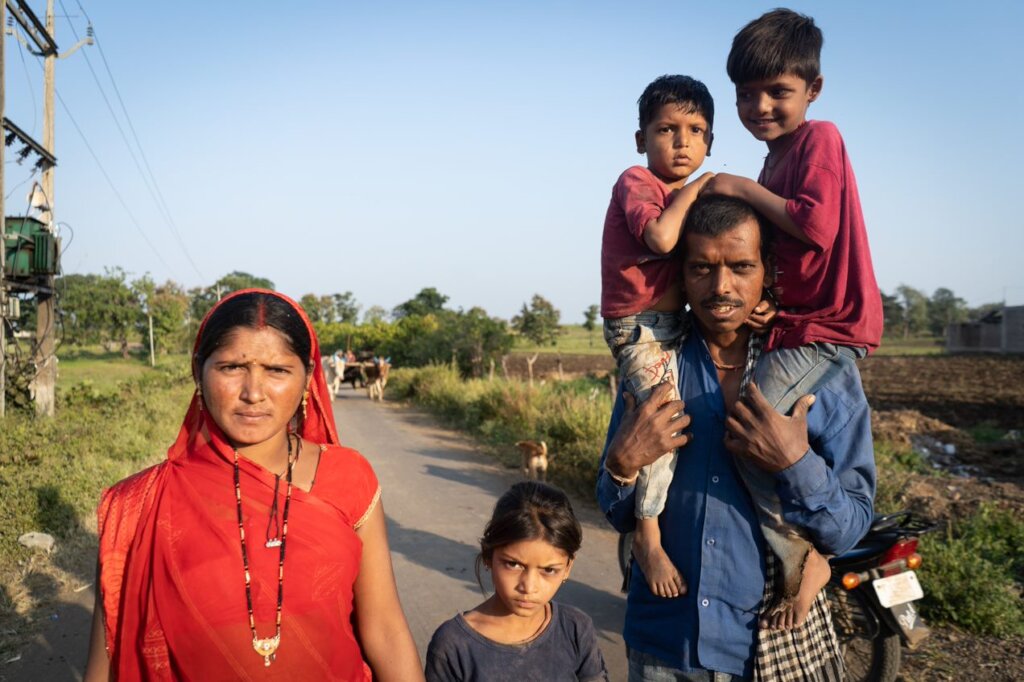
Ramkali's experience reflects the realities faced by many young tribal women navigating pregnancy, within conditions of seasonal migration, limited documentation and access to public services.
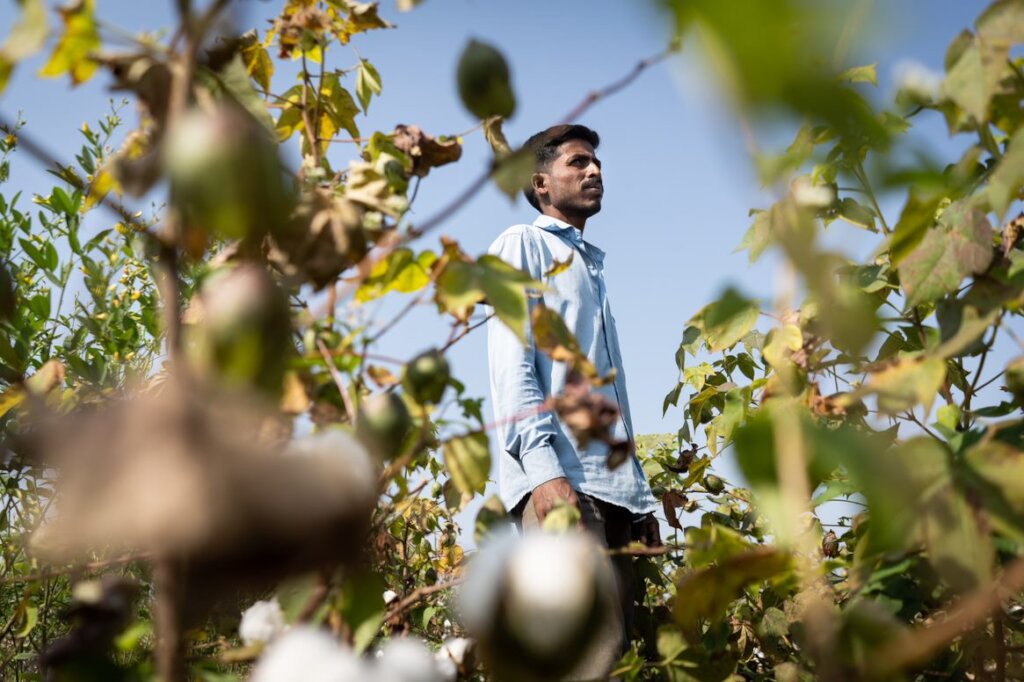
At age of 20, she lives with her husband in a village in Khandwa district where more than half of the 2250 households belong to Scheduled Tribe communities ( a term used in India to identify certain indigenous communities who have historically lived in remote, rural, forested, or hilly areas and have faced social, economic, and educational exclusion) With scarce local livelihood options, families routinely migrate in search of daily wage work. Migration, while essential for survival, places women at the margins of government schemes designed to safeguard maternal health and wellbeing and is a high-risk journey in itself, with threats of trafficking and sexual violence also.
Our team first met Ramkali during a outreach effort in July 2023. The visit enabled her enrolment on the Resilient Communities application and opened a conversation about safe migration practices, available support services and the use of the toll free helpline for assistance.
Through this interaction, the team learned that she was expecting her first child, which positioned her as a potential beneficiary of a national scheme intended to provide financial support to pregnant women. Yet several barriers stood between her and this entitlement.
Like many migrant women, Ramkali had minimal awareness of maternity related schemes and had limited engagement with frontline service providers. With no indetity documents, it prevented her from initiating pregnancy registration and accessing vital benefits.
Her family’s constant movement, combined with social and geographic isolation, meant that government systems remained distant and inaccessible. Without targeted support, she would likely have missed out on the financial and health related assistance designed to protect first time mothers.
Recognising her challenges, our project helped Ramkali access public services. They corrected her official identity records and guided her through the application for a maternity support program. The team also coordinated with local health workers to ensure her registration and documentation were complete, connecting her to safe and informed maternity care.
As a result, Ramkali received financial support during her first pregnancy. For her family with irregular income, this eased immediate financial pressure and improved access to maternal health services.
Ramkali's story demonstrates the importance of proactive outreach, documentation support and coordinated service delivery in ensuring that women from migrant and tribal communities can exercise their rights to maternal health and social protection. Thanks to you, we can reach women like Ramkali and provide them the support essential to both their growth and their child's.
Project reports on GlobalGiving are posted directly to globalgiving.org by Project Leaders as they are completed, generally every 3-4 months. To protect the integrity of these documents, GlobalGiving does not alter them; therefore you may find some language or formatting issues.
If you donate to this project or have donated to this project, you can receive an email when this project posts a report. You can also subscribe for reports without donating.



Support this important cause by creating a personalized fundraising page.
Start a Fundraiser