By Pippa Orpen | Wildlife ACTive Project Leader
Hello Amazing Team of Supporters!
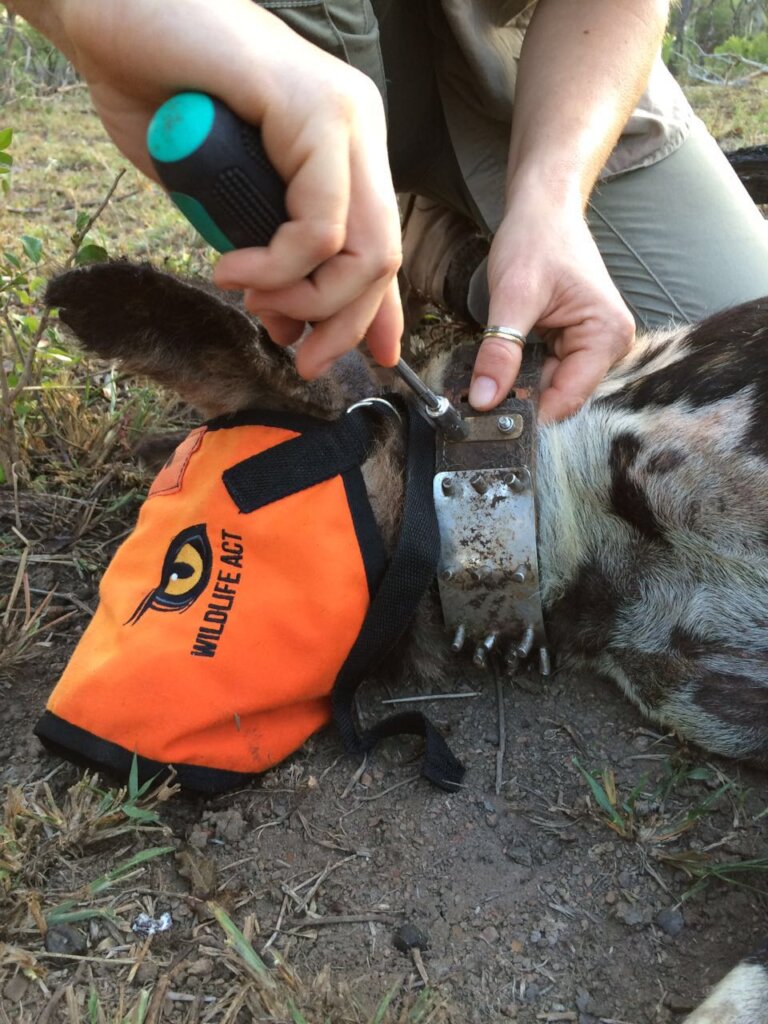
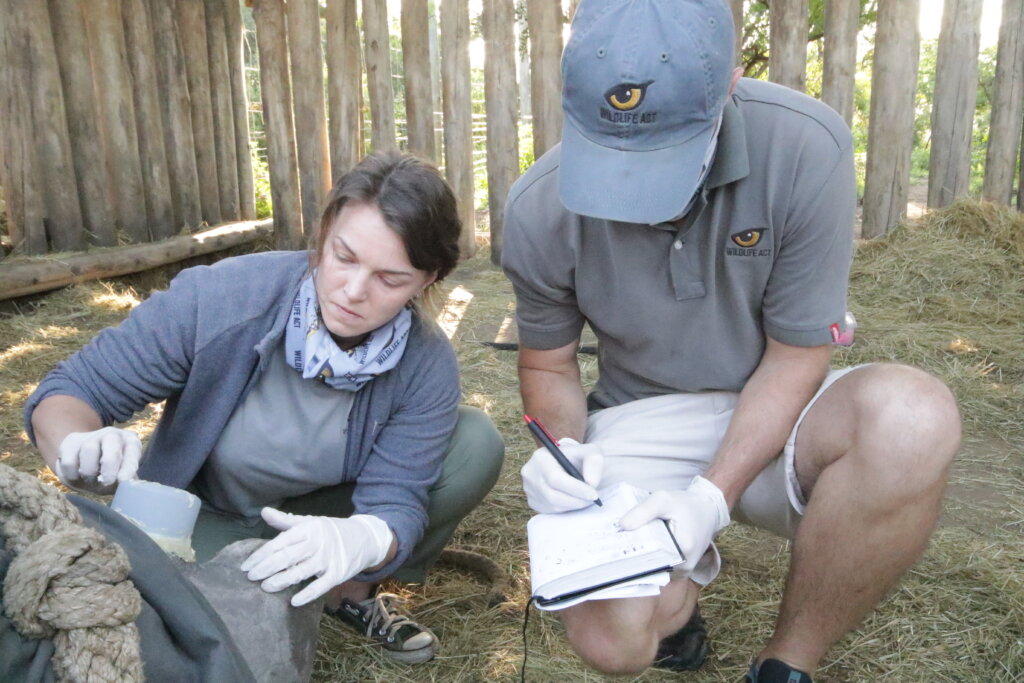
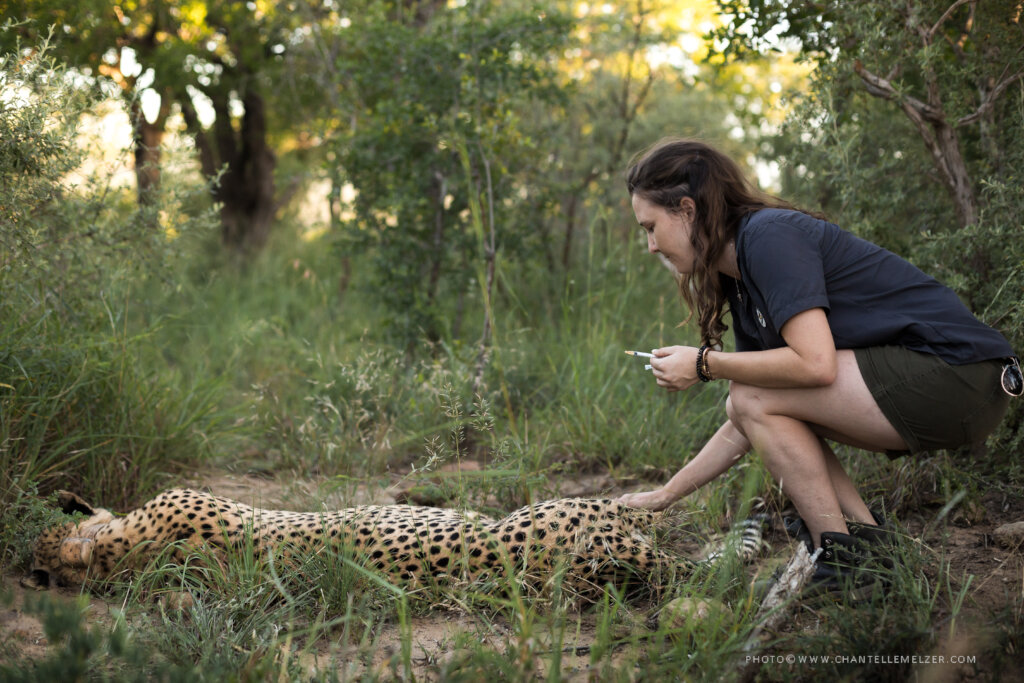
I can't thank you enough for your ongoing support and contribution to conservation. Reporting on the nature of the Emergency Response Fund is tricky as security considerations mean that we can't always share the all details with you. Ongoing investigations and location sensitivities make it tough to update you all on current events and show you how your funding has made a difference. I will, however, share some highlights showing impact we've had over the past few months, thanks to you.
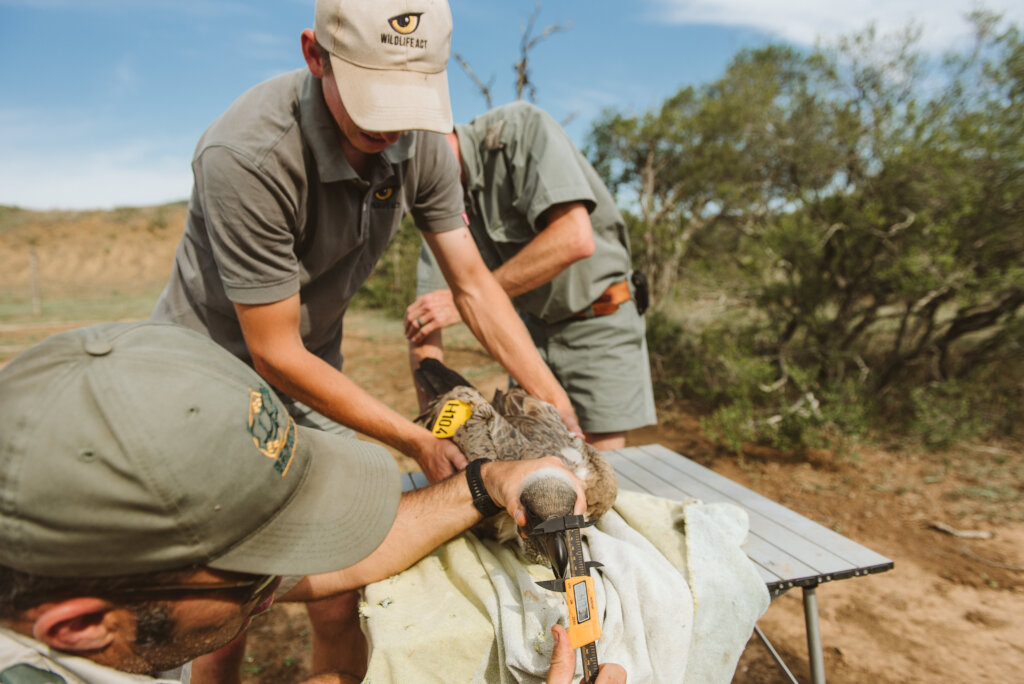
Last month, Wildlife ACT together with Ezemvelo KZN Wildlife and FreeMe Wildlife, facilitated the release of four rehabilitated Cape Vultures into the Southern Drakensberg region, close to our new Safe Feeding Site hide at Mzimkulu. Each of the four individuals had been found grounded and in poor condition. All the vultures were displaying similar symptoms of gastrointestinal and/or neurological disturbances in varying degrees of severity, but through supportive treatment, recovered quickly. Before release, fitting vultures with GPS tracking devices and identification tags offers significant conservation benefits by providing detailed insights into their movements, behaviour, and habitat ranges. This data helps to identify critical areas for protection as well as highlight potential threats such as poisoning sites and habitat destruction. We are pleased to share that several of the released individuals have been sighted at the vulture safe feeding site at the Mzimkulu Vulture Hide since the release. They have been identified by their patagial tags thanks to both guest photographs and camera trap images.
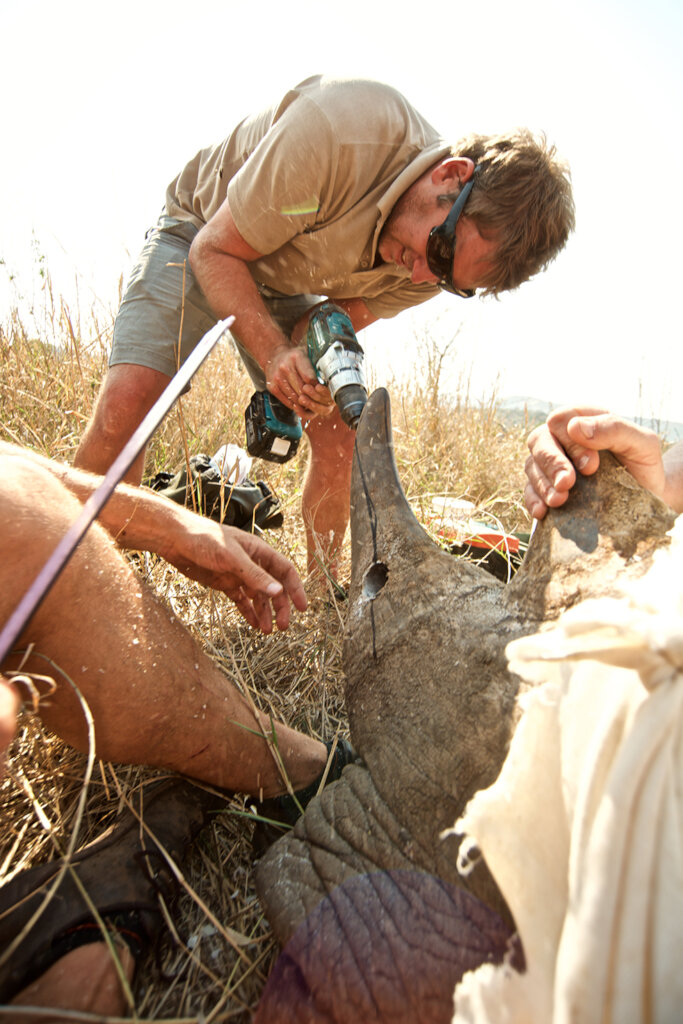
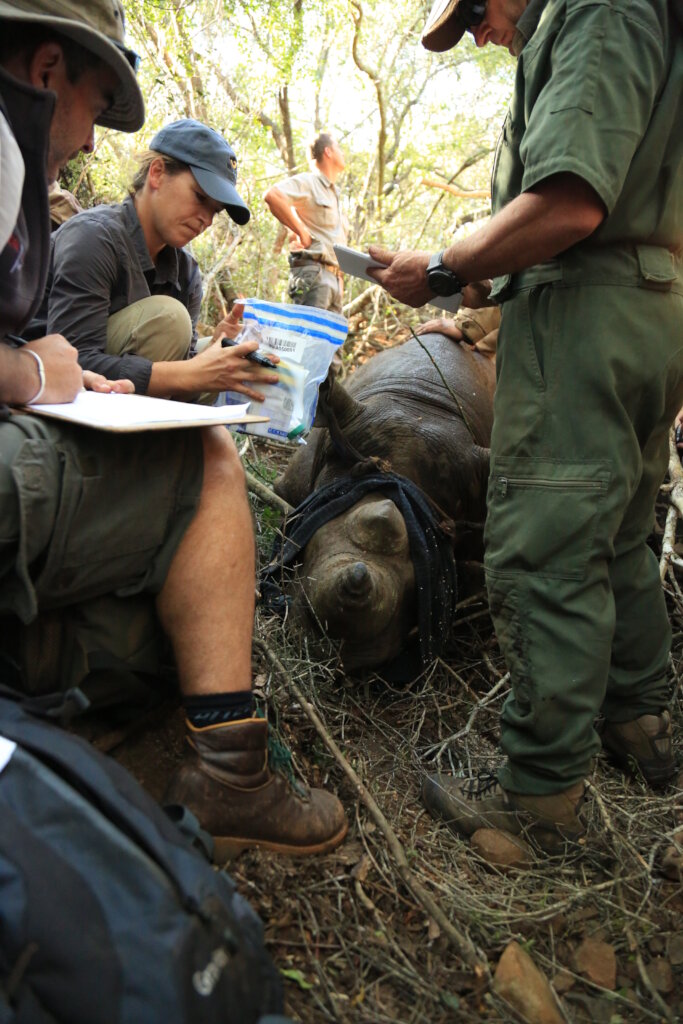
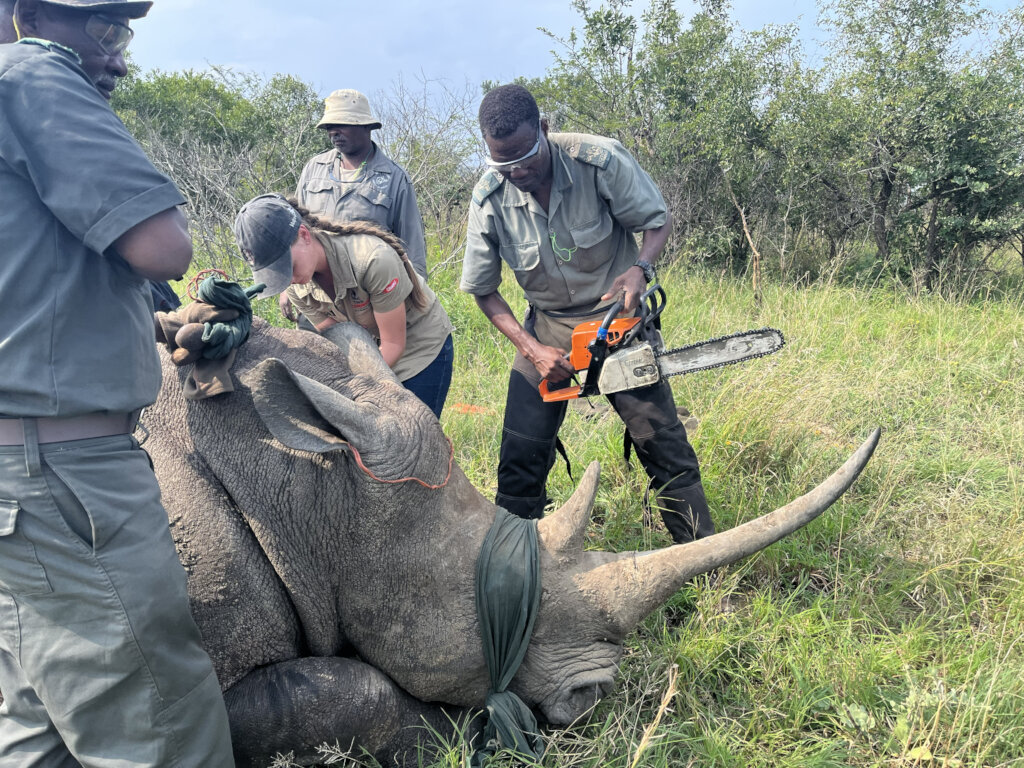
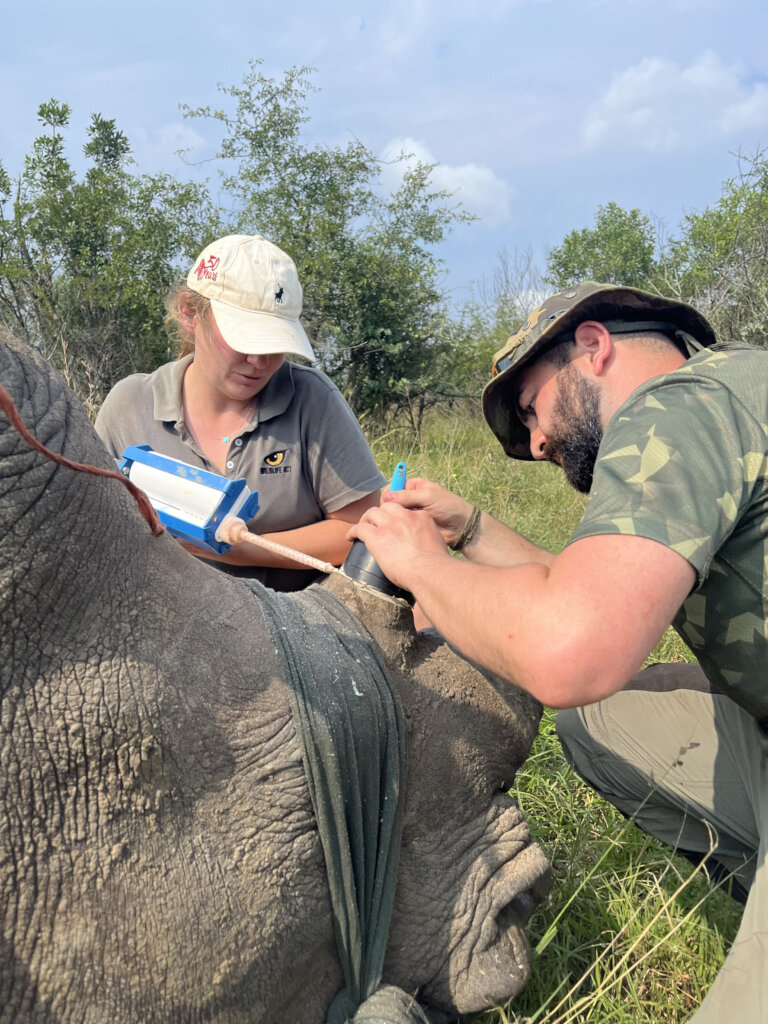
As you may know, Rhino poaching is at a critical point. Hluhluwe-iMfolozi Park management recently made the decision to dehorn its Rhino. Here is an excerpt from a recent press release:
“In what is known as a ‘rhino devaluation operation’, the project is funded by the World Wildlife Fund and is being carried out by Ezemvelo and Wildlife ACT – an NPO tasked with monitoring rare and endangered wildlife in the province. What makes the dehorning operation ‘historically significant’ is that Hluhluwe-iMfolozi Park (HiP) is renowned as the ‘birthplace of rhino’ following Operation Rhino’s efforts more than half a century ago, which saved the southern white rhino from the brink of extinction. “The scale of this operation and the widespread dehorning that is taking place across southern Africa in response to rhino poaching highlights the urgent need for a better understanding of the impacts of dehorning on population growth rates and poaching levels,” said Wildlife ACT.
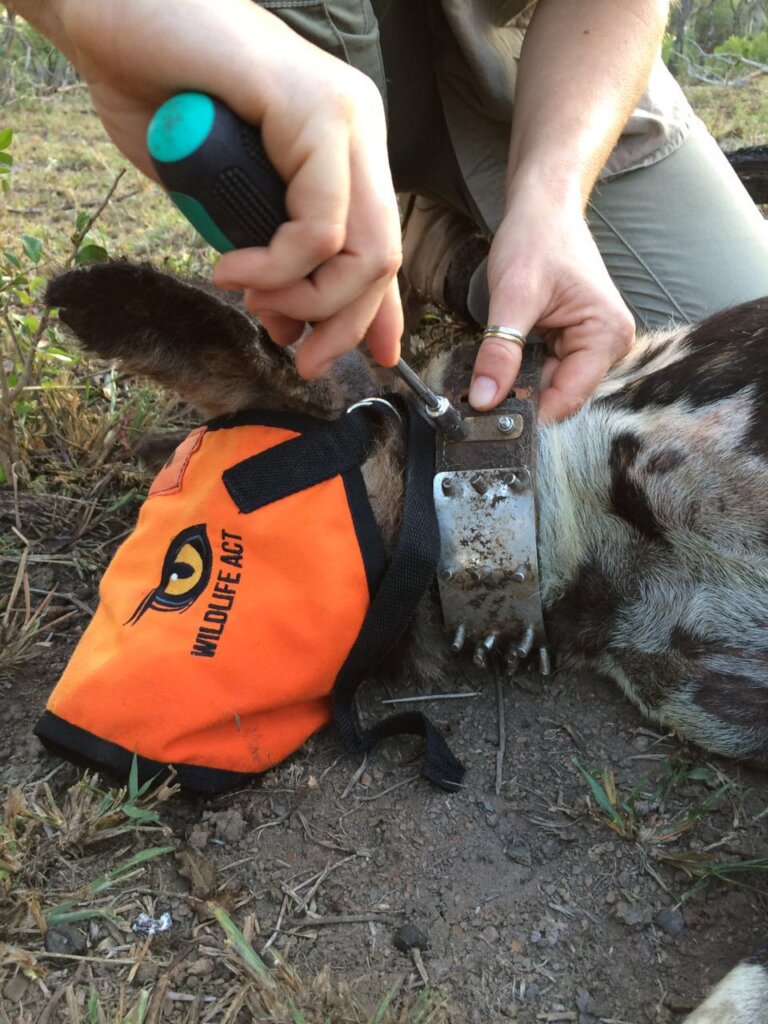
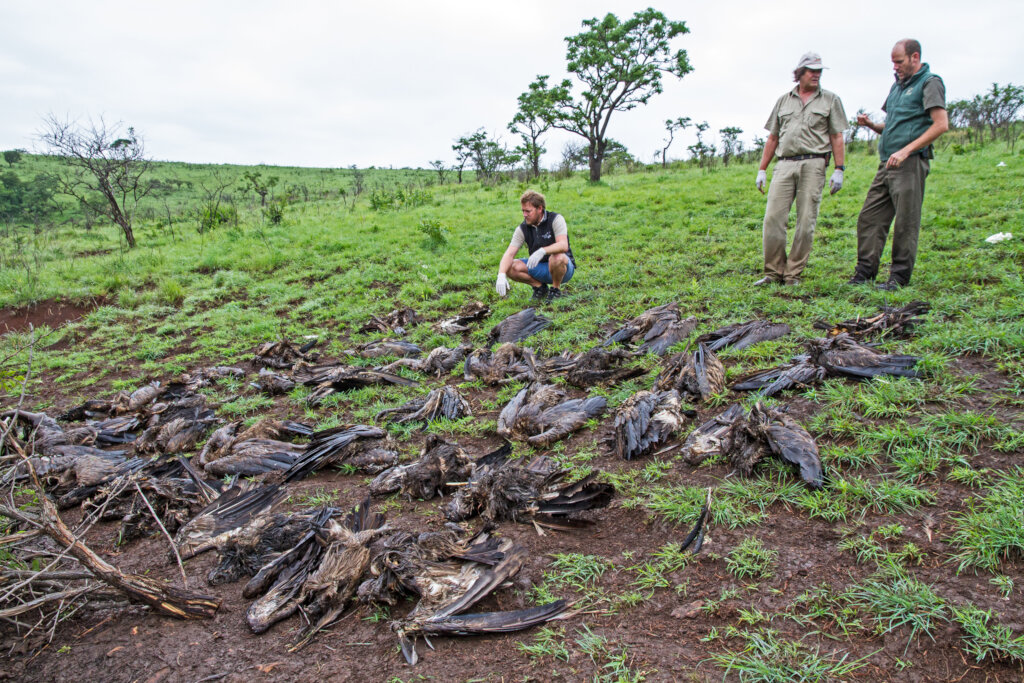
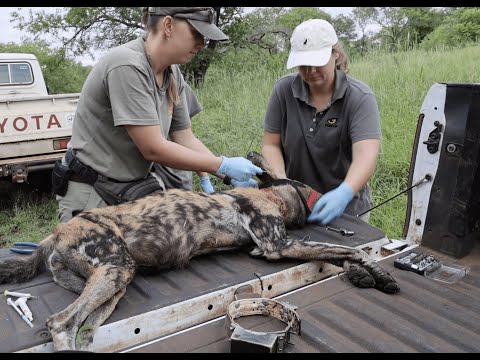
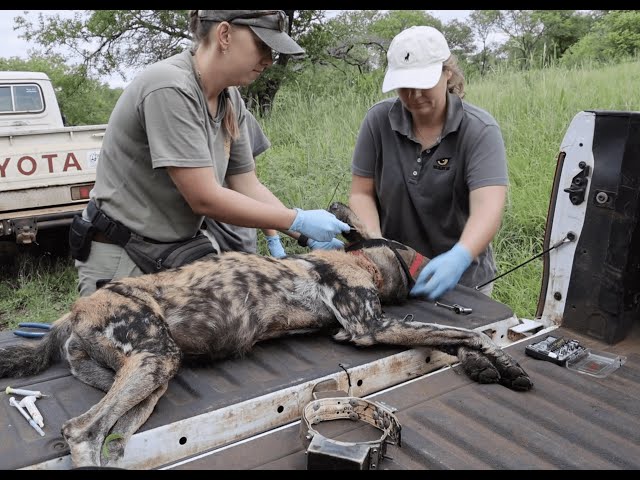
Here is a brief update on the events with security sensitivities...we have responded to 11 critical emergency responses in the past 5 months, these include Vulture, Buffalo and Lion, linked to snaring, poisoning, drowning and break outs. It equates to 90 man hours and 1073km of driving. You can be proud that you helped us to accomplish this, you helped us to make a difference. We thank you from the bottom of our hearts.
Photo credits: Wildlife ACT (Megan Whittington & Denise van Keulen)
Links:
Project reports on GlobalGiving are posted directly to globalgiving.org by Project Leaders as they are completed, generally every 3-4 months. To protect the integrity of these documents, GlobalGiving does not alter them; therefore you may find some language or formatting issues.
If you donate to this project or have donated to this project, you can receive an email when this project posts a report. You can also subscribe for reports without donating.



Support this important cause by creating a personalized fundraising page.
Start a Fundraiser