By Pippa Orpen | Wildlife ACTive Project Leader
Last month Kayleigh Webber and Thembani Maluleke attended the Inaugral Snare Mitigation Symposium held in Pretoria.
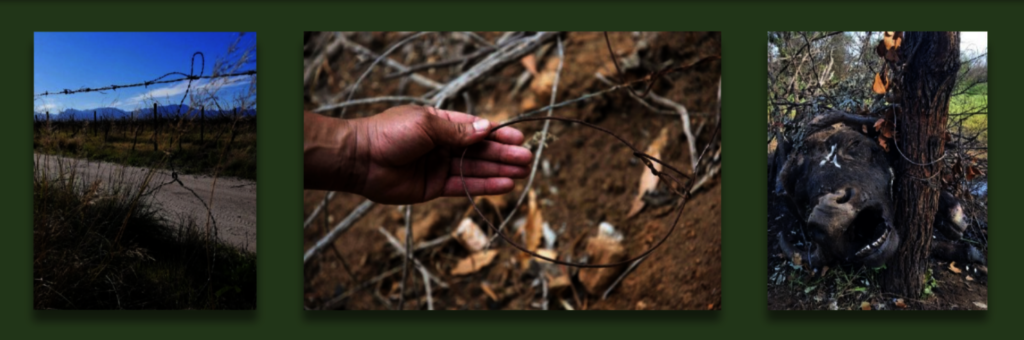
South Africa’s biodiversity and natural beauty are draw cards for international tourism, investment, and business. However, a pervasive threat to wildlife and the economy is hunting with illegal snares. Snaring is an indiscriminate, cruel, and unsustainable use of natural resources which triggers devastating repercussions across the ecosystem. In Kruger National Park, 14,000 snares were removed between 2020 and 2022, and in 2023, 415 animals were known to be killed by snares.
Outside of protected areas, the situation is equally daunting. In the Boland Mountain Complex of the Western Cape, 671 snares were found and removed during snare patrols conducted on agricultural properties between 2019 and 2022. The occurrence of snares has increased since the Covid pandemic and there is much that remains unknown about this secretive and often overlooked practice, and its full impact on nature.
A two-day inaugural Snare Mitigation Symposium enabled experts to share specialised knowledge on the multifaceted aspects of the snaring crisis with a wide variety of stakeholders working across sectors. Gaining a solid understanding of the problem and building partner relationships provides a necessary foundation prior to developing local or national strategies to address snaring.
Snaring is motivated by complex socioeconomic and cultural drivers and the symposium explored snaring from a myriad of angles and viewpoints. Presentations by 23 speakers and three panel discussions explored themes including: Understanding the dynamics; Human dimensions of snaring; Reporting, responding, evidence collection, snare patrolling, legislation and policy; Technology and detection solutions. The ultimate aim of the symposium was to share knowledge and build collaborations that will facilitate steps towards resolving the snaring crisis through a holistic and concerted approach. The symposium was a significant milestone success with 140 attendees from 58 organisations sharing their experiences, networking and committing to tackle a complex and pervasive threat to biodiversity.
The ultimate aim of the symposium was to share knowledge and build collaborations that will facilitate steps towards resolving the snaring crisis through a holistic and concerted approach.
On the brink: Devastating losses from snaring and opportunities for positive change...
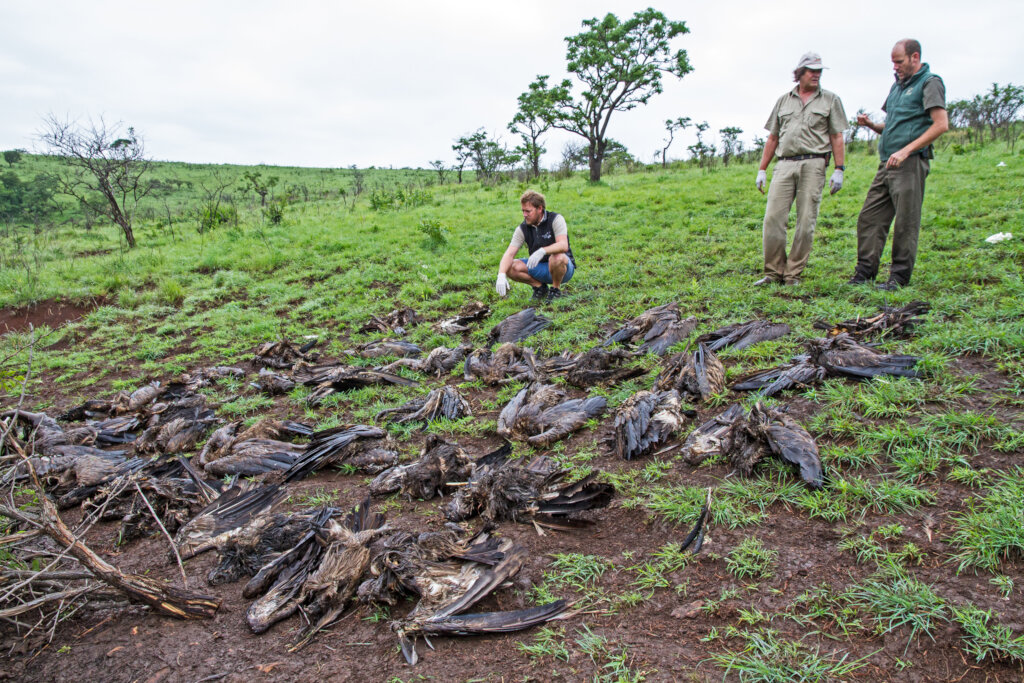
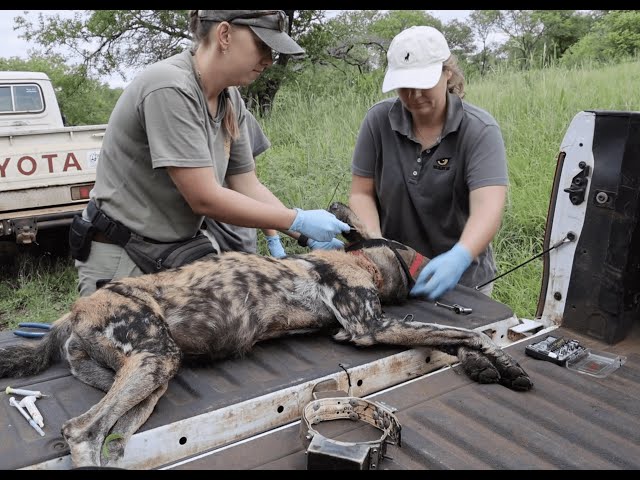
Unsustainable hunting with snares is provoking a global wildlife extinction crisis (Gray et al., 2018; Ripple et al., 2016). Throughout the symposium, staggering figures and graphic images of animal fatalities and injuries were displayed. A statement that was voiced several times was that these only represent the snares and the animals that have been seen and carefully counted, yet this is only the tip of the iceberg in terms of the true impact that snaring has on biodiversity. Even the ‘tip of the iceberg’ information that was presented is shocking with examples such as:
• 1,513 snares removed and 195 snare mortalities from Letaba Ranch Game Reserve in 2023 (EWT),
• 685 animals poached and 9,440 snares removed from Kruger National Park in 2023 (SANParks),
• 201 out of 446 (46%) of veterinary cases in Maruleng District and surrounds were attributed to snaring (Wildscapes Veterinary & Conservation Sciences),
• 44,600 snares removed in Limpopo Province between 2017 – 2024 (K9 Conservation),
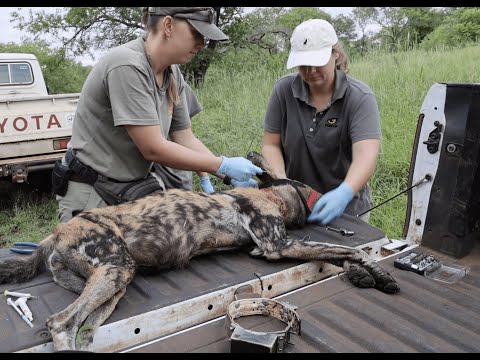
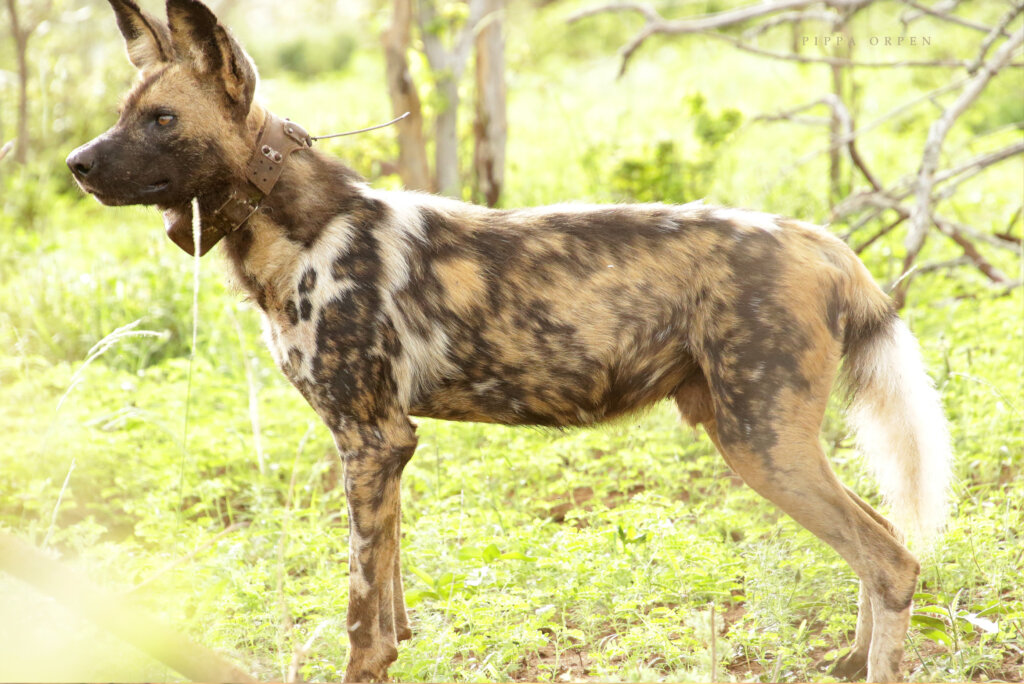
• more than 80 snaring incidents involving African wild dogs (Lycaon pictus) were reported over the past four years in Greater Kruger (Contemplate Wild), and
• 5,993 snares removed, with 385 animals found dead in snares and 27 rescued since 2021 in the Phalaborwa area (SA Hunters’ Snare Buster Program).
Several obstacles and constraints were identified which need to be considered and addressed as solutions are developed including:
• Organisations are often working in silos,
• Lack of funding to source snare detection and removal, community outreach programmes, technology development, research projects, etc.,
• Current legislation and law enforcement is restrictive to the persecution process,
• Lack of awareness and inclusion of local communities,
• Lack of understanding of the true nature and extent of snaring and other forms of illegal harvesting, with concomitant lack in acknowledging snaring as a significant impact on biodiversity,
• Lack of understanding of community needs and that decisions are made from assumptions, and
• Cross border communication and strategies are often overlooked.
At a workshop following the event, the Snare Mitigation Symposium host organisations strategised next steps related to key themes and action points identified during the symposium to ensure that the momentum generated by the symposium results in conservation action and positive changes for biodiversity and people. As we think about the journey ahead to tackle snaring, we should consider how we measure ‘success’ and embed monitoring and evaluation into all programmes. Successes, data, best practices and learning should be shared beyond the current institutional silos and facilitated by joint communication, collaborations and the creation of dedicated working groups.
As always, we are immensely grateful for your support of Wildlife ACTive!
Our Emergency Response Fund is our means of keeping our Endangered Species out of snares and away from poachers. If you feel you may have your own ideas or solutions to this difficult problem, please do reach out, we are always open to new and innovative thinking.
Project reports on GlobalGiving are posted directly to globalgiving.org by Project Leaders as they are completed, generally every 3-4 months. To protect the integrity of these documents, GlobalGiving does not alter them; therefore you may find some language or formatting issues.
If you donate to this project or have donated to this project, you can receive an email when this project posts a report. You can also subscribe for reports without donating.



Support this important cause by creating a personalized fundraising page.
Start a Fundraiser