By Pippa Orpen | Wildlife ACTive Project Leader
Dear Wildlife ACTive Family,
We cannot thank you enough for your continued support; your empathy to our cause and your dedication to conservation is humbling.
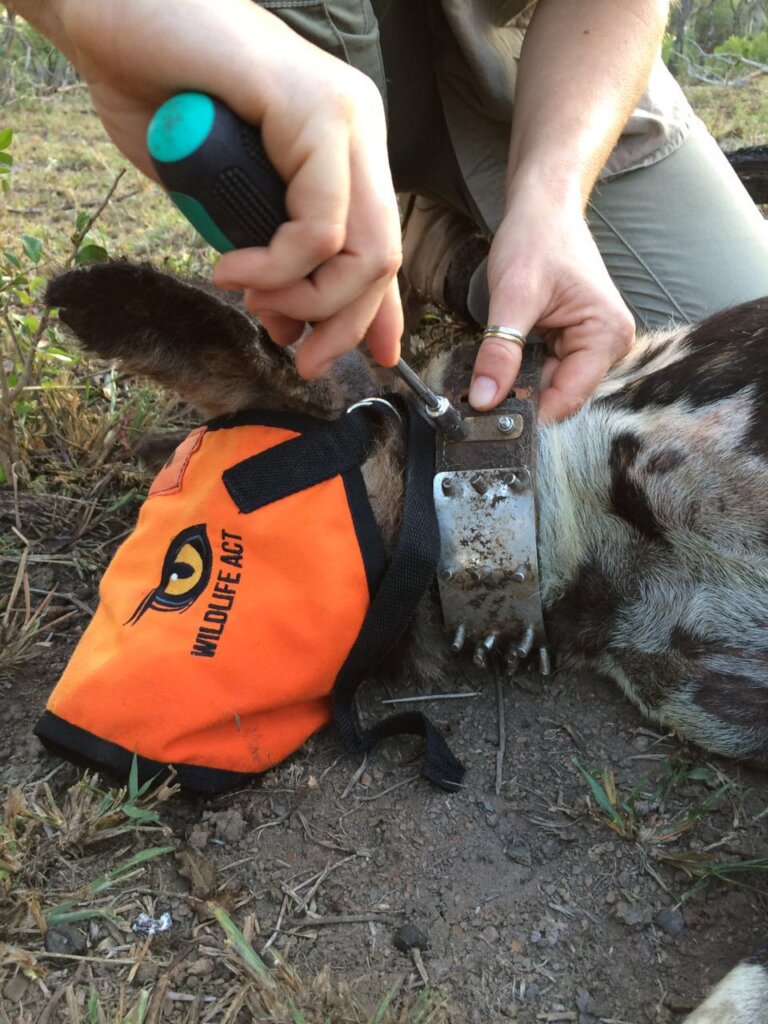
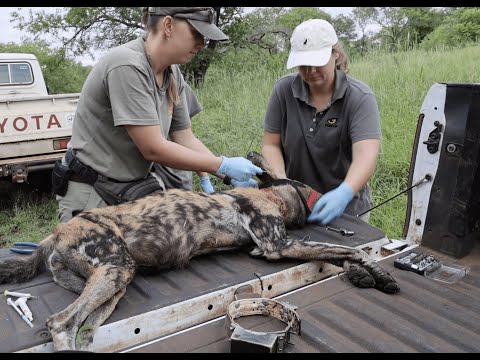
We've had a busy few months making sure our endangered species are safe and moving properly. As you know, it would be almost impossible to intensely monitor an individual without tracking equipment, even within a protected area. It's even more tricky to monitor a species which is able to span 1000's of kilometres on a whim. So when it comes to extremely endangered and extremely mobile species' like Vultures, conservationists have had to think out of the box.
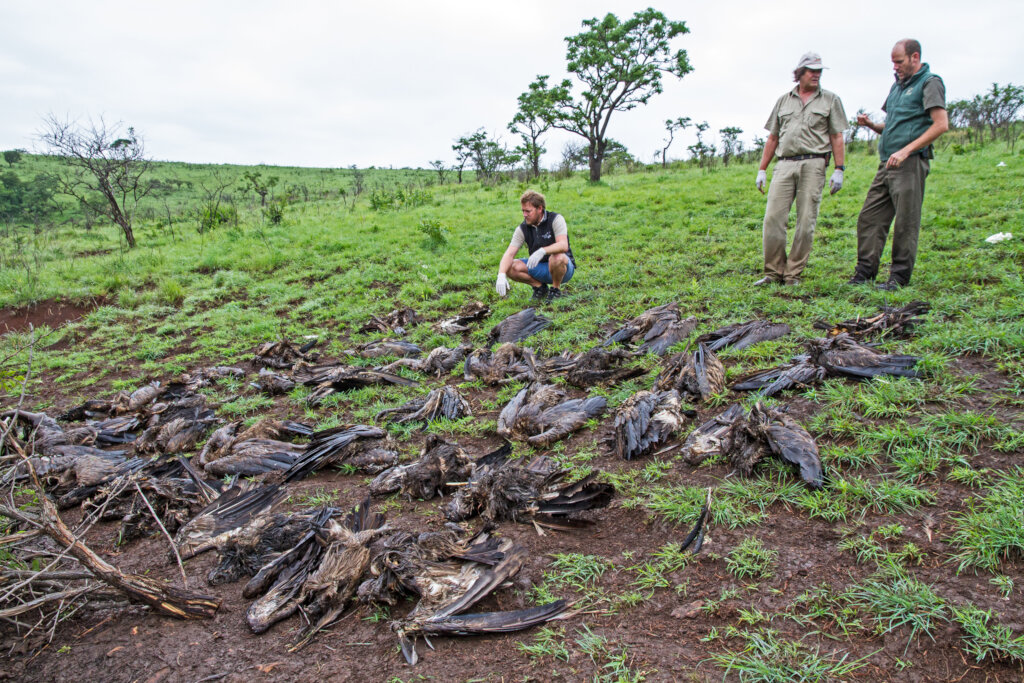
Poisoning and traditional medicine pose a substantial threat to the survival of these ecologically essential birds. They’re essential as they dispose of dead animals that would otherwise be a breeding ground for diseases. A vulture is able to metabolize and eradicate dangerous pathogens, in doing so it is cleansing an environment. The disappearance of vultures means a rise in feral dog and rat numbers; these scavengers, being unable to process these pathogens, become carriers of diseases and are indirectly responsible for thousands of human deaths.
Vultures in KwaZulu-Natal face a range of threats. The following are just to name a few:
• Poison is a major contributor to vulture deaths and population declines. Poisoning, intentional for the illegal vulture trade and unintentional for predator control, has been identified as one of the biggest contributors to KZN’s vulture population declines. In the Northern breeding cluster, there has been a 77% decline of breeding pairs since 2004, most likely as a result of the illegal use of poisons.
• Due to their wide wingspans, vultures are susceptible to colliding with or being electrocuted by power lines.
• The risk of lead poisoning in birds has also been known for decades. In more recent studies high lead levels in vulture populations has been documented across most of Southern Africa and studies are increasingly reporting that lead exposure is contributing to vulture populations’ mortality rates.
• Unintentional poisoning by some types of non-steroidal anti-inflammatory drugs (NSAIDs), used to treat livestock, are fatally toxic to vultures.
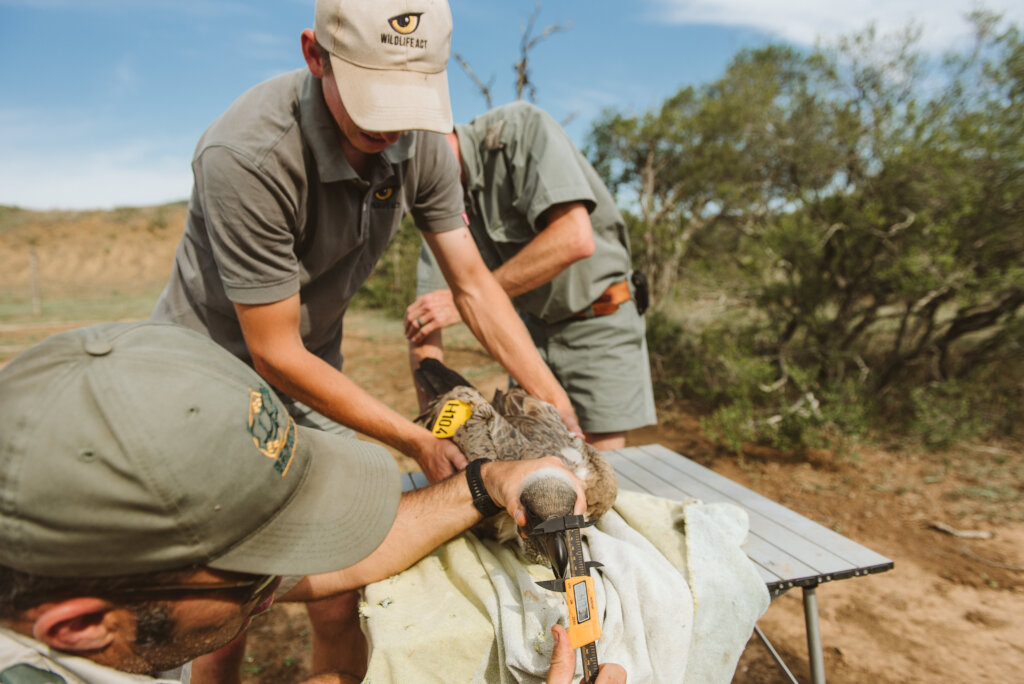
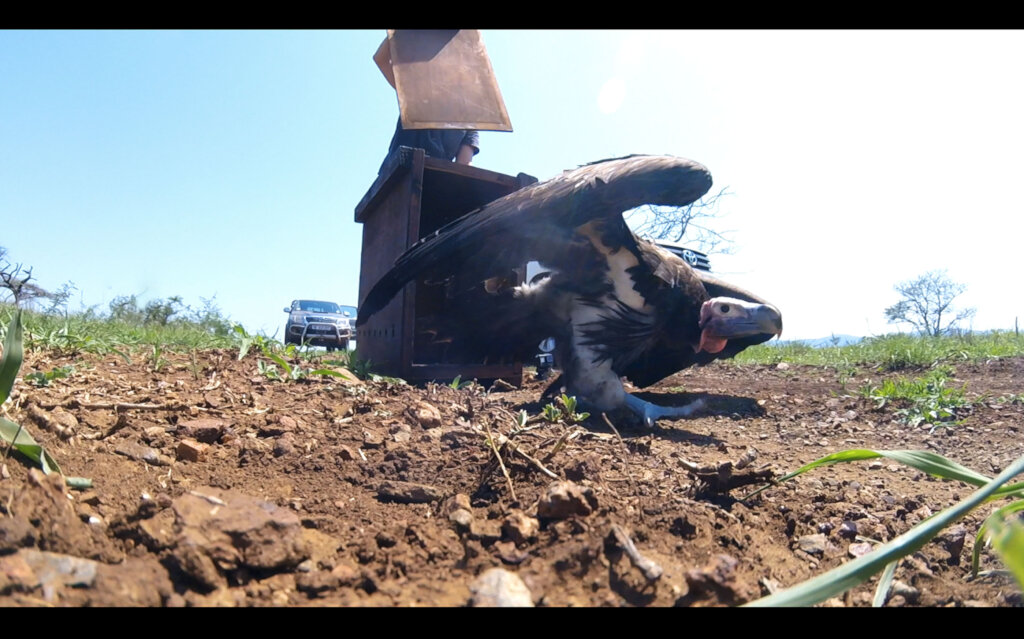
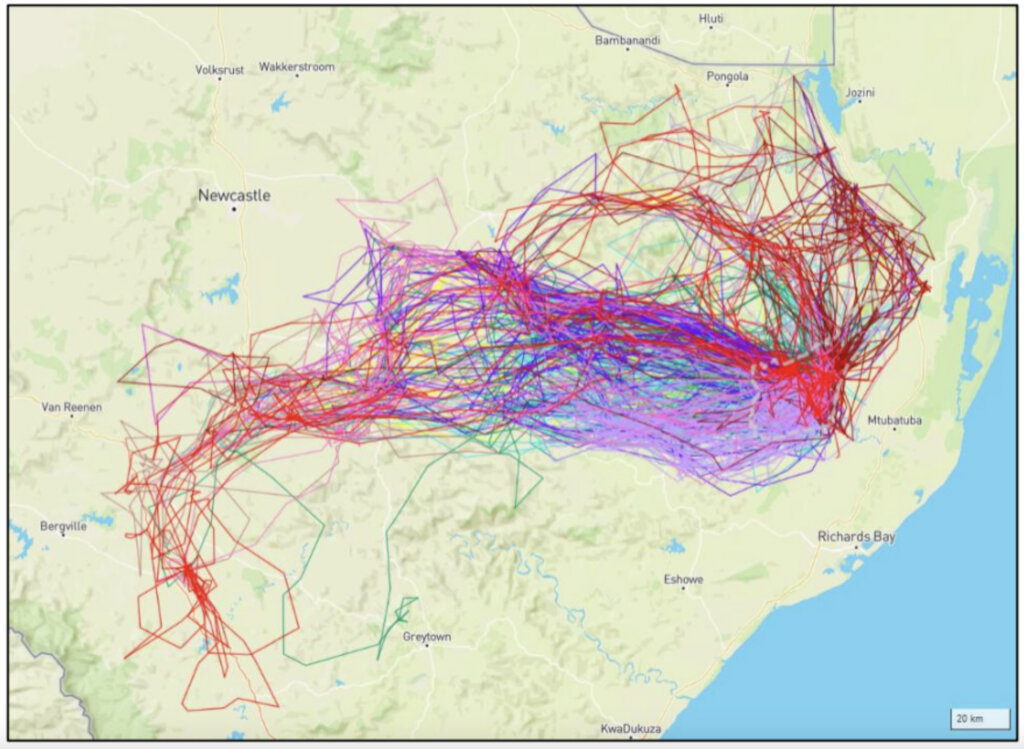
Our vulture tagging project is vital to the survival of the Zululand vulture population, which in recent years has suffered a drastic decline. By gaining this data and understanding their movements we increase our chances of conserving the vultures in the Zululand area. Each tag carries the individual's identity code and is distinctive according to the reserve on which they born. Thus we are able to determine where they originated and how far they have traveled since leaving the nest. The GPS backpacks are used for the same purpose of monitoring the vulture’s movements, however, the data they provide is significantly more detailed than the recorded sightings of the tagged vultures. The satellite transmitter units are light boxes fitted on the birds as a small backpack. Powered by a small solar panel, they relay their location at hourly intervals, transmitting data via satellite signal. This enables us to accurately track their movements, providing data on feeding and breeding habits, use of territories, causes of mortality and emergencies. See map below, it shows the movement of 14 African White-backed Vultures between May and August 2024.
When data points indicate that a bird/s is stationary (many GPS points clustered in the same place) we will send an Emergency Response Team to find out why. We have responded to many emergency events this way, and have saved many of these essential birds as a result.
Thank you, once again, for your fantastic support, it enables us to fight for these incredible birds.
Project reports on GlobalGiving are posted directly to globalgiving.org by Project Leaders as they are completed, generally every 3-4 months. To protect the integrity of these documents, GlobalGiving does not alter them; therefore you may find some language or formatting issues.
If you donate to this project or have donated to this project, you can receive an email when this project posts a report. You can also subscribe for reports without donating.



Support this important cause by creating a personalized fundraising page.
Start a Fundraiser