By Pippa Orpen | Wildlife ACTive Project Leader
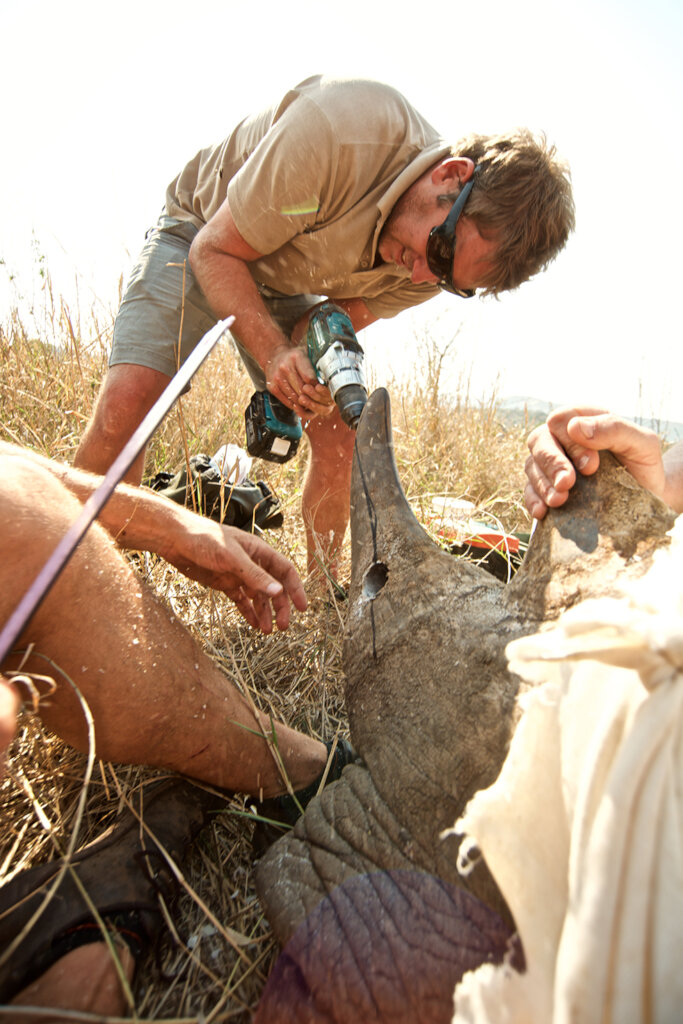
Someone recently asked me why the Rhino deserves so much attention — why dedicate so many resources to a single species? My response was that we should be protecting all species. Everything from the Lion to the Termite...
An ecosystem is a complex system that consists of all the living organisms in a particular area, as well as the environment with which the organisms interact. The living organisms and non-living components of the ecosystem interact in such a way as to maintain balance.
There are many different species of plants and animals that make up the biotic component of the savanna grassland. Animals depend on each other to keep the savanna grassland ecosystem in equilibrium. All ecosystems exist on a foundation of microorganisms and other small creatures, like bacteria and plankton. Alterations in the food chain at the bottom level can offset the entire system. As the dominant predator in its ecosystem, the lion exerts considerable top-down influence in keeping the ecosystem in balance. Lions are carnivores and have no natural predators besides man, which makes them apex predators or keystone species. Removing apex predators can be just as detrimental for an ecosystem than removing a lower level species from the bottom of the food chain. Lion will often focus their hunts on the weakest members of the herd when they fall behind. In this way the sick are removed and the gene pool is kept clean, and thus they keep herd populations strong and healthy. Without the threat of apex predators like lions, smaller carnivores tend to multiply and offset the balance. Antelope and zebra are grazers, and without lions, or other large predators, to keep numbers in check overgrazing may occur. Without vegetation to keep the soil in place, the once lush plains could become desert.
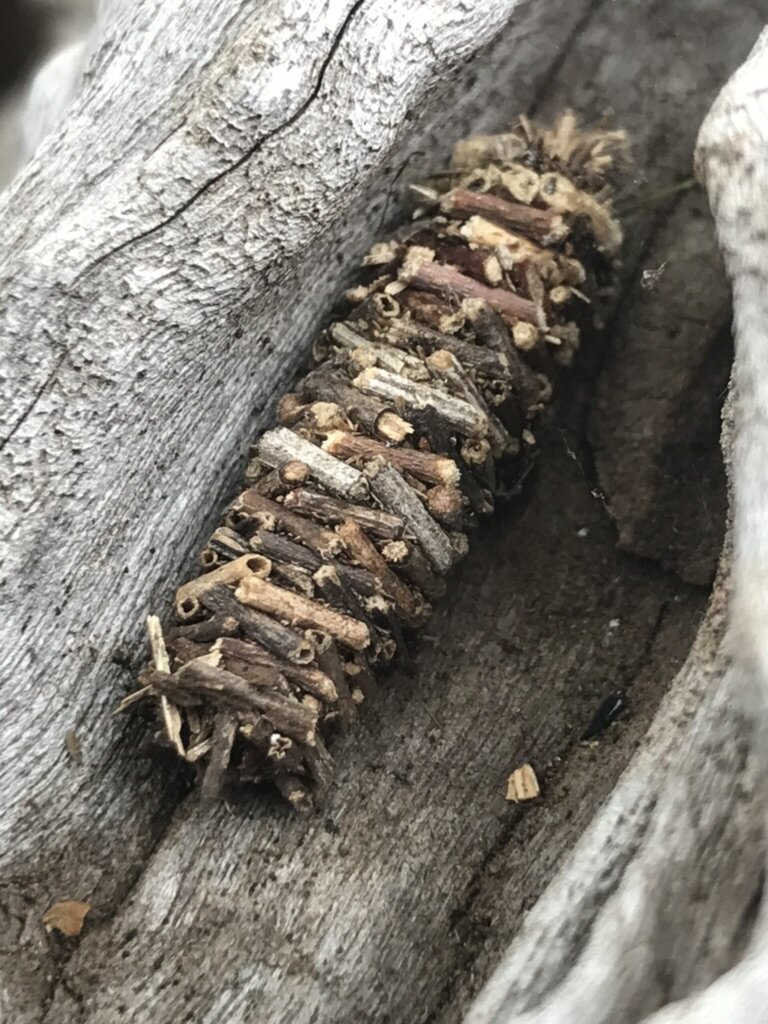
Elephants also play an important role in maintaining the biodiversity of the ecosystems in which they live. By pulling down trees and opening up thick bush they form open spaces for travel and the extra sunlight allows grass to grow. In turn White rhino and buffalo maintain these diverse grasslands on which countless other species depend. Although termites are only a fraction of the size of some of these other animals, collectively their colonies play a vital role in nutrient cycling and maintaining soil health. Many species, from bats to elephants, assist with seed dispersal within a system. Pollinators, such as bees, maintain gene flow and dispersal throughout widespread ecosystems ensuring plant diversity. By deciding to protect the rhino, by extension we’re choosing to protect their habitat and the species that live alongside them. This supports healthy ecosystems.
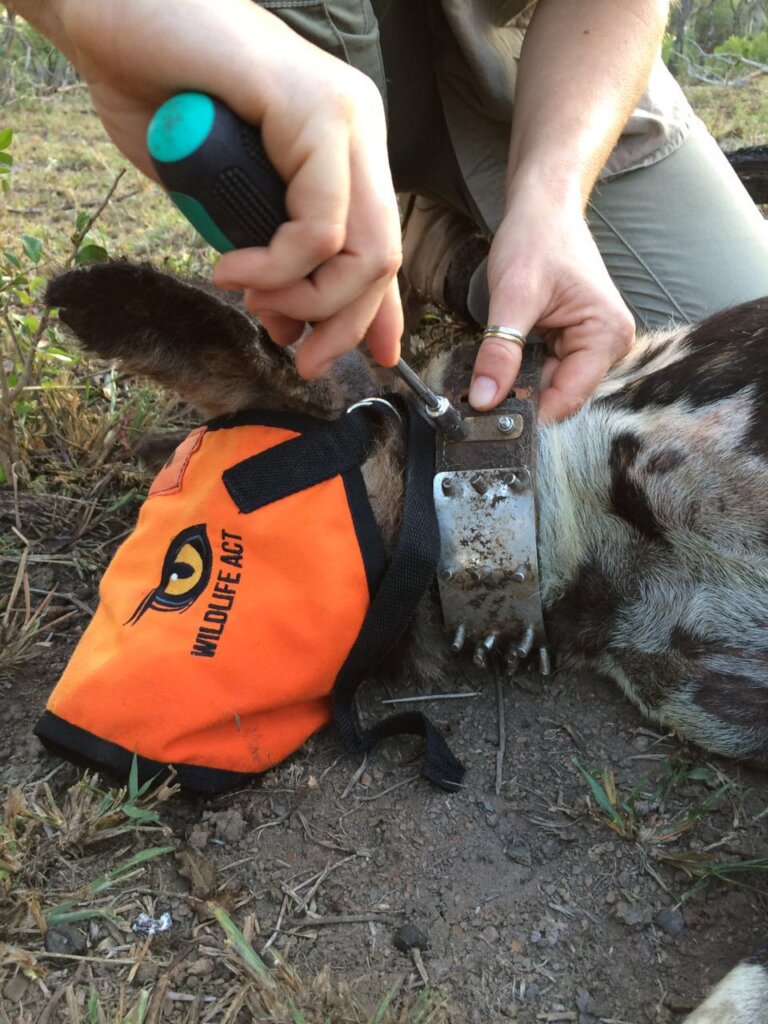
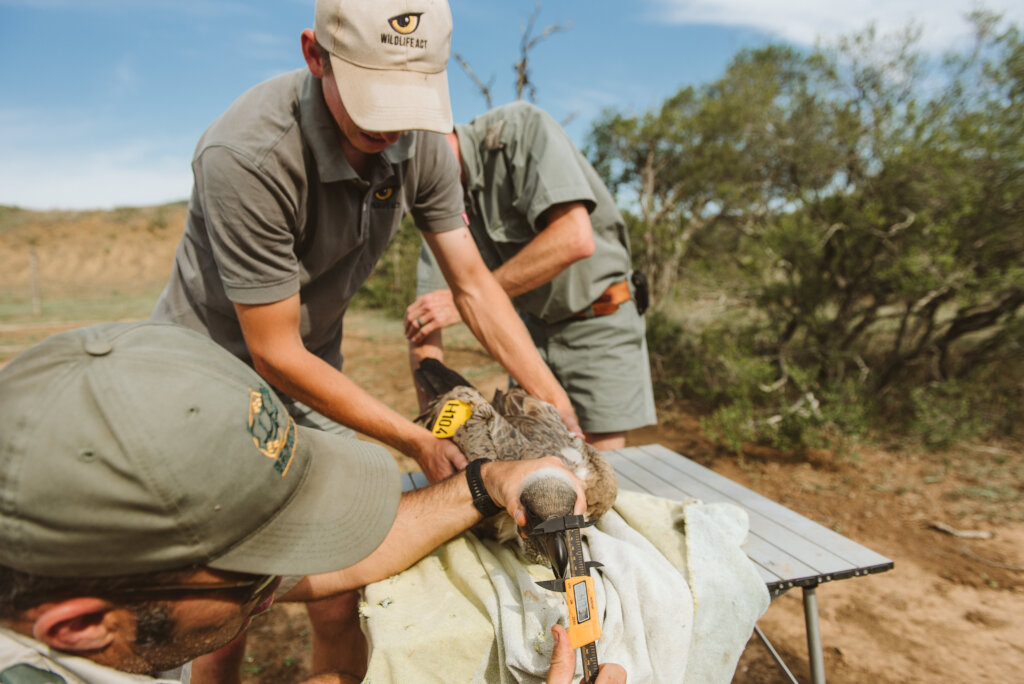
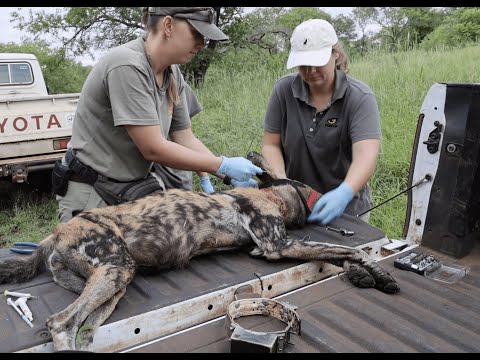
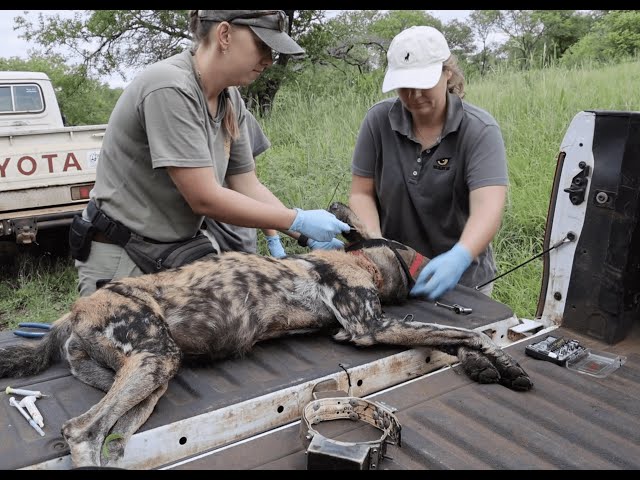
Ecologically, all species play a pivotal role in keeping our wild ecosystems in equilibrium and monitoring them assists us in protecting them, better understanding them as a species and the processes that shape the natural world we live in.
Thank you for helping us to do so! We are so grateful for your support!
Best wishes,
Pippa
Project reports on GlobalGiving are posted directly to globalgiving.org by Project Leaders as they are completed, generally every 3-4 months. To protect the integrity of these documents, GlobalGiving does not alter them; therefore you may find some language or formatting issues.
If you donate to this project or have donated to this project, you can receive an email when this project posts a report. You can also subscribe for reports without donating.



Support this important cause by creating a personalized fundraising page.
Start a Fundraiser