By Pippa Orpen | Wildlife ACTive Project Leader
Between April and August 2026, our Emergency Response Team was called out 29 times to wildlife emergencies across KwaZulu-Natal. Nine of those call-outs came in August alone, there were another eight in September. Most involved vultures, and the hardest were mass poisonings.
This update is honest about what that looked like on the ground. It is also about what a fast, trained team changes when the worst happens, and why your support matters most on the days nobody wants to have.
Five months at a glance
Emergency response, April–August 2026
(Figures are drawn from our Emergency Response Team's monthly field reports)
When a SAT/GPS tracker goes quiet
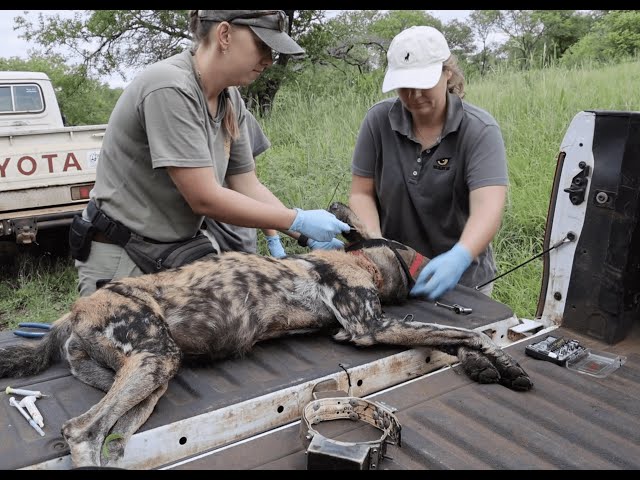
Many of the vultures we monitor carry small GPS tracking units. When a bird stops moving, the unit sends an alert, and our team goes to find out why.
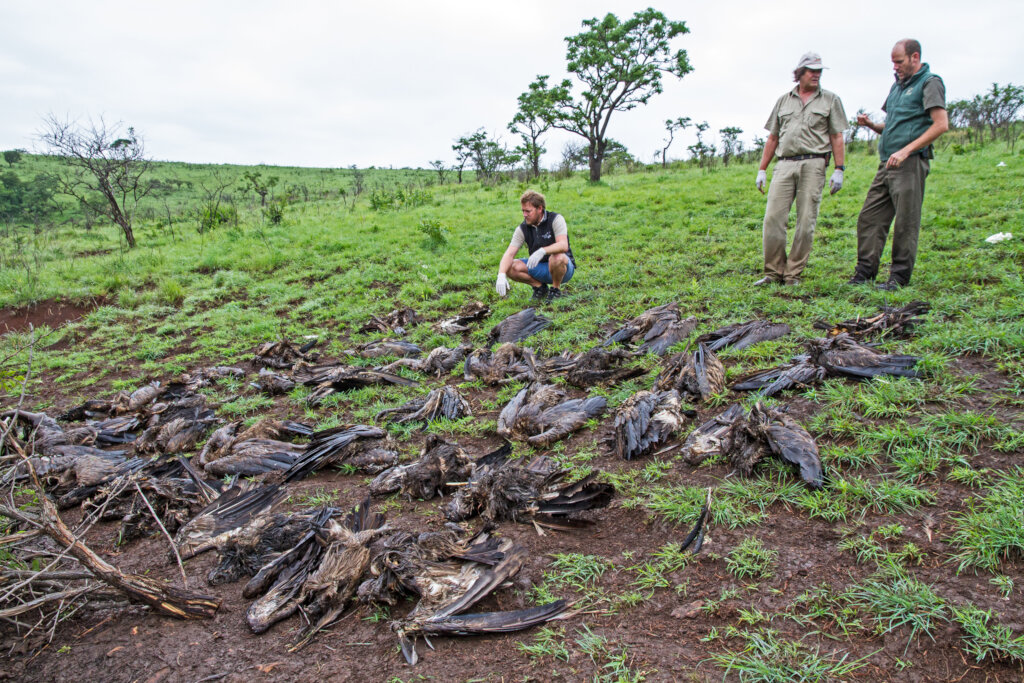
In May, a tracked African White-backed Vulture called H* stopped transmitting on a reserve in northern KwaZulu-Natal. Our team and the reserve's anti-poaching unit reached its last location the next day. They found H* dead beneath a tree with five other vultures. A zebra carcass nearby had been used as poisoned bait. A helicopter search found more birds. In total, we found 16 vultures which had died and 9 had their heads removed, a sign of harvesting for the illegal trade in vulture parts. In August, the same thing happened again on a different reserve. A tracked Lappet-faced Vulture's signal led our team to 17 dead White-backed Vultures and a Tawny Eagle around poisoned carcasses. And these are the just the individuals we are able to track…
Why speed matters
A poisoned carcass keeps killing for as long as it lies there, because more birds or other species keep arriving to feed. At each scene, our team:
Not every call ends in loss
In late August, a Lappet-faced Vulture called H* went silent on farmland. Two of our team spent most of a day searching the area on foot. That evening, H*’s tracker came back online in the middle of a nearby reserve. The bird was alive and had simply moved on.
Other call-outs turned up power line collisions. In June, our team used a drone to find a tracked Cape Vulture in a farm dam, then borrowed a boat from the landowner to recover it. We now report every suspected power line death to another NGO, which logs it with Eskom so dangerous lines can be identified and made safer.
(Given that some cases are still under investigation - the reserves, NGO’s and animal ID’s are deliberately kept unnamed).
Highlights across our other programmes
What your support makes possible
Every call-out on this page needed a trained person, a vehicle, fuel and the time to search until the job was done. Your gifts through GlobalGiving help keep our teams in the field and ready to move when an alert comes in. The work does not end when a scene is cleared. The samples we collect build the evidence for prosecutions. The power line deaths we report direct Eskom to the lines that need fixing and assist in finding solutions to these problems. We will continue to expand our vulture project work; to learn more, to help more, to save more.
Thank you
This has been a hard season for vultures in KwaZulu-Natal. It is exactly why the team that answers the call matters. Thank you for standing behind them.
With immense gratitude,
Pippa and the Wildlife ACT team
To understand more about our Vulture Crisis: https://www.wildlifeact.com/blog/vulture-crisis-human-crisis-get-involved
Watch a video here: https://www.wildlifeact.com/blog/vultures-decomposition-flight-digestion
Project reports on GlobalGiving are posted directly to globalgiving.org by Project Leaders as they are completed, generally every 3-4 months. To protect the integrity of these documents, GlobalGiving does not alter them; therefore you may find some language or formatting issues.
If you donate to this project or have donated to this project, you can receive an email when this project posts a report. You can also subscribe for reports without donating.



Support this important cause by creating a personalized fundraising page.
Start a Fundraiser