By ZHAOYI | MEDIA COORDINATOR
I. Tangjiawan Seagrass Bed Conservation Programme1. Continuing Routine Patrols and Integrating Multiple Approaches to Public Education
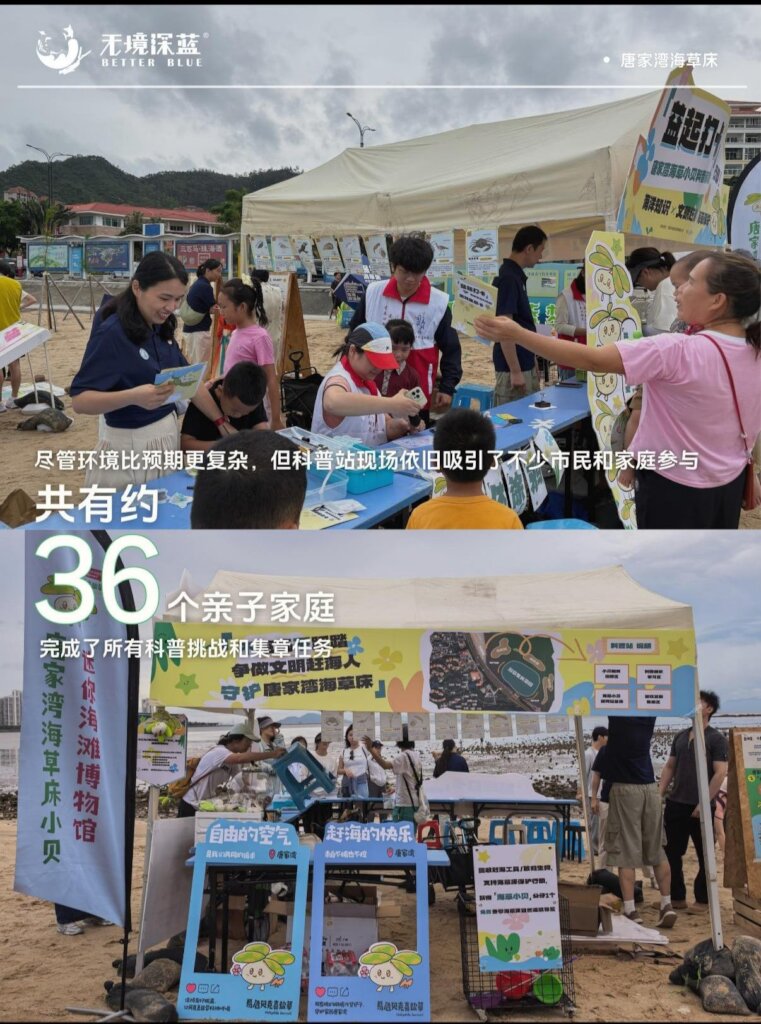
Since July, Better Blue has conducted four seagrass bed patrols, three public outreach station activities, and five educational lectures at schools and in local communities in Tangjiawan, Zhuhai, engaging a total of 95 volunteer participations.
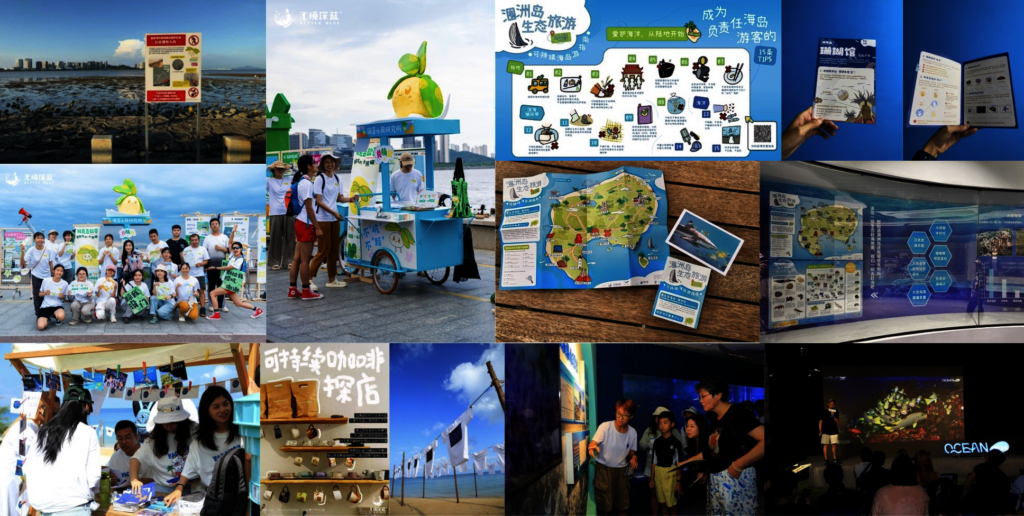
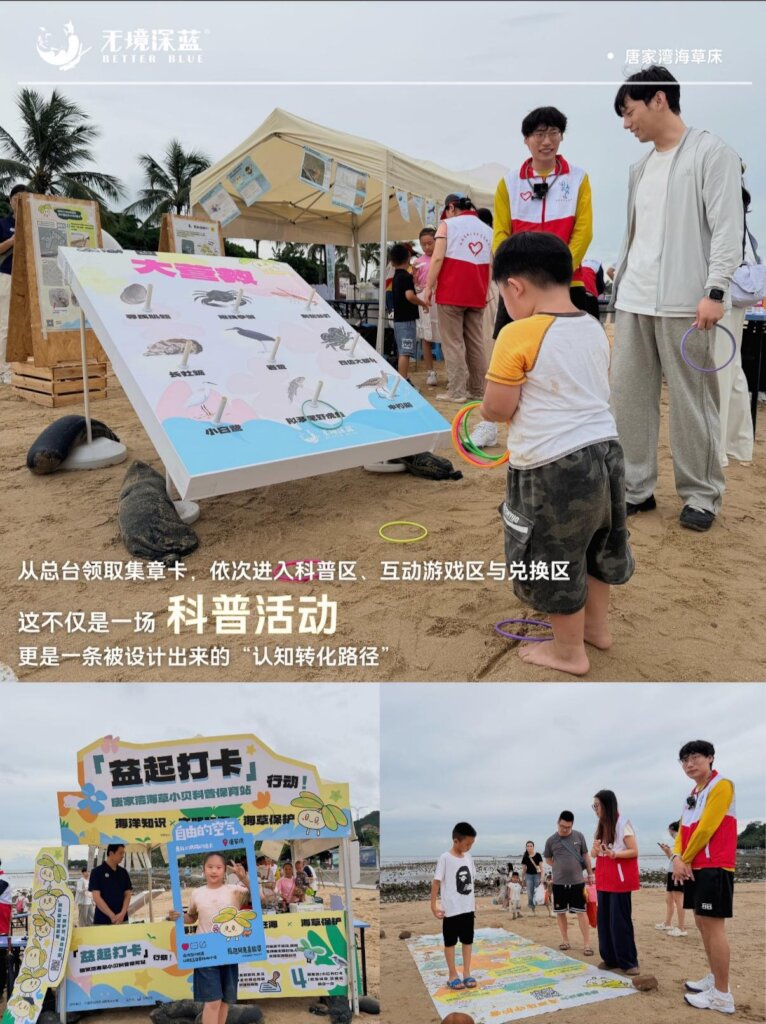
During these outreach activities, previously developed nature observation alternatives to conventional shellfish gathering activities, together with nature education products, were officially introduced. Building on the existing interactive game “Jump Across the Seagrass Bed”, two new activities, “Guess Who I Am” and “Seagrass Ring Toss”, were added to create a structured engagement pathway: educational introduction → interactive learning → conservation action.
These activities provide the public with environmentally friendly alternatives to traditional shellfish gathering, helping translate environmental awareness into practical conservation behaviour.
In addition, seagrass education posters and outreach materials were installed at 17 locations, alongside the installation of three ecological tour map signboards.
2. Introducing Alternative Nature-guided Experiences and Encouraging Public Participation in Biodiversity Recording
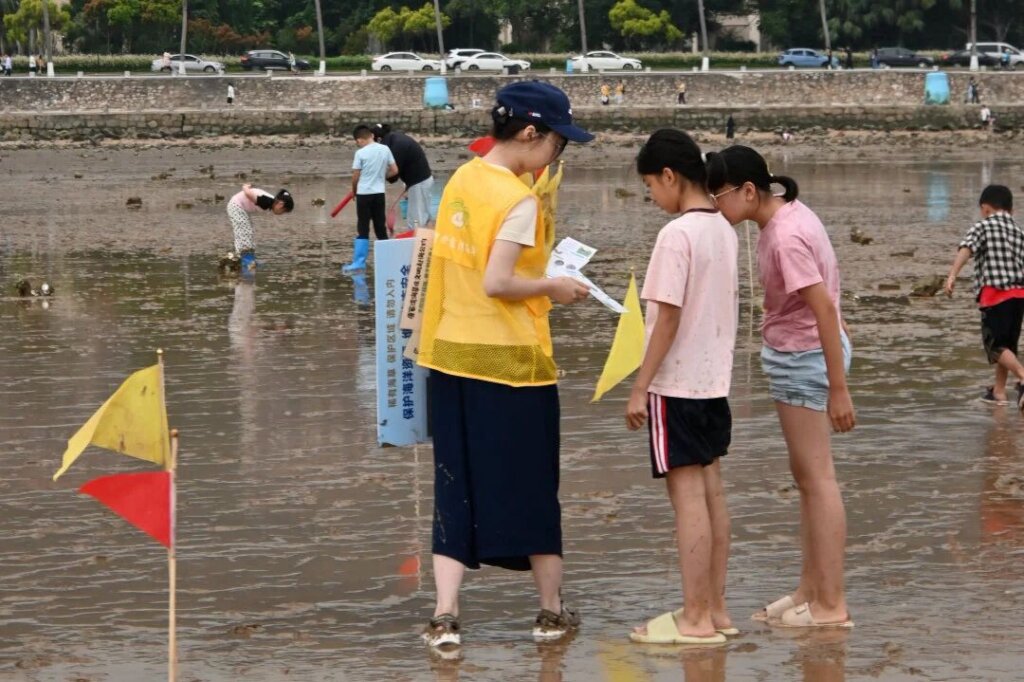
On 12 July, a guided nature experience at the Tangjiawan Seagrass Bed was successfully launched, involving approximately 20 participants from six family groups. The activity was accompanied by the Tangjiawan Seagrass Bed Patrol and Exploration Guidebook – Junior Ranger Adventure Guide Book.
Better Blue also launched the “Tangjiawan Seagrass Bed Biodiversity Observation and Recording” activity on Tencent's Wild Friends () platform, guiding participating families through a complete learning experience, from understanding seagrass and observing nature to collectively identifying and removing potential threats to the habitat.
Participants submitted 40 seagrass-related observation records through the Wild Friends mini-program, transforming public engagement into locally generated biodiversity records.
Feedback collected through the accompanying nature education evaluation indicated that participating families generally responded positively to both the educational value and the interactive nature of the activities.
3. Strengthening Citizen Science Monitoring to Build a Robust Ecological Evidence Base
On 9 August, Better Blue organised the fourth seagrass bed citizen science monitoring survey of the year, involving 11 volunteers.
Due to persistent rainfall across Guangdong during the summer, the site experienced substantial freshwater runoff and sediment burial. Monitoring data collected in August showed that the maximum seagrass coverage area was 321 m², with severe declines in both seagrass bed area and percentage cover.
At the same time, citizen science monitoring data provided an evidence base for advocating additional on-site conservation measures. These efforts helped secure the installation of protective barriers around the newly designated core conservation area, together with additional surveillance facilities in surrounding areas.
These measures have enabled more effective zonal management and the redistribution of visitor activities. Combined with routine patrols, they have substantially reduced the scale and density of human activities within seagrass habitats, allowing the ecosystem much-needed space to recover.
4. Further Tracking the Awareness and Behaviour of Intertidal Area Users
Since July, Better Blue has conducted three rounds of follow-up surveys on the awareness and behaviour of intertidal area users.
These surveys serve as post-intervention assessments following a series of conservation measures implemented between June and August, evaluating whether interventions such as public education stations, conservation signage and SMS reminders have effectively reached visitors and influenced their awareness and behaviour.
The before-and-after assessment framework provides an empirical basis for identifying priority target audiences, refining communication strategies and evaluating the effectiveness of annual conservation efforts.
5. Communicating the Ecological Value of Seagrass Beds and Encouraging Local Conservation Awareness and Action
On 11 August, Better Blue released a short video across its social media platforms entitled Discovering the Right Way to Explore Tangjiawan's Intertidal Zone, promoting the concept of ecologically responsible shellfish gathering and coastal exploration.
The video highlights that the joy of exploring the intertidal zone should not be measured by how much marine life people can collect and take home, but rather by observing intertidal organisms and experiencing nature without disturbing it.
On 30 September, Better Blue released another short video following an on-site investigation, entitled Fact-checking Popular Shellfish Gathering Content at Tangjiawan. The video addressed misleading and potentially harmful social media content promoting activities such as digging up large buckets of shellfish.
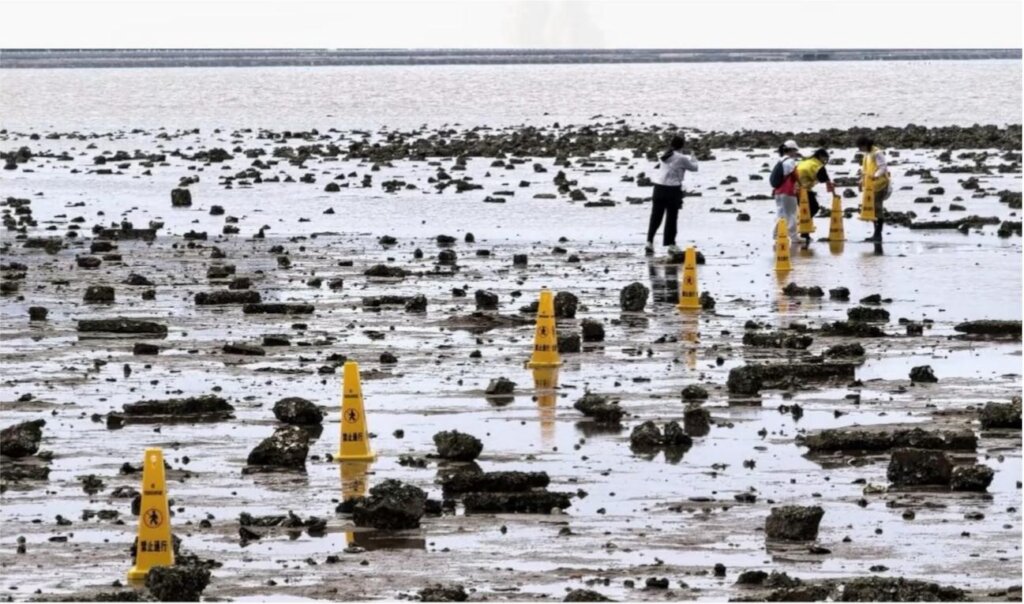
It clarified that the Jishan South intertidal gathering site includes a protected habitat of Halophila beccarii, a seagrass species, and is not an appropriate recreational shellfish gathering area. Digging and harvesting directly damage the seagrass substrate and threaten the habitats of intertidal organisms.
The video also highlighted how intensive harvesting reduces both the abundance and size of catches, placing pressure on the ecological carrying capacity of the intertidal ecosystem and increasing the risk of ecological degradation and habitat desertification.
In addition, it warned visitors of potential safety and health risks, including sinking into the muddy substrate, injuries from sharp shells and possible infection associated with proximity to a drainage channel. The public was encouraged to adopt a simple principle: observe without disturbing, rather than engaging in extractive activities.
Meanwhile, Better Blue successfully published a series of three in-depth educational articles on seagrass beds, systematically explaining the rationale for protecting the Halophila beccarii seagrass habitat in Tangjiawan through three perspectives: ecological value, historical changes and citizen science.
II. Coral Reef Conservation1. Better Blue Volunteer Team Completes Coral Reef Baseline Survey at Futoan Chau, Hong Kong
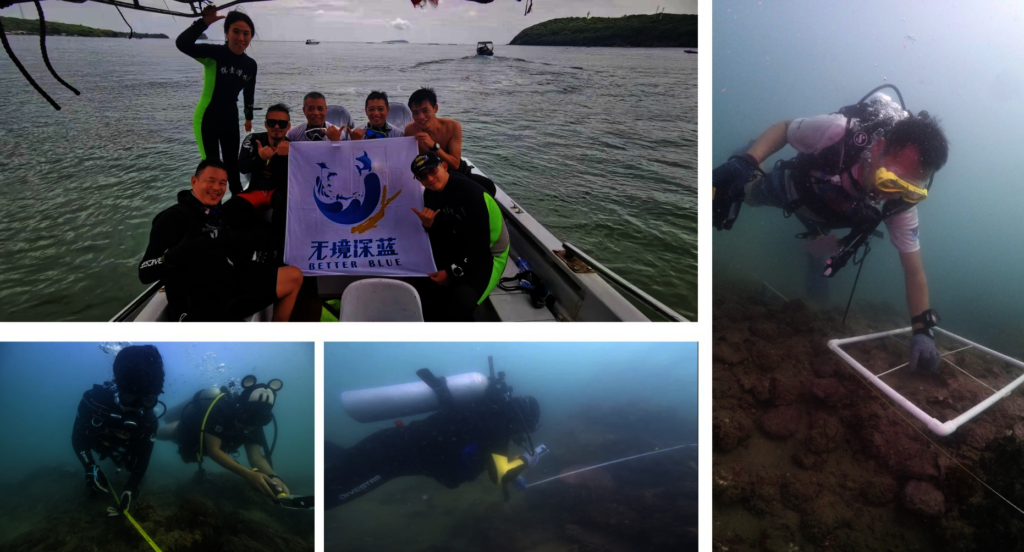
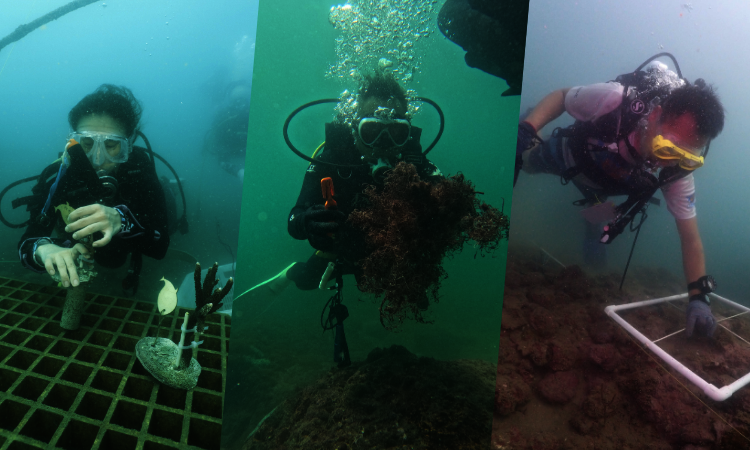
On 30 August, monthly donors and volunteers from Better Blue's Shenzhen community independently organised a coral reef survey at Futoan Chau, Hong Kong, as part of the 30th Anniversary of Hong Kong's Coral Reef Monitoring Programme.
The survey covered fish and invertebrate diversity, coral cover, coral health and human activities at the site.
Monitoring results showed a coral cover of 32.5%, an overall average coral health score of 4.65, and a coral bleaching rate of 5%. Indicator species observed included groupers, snappers, parrotfish, sea urchins and lobsters.
III. Release of the Arctic Micro-documentary Web of Life
On 15 August, China's National Ecology Day, Better Blue partnered with its Blue Planet Ambassador, actor Liu Xueyi, to release the Arctic micro-documentary Web of Life.
Through themes including glacier retreat, the interconnectedness of life, fascinating facts about the polar regions and the realities of scientific research, the documentary presents the tangible impacts of climate change.
It broadens the conventional perception of polar conservation beyond the familiar imagery of protecting glaciers and polar bears, encouraging audiences to understand the Arctic as an interconnected ecological system in which all forms of life are linked.
Behind-the-scenes footage and the documentary were released through Better Blue's official communication channels and social media platforms, generating more than 580,000 views and reads combined.
IV. Free Seagrass Education Sessions for Schools and Communities in Zhuhai
Better Blue continues to offer free applications for its Ocean Literacy Education: Seagrass Bed Programme to local schools and community organisations in Zhuhai.
Drawing on four years of project experience and scientific field surveys, the programme brings the ecological significance of the local Halophila beccarii seagrass bed in Tangjiawan directly into the classroom.
Each session lasts 45–60 minutes and is designed for groups of at least 30 participants. Topics include identifying seagrasses and seaweeds, the ecological value of seagrass beds, local marine species, major threats to seagrass ecosystems and practical conservation actions.
V. Launch of the “One Million Together, Protecting Our Blue Planet” Initiative in Partnership with Deepal Auto
On 28 September, Better Blue partnered with Deepal Auto to officially launch the public welfare initiative “One Million Together, Protecting Our Blue Planet”.
Leveraging technology, corporate platforms and public communication channels, the initiative connects frontline marine conservation practices with corporate social responsibility.
Through this partnership, both organisations aim to amplify public awareness of marine conservation, broaden the foundation for public participation and bring more people together to protect our blue planet.
By Xuelian Liu | Project Manager
Project reports on GlobalGiving are posted directly to globalgiving.org by Project Leaders as they are completed, generally every 3-4 months. To protect the integrity of these documents, GlobalGiving does not alter them; therefore you may find some language or formatting issues.
If you donate to this project or have donated to this project, you can receive an email when this project posts a report. You can also subscribe for reports without donating.


Support this important cause by creating a personalized fundraising page.
Start a Fundraiser