By Halumba Munachonga | Programs Leader
During the past six months Ndola Nutrition Organisation in partnership with Global Giving have been implementing a community based project aimed at Protecting girls from early and forced marriages (PGEF) in 9 rural communities of Luanshya and Ndola Districts of the Copper belt Province of Zambia. This document outlines the account of the project implementation to date.
2. PROJECT CONTEXT
Zambia is among the many countries in the Southern region of Africa that continues to be faced with high levels of gender based violence, teenage marriages and negative cultural beliefs that hinder the development of girls: including inadequate information and education on their Sexual and Reproductive Health Rights (SRHR). Young women and girls in the targeted communities have no opportunity to choose whether, when, and with whom to engage into sexual activity; to choose whether and when to have children; and to access the information and means to do so. The girls have no ability to seek, receive, and impart information related to sexuality, receive sexuality education, have respect for bodily integrity, choose their partner, decide whether or not, and when, to have children and pursue a satisfying, safe, and pleasurable sexual life.
3. PROJECT BACKGROUND.
To address the problems stated above immediate interventions were needed and as such Ndola Nutrition Organization partnered with Global Giving to raise the needed resources to undertake the project. The planned interventions aimed at building the capacity of young women and girls in seeking education, health, and gender equality in rural areas by; engaging and dialoguing with the community leadership, tradition leaders, local based groups and families addressing negative social and traditional factors that exacerbate the practice of child marriages; through community awareness meetings, small group and family centred discussions. The project also envisaged to establish and operationalise community based support groups in all project areas, involving mothers, traditional leaders, church leaders, men and women, girls and boys at community level to engage and sensitize other community members through community meetings, small group and family centred discussions. The support groups will later be provided with communication devices adaptable to rural environments for providing fast track responses, feedback and referral to all the reported cases on early marriages between the support groups and the clinics, hospitals, victim Support Units of Zambia Police for post traumatic services and possible prosecution of perpetrators.
4. PROJECT OBJECTIVES
Objective 1
To increase the number of girls and young women in rural areas prevented from early and forced marriages through conducting community mobilization, awareness raising and small group discussions in 9 rural communities of Luanshya and Ndola Districts of the Copper belt Province of Zambia reaching 780 girls by June 2019.
Objective 2
To strengthen the capacity of community, traditional, village leaders in reducing early and forced marriages through community mobilization and awareness raising; engaging and dialoguing with the men, women, girls and boys in 9 rural communities of Luanshya and Ndola Districts of the Copper belt Province of Zambia reaching 19, 200 beneficiaries by December 2017.
PROGRESS TOWARDS ACHIEVEMENTS
PROGRAM STRATEGIES
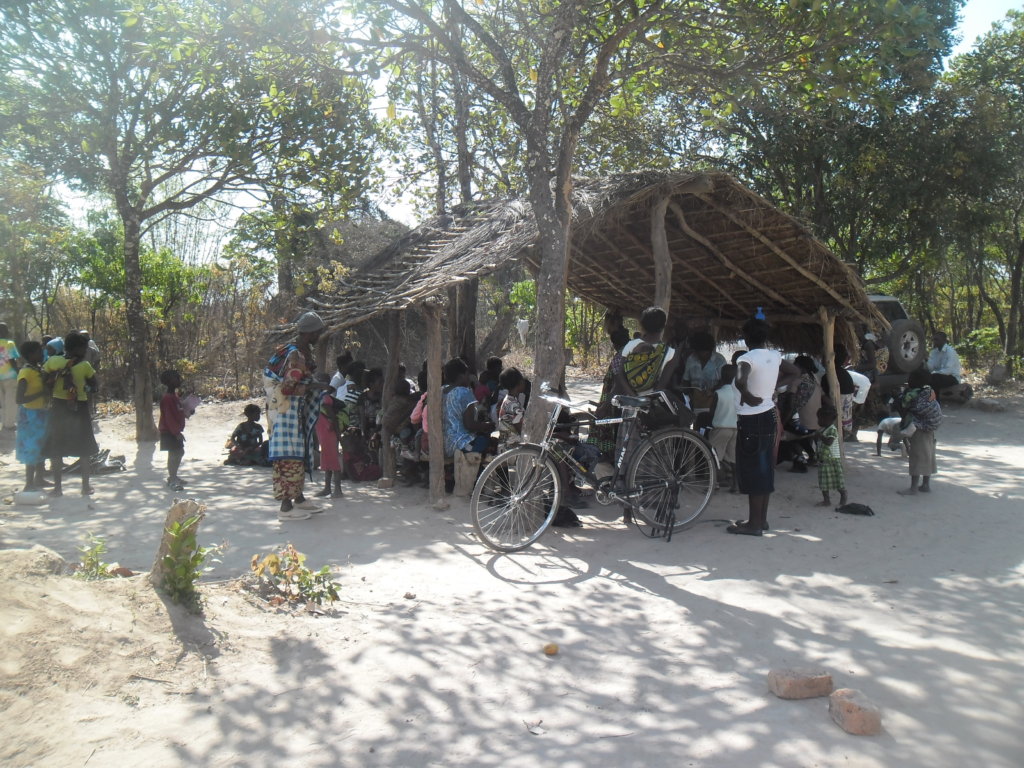
The project has so far conducted the following activities:
Project Impact
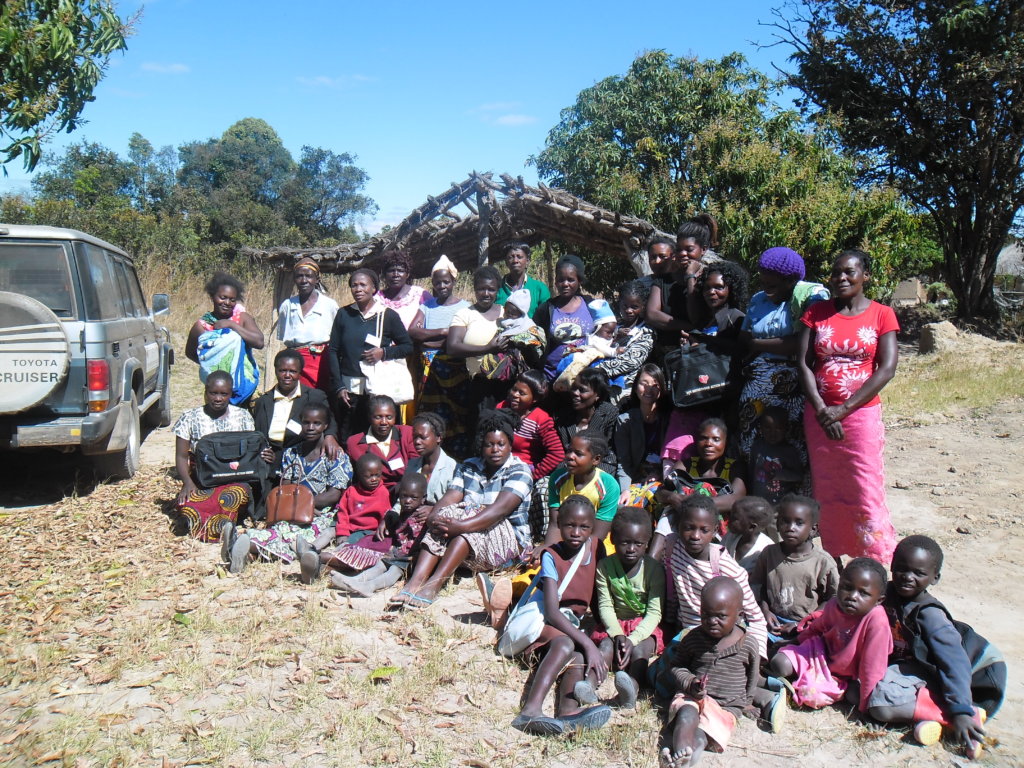
The project has so engaged and dialoged with 687 men, women, girls and boys seeking to build their capacity to reduce early and forced marriages and community level indicating 4% achievement against a two year target of 19, 200 beneficiaries.
The project has also reached 55 girls and young women through community mobilization, awareness raising and small group discussions addressing early and forced in rural settings indicating 7% achievement against a two year target of 780 beneficiaries.
Project reports on GlobalGiving are posted directly to globalgiving.org by Project Leaders as they are completed, generally every 3-4 months. To protect the integrity of these documents, GlobalGiving does not alter them; therefore you may find some language or formatting issues.
If you donate to this project or have donated to this project, you can receive an email when this project posts a report. You can also subscribe for reports without donating.