By Jo B | Supporter Care
Our ground-based conservation partners in Uganda had a challenging and busy year in 2022, but with continued support from DSWF their conservation projects have continued to progress successfully.
Lion Monitoring
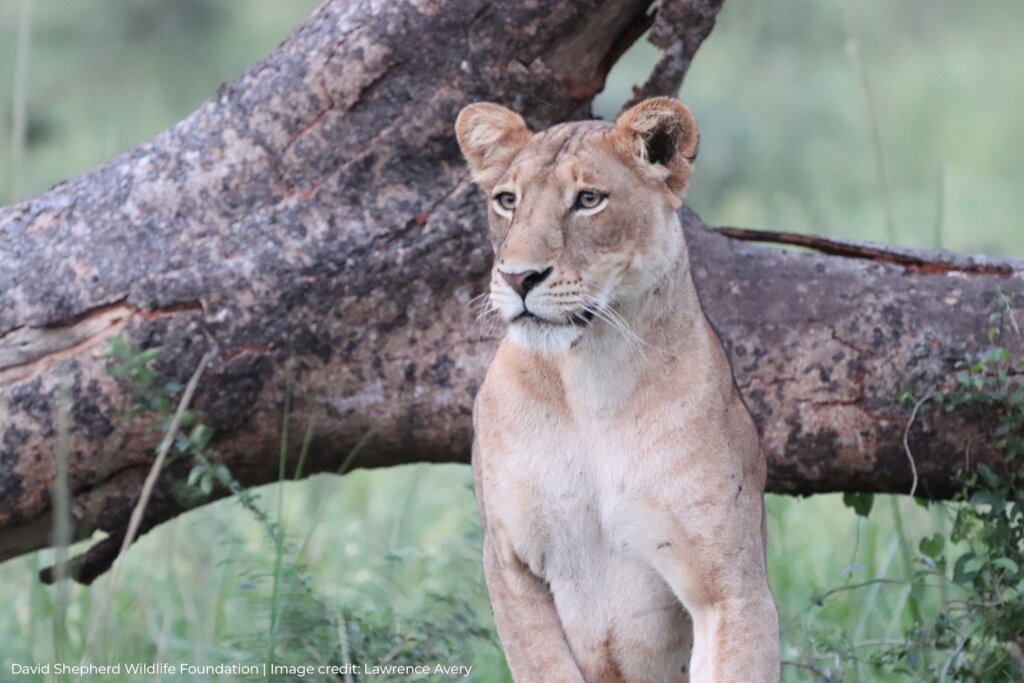
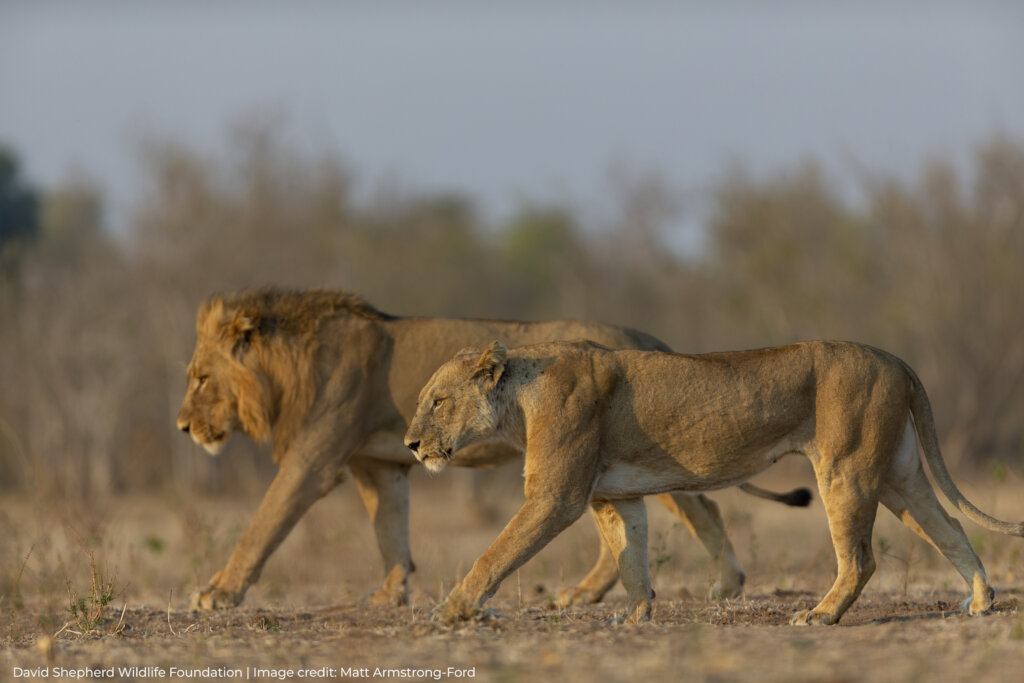
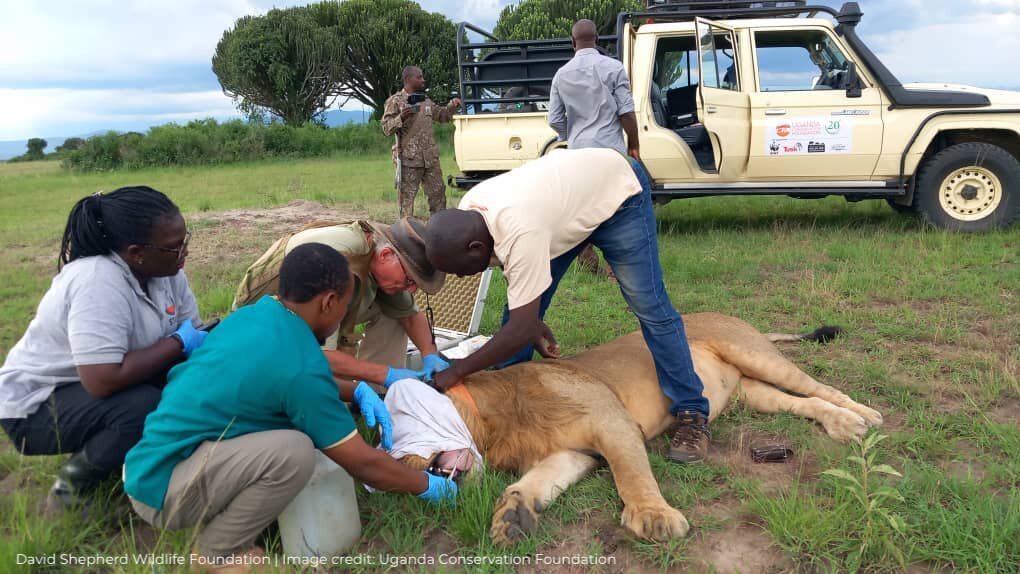
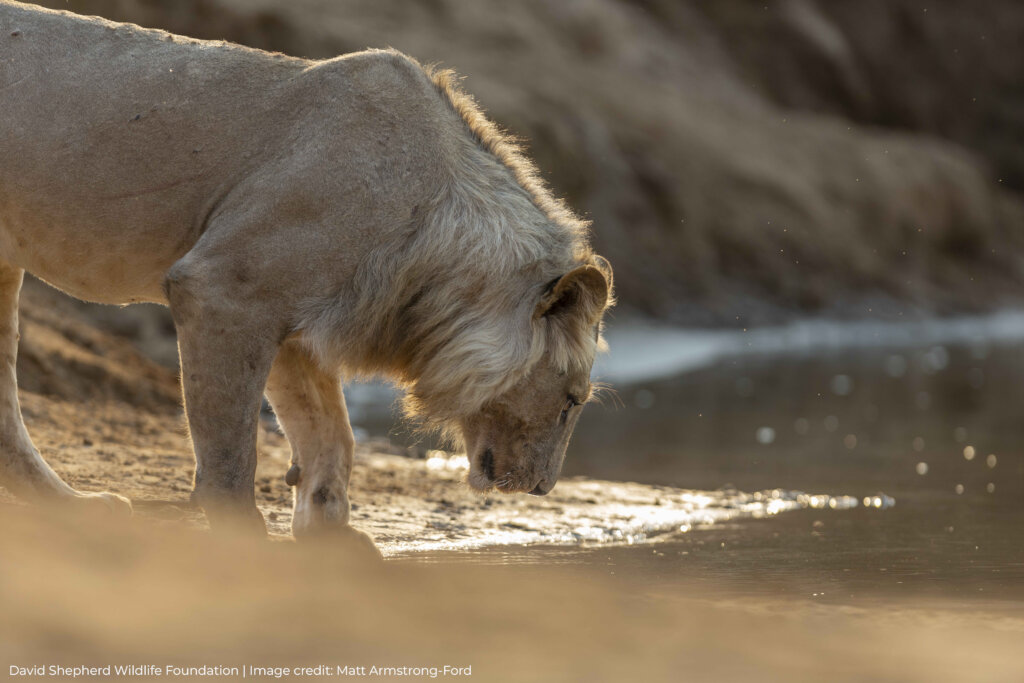
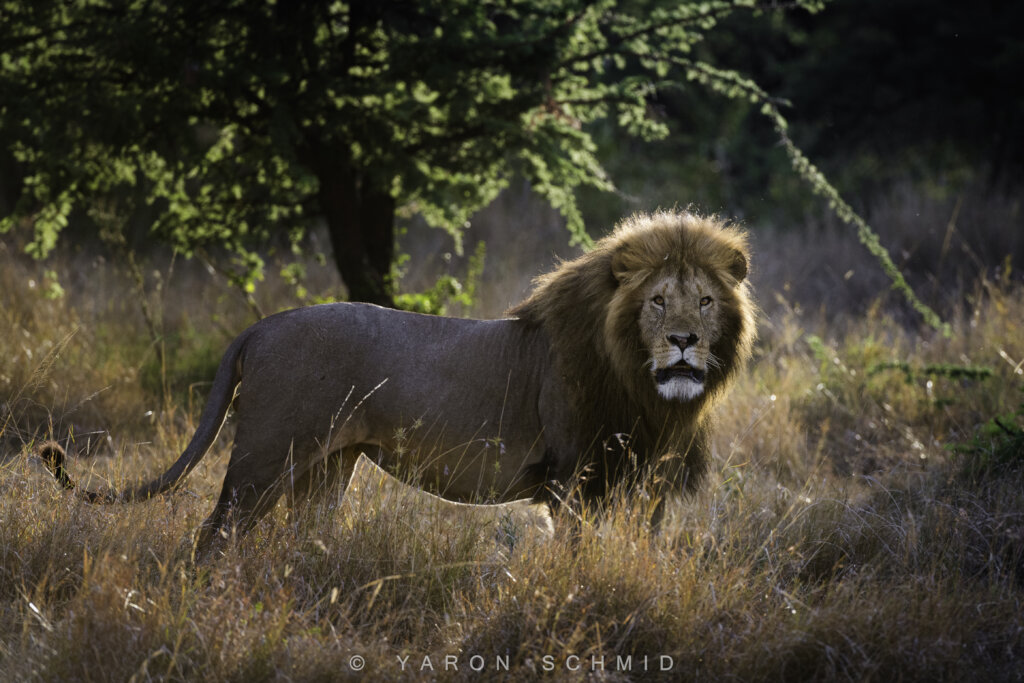
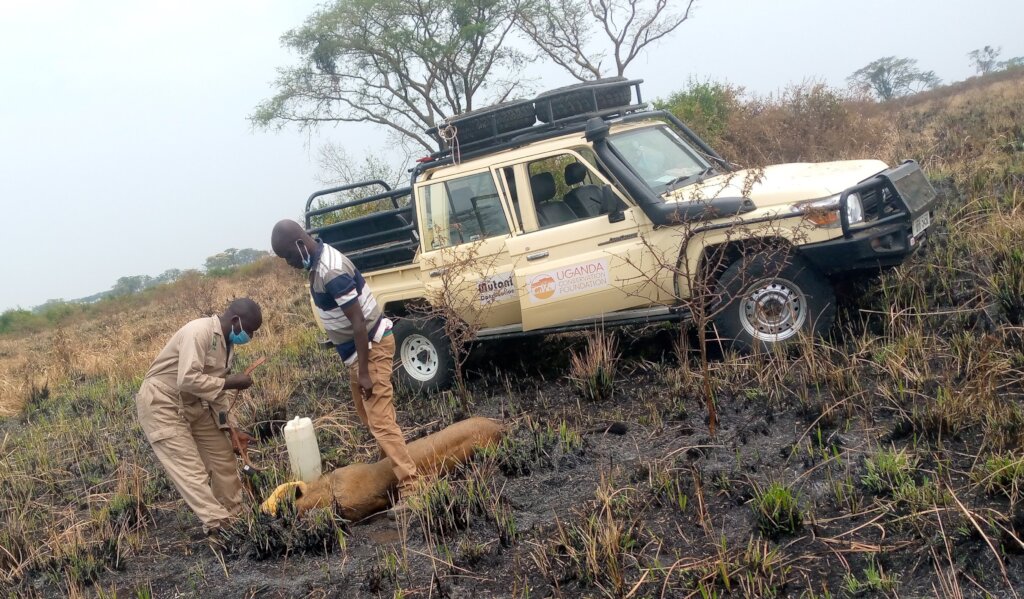
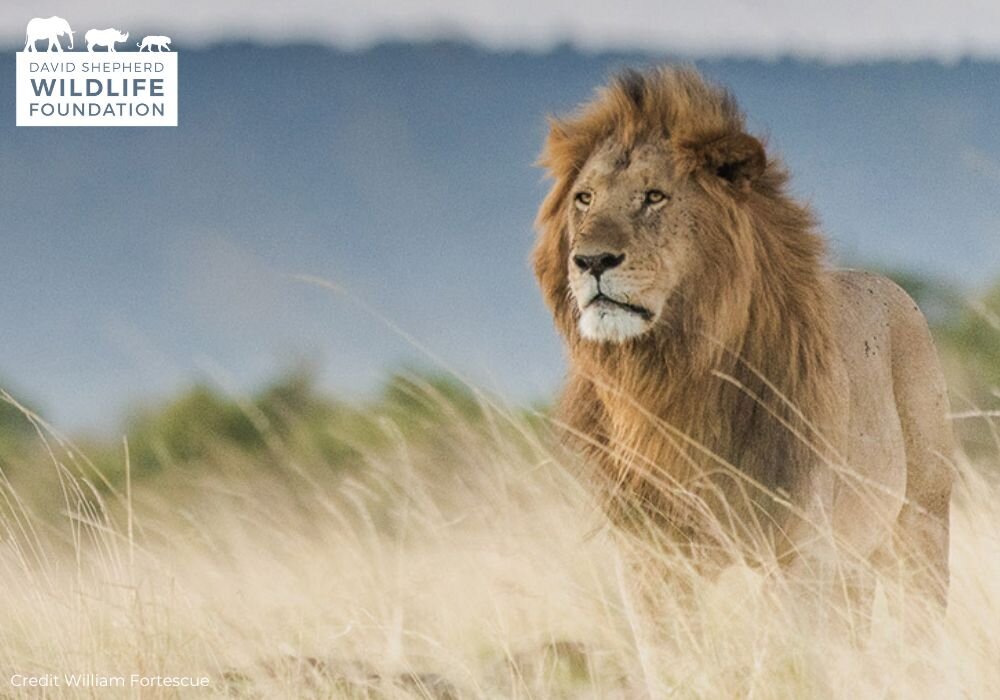
The identification, monitoring, research and collaring of lions is ongoing with four new individuals recently being identified as viable candidates for collaring. The project is now awaiting veterinary availability for collaring to be carried out. Rangers and scouts continue to monitor and record all lion sightings within the area as well as tracking existing collared lions through the use of EarthRanger technology which forms a live map of wildlife populations within the area.
Community Development
Our partners community outreach programmes have helped identify the 20 families living adjacent to the national park who would benefit most from livelihoods improvement programmes, which are aimed at improving coexistence between local villages and lions in the area. The main impact focus here is with young adults to provide them with vocational training. This would provide skills like masonry and mechanics which can provide an alternative livelihood to poaching and illegal wildlife activity.
Our partners ability to respond to human wildlife conflict incidents has improved in recent months with rangers from the new community conservation ranger posts responding to human wildlife conflict incidents in a timely and professional manner, reducing the risk of harm to both people and wildlife.
Anti-Poaching
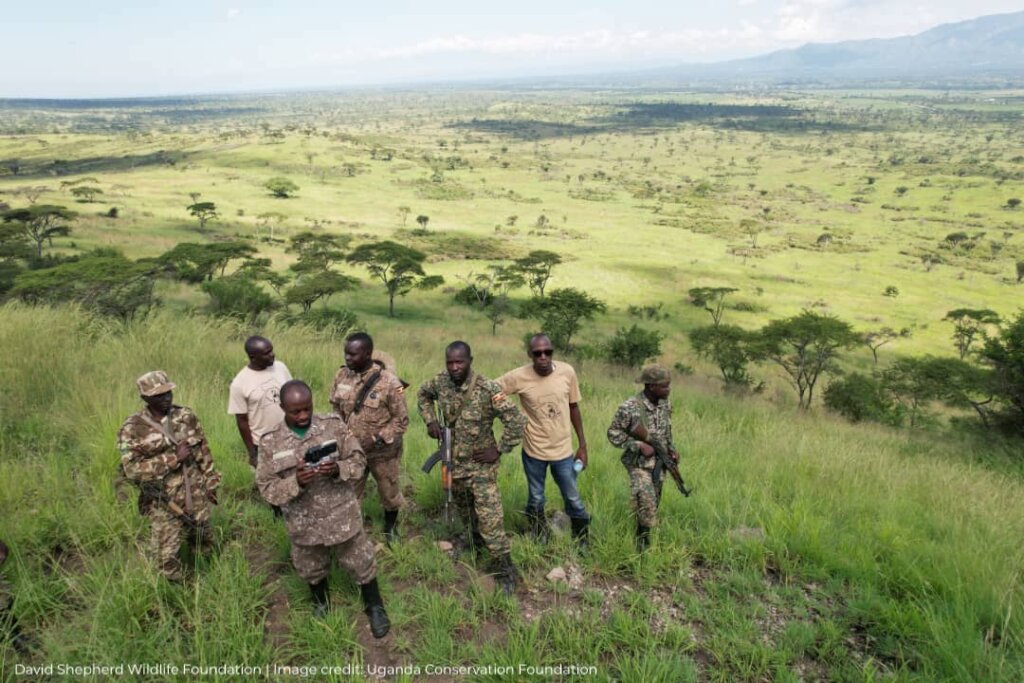
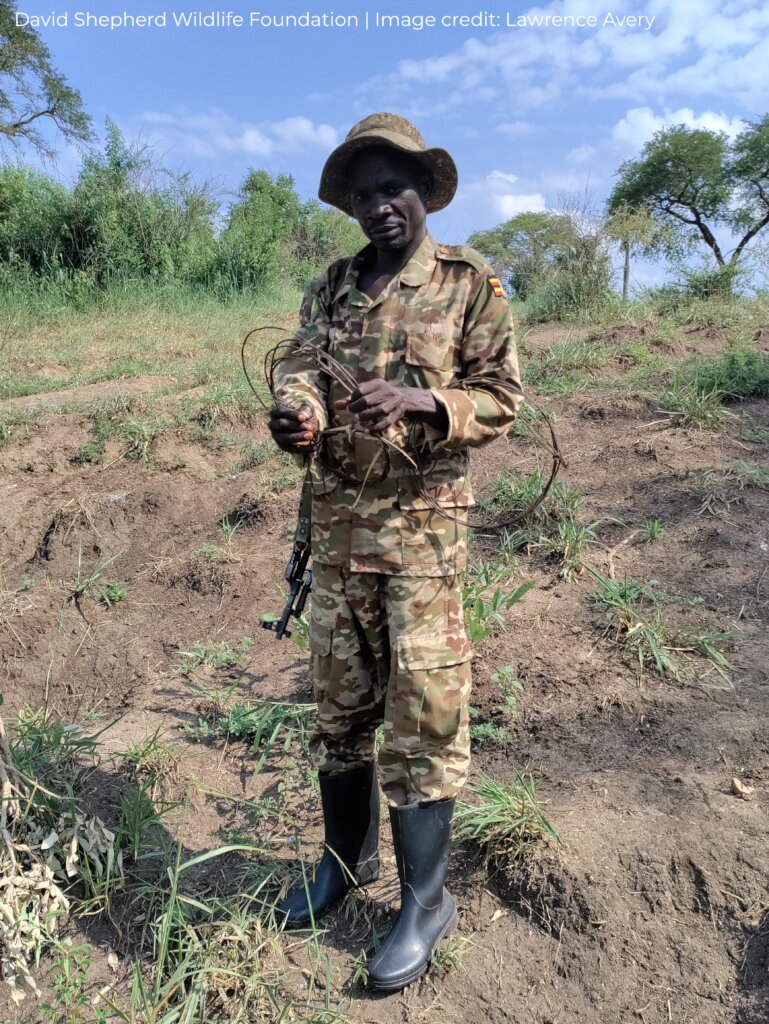
A team of community scouts have received basic ranger training as well as various specialist training and mentorship facilitated by our partners, including the British Military, marine ranger training and other vocational courses from a local college. The scout teams assist with anti-poaching efforts including snare removal patrols and cover the poaching hot spots, providing an extra deterrent. The snare removal teams have been very successful and continue to remove tonnes of snares and traps from the national park.
Two mobile anti-poaching units have been sustained over the past year which patrol across vulnerable and recovering landscapes in which vital lion populations reside. Each anti-poaching team comprises six community scouts, two rangers to provide security, and one driver with a Land Cruiser providing logistical support.
The ‘Community Conservation Quick Reaction Force’, which acts a rapid response anti-poaching unit, have received vital equipment including smartphones and digital radios and have received training in their use. This has made a significant difference to the reporting, tracking and monitoring of wildlife in the area.
The ongoing anti-poaching work and snare removal patrols form part of a larger strategy to disrupt poaching to ensure less than 5% of animals are killed across the area. This will ensure the national parks wildlife populations will have a chance to recover. The cost to poachers, and risk of poaching, has now increased within the area which has led to a drastic reduction in the killing of wildlife.
Stay up to date with our work and how your generous support is making a difference, receive exciting wildlife conservation stories and hear about forthcoming campaigns, fundraising initiatives and events: Stay In Touch
By Jo B | Supporter Care & Database Executive
By Jo Briffitt | Supporter Care & Database Executive
Project reports on GlobalGiving are posted directly to globalgiving.org by Project Leaders as they are completed, generally every 3-4 months. To protect the integrity of these documents, GlobalGiving does not alter them; therefore you may find some language or formatting issues.
If you donate to this project or have donated to this project, you can receive an email when this project posts a report. You can also subscribe for reports without donating.