By Jo B | Supporter Care & Database Executive
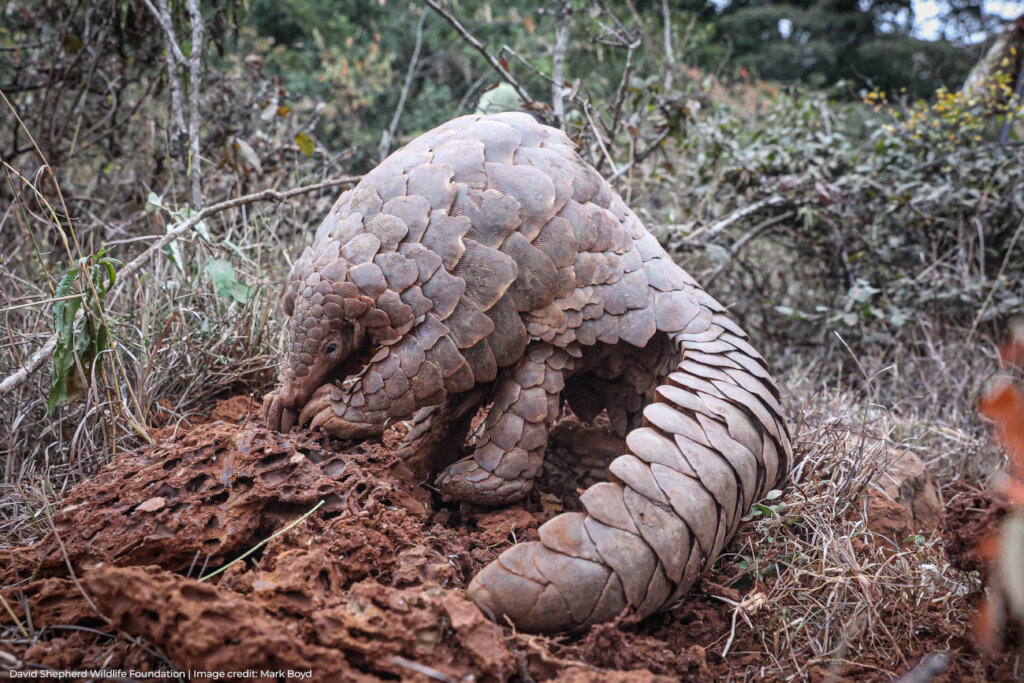
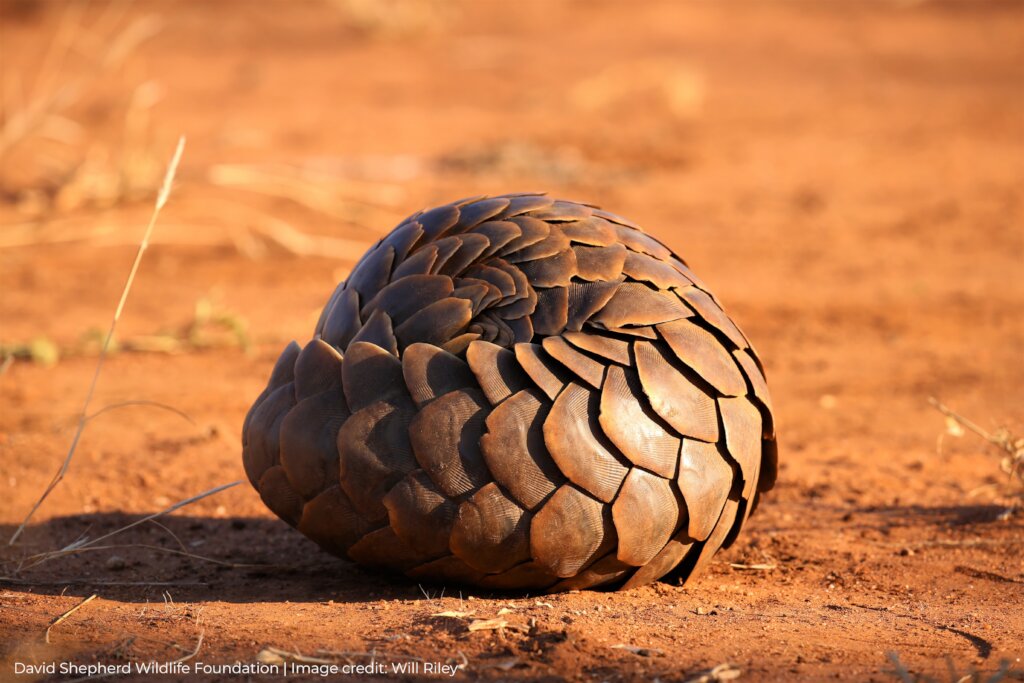
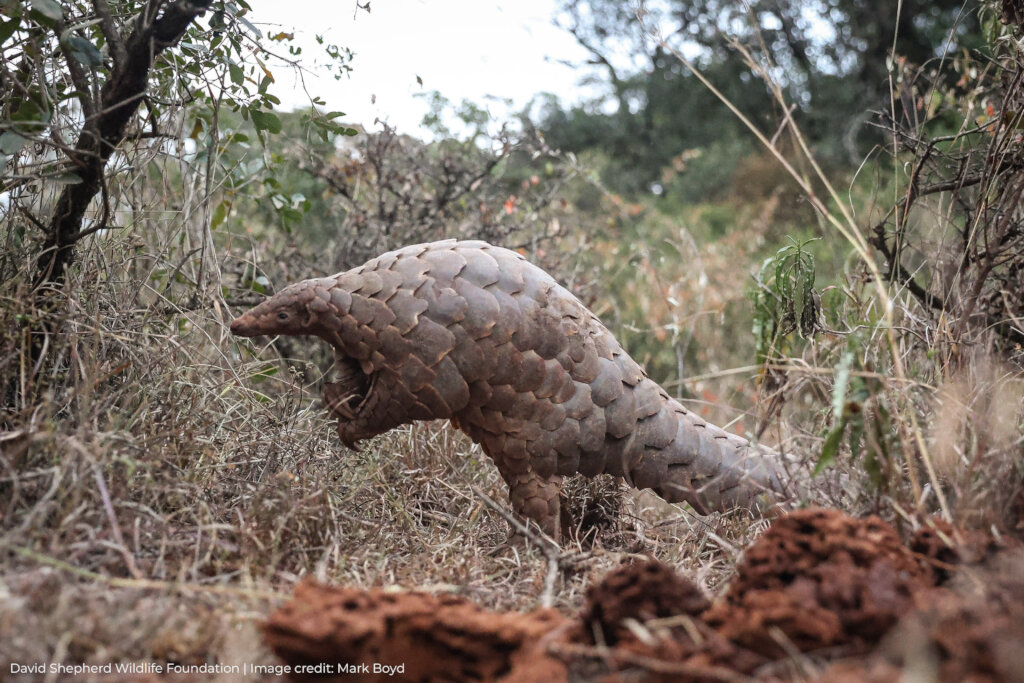
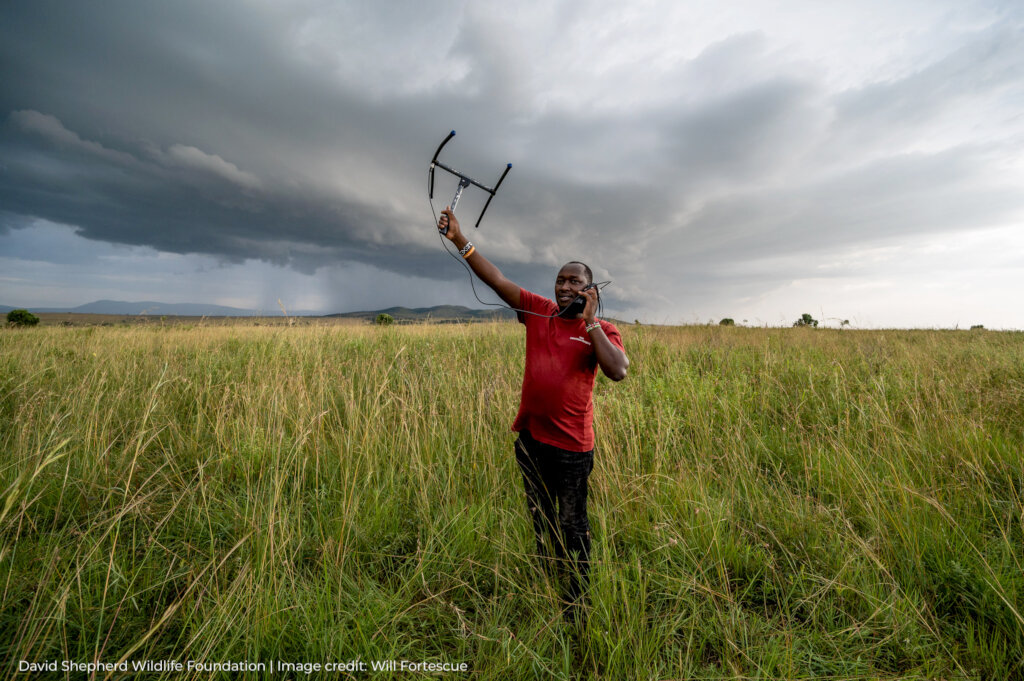
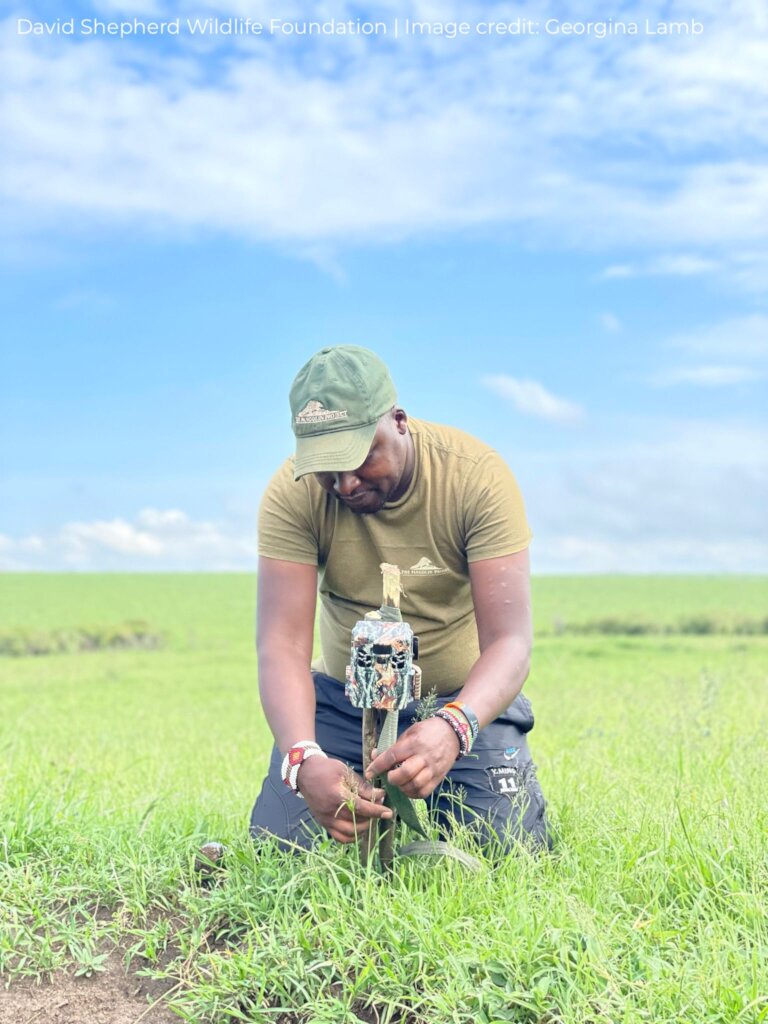
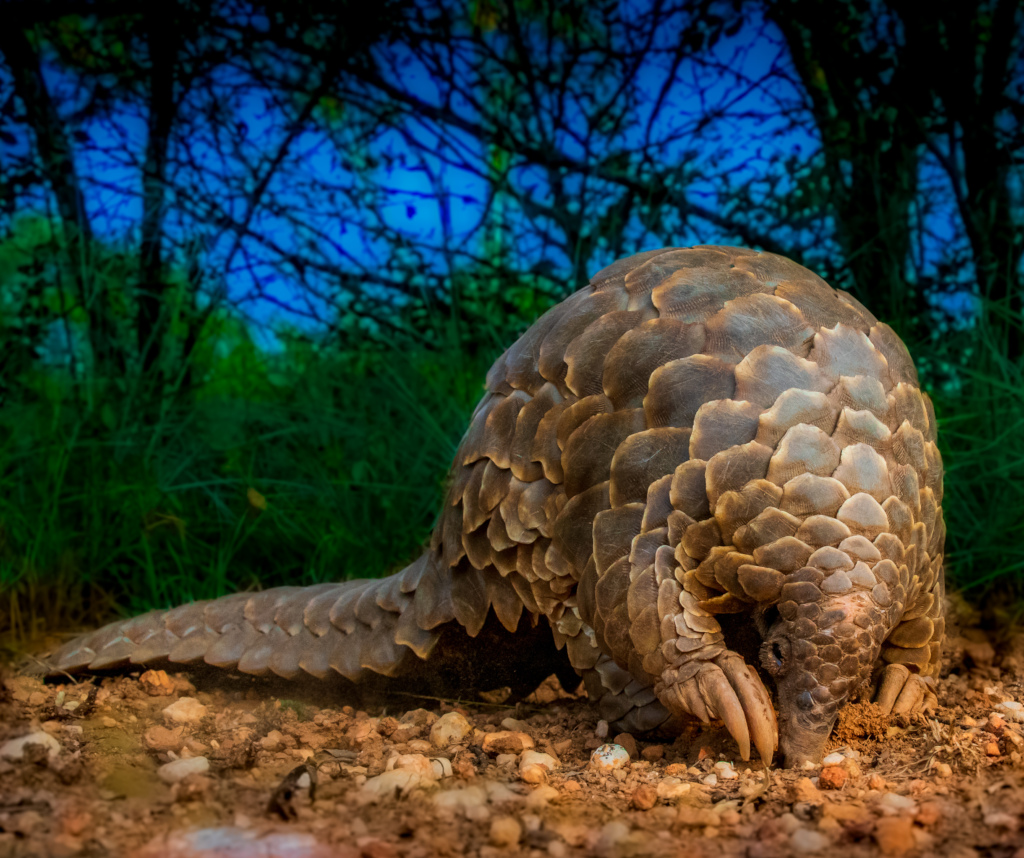
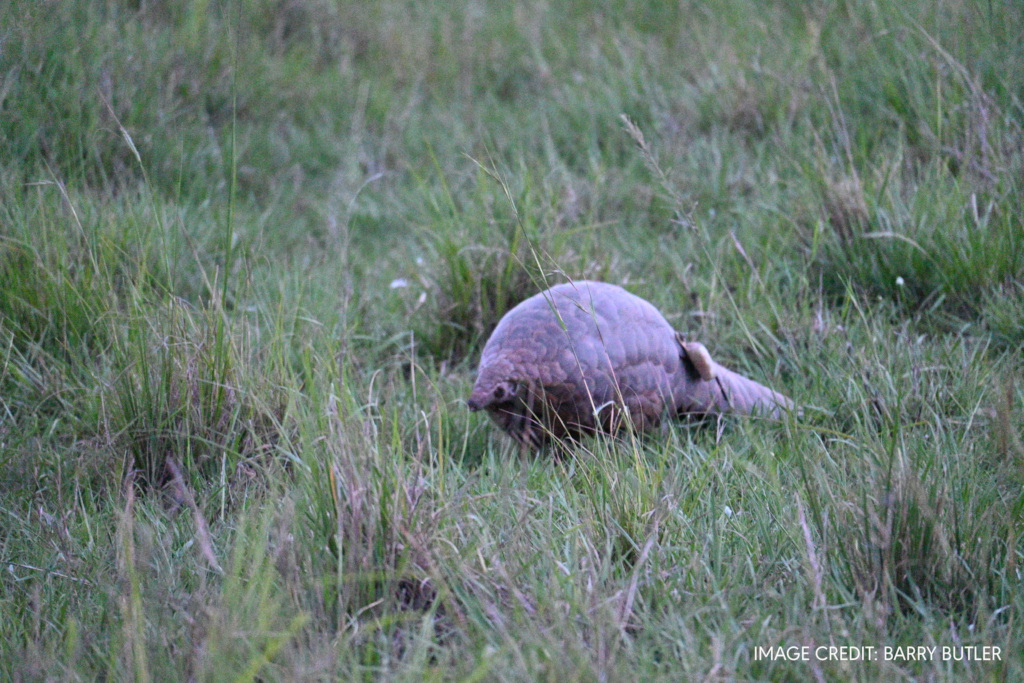
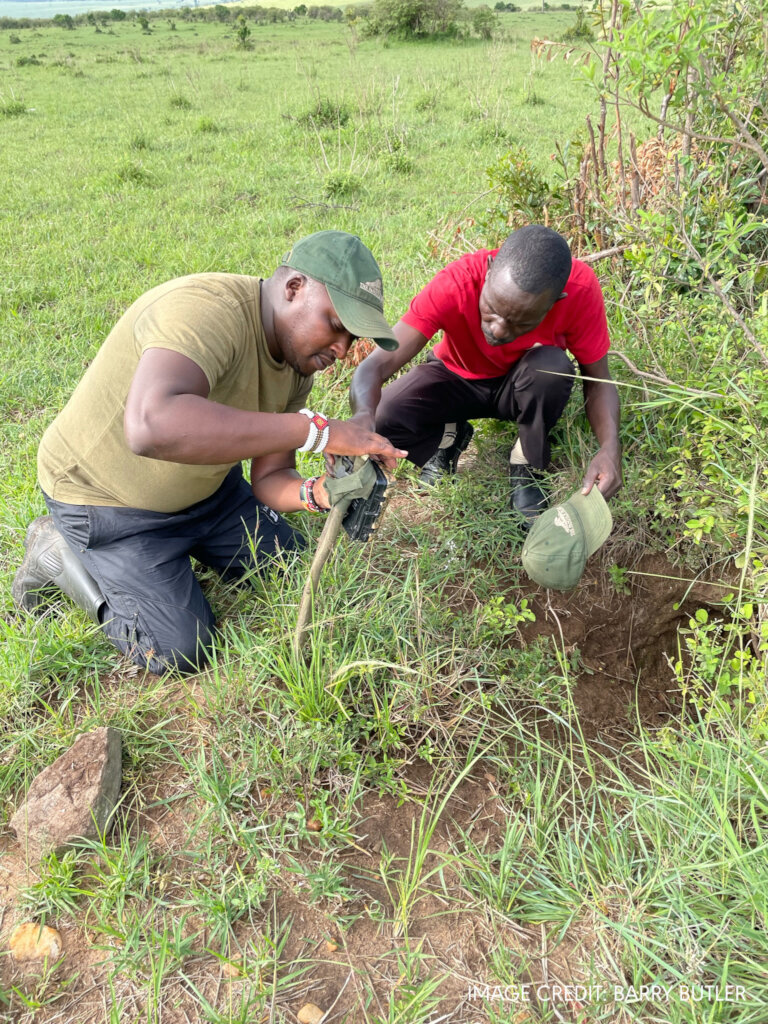
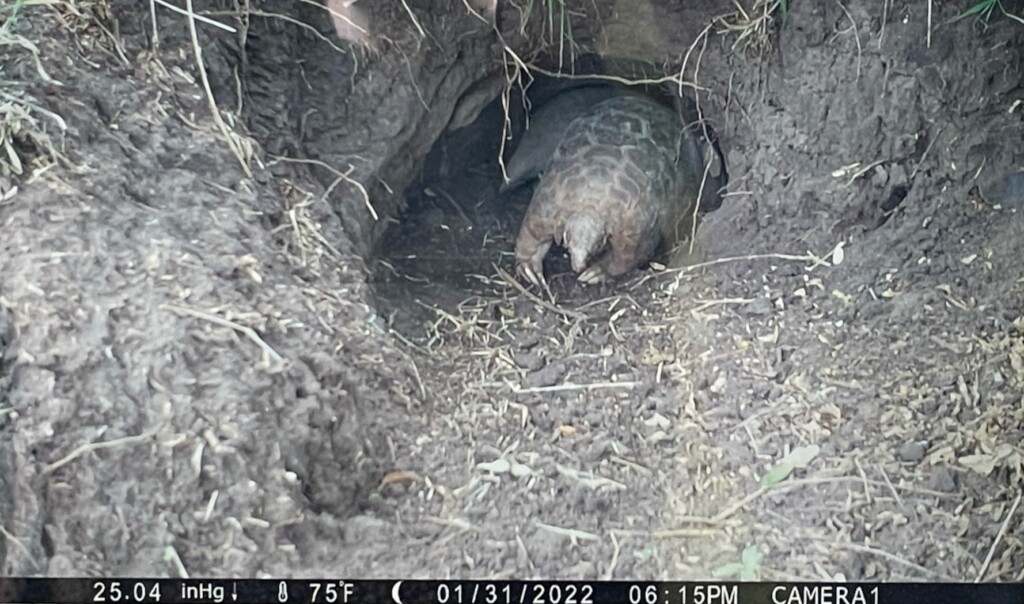
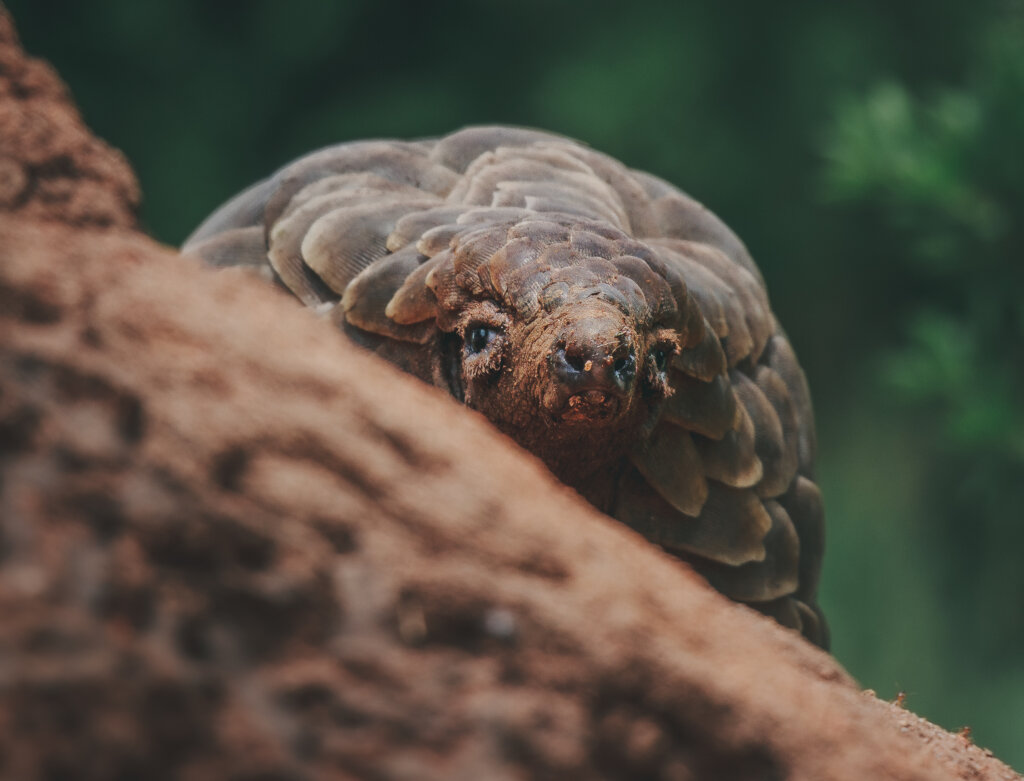
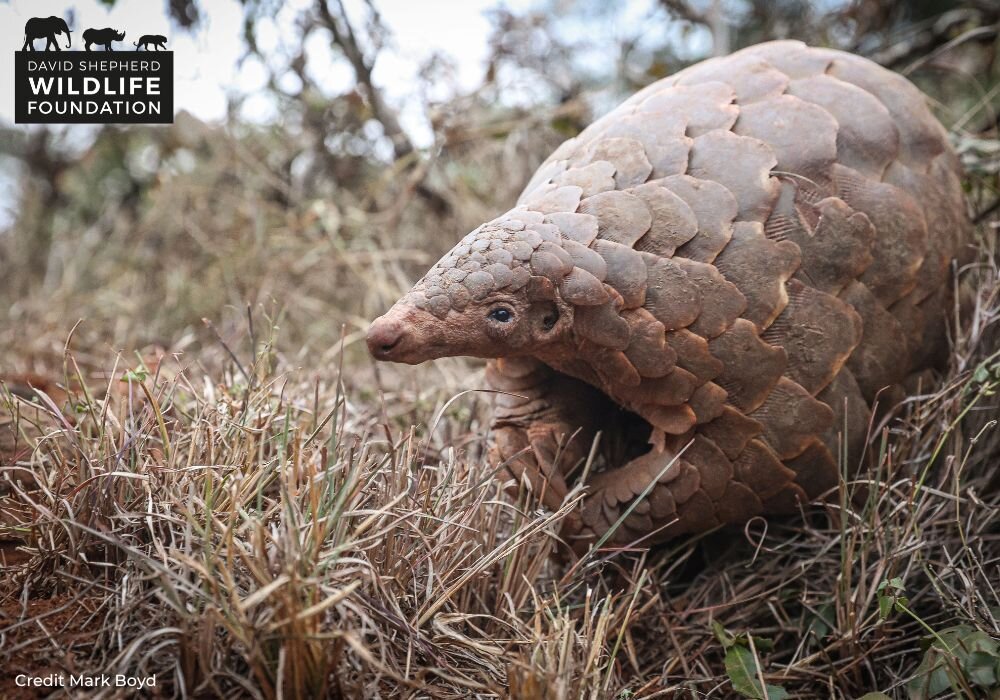
Throughout the last 12 months our ground-based conservation partners in Kenya, The Pangolin Project have continued to identify key areas with relatively high frequency of sightings of Temminck’s Ground Pangolin through employment of community-based pangolin guardians. The guardians receive specialised training, and their focus has been on identifying priority areas of focus through identifying areas with a relatively high frequency of pangolin sightings. With more boots on the ground, they have expanded their range of surveyed, monitored and protection areas and worked increasingly closely with Kenya Wildlife Service. This has resulted in an increased number of reports of pangolins held by community members and an increased frequency of pangolin scales recovered, reported and secured by the Kenya Wildlife Service. In addition, through the process of establishing the pangolin guardians they have created increased awareness amongst community leadership, county leadership and conservancy board members about pangolins and the need to conserve them which has led to increased collaboration.
Pangolin Project highlights and statistics from June 2021 to May 2022:
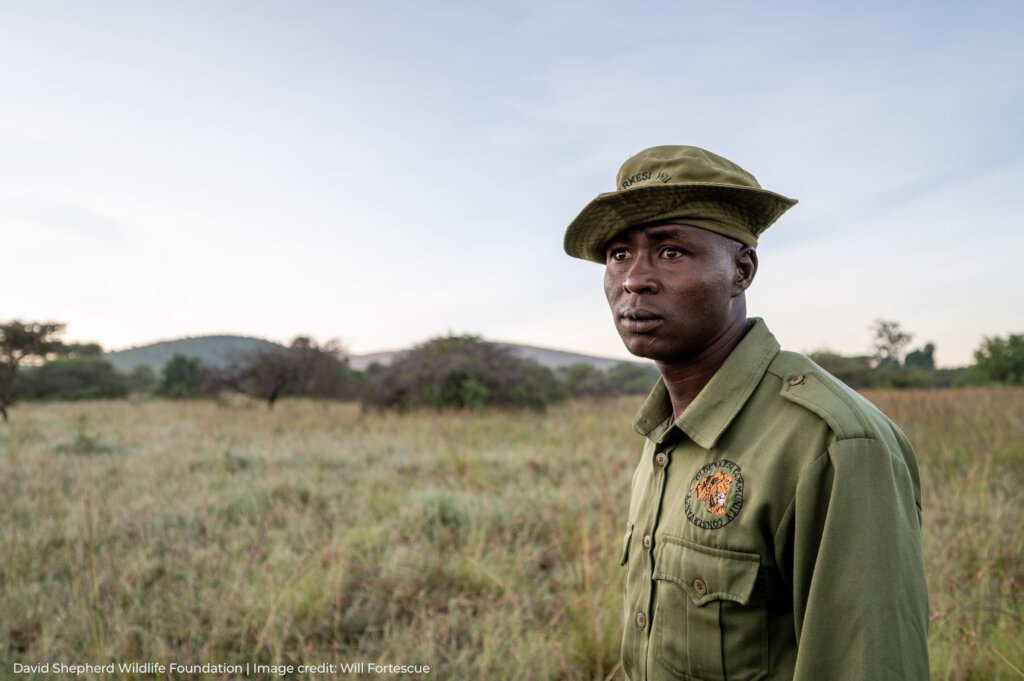
The Pangolin Project has used the sighting data from the last year to focus their activities in 2022 on specific regions due to the increased presence of giant ground pangolin, the relatively high frequency of reported sightings and increased threats within these areas, which include habitat loss as a result of rapid deforestation, electric fence electrocution and poaching. A team of six pangolin guardians will be full time employees to monitor these areas and work with the communities living alongside them.
As well as delivering key messages, the communities will be offered an incentive scheme if they report a giant pangolin Sighting. The pangolin guardians will act as a conduit for these reports. They will be required to respond immediately and will initiate a rapid response team that will respond to any reported giant pangolin incidents and either: 1. Attach a monitoring tag to the pangolin 2. Assist in relocation of the pangolin if required 3. Assist in moving carcasses and scales to a secure location with Kenya Wildlife Service. Through swift reporting and response our ground-based conservation partners can continue to provide protection for this rare species.
This report highlights the important work of just one of our ground-based conservation partners protecting the pangolins across Africa which is only made possible with your support. Thanks to loyal donors like you DSWF can continue to support all our partners working across Africa and Asia to prevent pangolin poaching at its source, fund law enforcement efforts in Africa by tackling the illegal trafficking of the species, support wildlife rangers and pangolin guardians on the ground, as well as supporting large-scale demand reduction campaigns in consumer countries like Vietnam, China and Nigeria.
Thank you for your continued support.
Find out more about our work with Pangolins
By Jo Briffitt | Supporter Care & Database Executive
By Jo B | Supporter Care & Database Executive
Project reports on GlobalGiving are posted directly to globalgiving.org by Project Leaders as they are completed, generally every 3-4 months. To protect the integrity of these documents, GlobalGiving does not alter them; therefore you may find some language or formatting issues.
If you donate to this project or have donated to this project, you can receive an email when this project posts a report. You can also subscribe for reports without donating.



Support this important cause by creating a personalized fundraising page.
Start a Fundraiser